The best cycling routes in Südliche Fröttmaninger Heide
4.4
(9266)
97,334
riders
1,483
rides
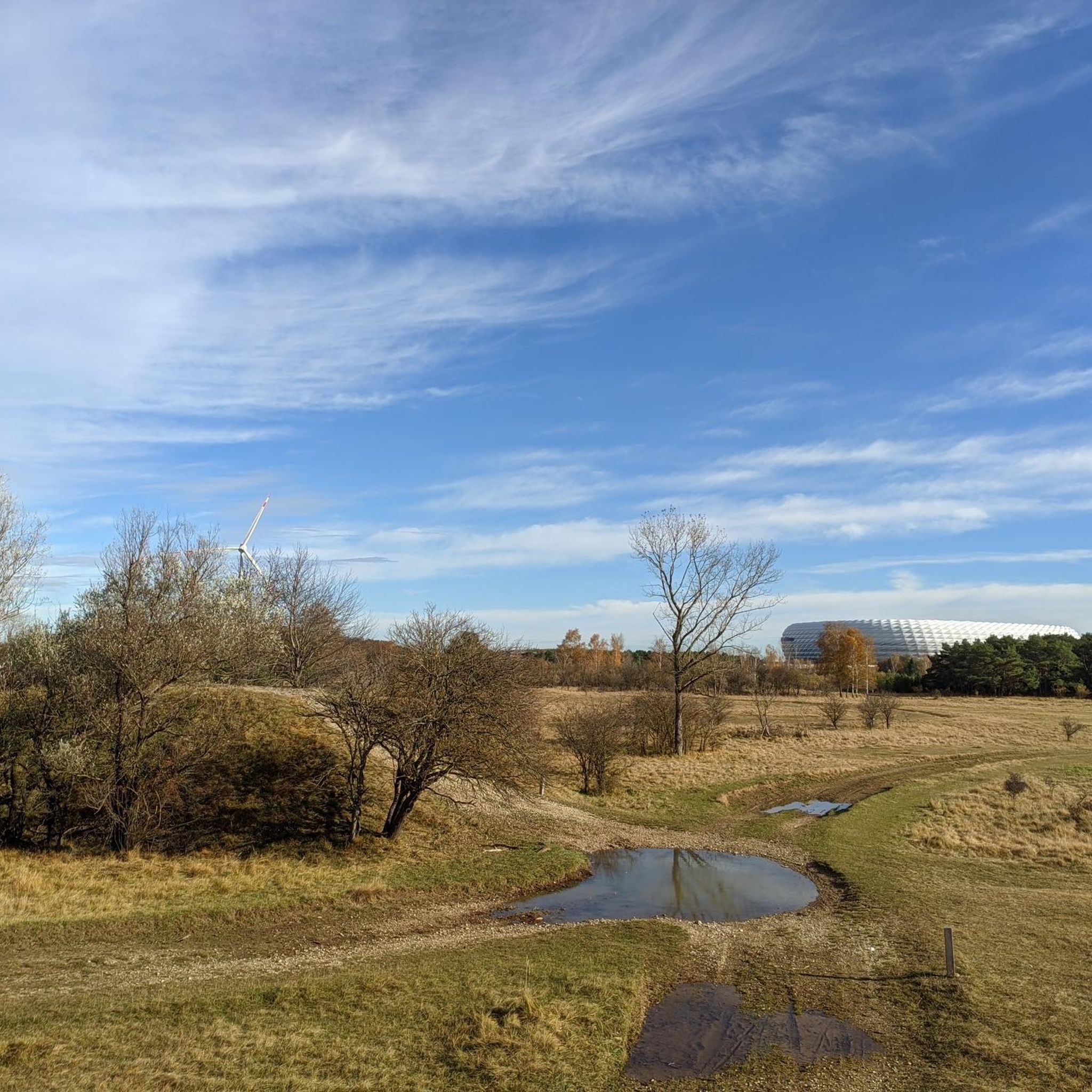
Touring cycling routes in Südliche Fröttmaninger Heide traverse a protected nature reserve north of Munich, characterized by diverse landscapes. The area features a mosaic of grasslands, extensive heathland, and pine forests, shaped by its glacial origins and past land use. Cyclists can experience varied terrain, from well-paved paths to unpaved segments, with gentle elevation changes across the region. The Fröttmaninger Berg, a former landfill, offers panoramic views of Munich and the distant Alps.
Best touring cycling routes in Südliche Fröttmaninger…
Last updated: July 5, 2026
4.5
(106)
449
riders
Easy bike ride. Great for any fitness level. Mostly paved surfaces. Suitable for all skill levels.
4.7
(52)
298
riders
Easy bike ride. Great for any fitness level. Mostly paved surfaces. Suitable for all skill levels.

Sign up for free
4.7
(23)
193
riders
36.5km
02:12
110m
110m
Moderate bike ride. Good fitness required. Mostly paved surfaces. Suitable for all skill levels.
4.2
(10)
116
riders
25.4km
01:40
50m
50m
Easy bike ride. Great for any fitness level. Mostly paved surfaces. Suitable for all skill levels.
4.8
(12)
83
riders
39.9km
02:25
140m
140m
Moderate bike ride. Good fitness required. Mostly paved surfaces. Suitable for all skill levels.
Get access to more routes and recommendations from other explorers.
Sign up for free
Already have an account?
Our route recommendations are based on thousands of hikes, rides, and runs completed by other people on komoot.
Start today with a free account
Your next adventure awaits.
Login or Signup
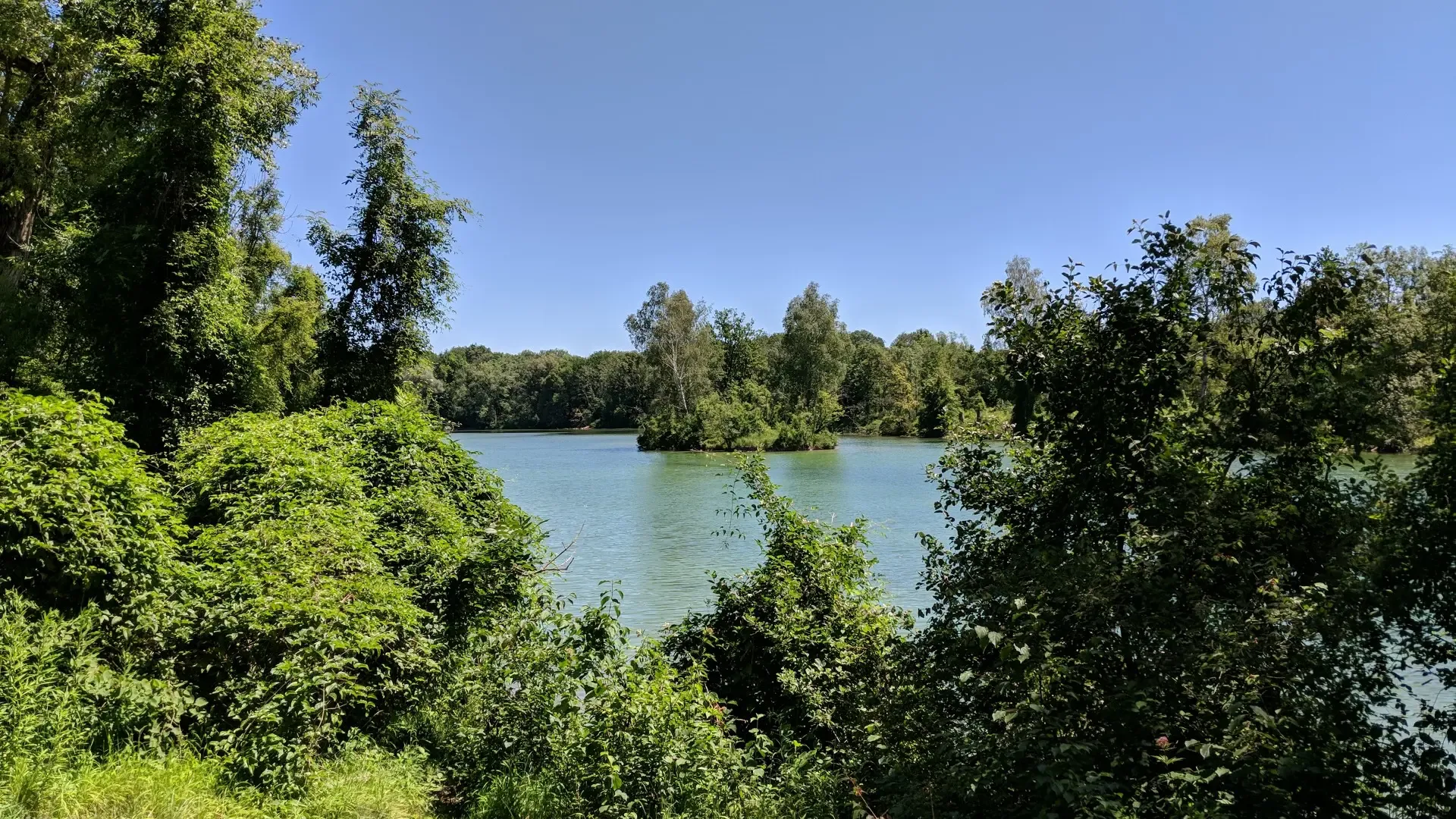
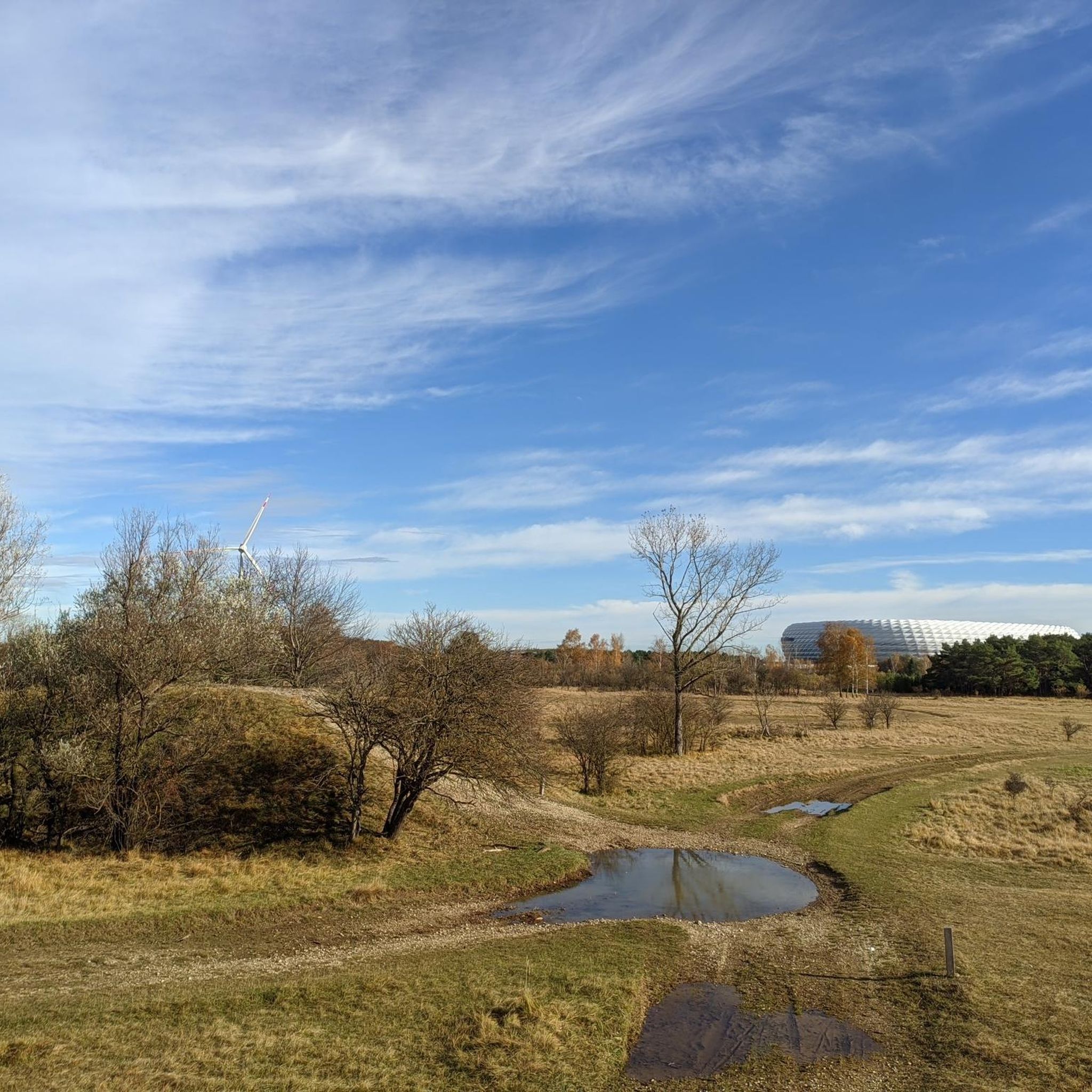
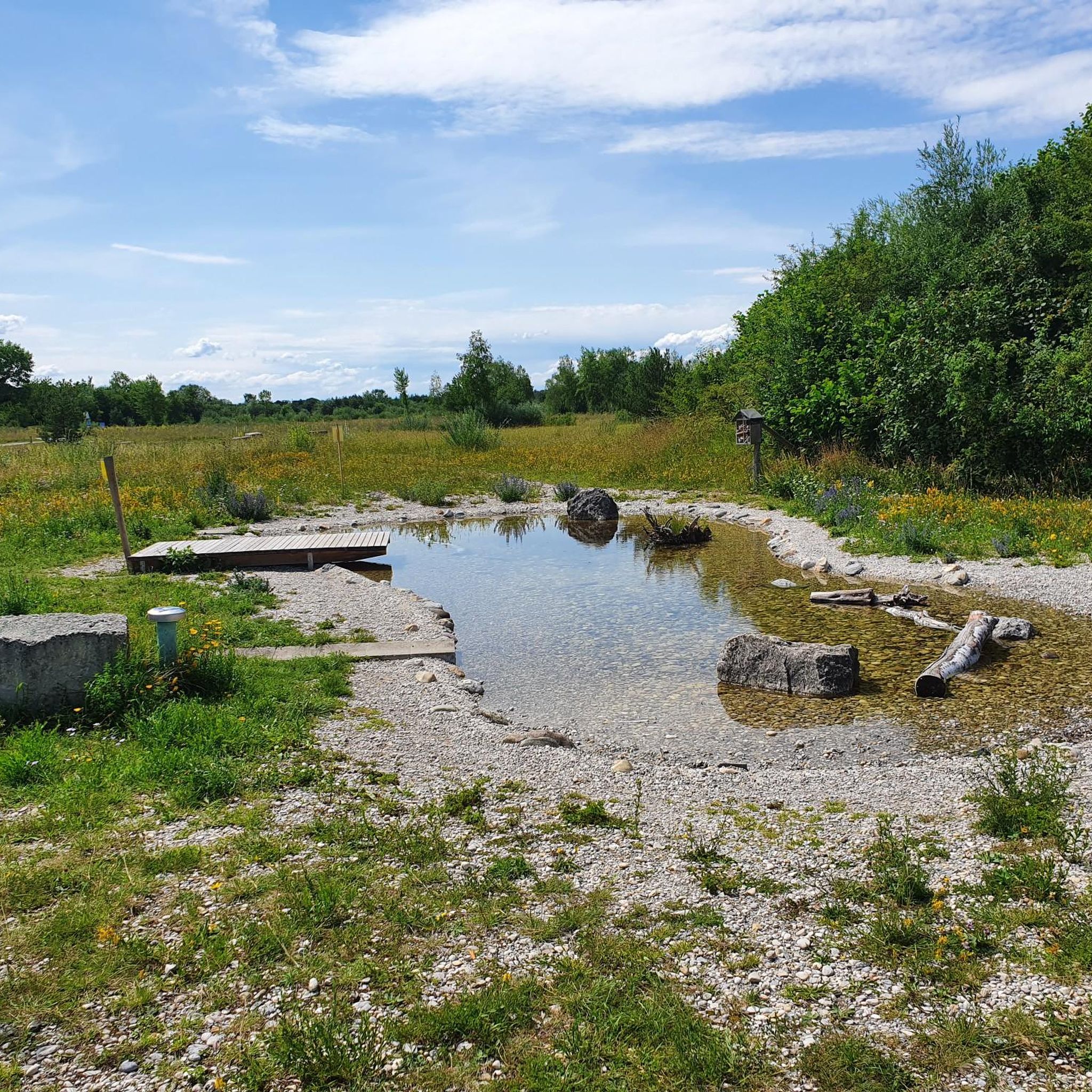
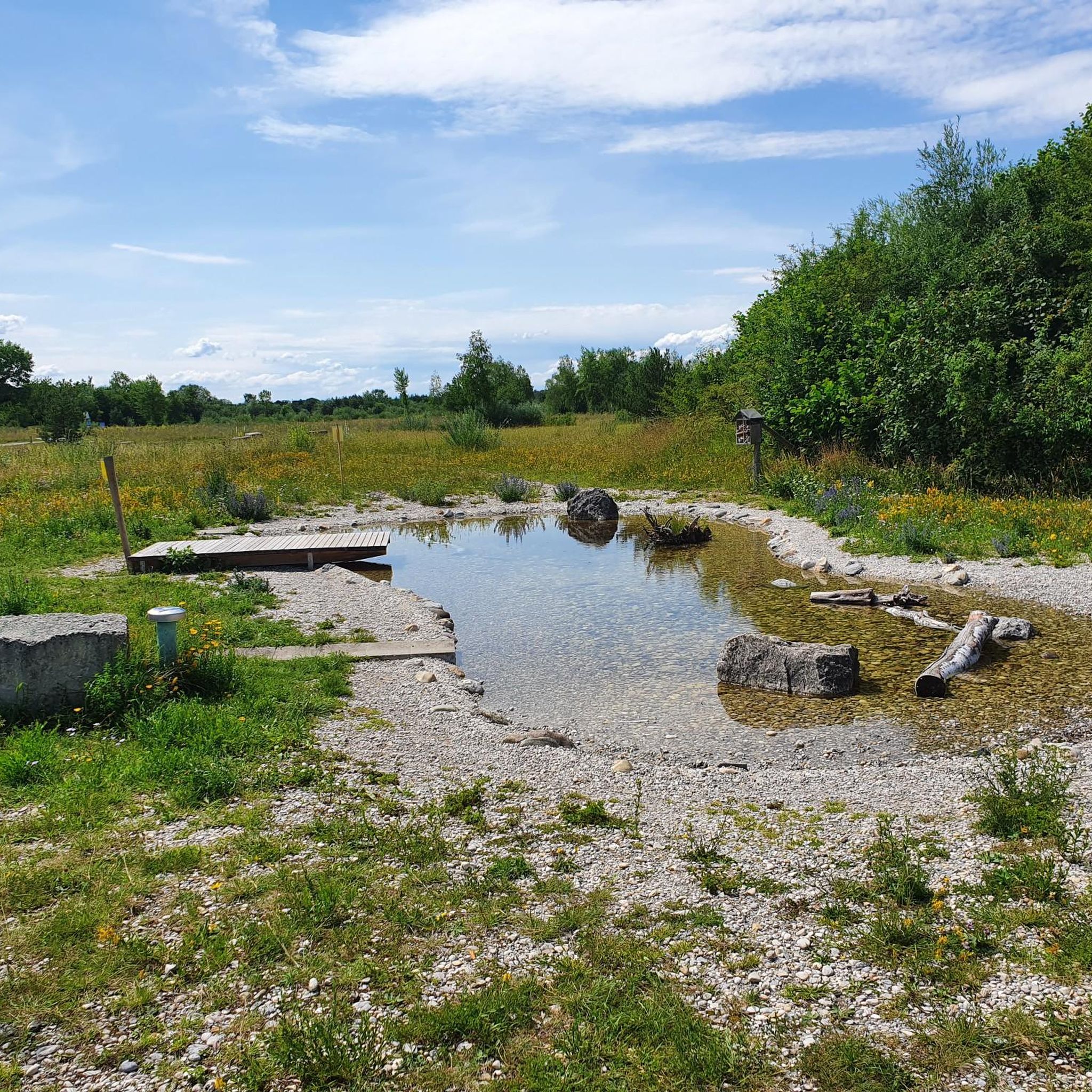
Other adventures in Südliche Fröttmaninger Heide

Tips from the Community

Wonderful landscape, nice to go exploring here
0
0

During the week, it's often a quiet place in the middle of the city. A short break on every bike tour through the city.
0
0


The view of the castle canal from the Ludwig Ferdinand Bridge on the city side clearly shows the dimensions of the monumental three-winged complex of Nymphenburg Palace. From 1715 to 1918, it was the summer residence of the Electors, then of the Kings of Bavaria from the House of Wittelsbach. Nymphenburg is one of the largest palaces in Germany.
12
0

The Munich Olympic Stadium is a multi-purpose stadium located in the Olympic Park in the Bavarian capital. Designed by the architectural firm Behnisch & Partner for the 1972 Olympic Games, it hosted sporting events and the opening and closing ceremonies. Following the Olympics, from 1972 to 2005, the stadium primarily served as the home ground of FC Bayern Munich and, with some interruptions, TSV 1860 Munich, who alternated between the two clubs' previous home ground, the Grünwalder Straße Municipal Stadium, and the Olympic Stadium. In 2005, both clubs moved to the newly built Allianz Arena. In addition to these football matches, the Olympic Stadium has also hosted other professional games, including the finals of the 1974 FIFA World Cup and the 1988 UEFA European Championship, as well as several finals of the UEFA Champions League and its predecessor, the European Cup (now the Champions League). ... Since 1982, the Olympic Stadium has been Munich's largest venue and is used for open-air concerts. Besides public viewing events, concerts have been the primary event held there since the football clubs moved out. Numerous other events have also taken place there, including the 2002 and 2022 European Athletics Championships and DTM exhibition races in 2011 and 2012. The Olympic Stadium is two-thirds earth and features a football pitch and an athletics track. The surface is natural grass. The arena was the first stadium in Germany to be equipped with under-soil heating and a VIP area, and it boasted the world's most advanced stadium floodlights, capable of simulating daylight. The tent-like roof structure spans not only the stadium but also the Olympic Hall, the Olympic Swimming Hall, and the connecting walkways. This is intended to symbolize lightness, transparency, and openness within the stadium. It is one of the most important buildings of post-war German architecture and is considered a landmark of Munich. Like the other structures under the tent roof, the Olympic Stadium has been a listed building since 1997. Source: https://de.wikipedia.org/wiki/Olympiastadion_M%C3%BCnchen
0
0

The Olympic Stadium in Munich is an architectural masterpiece and a historic venue, built for the 1972 Olympic Games. Until 2005, it was the home of FC Bayern Munich and TSV 1860 Munich, before professional football moved to the Allianz Arena. Its most striking feature is the spectacular tent-like roof structure, which appears to float weightlessly over the stadium, the Olympic Hall, and other buildings. Designed by architect Frei Otto, it was a groundbreaking innovation at the time. The entire complex is a listed historical monument, which has prevented major alterations.
5
0

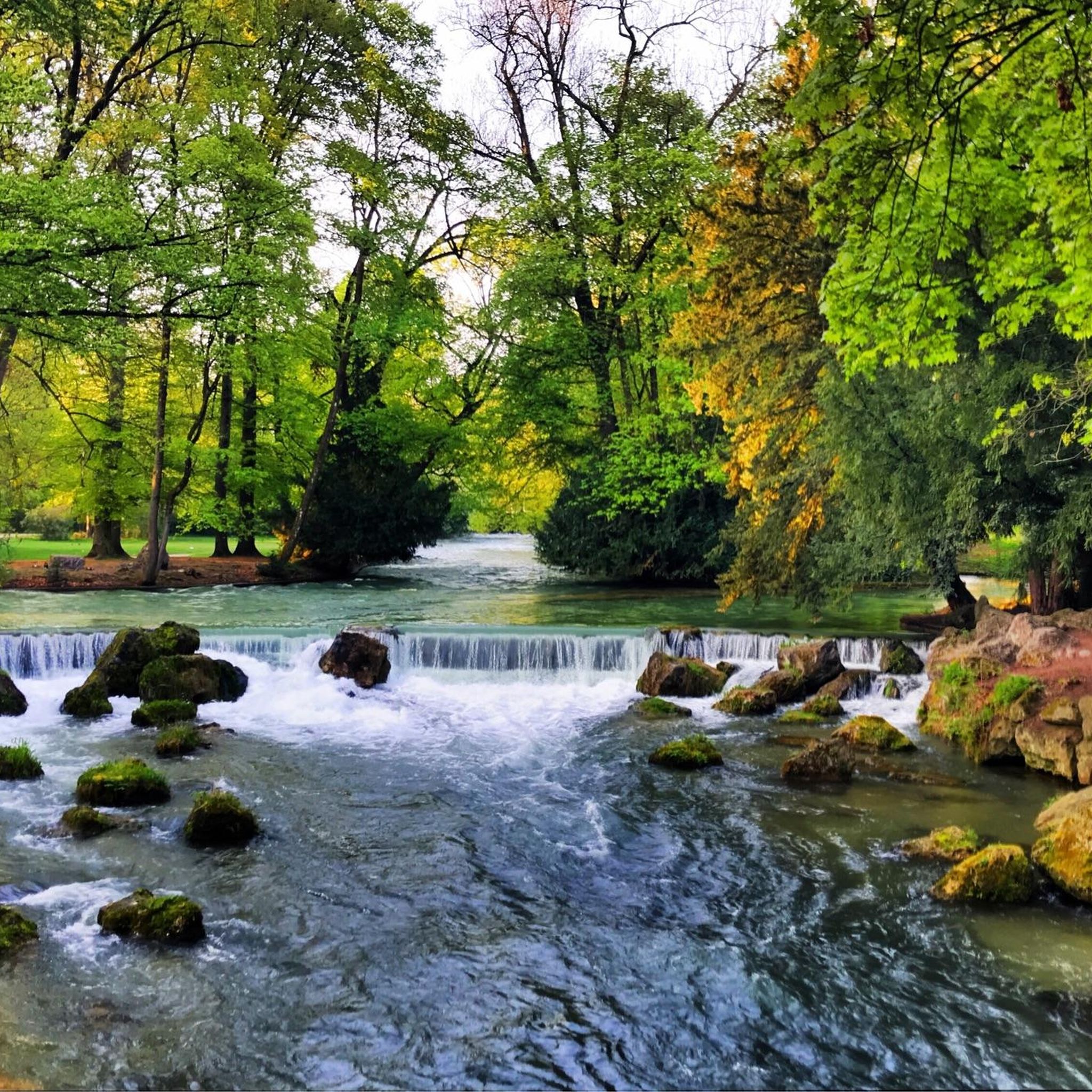
One of the most beautiful cycling routes in the area. A quiet little canal, an easy-to-ride gravel path, and a few benches for sitting and taking a break.
0
0

Frequently Asked Questions
How many touring cycling routes are available in Südliche Fröttmaninger Heide?
Südliche Fröttmaninger Heide offers a wide selection of touring cycling routes, with over 1300 options available. These routes cater to various preferences, including over 900 easy routes and more than 300 moderate ones.
What is the best time of year for touring cycling in Südliche Fröttmaninger Heide?
The diverse landscapes of Südliche Fröttmaninger Heide, with its grasslands, heathland, and pine forests, are enjoyable throughout much of the year. Spring and autumn offer pleasant temperatures and vibrant scenery, while summer provides longer daylight hours. Even in winter, some routes may be accessible, but it's always best to check local conditions.
Are there routes suitable for beginners or families?
Yes, Südliche Fröttmaninger Heide is very welcoming for beginners and families. Many routes are classified as easy, such as the Heidemannstraße Water Tower – Schleißheim Canal loop from Kieferngarten, which is 10.1 miles (16.3 km) long and primarily follows flat, well-maintained paths. The area's gentle elevation changes make it ideal for relaxed rides.
Are there any challenging touring cycling routes for experienced riders?
While many routes are easy, Südliche Fröttmaninger Heide also offers options for more experienced riders. There are 86 routes classified as difficult, and 324 moderate routes, which may include unpaved segments or slightly longer distances. For a moderate experience with varied terrain, consider the View from the Olympiaberg – Olympiaberg Viewpoint loop from Kieferngarten, a 22.7 miles (36.5 km) trail offering expansive views.
Can I find circular touring cycling routes in the area?
Yes, many of the touring cycling routes in Südliche Fröttmaninger Heide are designed as loops, allowing you to start and end at the same point. An example is the Schwabinger Bach Waterfall – Cycle Path in the English Garden loop from Kieferngarten, which is a 17.7 miles (28.5 km) circular route connecting to the scenic English Garden.
How can I reach the Südliche Fröttmaninger Heide cycling routes by public transport?
The Südliche Fröttmaninger Heide is well-integrated into the public transport network. The Fröttmaning U-Bahn station (U6) is a convenient access point, located near the nature reserve. From there, you can easily start your cycling tour. The Fröttmaning Station (U6) is a key highlight for public transport access.
Is parking available for touring cyclists?
Yes, parking is generally available at various entry points to the Südliche Fröttmaninger Heide, especially near public transport hubs like the Fröttmaning U-Bahn station. Specific parking information can often be found on individual route descriptions or local signage.
What natural features or landmarks can I see while cycling in Südliche Fröttmaninger Heide?
The Südliche Fröttmaninger Heide is a protected nature reserve known for its diverse ecosystems. You can explore extensive heathland, grasslands, and pine forests. A notable landmark is the Heath Viewpoint on Fröttmaninger Berg, a former landfill that offers panoramic views of Munich and the distant Alps. You might also spot the Allianz Arena in the distance, creating a striking contrast between nature and modern architecture.
Are there routes that connect to other popular areas around Munich?
Absolutely. The cycling routes in Südliche Fröttmaninger Heide are part of a broader network around Munich. You can find tours that connect to destinations like the English Garden, the Schleißheim Palace Complex, and even the Isar River. For example, the Isar Rapids – Isar Rapids loop from Kieferngarten takes you towards the Isar.
Can I cycle near water features or lakes?
Yes, some touring cycling routes in the area incorporate water features. The region includes shallow ponds within the heathland, and routes often connect to nearby lakes or canals. For instance, the Lake Garching – Echinger Lake loop from Kieferngarten offers a pleasant ride around these water bodies.
What do other touring cyclists appreciate about the routes in Südliche Fröttmaninger Heide?
The routes in Südliche Fröttmaninger Heide are highly rated by the komoot community, with an average score of 4.4 stars from over 8,600 reviews. Reviewers often praise the area's unique natural beauty, the variety of terrain from paved to unpaved sections, and the accessibility to a protected nature reserve so close to Munich. Many appreciate the peaceful escape and the panoramic views from spots like Fröttmaninger Berg.
What kind of terrain can I expect on the touring cycling routes?
The terrain in Südliche Fröttmaninger Heide is quite varied. You can expect a mosaic of grasslands, extensive heathland, and pine forests. Routes range from mostly well-paved surfaces for easy rides to segments with unpaved and potentially more challenging terrain. The area's distinctive landscape is shaped by its glacial origins and past land use, offering a unique cycling experience.
Where can I get more information about the nature reserve itself?
For detailed information about the Südliche Fröttmaninger Heide nature reserve, including its habitats and protected species, you can visit the HeideHaus environmental station. It serves as a central information point for visitors and is located near the Fröttmaning U-Bahn station.
Most popular routes in Südliche Fröttmaninger Heide
Most popular attractions in Südliche Fröttmaninger Heide

Get inspired with the komoot mobile app


Explore more
Browse the best Cycling routes in other regions.
