Attractions and Places To See in Chránená Krajinná Oblasť Malé Karpaty - Top 20
Best attractions and places to see in Chránená Krajinná Oblasť Malé Karpaty, located in western Slovakia, offers a diverse landscape of natural beauty and historical sites. This protected landscape area stretches approximately 100 kilometers, featuring deciduous forests, karst areas, and extensive vineyards. The region is known for its historical castles, cultural landmarks, and a network of trails for outdoor activities. It provides opportunities to explore both natural features and human-made structures.
Best attractions and places to see in Chránená Krajinná Oblasť Malé Karpaty
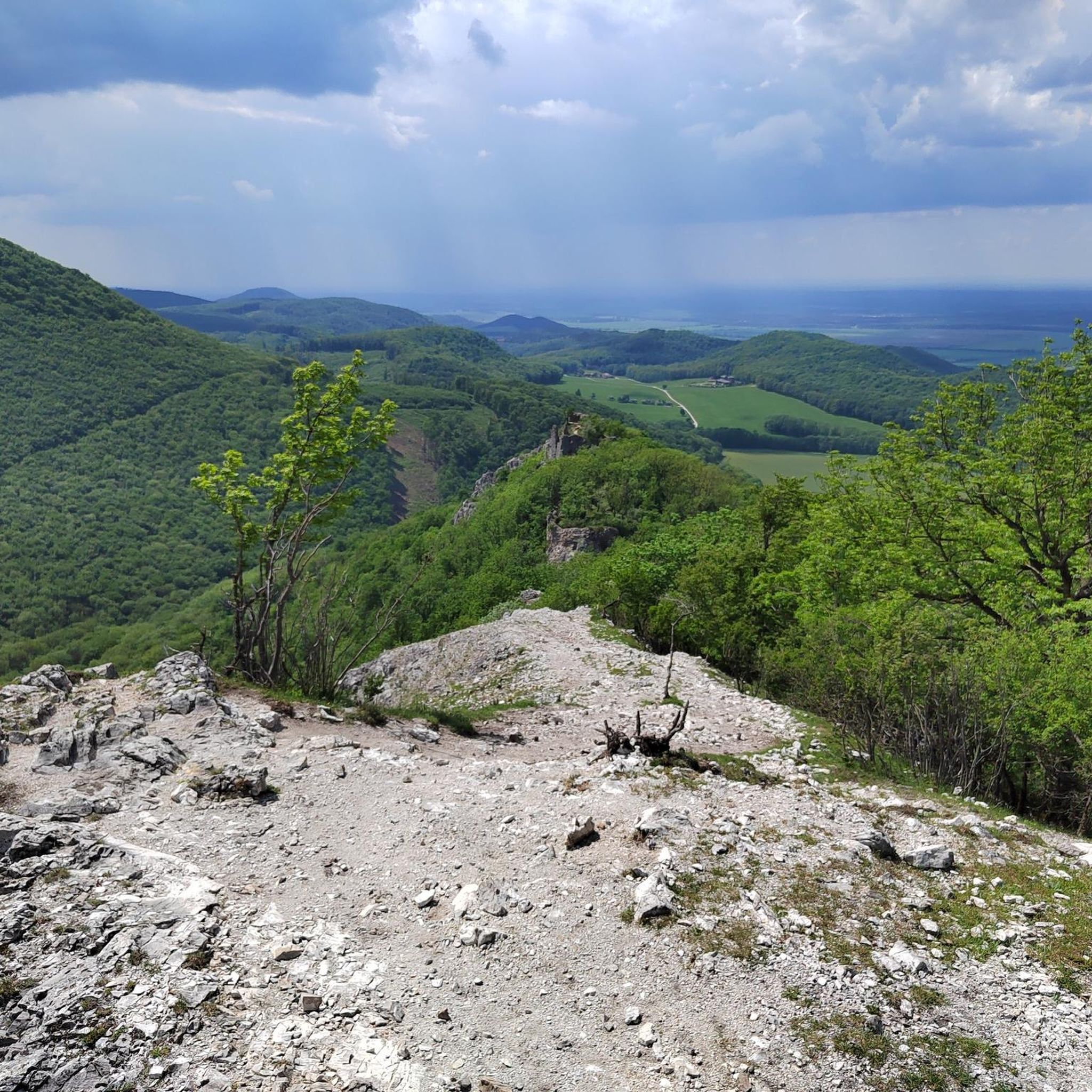
- The most popular attractions is Devínska Kobyla Observation Tower, a viewpoint that offers views from the top of Devínská Kobyla. This tower is situated on the highest peak in the city and region of Bratislava.
- Another must-see spot is Cerová Trail, an approximately 11 km long forest cycle route. This route is known for its flow and passes through a forest environment, making it a popular choice for cyclists.
- Visitors also love Pajštún Castle Ruins, a ruined medieval castle located on a rock. These ruins offer views of the surroundings and are accessible via cycle paths.
- Chránená Krajinná Oblasť Malé Karpaty is known for its castles, viewpoints, and cycle paths. The region offers a variety of attractions to see and explore, from historical sites to natural landscapes.
- The attractions in Chránená Krajinná Oblasť Malé Karpaty are appreciated by the komoot community, with 134 upvotes and 288 photos contributed by visitors.
Last updated: August 29, 2026
Devínska Kobyla Observation Tower
Highlight • Viewpoint
Translated by Google •
Tip by

White Cross
Highlight • Mountain Hut
On sunny days, lovers of hiking, walking, cycling and even mothers with baby-strollers or joggers are concentrated here. The route is not demanding and everyone can handle it.
The White Cross area is formed by dense Carpathian forest parks. Several routes lead directly here and the shortest and most popular, about 4km long, starts just in Rača. It takes about 3 hours to get there and back.
kamnavylet.sk/en/attraction/white-cross
Tip by

Sign up now to discover places like this
Get recommendations on the best single tracks, peaks, & plenty of other exciting outdoor places.
Sign up for free
Cerová Trail
Highlight (Segment) • Trail
The route is one of the obligatory rides of cyclists in the Little Carpathians.
Translated by Google •
Tip by

Záruby Summit Cross
Highlight • Summit
Translated by Google •
Tip by

Biely Kameň Castle Ruins
Highlight • Castle
Since 2021, the citizens' association Castrum Sancti Georgii has been committed to the preservation of the castle ruins. Volunteers cleared the walls of ivy and overgrown trees, built access paths, benches for visitors, and stairs for greater safety. They cleaned the impressive vaulted room measuring 17 x 6.5 m. The association had the ruin geodetically surveyed and a 3D model of the castle created.
Subsequently, a static assessment of the individual objects and an architectural-historical study of the monument were carried out. Based on the developed restoration concept, the association began the renovation of the most endangered parts of the castle. First, the half-destroyed, dominant western defensive tower was restored. You can follow the progress of the restoration on the website hradbielykamen.sk.
You can support the work of the citizens' association Castrum Sancti Georgii in restoring the castle with a voluntary donation.
Showing Translation
Tip by

Sign up for free to discover even more attractions in Chránená Krajinná Oblasť Malé Karpaty.
Sign up for free
Already have an account?
Start today with a free account
Your next adventure awaits.
Login or Signup
Popular around Chránená Krajinná Oblasť Malé Karpaty
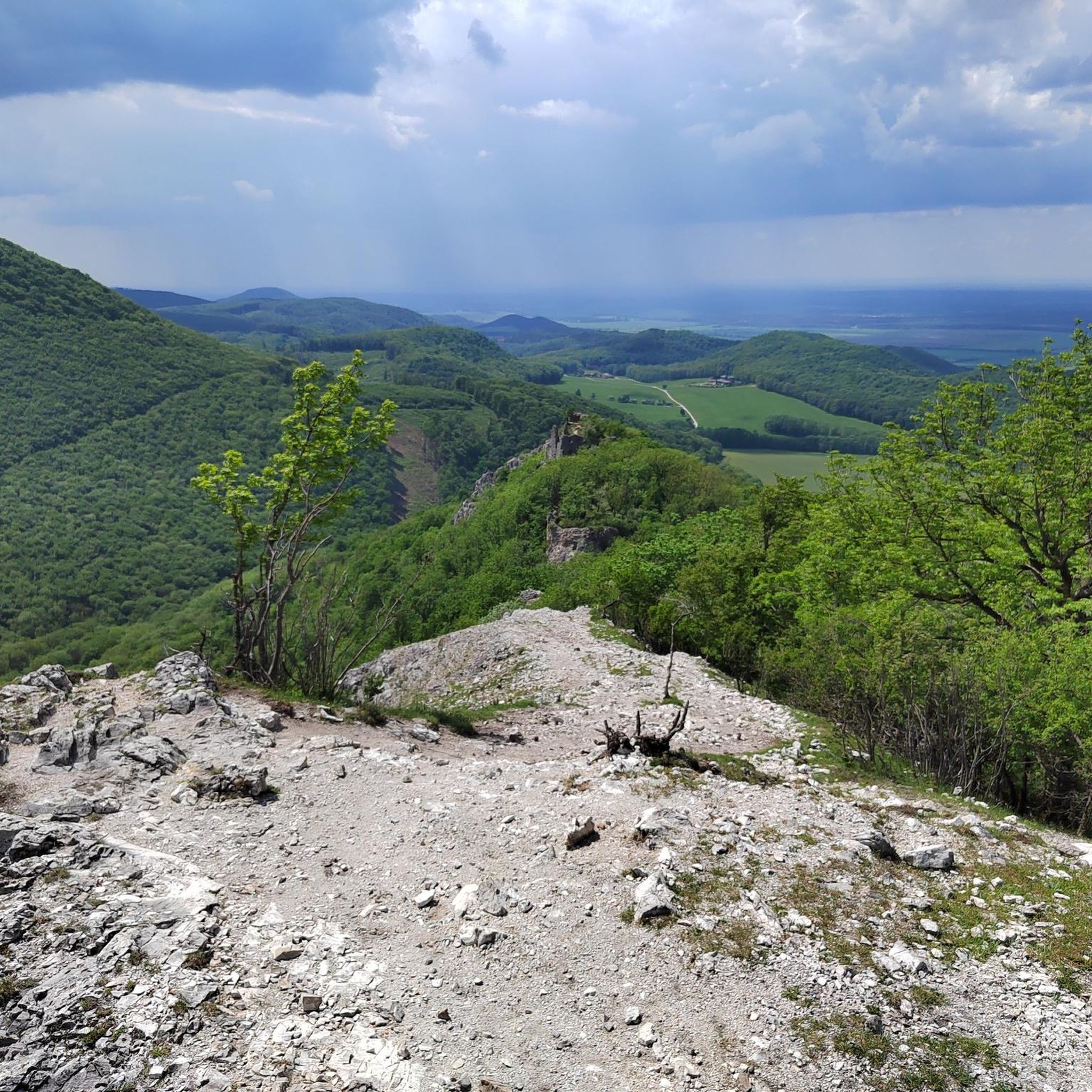
Hiking in Chránená Krajinná Oblasť Malé Karpaty
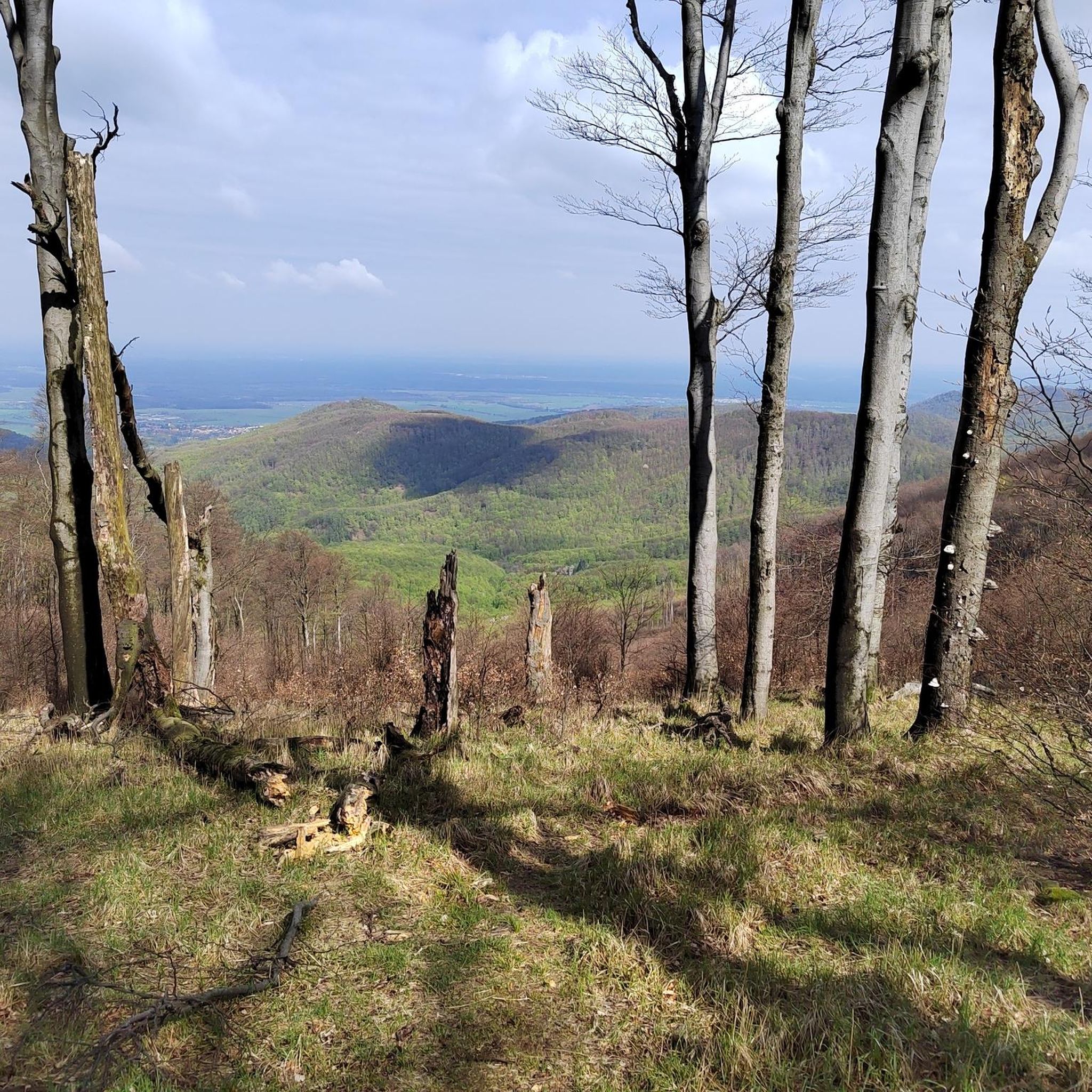
Running Trails in Chránená Krajinná Oblasť Malé Karpaty
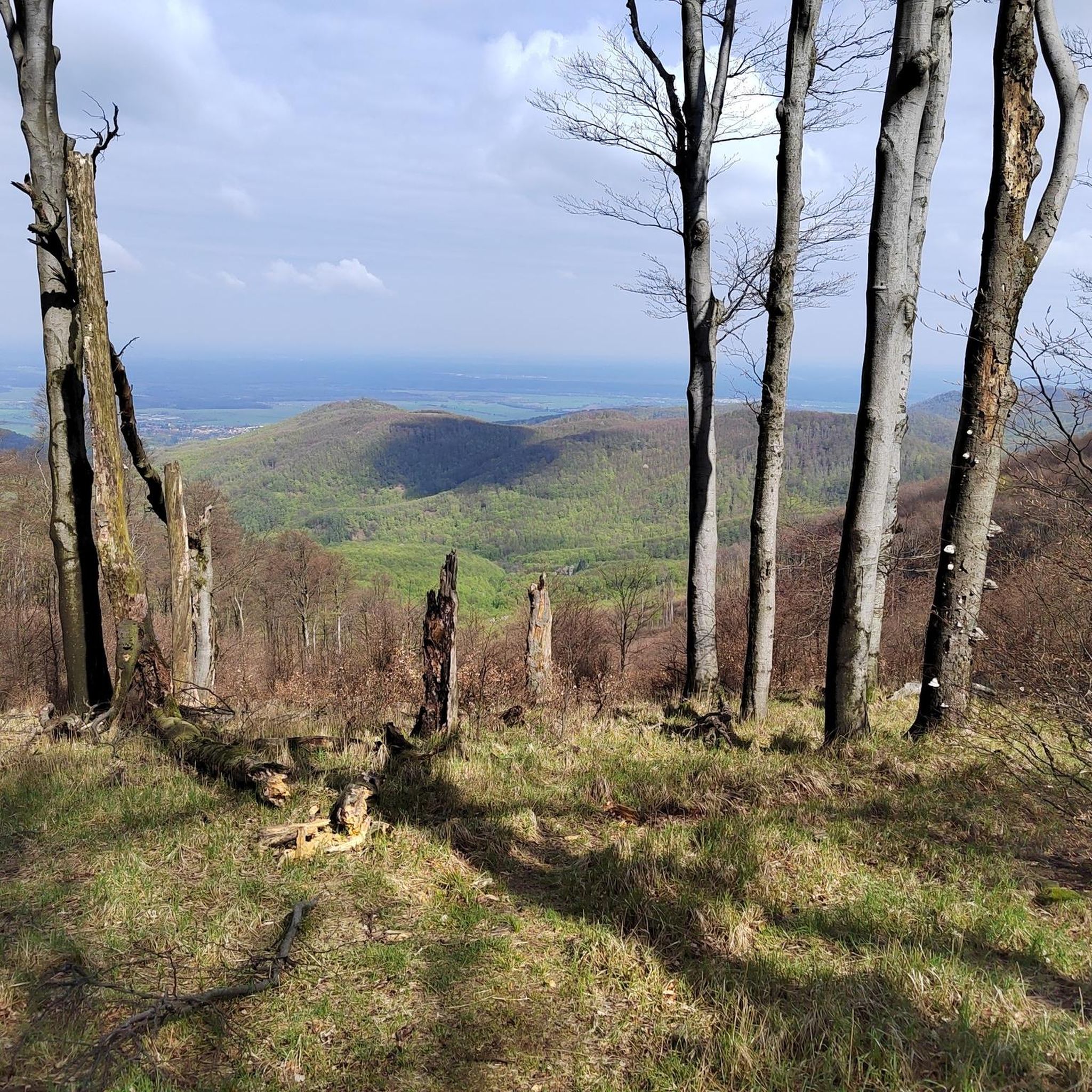
MTB Trails in Chránená Krajinná Oblasť Malé Karpaty
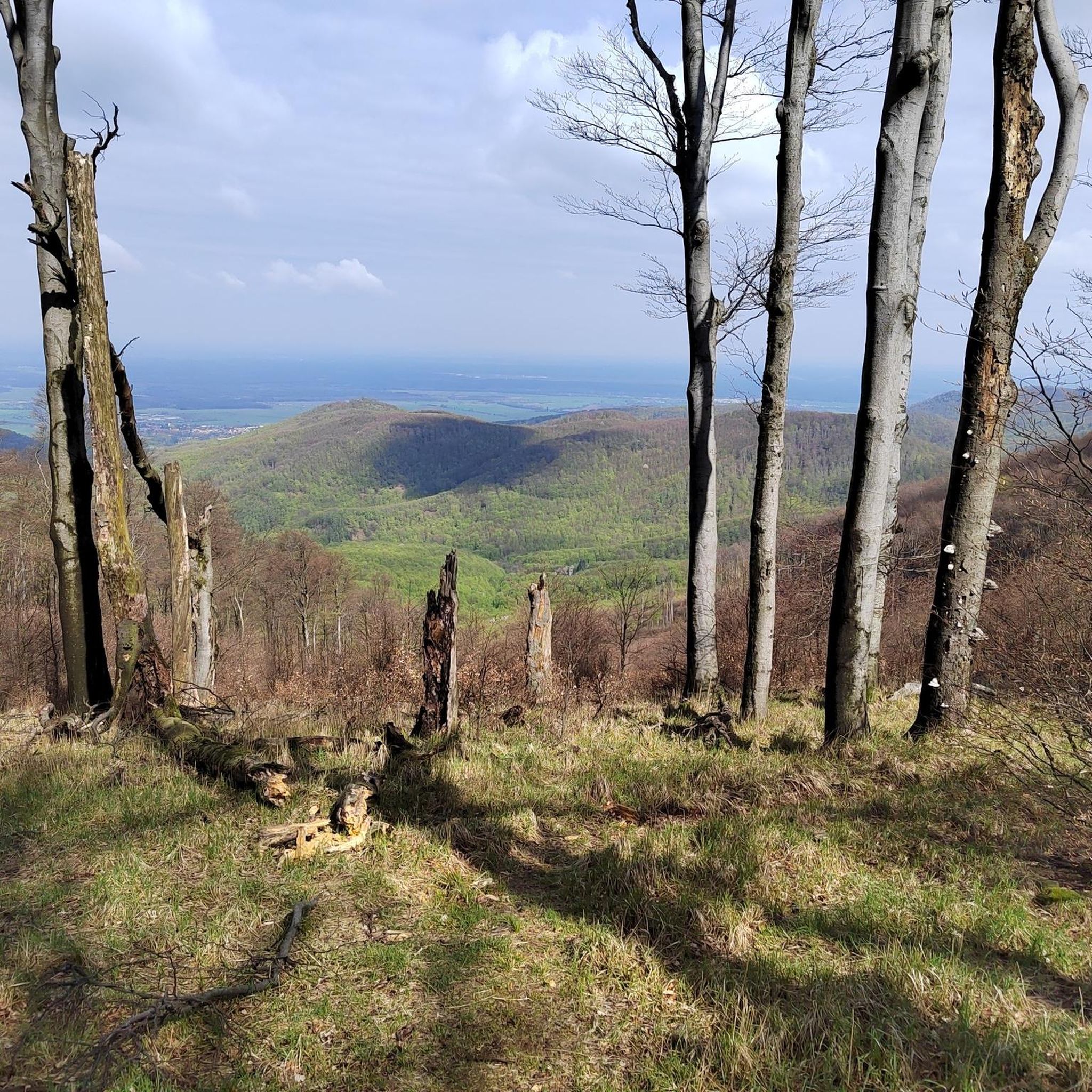
Road Cycling Routes in Chránená Krajinná Oblasť Malé Karpaty
Cycling in Chránená Krajinná Oblasť Malé Karpaty
Gravel biking in Chránená Krajinná Oblasť Malé Karpaty
Tips from the Community

Pope John Paul II expressed the following thoughts during the Way of the Cross meditation in the year 2000 at the Colosseum in Rome, which may also be of interest to passers-by here before this wayside cross (crucifix): »‘Did not the Messiah have to suffer these things and enter his glory?’ (Lk 24:26). At the end of the traditional Way of the Cross at the Colosseum, we ask ourselves the same question. (…) Dear sisters and brothers! Today’s man needs to encounter the crucified and risen Jesus! Who, if not the divine condemned man, can fully understand the suffering of one who is unjustly condemned? Who, if not the mocked and humiliated King, can answer the expectations of the many men and women who are without hope and degraded? Who, if not the crucified Son of God, can understand the pain and abandonment of the many people who despair of life because they have no future before them?« (Pope John Paul II.)
0
0

The Ranogien Castle was built after the Tatar invasion of 1241/42 by the local counts of Sveti Jur and Pezinok, the Hunt-Poznanovci. The castle, first documented in 1271, gradually took over the settlement and guard function of the Great Moravian castle (fortress) on the opposite side of the valley and became the center of a growing estate. It was part of the Little Carpathians system. After a reconstruction in the 14th century, the castle consisted of an inner and an outer part. The entrance led over a drawbridge across a dry moat that surrounded the castle along with a rampart. The inner castle comprised palace buildings with two residential buildings, one of which served as a prison. In addition to the living quarters for the count's household, the palace housed a tavern, chambers, cellars, kitchens, and a bakery. The outer castle had three towers, including a water tower. The fresh water supply was provided by a system of ceramic pipes and a cistern. The castle also had a bailey enclosed by defensive walls. The remains of the vaults date from the time of the Renaissance reconstruction. With the construction of the manor house by Katarína Pálffyová and her husband Štefan Illésházy, the successors of the counts of Svätý Jur and Pezinok, in 1609, the seat of the estate was permanently moved to the town. As a result, the castle lost its original function and gradually fell into disrepair. During the Turkish uprising, it offered refuge and temporary accommodation to the surrounding population. After the devastating attack by the Turks in 1663, it finally fell into ruin. In 2002, Biely Kamen Castle was declared a national cultural monument. The finds from the excavation site can be visited at the Museum of Literature and Local History in Svätý Jur – a branch of the Museum of the Little Carpathians in Pezinky. Did you know that Biely Kamen Castle was located on an important trade route from Bratislava to Trnava? It also controlled the mountain road to Stupava and Lozorno.
1
0
In addition to A🚶🏽♂️L🚴🏼♂️E🏃🏽♂️X, I would also like to mention that in winter (unfortunately little snow in recent years) a cross-country ski trail leads upwards, today in summer enthusiasts go up with skirollers or take an electric monowheel up the road, which runs parallel to the hiking trails.
1
0
The ruin is currently being renovated with extensive voluntary work by a citizens' initiative. Since 2021, the citizens' association Castrum Sancti Georgii has been committed to the preservation of the castle ruins. Volunteers cleared the walls of ivy and overgrown trees, built access paths, benches for visitors, and stairs for greater safety. They cleaned the impressive vaulted room measuring 17 x 6.5 m. The association had the ruin geodetically surveyed and a 3D model of the castle created. Subsequently, a static assessment of the individual objects and an architectural-historical study of the monument were carried out. Based on the developed restoration concept, the association began the renovation of the most endangered parts of the castle. First, the half-destroyed, dominant western defensive tower was restored. You can follow the progress of the restoration on the website www.hradbielykamen.sk. You can support the work of the citizens' association Castrum Sancti Georgii in restoring the castle with a voluntary donation.
1
0

One of my favorite trails, it never really goes up or down, it's not very rooty, but it always goes along nicely no matter which direction.
1
0
Spectacular observation tower and view, an official MTB trail leads to the tower.
1
0

On the way to the top of Záruby in the Little Carpathians, you will pass several signposts and crossroads. They are very well marked. The path from the Drina cave to the top of Záruby is quite difficult. We sweated a lot.
3
0

The people of Bratislava can trade the rush of city life at least during the weekend for a relaxing stay in beautiful nature. One favourite location of the White Cross is from the city district of Bratislava-Rača, which is nearby. On sunny days, lovers of hiking, walking, cycling and even mothers with baby-strollers or joggers are concentrated here. The route is not demanding and everyone can handle it. The White Cross area is formed by dense Carpathian forest parks. Several routes lead directly here and the shortest and most popular, about 4km long, starts just in Rača. It takes about 3 hours to get there and back. https://www.kamnavylet.sk/en/attraction/white-cross
4
1
Frequently Asked Questions
What historical castles can I explore in the Malé Karpaty region?
The Malé Karpaty region is rich in historical castles. You can visit the well-preserved Renaissance fortress of Červený Kameň Castle, the dramatic ruins of Devín Castle overlooking the Danube, or the romantic Smolenice Castle. For a more adventurous experience, explore the ruins of Pajštún Castle, which offers great views and is popular with hikers and bikers. Other notable castles include Čachtice Castle, Pezinok Castle, and Dobra Voda Castle.
What are some unique natural attractions in Chránená Krajinná Oblasť Malé Karpaty?
The region offers several unique natural attractions. The Devínska Kobyla Observation Tower provides panoramic views from the highest peak in the Bratislava region. You can also explore Driny Cave, the only publicly accessible cave in Western Slovakia, known for its impressive flowstone draperies. The area also features several significant mountain peaks like Záruby, Vysoká, and Vápenná, offering challenging hikes and scenic vistas.
Are there family-friendly activities or trails in the Malé Karpaty?
Yes, the Malé Karpaty offer several family-friendly options. The White Cross area, a favorite spot for Bratislava locals, features dense forest parks with easy routes suitable for walking, cycling, and even strollers. The Bratislava Forest Park also provides numerous recreational opportunities. For specific family-friendly hiking routes, you can explore the easy trails listed in the Hiking in Chránená Krajinná Oblasť Malé Karpaty guide, such as the Dúbravská Hlavica – Devínska Kobyla Observation Tower loop.
What cultural sites, beyond castles, can I visit in the region?
Beyond castles, the Malé Karpaty boast a rich cultural heritage. You can explore the Small Carpathian Wine Route, winding through towns like Svätý Jur, Pezinok, and Modra, offering wine tasting opportunities. The Small Carpathian Museum in Pezinok showcases the history of viticulture and winemaking, including Central Europe's largest collection of wine presses. Modra is known for its traditional pottery, and the Historical Town Reserve of Svätý Jur features a picturesque collection of historical monuments.
What kind of outdoor activities are popular in Chránená Krajinná Oblasť Malé Karpaty?
The region is ideal for outdoor enthusiasts, offering extensive networks of hiking and cycling trails. Popular activities include cycling along routes like the Cerová Trail, known for its excellent flow through forest environments. Hikers can explore various trails, from easy walks to challenging ascents to peaks like Záruby. For more detailed routes, refer to the Hiking in Chránená Krajinná Oblasť Malé Karpaty and Cycling in Chránená Krajinná Oblasť Malé Karpaty guides.
Where can I find scenic viewpoints in the Malé Karpaty?
The Malé Karpaty offer several excellent viewpoints. The Devínska Kobyla Observation Tower provides expansive views from the highest point in Bratislava. The ruins of Pajštún Castle also offer beautiful vistas of the surrounding landscape. Additionally, the Alexander Filípek Lookout Tower on Veľká Homola Hill is another notable spot for panoramic views.
What is the best time of year to visit Chránená Krajinná Oblasť Malé Karpaty?
The Malé Karpaty are beautiful year-round, but the best time depends on your preferred activities. Spring and autumn offer pleasant temperatures for hiking and cycling, with vibrant foliage in autumn. Summer is ideal for exploring castles and vineyards, though trails can be busier. Winter provides opportunities for snow activities in higher elevations, but some trails might be less accessible.
Are there any unique historical manor houses or mills to see?
Yes, the region features unique historical structures like the Budmerice Manor House, a pseudo-Gothic hunting lodge surrounded by an English park. You can also visit the Schaubmarov Mill in Pezinok, considered one of the largest mills on a brook in Slovakia, preserving its original architecture and working equipment.
What do visitors enjoy most about the attractions in Chránená Krajinná Oblasť Malé Karpaty?
Visitors frequently praise the combination of natural beauty and historical sites. Many appreciate the well-maintained trails for cycling and hiking, such as the Cerová Trail, and the stunning views from places like the Devínska Kobyla Observation Tower. The accessibility of historical ruins like Pajštún Castle and the peaceful escape offered by areas like White Cross are also highly valued.
Can I find cycling routes suitable for different skill levels?
Yes, the Malé Karpaty offer cycling routes for various skill levels. The Cerová Trail is an intermediate forest cycle route popular with experienced cyclists. For easier rides, the Danube Cycle Path Near Bratislava offers a beautiful, mostly flat experience. You can find a range of options, from easy to moderate, in the Cycling in Chránená Krajinná Oblasť Malé Karpaty guide.
Are there any significant monuments or memorials in the area?
Yes, a significant monument in the region is the Barrow on Bradlo Hill, a monumental burial mound dedicated to the national hero Milan Rastislav Štefánik. This site offers both historical significance and panoramic views of the surrounding landscape.
Most popular routes in Chránená Krajinná Oblasť Malé Karpaty
Most popular attractions in Chránená Krajinná Oblasť Malé Karpaty

Get inspired with the komoot mobile app


