The best cycling routes in Chko Bílé Karpaty
4.7
(20)
510
riders
17
rides
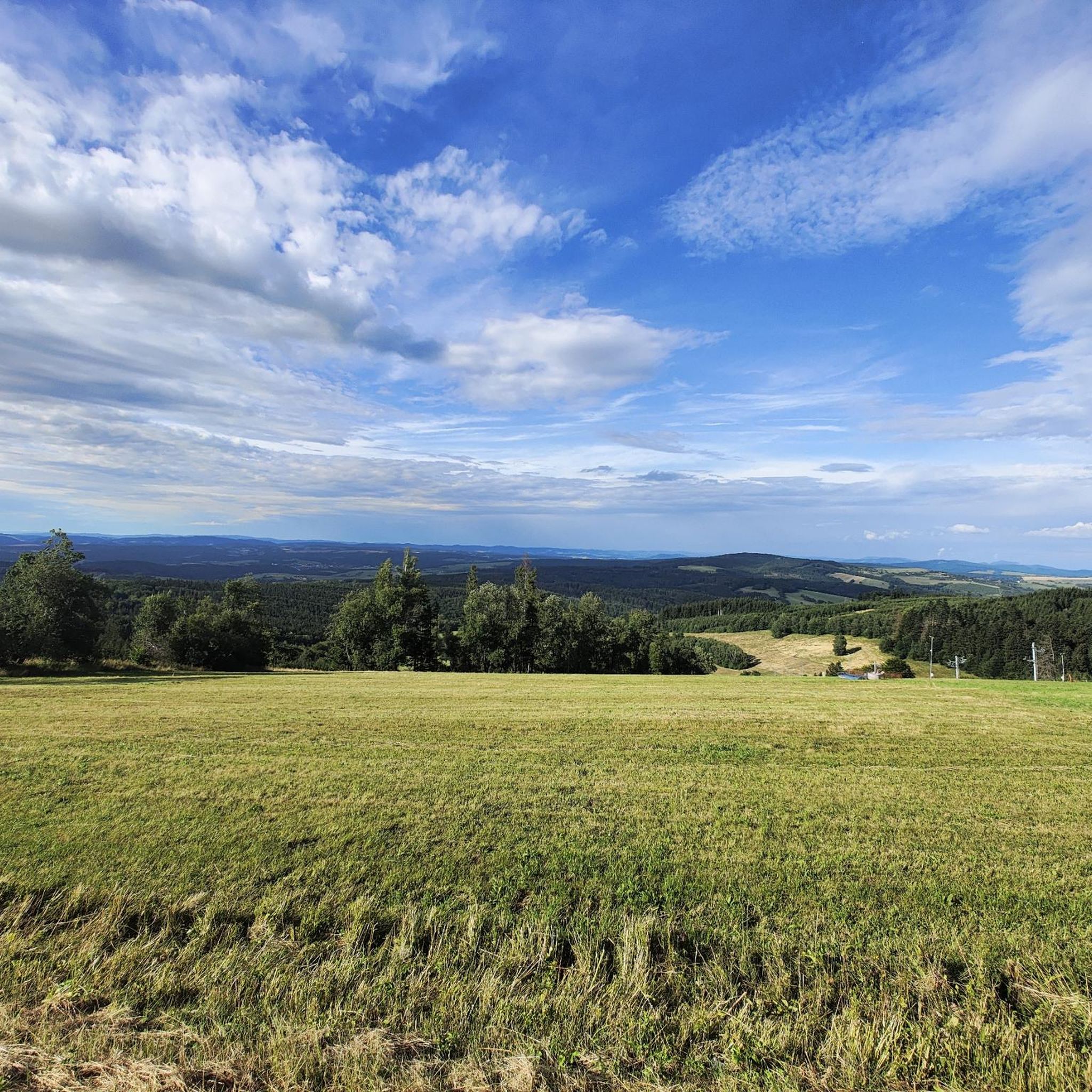
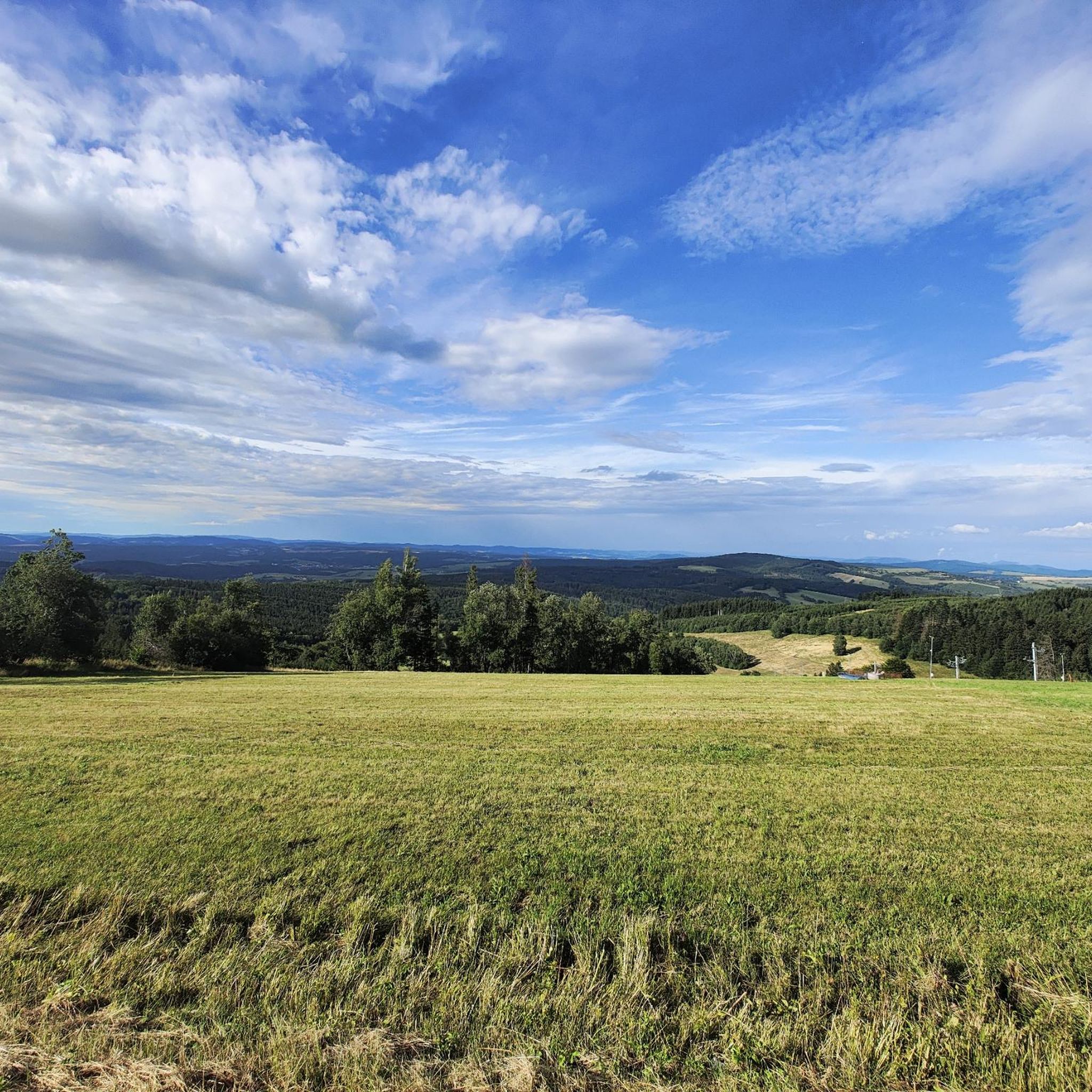
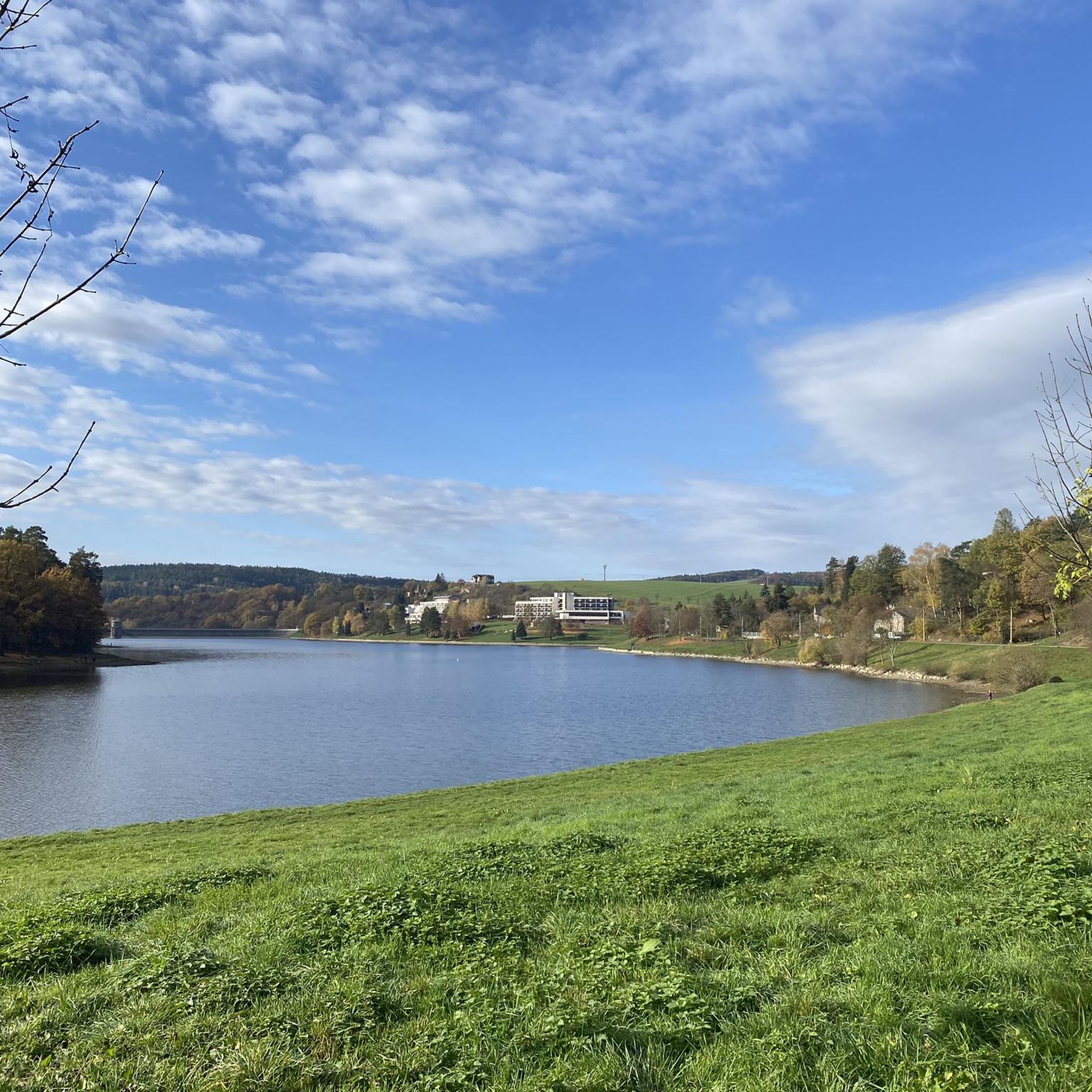
Touring cycling in Chko Bílé Karpaty offers routes through a landscape characterized by rolling hills, expansive meadows, and dense forests. The region features varied terrain, including ascents to prominent points like Velká Javorina, and paths alongside water bodies such as Luhačovická přehrada. These routes provide opportunities to experience the natural beauty and cultural heritage of the White Carpathians.
Best touring cycling routes in Chko Bílé Karpaty
- The most popular touring cycling route is Námestie Slobody in Skalica – Skalica Town Square loop from Strážnice, a 30.6 miles (49.2 km) trail that takes 3 hours 27 minutes to complete. This route explores the surroundings of Skalica, offering a mix of open landscapes and town features.
- Another top favourite among local touring cyclists is Velká Javorina Transmitter – Holubyho Chata loop from NPR Porážky, a difficult 12.7 miles (20.4 km) path. This route features significant elevation gain, leading through forested areas to prominent viewpoints.
- Local touring cyclists also love the Velká Javorina Transmitter loop from PP Bahulské jamy, a 12.6 miles (20.4 km) trail leading through varied terrain with moderate climbs, often completed in about 1 hour 45 minutes.
- Touring cycling in Chko Bílé Karpaty is defined by rolling hills, extensive meadows, and forested sections. The network offers options for both moderate and more challenging ability levels, with 5 moderate and 12 difficult routes available.
- The routes in Chko Bílé Karpaty are highly rated by the komoot community with an average score of 4.8 stars from over 10 reviews. More than 100 touring cyclists have used komoot to explore Chko Bílé Karpaty's varied terrain.
Last updated: May 20, 2026
5.0
(9)
25
riders
49.0km
03:27
570m
570m
Hard bike ride. Very good fitness required. You may need to push your bike for some segments of this route.
16
riders
20.4km
01:48
570m
570m
Hard bike ride. Very good fitness required. Mostly paved surfaces. Suitable for all skill levels.

Sign up for free
13
riders
20.4km
01:45
410m
410m
Moderate bike ride. Good fitness required. Mostly paved surfaces. Suitable for all skill levels.
5.0
(1)
9
riders
26.5km
01:59
570m
570m
Hard bike ride. Very good fitness required. You may need to push your bike for some segments of this route.
8
riders
37.7km
02:57
810m
810m
Hard bike ride. Very good fitness required. Mostly paved surfaces. Suitable for all skill levels.
Get access to more routes and recommendations from other explorers.
Sign up for free
Already have an account?
Our route recommendations are based on thousands of hikes, rides, and runs completed by other people on komoot.
Start today with a free account
Your next adventure awaits.
Login or Signup

Tips from the Community

The rotunda of St. George in Skalice is an early Romanesque building, probably from the 11th century. Later it was rebuilt in Gothic and Baroque styles. The rotunda is a symbol of Skalica. It is the oldest historical-architectural monument in the city. It was built as a church on the castle hill. The rotunda served as the owner's church with a small tomb. It is a central rotunda extended by a horseshoe-shaped apse, it has a baroque dome with a lantern, its apse and shell have been preserved in their original Romanesque form. Traces of two Romanesque windows can be seen on the outside of the apse. The masonry consists of smaller blocks of sandstone.
0
0
In addition to the remains of a city wall, there is one of the oldest Slovak buildings in the village, the Romanesque St. George's Rotunda from the 12th century, which was fitted with a baroque ("French") hood in the 17th century. There are also many church buildings, such as the Michaelskirche, a former Franciscan monastery and three other monasteries. The late Renaissance town hall and the arts center from 1905 in secessionist style are also interesting. The place was first mentioned in 1217 as Zaculcza. The name refers to the rock on which the first settlement was built. The settlement was built around a rare triangular square in the Middle Ages. In 1372 it received city rights and at the same time the privilege of being a royal free city. In 1428 it was invaded by the Hussites and a large part of the predominantly German-speaking population was expelled or fled. During the 16th century Habans settled here. In 1918, the city was the seat of the Czechoslovak government delegation for 8 days, which tried unsuccessfully to take control of Slovakia, which was then still under Hungarian control. In 1923 Skalica became the seat of a district. In 1960, in the course of territorial reorganization, the county was dissolved and the town came to Senica County. In 1996 it became a district town again. Until December 2007, the Seče area was also a cadastral municipality of the city.
0
0

Námestie Slobody, worth seeing center of Skalica with many interesting buildings. The town hall, the church and the cultural center. More information: https://de.wikipedia.org/wiki/Skalica
1
0
Rotunda Sv. Juraja with remains of city walls in Skalica, opposite is a calvary. More information: http://www.zahorskemuzeum.sk/rotunda-svateho-juraja/ and https://de.wikipedia.org/wiki/Skalica
0
0

The village Mlynky is located in the upper valley of the Hnilec river, with a small share of the reservoir Palcmanská Maša.
0
0
Skalica is a small town in the western Slovak Záhorie region and capital of the district of the same name (Okrés). Skalica is home to Slovakia's oldest surviving building (12th-century Georgsrotunde) and Skalica is the birthplace of Trdelník (sweet cakes), a sweetshop popular in the Czech Republic and Slovakia. (Source: wikivoyage)
4
0
Frequently Asked Questions
How many touring cycling routes are available in Chko Bílé Karpaty?
There are 17 touring cycling routes in Chko Bílé Karpaty. These include 5 moderate routes and 12 more challenging ones, offering a variety of options for different skill levels.
What is the typical difficulty level for touring cycling in Chko Bílé Karpaty?
Touring cycling in Chko Bílé Karpaty is characterized by rolling hills and varied terrain. While there are some moderate options, the majority of routes, specifically 12 out of 17, are rated as difficult due to significant elevation changes and longer distances. For example, the Velká Javorina Transmitter – Holubyho Chata loop from NPR Porážky is a difficult route with substantial elevation gain.
Are there any circular touring cycling routes in Chko Bílé Karpaty?
Yes, many of the touring cycling routes in Chko Bílé Karpaty are designed as loops. This allows cyclists to start and end their journey in the same location. An example is the Velká Javorina Transmitter loop from PP Bahulské jamy, which offers a scenic circular ride.
What natural sights or landmarks can I see while touring cycling in Chko Bílé Karpaty?
Chko Bílé Karpaty offers several points of interest along its routes. You can visit the Velký Lopeník Observation Tower for panoramic views, or explore the serene Mlynky Reservoir and State Border. The region's landscape itself, with its expansive meadows and dense forests, is a major attraction.
Are there routes that feature water bodies or reservoirs?
Yes, some routes incorporate water features into their scenic paths. For instance, the Luhačovická přehrada – Koupací laguna s vodopádem loop from Pozlovice takes you past the Luhačovická přehrada (reservoir) and a swimming lagoon with a waterfall, offering refreshing views.
What do other touring cyclists say about the routes in Chko Bílé Karpaty?
The touring cycling routes in Chko Bílé Karpaty are highly regarded by the komoot community, holding an average rating of 4.8 out of 5 stars from over 10 reviews. Cyclists often praise the region's diverse terrain, from rolling hills to forested sections, and the opportunities to experience both natural beauty and cultural heritage.
When is the best time of year to go touring cycling in Chko Bílé Karpaty?
The best time for touring cycling in Chko Bílé Karpaty is typically from spring through early autumn (April to October). During these months, the weather is generally mild, and the natural landscape is at its most vibrant. Always check local weather forecasts before heading out, especially for routes with significant elevation.
Are there routes that combine natural landscapes with town features?
Absolutely. Some routes offer a blend of natural scenery and glimpses into local towns. The Námestie Slobody in Skalica – Skalica Town Square loop from Strážnice, for example, explores the surroundings of Skalica, providing a mix of open landscapes and town features.
Are there any historical or cultural sites accessible by touring bike?
Yes, Chko Bílé Karpaty has several historical and cultural points of interest. You can cycle past the Vinné Sklepy Plže, a historical wine cellar complex, or the unique Petrov Wine Cellar Lane (Kellergasse Petrov), offering a glimpse into the region's winemaking traditions.
What are the typical distances and durations for touring cycling routes here?
The touring cycling routes in Chko Bílé Karpaty vary significantly in length and duration. You can find shorter, more moderate rides like the Velká Javorina Transmitter loop from PP Bahulské jamy, which is about 12.6 miles (20.4 km) and takes around 1 hour 45 minutes. Longer, more challenging routes, such as the Holubyho Chata – Velká Javorina Transmitter loop from Strání, can be up to 37.7 miles (60.7 km) and take several hours to complete.
Is it possible to see wildlife while cycling in Chko Bílé Karpaty?
As a Protected Landscape Area (CHKO), Bílé Karpaty is rich in biodiversity. While cycling through its forests and meadows, you have a good chance of observing various bird species, deer, and other local wildlife, especially during quieter times of the day. Remember to maintain a respectful distance and avoid disturbing their natural habitats.
Most popular routes in Chko Bílé Karpaty
Most popular attractions in Chko Bílé Karpaty

Get inspired with the komoot mobile app


Explore more
Browse the best Cycling routes in other regions.
