The best cycling routes around Hirm
4.6
(891)
4,020
riders
15
rides
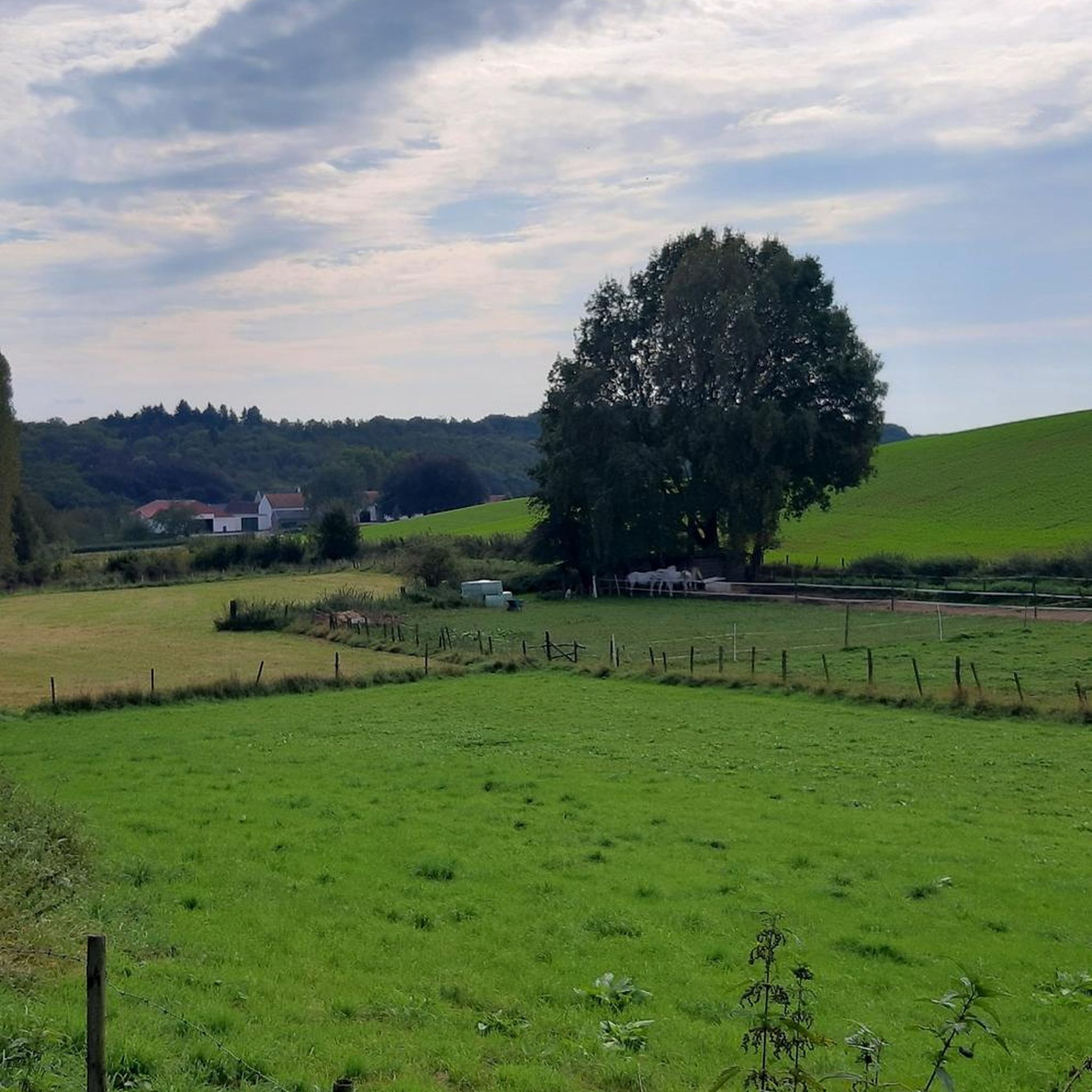
Touring cycling routes around Hirm are set within Burgenland, a region characterized by a diverse topography of hills, forests, and gently undulating terrain. The area, particularly southern Burgenland where Hirm is located, features a harmonious interplay of varied landscapes. This provides cyclists with changes in scenery and elevation, ranging from flatter sections to more challenging hilly areas. The region benefits from a mild Pannonian climate, which extends the cycling season.
Best touring cycling routes around Hirm
- The most popular touring…
Last updated: November 19, 2026
5.0
(2)
11
riders
32.8km
02:11
410m
410m
Moderate bike ride. Good fitness required. Mostly paved surfaces.
5.0
(1)
8
riders
27.2km
01:46
240m
240m
Moderate bike ride. Good fitness required. Mostly paved surfaces.

5.0
(3)
9
riders
Easy bike ride. Mostly paved surfaces.
7
riders
12.3km
00:42
50m
50m
Easy bike ride. Mostly paved surfaces.
5.0
(1)
6
riders
39.1km
02:26
270m
270m
Moderate bike ride. Good fitness required. Mostly paved surfaces.
Get access to more routes and recommendations from other explorers.
Already have an account?
Our route recommendations are based on thousands of hikes, rides, and runs completed by other people on komoot.
Start today with a free account
Your next adventure awaits.
Tips from the Community

The figures on the pedestal of the Plague Column in Mattersburg depict the four plague saints, who were venerated in the Middle Ages as patron saints against devastating epidemics. St. Sebastian is traditionally depicted as a martyr pierced by arrows and is considered one of the most important patron saints against epidemics. Beside him stands St. Roch, usually recognizable by his pilgrim's robe and the plague boil on his thigh, accompanied by his faithful dog, who brings him food. St. Barbara can be recognized by her attributes, such as a tower or a chalice; she protects the dying and preserves from sudden death. Finally, St. Mary Magdalene appears as a penitent saint, often with an ointment jar or a skull, indicating transience. These figures symbolize protection and hope in times of plague-related hardship and are a central part of the artistic design of the Mattersburg Plague Column.
1
0

A church in present-day Antau was first mentioned in 1390. It was elevated to a parish church before 1402. In 1641, a wooden belfry with two bells was added. During the Second Turkish Siege of Vienna, the old church burned down in 1683. Using older masonry, the church was rebuilt in 1809 and 1810. After a fire in 1853, the church was rebuilt in 1854. A church tower was added in 1898. It was restored in 1966. The church was extensively renovated again in 1984 and 2009.
0
0

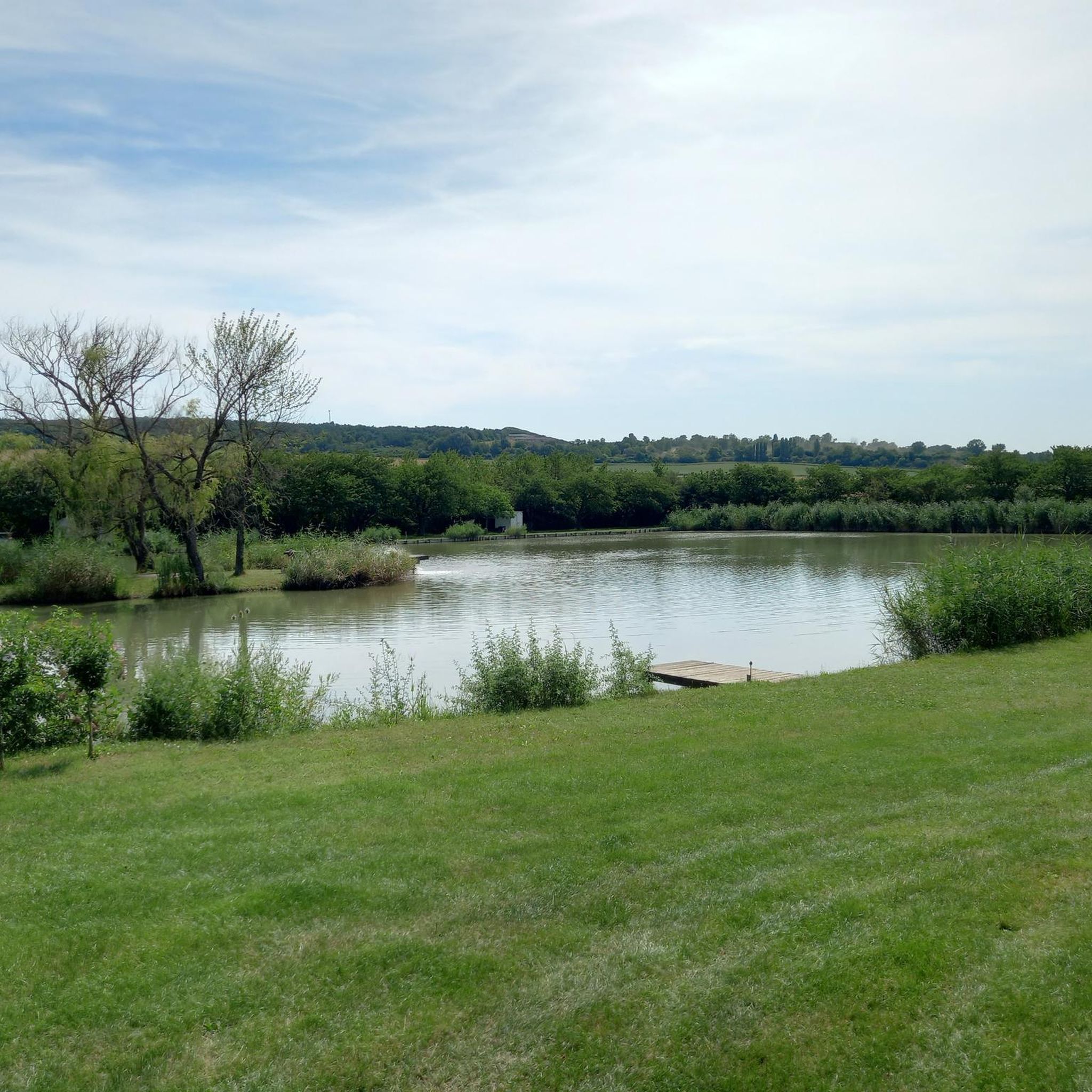
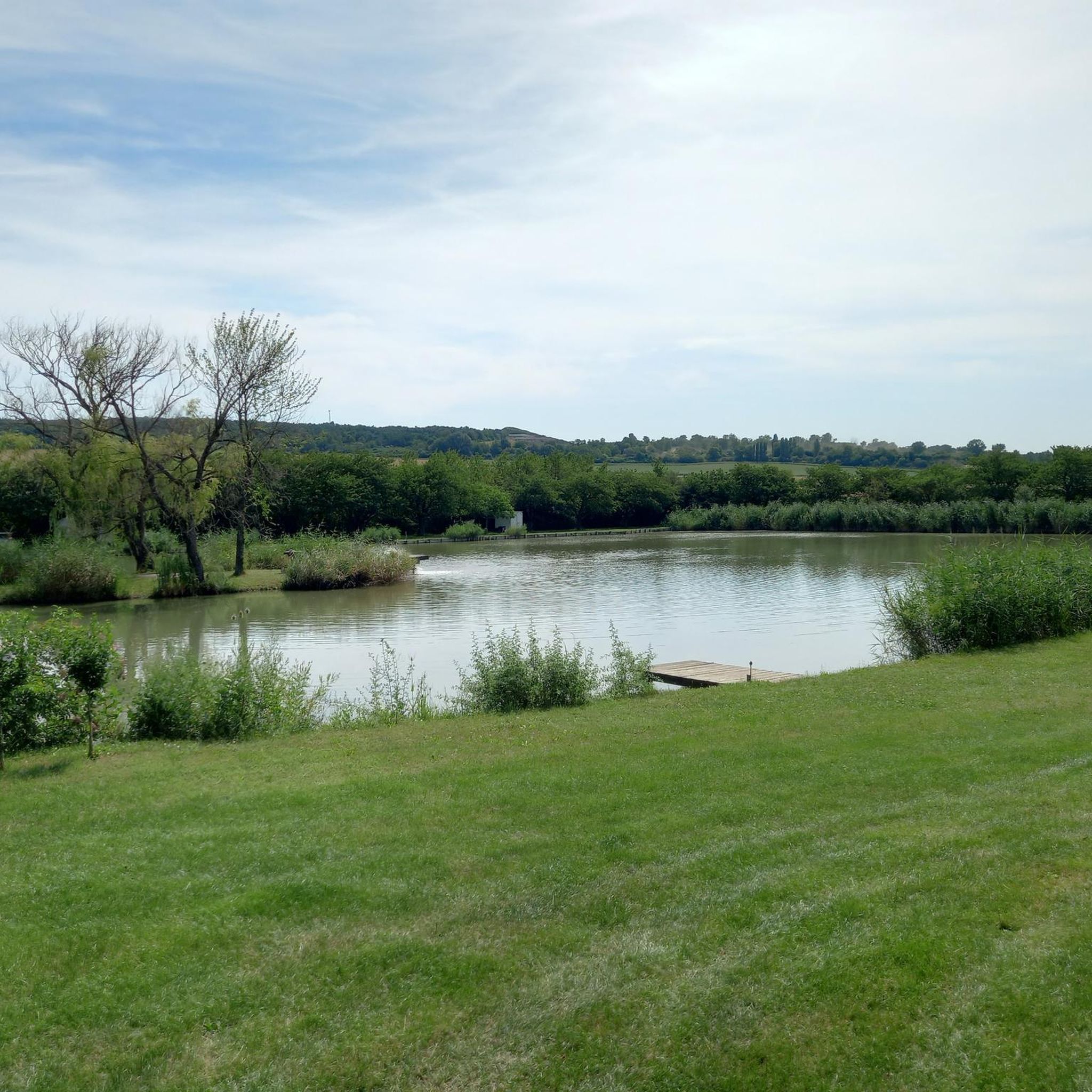
So, a retention basin is not a lake! It's used to collect water masses during floods.
0
0

Pöttsching Sculpture Trail: 18 stone sculptures are in visual contact with each other and guide the viewer along the approximately 4.5 km long path.
0
0
Opposite the Catholic church is the Protestant bell tower. During the Reformation, Walbersdorf was a Protestant stronghold in Burgenland. After the Edict of Toleration in 1781, when Protestant Christians were again allowed to publicly profess their faith, a dispute arose over whether the bells of the Catholic church should be rung at Protestant funerals. It is said that the issue was also about money, as was the possibility of a fee being paid for the ringing. The people of Walbersdorf could not agree. So, in 1800, the Protestants finally built their own bell tower, because no one should embark on their final journey without hearing the sound of the bells. They built it as a small, self-assured symbol directly opposite the local Catholic church. Shortly after its construction, the tower began to lean. Today, it is more crooked than the Tower of Pisa, yet it still doesn't fall over. (https://evang.at/der-schiefe-turm-von-walbersdorf/)
0
0

Since I was last here, modern rest areas and information boards have been built
0
0
When I got closer, I kept searching for the huge lake, but only found a small biotope. An information board and some dams finally provided the information. After a major flood, a correspondingly large retention basin was built.
0
0
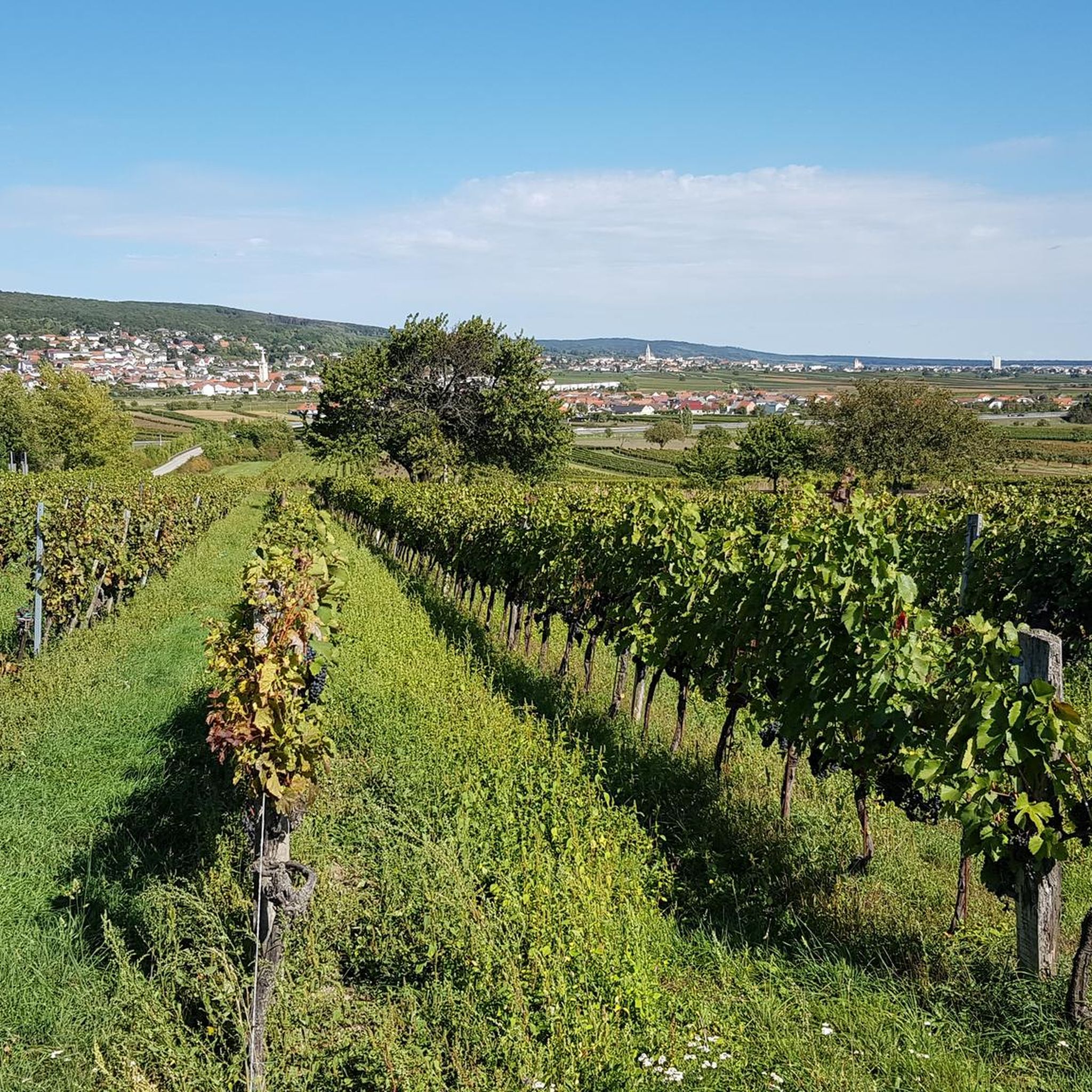
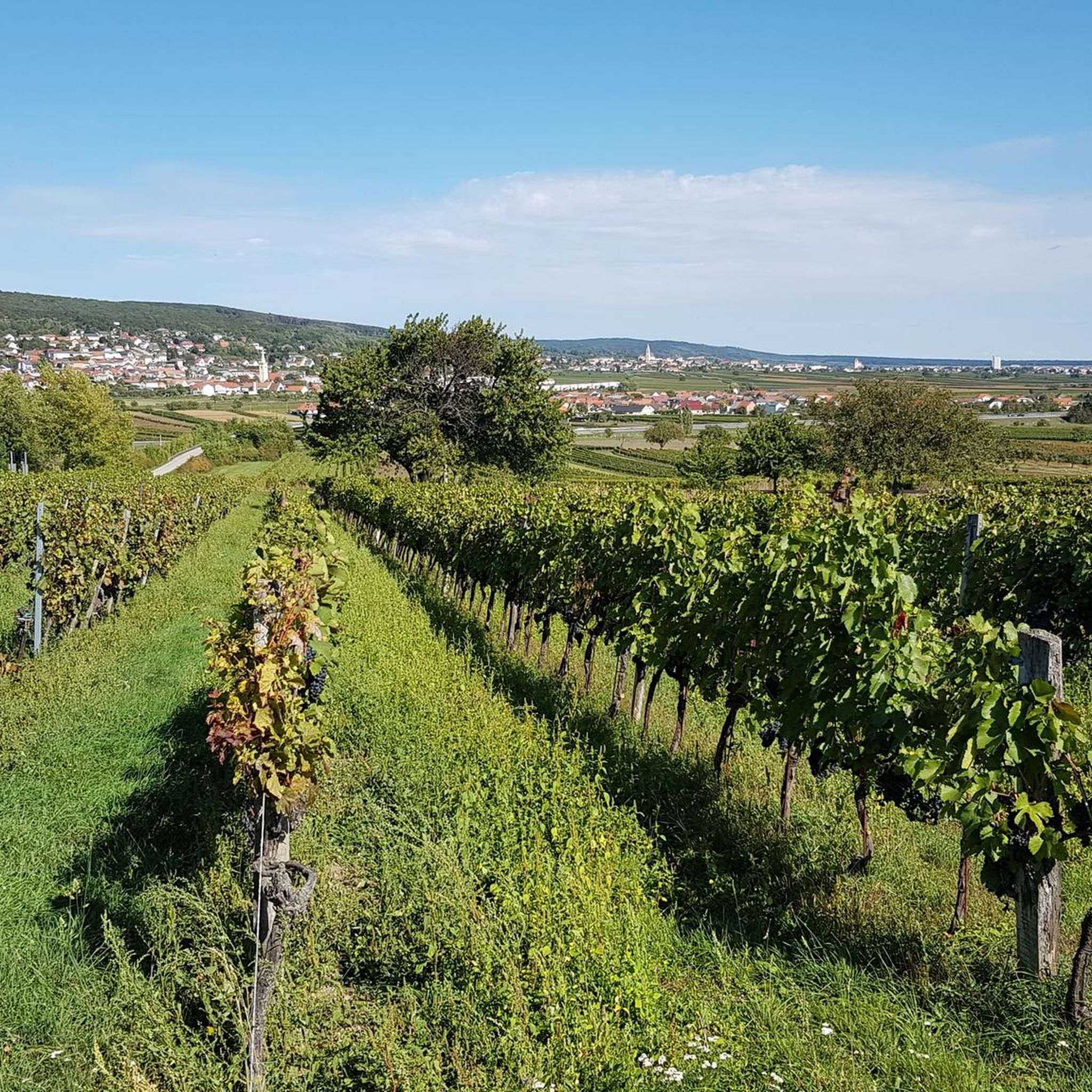
Many of the houses were obviously built in the middle of the 19th century and are surprisingly well preserved and maintained.
1
0
Frequently Asked Questions
How many touring cycling routes are available around Hirm?
There are 15 touring cycling routes around Hirm listed on komoot, offering a variety of experiences for different skill levels. These include 5 easy routes and 10 moderate routes, ensuring options for both relaxed rides and more challenging tours.
What is the best time of year for touring cycling in Hirm?
Hirm benefits from a mild Pannonian climate with around 300 days of sunshine annually. This extends the cycling season significantly, making it enjoyable almost year-round. You can typically enjoy rides from March well into late October.
Are there any family-friendly touring cycling routes in Hirm?
Yes, Hirm offers several easy routes suitable for families. For instance, the Black Cattle Pasture – Chapel in Wulkaprodersdorf loop from Hirm is an easy 12.3 km ride with minimal elevation, perfect for a relaxed family outing. The region's extensive cycle path network also includes routes like the Lake Neusiedl Cycle Path, which is known for being family-friendly, though it's not directly in Hirm.
What kind of landscapes can I expect on touring cycling routes around Hirm?
The touring cycling routes around Hirm are set within Burgenland, characterized by a diverse topography. You'll encounter a harmonious interplay of hills and forests, with landscapes ranging from flat to gently undulating. Southern Burgenland, where Hirm is located, is particularly noted for its hilly sections, offering varied scenery and terrain changes.
Are there any long-distance cycling paths accessible from Hirm?
While Hirm itself offers various local loops, Burgenland boasts over 3,300 km of well-developed cycle paths. Notable long-distance options in the wider region include the renowned Lake Neusiedl Cycle Path (B10 Neusiedler See-Radweg) and the Rosalia Bike Trail (R32 Rosalia-Radwanderweg), which presents a charming circuit through a gently hilly region.
What do other touring cyclists enjoy most about cycling in Hirm?
The area is highly rated by the komoot community, with an average score of 4.5 stars from over 700 reviews. Touring cyclists often praise the diverse topography, which offers a refreshing change of scenery, and the well-maintained paths that cater to various fitness levels.
What landmarks or viewpoints can I see along the cycling routes near Hirm?
Several routes offer scenic views and pass by interesting landmarks. For example, the View of Forchtenstein Castle – Forchtenstein Castle loop from Hirm provides stunning vistas of Forchtenstein Castle. Other nearby attractions include the Bad Sauerbrunn Observation Tower and the Jubilee Tower Gloriette Hill, both offering panoramic views.
Are there any circular touring cycling routes starting from Hirm?
Yes, many of the touring cycling routes around Hirm are designed as loops, allowing you to start and end in the same location. Examples include the Chapel in Wulkaprodersdorf – Antau Church loop from Hirm and the Forest Path Near Mattersburg – Village shop, village café 🥐☕️ loop from Hirm, both offering convenient circular journeys.
Are there options for more advanced touring cyclists seeking a challenge?
While Hirm itself features moderate routes, the wider Burgenland region, particularly southern Burgenland, is known for its hilly terrain. The Rosalia Bike Trail, for instance, includes challenging steep sections around Wiesen and Forchtenstein, rewarding cyclists with wonderful views and a good workout.
What are some points of interest or natural monuments to explore near Hirm?
Beyond the cycling routes, you can explore various points of interest. These include the Schusterkreuz Memorial Rest Area, the Wetterkreuz on Wurthberg, and the Late Bronze Age Burial Mounds of Siegendorf-Schuschenwald. For natural beauty, the Obelisk Pond in Eisenstadt Palace Park and Neufelder See are also nearby.
Are there cafes or accommodations available near the cycling routes in Hirm?
Yes, the region is well-equipped for cycling tourism. You'll find bike-friendly accommodations and restaurants throughout Burgenland, including near Hirm. For example, the Forest Path Near Mattersburg loop specifically mentions a village shop and café, indicating local amenities are available.
What is the typical elevation gain on touring cycling routes around Hirm?
The elevation gain varies depending on the route's difficulty. Easy routes like the Black Cattle Pasture loop have minimal elevation changes, around 50 meters. Moderate routes, such as the Weinwirtshaus Klingenbach loop, can feature ascents of over 330 meters, offering more undulating terrain.
Most popular attractions around Hirm

Get inspired with the komoot mobile app


Explore more
Browse the best Cycling routes in other regions.
