Attractions and Places To See around Ilbesheim - Top 20
Best attractions and places to see around Ilbesheim include a variety of sites blending natural beauty, historical significance, and recreational opportunities. Located in the Southern Wine Route region of Germany, Ilbesheim is surrounded by vineyards and the Palatinate Forest. The area features prominent natural landmarks like the Kleine Kalmit hill and offers numerous hiking and cycling trails. Historic villages, castles, and unique cultural sites reflect the region's rich heritage.
Best attractions and places to see around Ilbesheim
- The most popular…
Last updated: May 11, 2026
Flonheim Trullo
Highlight • Monument
Translated by Google •
Tip by

Cuckoo Tower, Bornheim
Highlight • Viewpoint
Marcel Bellermann, Patrick Dingel, Maximillian Giess, Holger Hoferichter, David Maldinger,
Rupert Rodenträger, Markus Schmitt and Cristian Tomaiuolo.
Georg Arnold and Wolfgang Schäfer were in charge.
Translated by Google •
Tip by

Sign up now to discover places like this
Get recommendations on the best single tracks, peaks, & plenty of other exciting outdoor places.
Sign up for free
Lonsheim Tower
Highlight • Monument
Translated by Google •
Tip by

Hauck's Quarries
Highlight • Structure
Translated by Google •
Tip by

Pfrimm Valley Viaduct
Highlight • Monument
This route ends now in Kirchheimbolanden, because shortly before the end of WW2 the bridge near Marnheim was …
Translated by Google •
Tip by

Sign up for free to discover even more attractions around Ilbesheim.
Sign up for free
Already have an account?
Start today with a free account
Your next adventure awaits.
Login or Signup

Tips from the Community

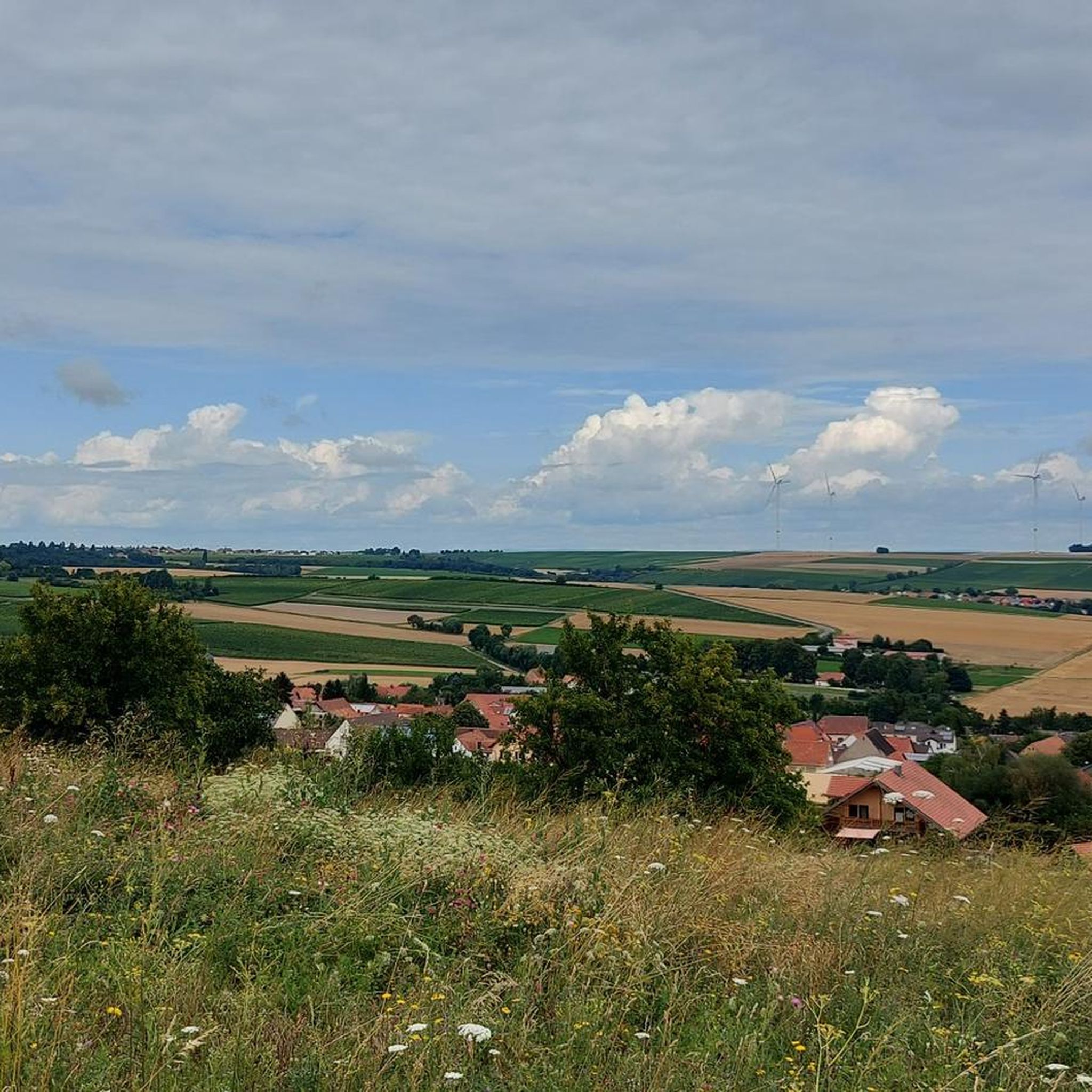
Nature is taking back bit by bit!
1
0


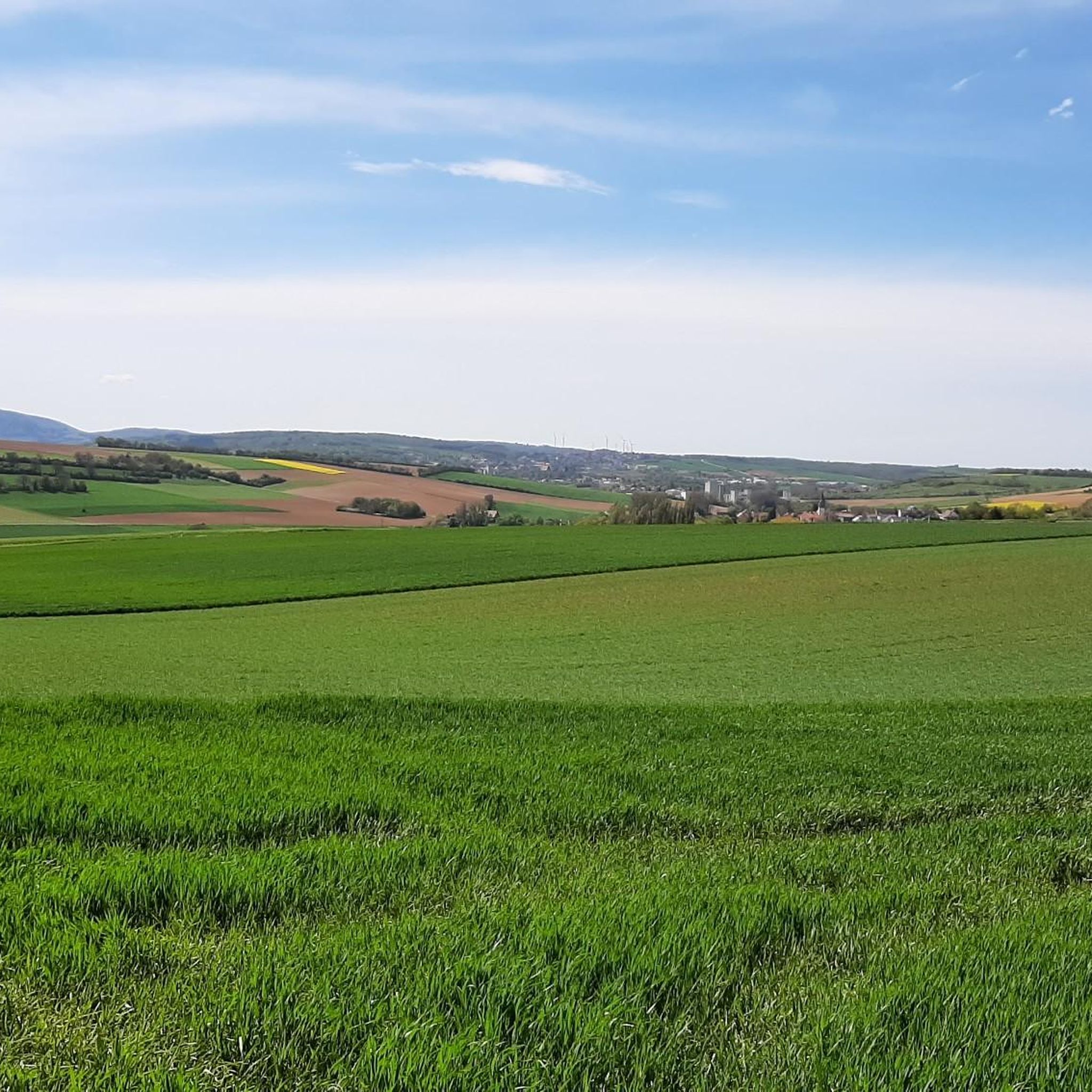
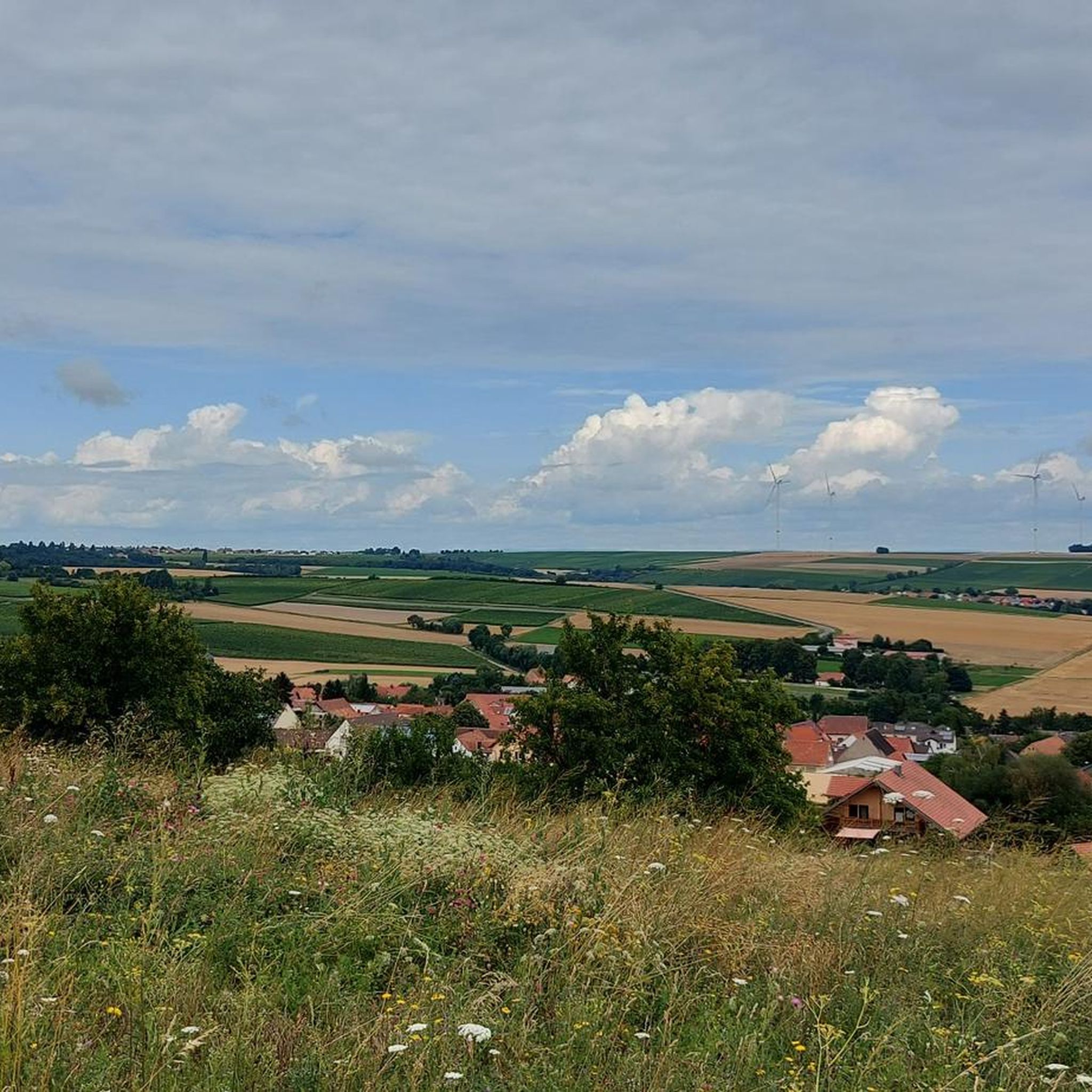
View over Rheinhessen to the Rhine Gorge
1
0

The observation tower on the Hemm! As a landmark that can be seen from afar, the tower stands on the Hemm in the Lonsheim Forest and is firmly rooted in the consciousness of the citizens of Lonsheim. From the top of the tower you have a wonderful view of the Rhenish-Hessian hill country. When the weather is good, you can let your gaze wander from the Odenwald in the east, over the northern Taunus to the western Hunsrück. If you turn your gaze to the south, the Donnersberg is right at your feet. It is also possible, with a little time and patience, to locate and identify up to 20 different locations. The field name "Auf der Hemm" is one of the oldest field names in Lonsheim.
5
0
The Hauck'sche quarry is one of 16 sandstone quarries in the Flonheim area. The emergence of the Flonheim sandstone goes back to the time of the "Rotliegend" approx. 290 million years ago. The light yellow color, partly interspersed with dark brown and black iron rinds (limonite), gives the Flonheim sandstone its unique appearance. The Flonheim sandstone was already quarried by the Romans and probably used for country houses, temples and tombstones. Excavations at the former Roman fort in Alzey bear witness to this. Over the centuries, the sandstone was used for numerous buildings in Flonheim, e.g. for the former Augustinian monastery, the defensive wall and the historic town hall. However, the Flonheimer sandstone was not only a popular building material in Flonheim, but throughout the entire region. The stonemason trade reached its peak in the 17th and 18th centuries. You can still admire this today in the magnificent baroque inns and town houses with their unique door portals. The evangelical market church and the bear pharmacy bear witness to a second boom in the sandstone industry around the turn of the century (1900). Flonheim sandstone was also used in the construction of Cologne Cathedral in the 19th century.
5
0
The Flonheimer Trullo is a round house that was built as a shelter in the vineyard. Today a landmark of the region, the Flonheim trullo was probably built in 1756 by Apulian guest workers. Right next to the trullo, tables and benches invite you to have a relaxing picnic. You can discover various local grape varieties on the attached wine trail.
6
0

There is also a wine bar at the cuckoo tower in Bornheim: From April to October, the Bornheim winegrowers serve wine at the cuckoo tower every 4th weekend of the month. Small snacks, soft drinks and wines from the local winegrowers are served on these weekends. opening hours Saturdays from 11 a.m. to 8 p.m Sundays from 11 a.m. to 5 p.m
3
1

A piece of Italy in Germany and a nice rest area with a view. Outside there is also the option of taking a seat on one of the picnic benches (with tables).
4
0
Frequently Asked Questions
What natural landmarks and viewpoints can I explore near Ilbesheim?
Ilbesheim is surrounded by natural beauty. You can visit Kleine Kalmit, a prominent hill offering panoramic views of the vineyards and the Palatinate Forest. It's also a nature reserve with diverse flora and fauna. Another serene spot is the Orensfels Viewpoint, known for its fantastic vistas. Additionally, the Cuckoo Tower, Bornheim and Lonsheim Tower both serve as excellent viewing platforms, providing wide-ranging views over the Rhenish-Hessian hills and beyond.
Are there any historical sites or cultural attractions in and around Ilbesheim?
Yes, the region boasts several historical and cultural sites. The Ilbesheim Village Center itself features traditional winemaker houses and a historic Rathaus. The Baroque Evangelical Church, built on the site of a 14th-century pilgrimage church, is a cultural monument. Nearby, you can explore unique man-made monuments like the Flonheim Trullo, a rare Italian-style vineyard cottage, and the impressive Pfrimm Valley Viaduct, a historical railway bridge. The Hauck's Quarries also offer a glimpse into the region's ancient sandstone mining history.
What kind of outdoor activities can I do near Ilbesheim?
The area around Ilbesheim is perfect for outdoor enthusiasts. You can enjoy extensive hiking and cycling through the vineyards and the nearby Palatinate Forest. For specific routes, consider exploring the various options available in the region. You can find detailed cycling tours on the Cycling around Ilbesheim guide, and numerous hiking trails on the Hiking around Ilbesheim guide.
Are there family-friendly attractions or activities in Ilbesheim?
Absolutely! Ilbesheim is home to one of the largest Alla Hopp! facilities, an 18,500 square meter park with 27 stations for challenges and relaxation, including creative play areas like a jungle labyrinth and sand/mud play for children. Many viewpoints, such as the Cuckoo Tower, Bornheim and the Pfrimm Valley Viaduct, are also considered family-friendly, offering accessible spots for all ages to enjoy the scenery.
What are some notable castles or ruins to visit near Ilbesheim?
Several historic castles are within easy reach. Trifels Castle is a significant Salian-Hohenstaufen site with panoramic views over the Palatinate Forest. Landeck Castle, an impressive ruin, offers great views over the Rhine Valley and even has a restaurant. Madenburg Castle is another notable historical site about 4 km away. While Neuscharfeneck Castle Ruins are currently closed, the other castles provide rich historical insights and scenic beauty.
Where can I find unique geological features or historical quarries?
The Hauck's Quarries near Flonheim are an impressive site, showcasing the region's ancient sandstone quarries. These quarries date back 290 million years and were used by Romans, providing a unique insight into geological history and past craftsmanship. Nature is gradually reclaiming these historical sites, making for an interesting visit.
What is the best time to visit Ilbesheim for outdoor activities?
The region around Ilbesheim, with its vineyards and the Palatinate Forest, is beautiful throughout the warmer months. Spring and autumn are particularly pleasant for hiking and cycling, offering mild temperatures and stunning scenery, from blooming orchards to vibrant fall foliage. The 'Kalmitwingert' vineyard on Kleine Kalmit is especially picturesque, recognized for its beauty in 2020.
Are there any specific wine-related attractions or activities?
Ilbesheim is nestled in the Southern Wine Route region, so wine is central to its identity. The historic 'Kalmitwingert' vineyard on Kleine Kalmit showcases 19 different vine training methods. You can also enjoy wine tasting at local vintners throughout the area. The numerous Wein- and Radwege (wine and cycling paths) offer opportunities to explore the vineyards and enjoy the local wine culture.
What do visitors particularly enjoy about the attractions near Ilbesheim?
Visitors frequently praise the magnificent views from various points, such as the Flonheim Trullo and the Lonsheim Tower, which offer panoramic vistas over the surrounding landscapes and hills. The historical significance of sites like the Hauck's Quarries and the impressive architecture of the Pfrimm Valley Viaduct are also highly appreciated. Many enjoy the peaceful atmosphere and the opportunity to rest and take in the scenery.
Can I find running trails near Ilbesheim's attractions?
Yes, there are several running trails in the vicinity that allow you to combine exercise with sightseeing. You can find a variety of routes, including moderate and difficult options, that pass through scenic areas. For detailed information and route suggestions, refer to the Running Trails around Ilbesheim guide.
Is there a museum nearby that offers a unique experience?
Yes, in the nearby village of Leinsweiler, you can visit the unique Corkscrew Museum. Housed in an old cellar vault dating back to 1722, it features a private collection of rare corkscrews from Germany and abroad, offering a quirky and interesting cultural experience.
Most popular routes around Ilbesheim
Most popular attractions around Ilbesheim

Get inspired with the komoot mobile app


Explore more
Still not found the Highlight you’re looking for? See guides of the top attractions in other regions:
