Top 20 Castles around Obermoschel
Castles around Obermoschel are situated in a region characterized by its mountainous landscapes and historical significance. The area features numerous castle ruins, often perched on hillsides, offering insights into centuries of regional history. These sites provide scenic views of the surrounding terrain and serve as landmarks within the natural environment. Obermoschel's historical context is deeply tied to these ancient fortifications.
Best castles around Obermoschel
- The most popular castles is Rheingrafenstein Castle Ruins, a castle that offers panoramic views down…
Last updated: July 6, 2026
Rheingrafenstein Castle Ruins
Highlight • Castle
Enjoy the nature!
Translated by Google •
Tip by

Altenbaumburg Castle Ruins
Highlight • Castle
Translated by Google •
Tip by
Sign up now to discover places like this
Get recommendations on the best single tracks, peaks, & plenty of other exciting outdoor places.
Sign up for free
Rheingrafenstein Castle
Highlight • Castle
(Incidentally, the position is correct ...)
Translated by Google •
Tip by

Evangelical Castle Church, Meisenheim
Highlight • Religious Site
Translated by Google •
Tip by

Montfort Castle Ruins
Highlight • Castle
Translated by Google •
Tip by

Sign up for free to discover even more castles around Obermoschel.
Sign up for free
Already have an account?
Start today with a free account
Your next adventure awaits.
Login or Signup
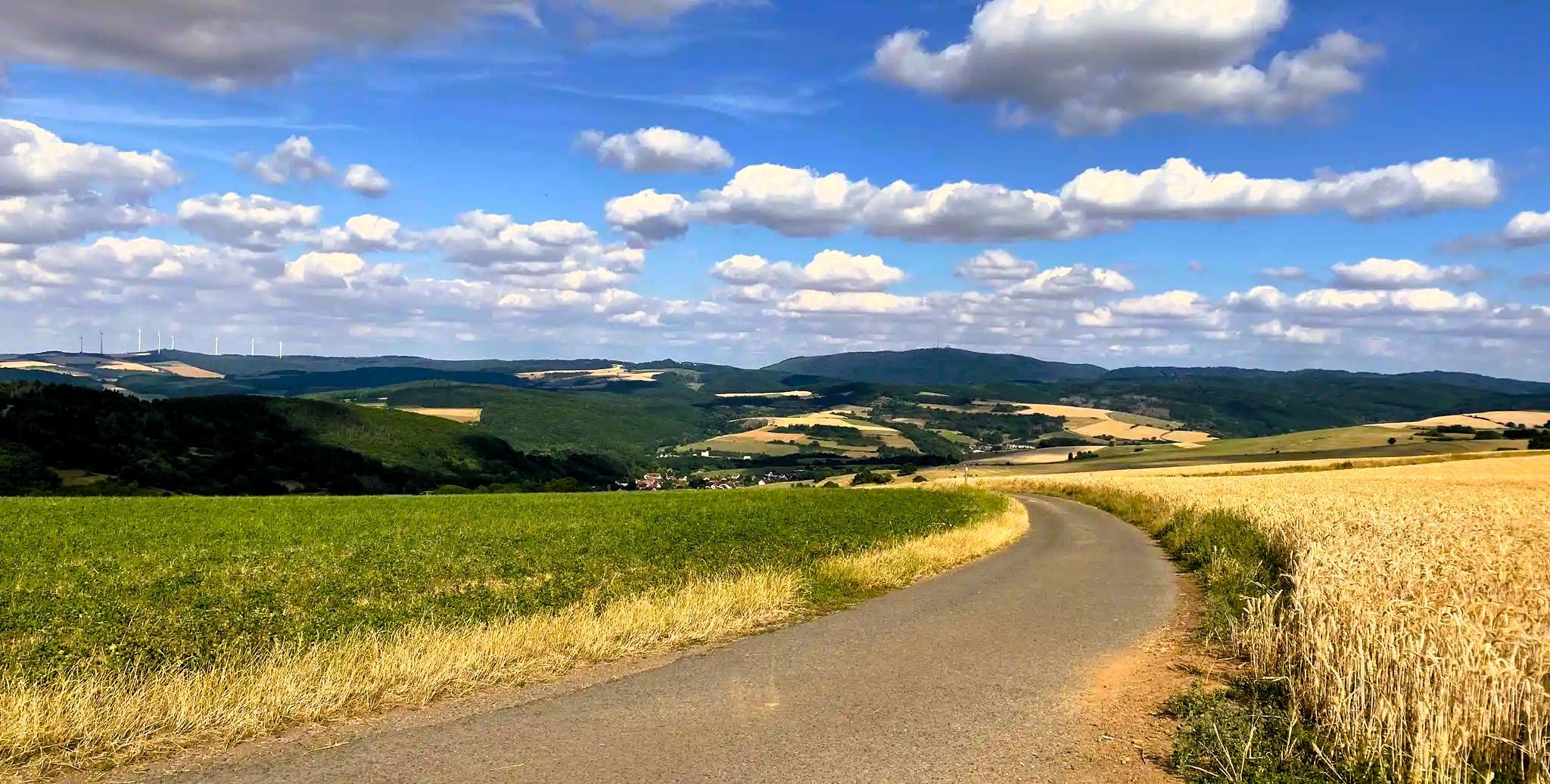
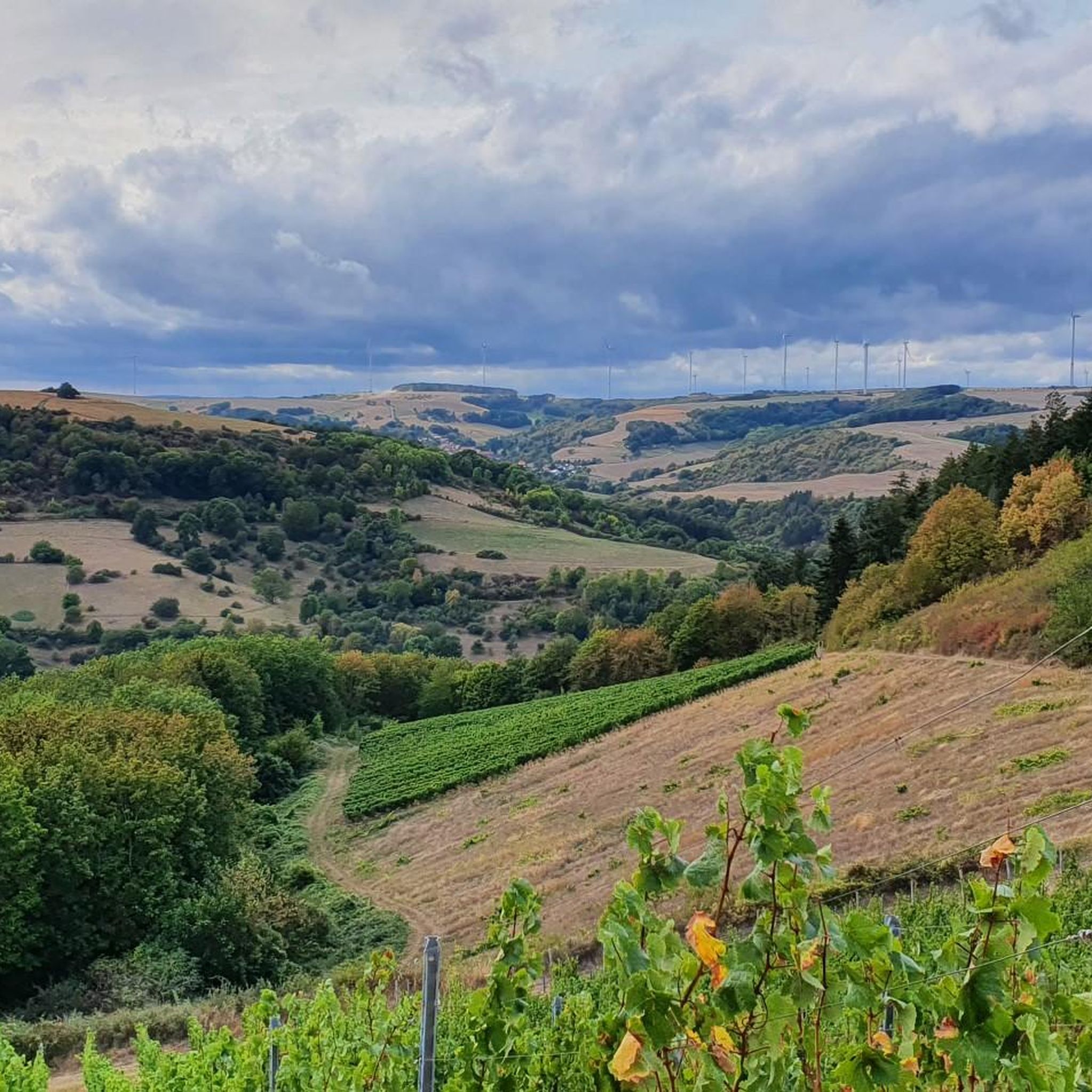
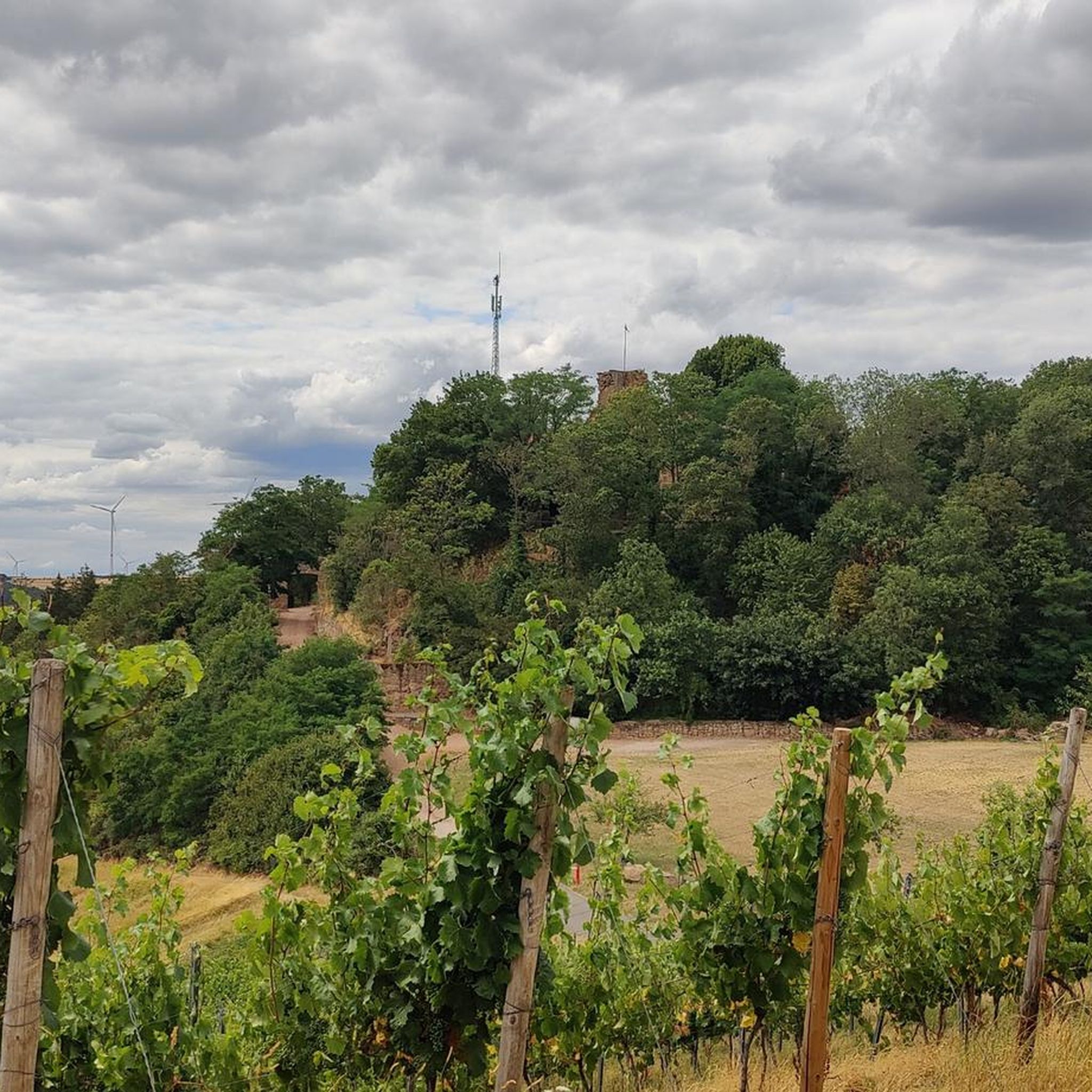
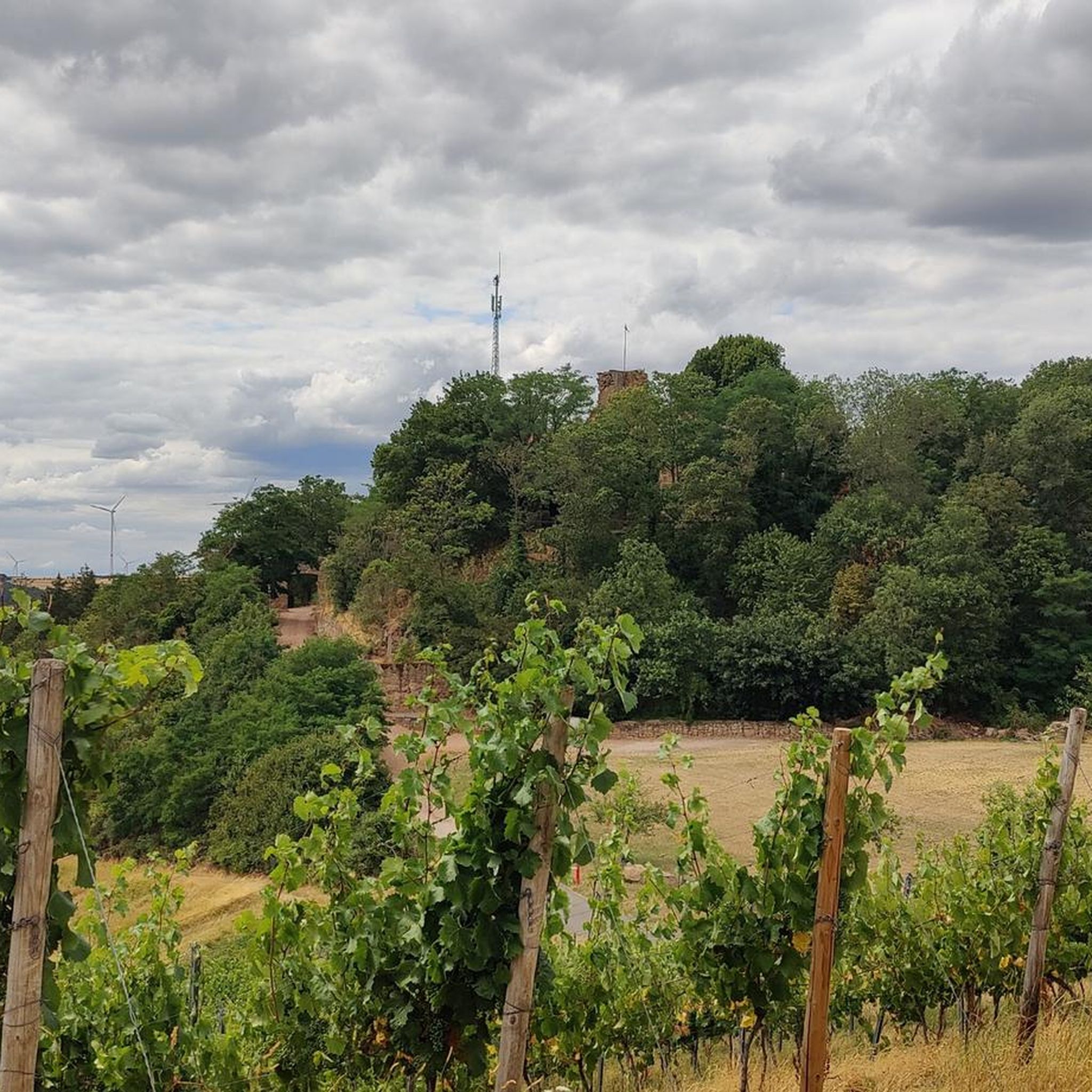
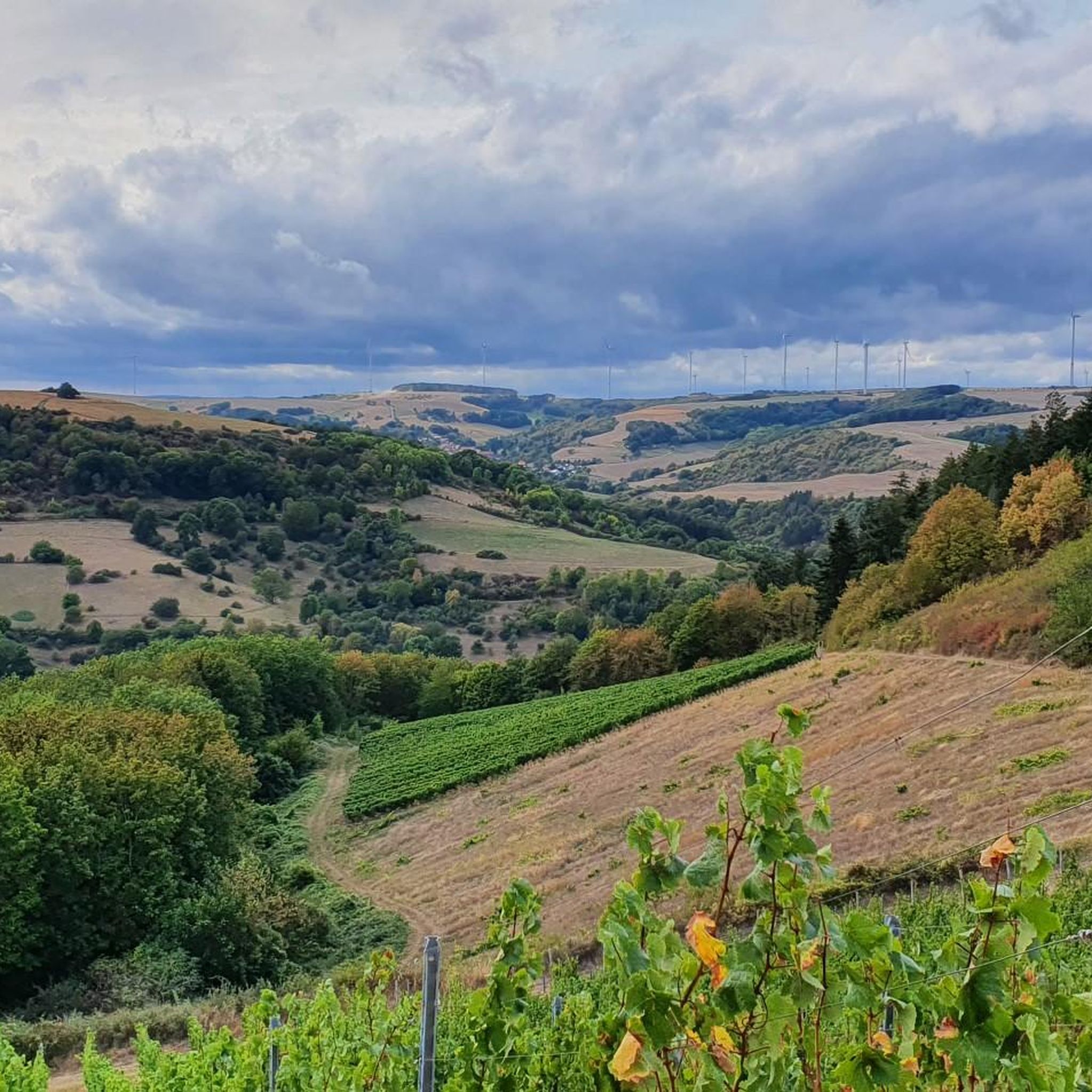
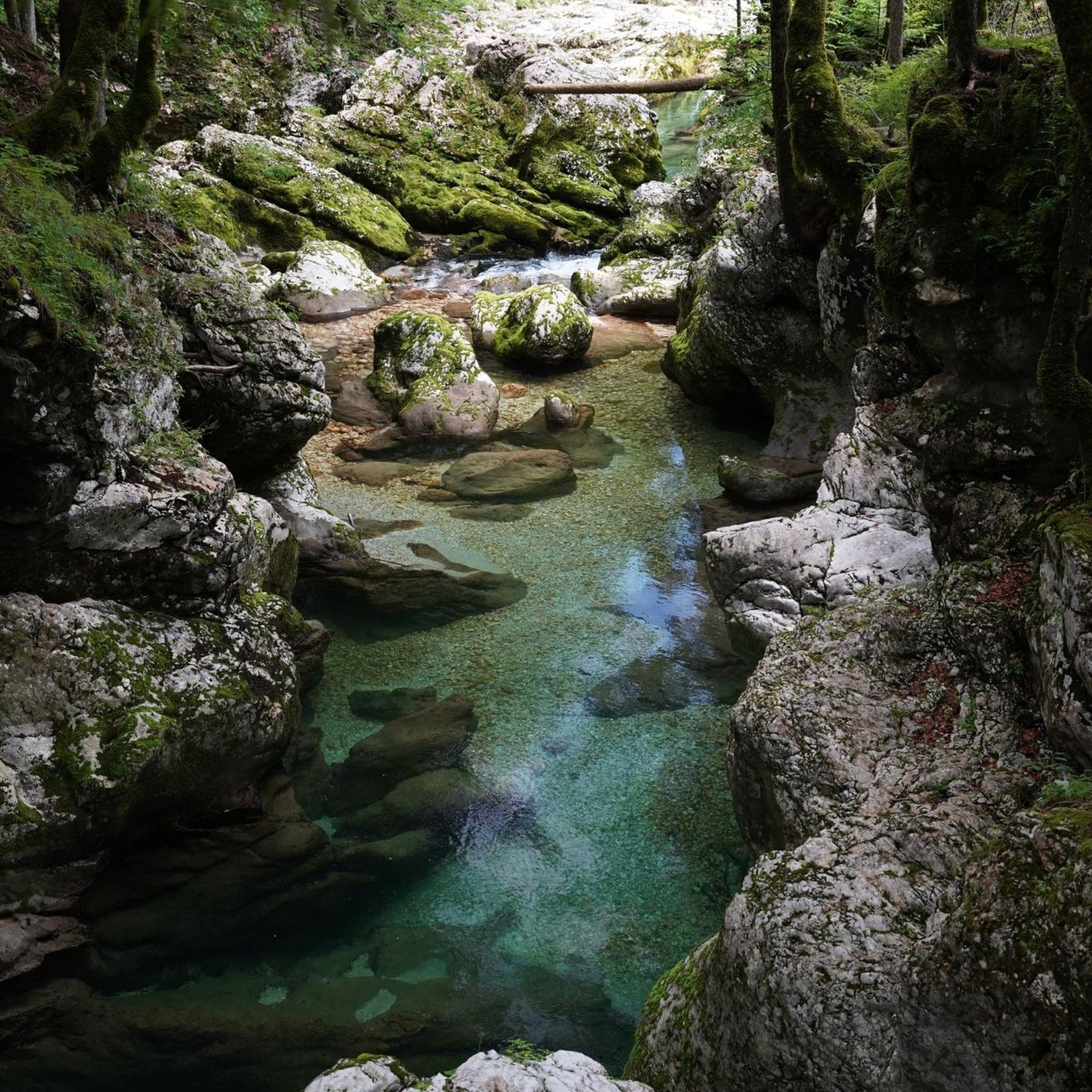
Other adventures around Obermoschel

Tips from the Community

Nice rest stop, delicious food and drinks. Open only on Sundays and public holidays.🍻🍔🍰☕️
2
1

The Rheingrafenstein castle estate was built in the 18th century. For many years it was not open to the public. When the castle was purchased, the furniture was also included. Simone Schwalbach and Janine Karolus keep finding beautiful finds. (Photo: SWR) When the castle was purchased, the furniture was also included. Simone Schwalbach and Janine Karolus keep finding beautiful finds.Simone Schwalbach and Janine Karolus now want to change that: in small steps they want to fill the property with life again and open a restaurant at some point. Source: SWR3
3
1
The Rheingrafenstein castle estate was built in the 18th century. For many years it was not open to the public. When the castle was purchased, the furniture was also included. Simone Schwalbach and Janine Karolus keep finding beautiful finds. (Photo: SWR) When the castle was purchased, the furniture was also included. Simone Schwalbach and Janine Karolus keep finding beautiful finds. Simone Schwalbach and Janine Karolus now want to change that: in small steps they want to fill the property with life again and open a restaurant at some point. Source: SWR3
4
0

The castle is already pretty run down. Not really worth it unless you want to enjoy morbid charm.
1
0

In addition to the ruins, there is also a castle. Unfortunately, it's pretty much in decline, but at least you can see how big the castle used to be. Some of the rooms are still used today.
1
0

The landmark of the town of Meisenheim am Glan is the Evangelical Castle Church on the Castle Square, one of the most important late Gothic buildings on the left bank of the Rhine. In contrast to many churches on the left bank of the Rhine, the Castle Church has been mercifully protected from major damage for centuries. The Evangelical Castle Church, together with the Herzog-Wolfgang-Haus, is the only remaining part of the former castle in Meisenheim. The cornerstone of the church building was laid in 1479 and construction was completed in 1504. http://www.stadt-meisenheim.de/historie/evangelische-schlosskirche/
3
0

The building appears to be in private use and exudes a morbid charm. There's not much to see anyway.
1
0
The landmark of the town of Meisenheim am Glan is the Evangelical Castle Church on the Castle Square, one of the most important late Gothic buildings on the left bank of the Rhine. In contrast to many churches on the left bank of the Rhine, the Castle Church has been mercifully protected from major damage for centuries. Brief information – Evangelical Castle Church Foundation stone laid in 1479 – construction completed in 1504 Builder: Philipp von Gmünd Organ by the Stumm brothers from the 18th century Rococo pulpit from the Meisenheim Schmidt workshop Source: http://www.stadt-meisenheim.de/historie/evangelische-schlosskirche/
3
0
Frequently Asked Questions
What are some notable castles to visit around Obermoschel?
Beyond the prominent Moschellandsburg, you can explore the Rheingrafenstein Castle Ruins, known for its natural keep and panoramic views. Another excellent choice is Altenbaumburg Castle Ruins, which offers great views and hospitality. The Montfort Castle Ruins, located on a knoll in a forest, is also freely accessible and historically significant.
What makes Moschellandsburg a significant castle in the region?
The Moschellandsburg, also known as Landsberg Castle, is a historically rich ruined hillside castle overlooking Obermoschel. It features an imposing bergfried (main tower) and remnants of a mighty shield wall from the 12th/13th centuries. It underwent significant expansion into a Renaissance palace in the 16th century and has a turbulent past, including destruction during the War of the Palatine Succession. Today, it offers a tangible link to centuries of regional history and panoramic views.
Are there family-friendly castles around Obermoschel?
Yes, several castles are suitable for families. The Moschellandsburg is considered an exciting destination, especially for families with children, and hosts an annual medieval market. The Montfort Castle Ruins are also noted as family-friendly, offering a chance to explore history in a forest setting. Additionally, the Evangelical Castle Church in Meisenheim, which has castle elements, is also marked as family-friendly.
What kind of historical structures can I expect to see at these castles?
The castles around Obermoschel primarily consist of ruins, offering insights into medieval and Renaissance architecture. You can expect to see remnants of defensive structures like shield walls and towers (such as the bergfried at Moschellandsburg), as well as foundations of residential halls, gate towers, and enclosing walls. Many are hilltop castles, providing a sense of their strategic importance.
What outdoor activities can I do near the castles?
The region around Obermoschel offers a variety of outdoor activities. You can find numerous MTB trails, running trails, and cycling routes. For example, there are MTB routes like the 'Löwenstein Castle Ruins – Moschellandsburg Ruins loop' and running trails offering views of the Rotenfels Cliff. Many trails lead directly to or past the castle ruins.
Are there hiking trails around the castles?
Yes, the mountainous landscape around Obermoschel is ideal for hiking. Many trails lead directly to the castle ruins. For instance, the Altenbaumburg Castle Ruins are accessible via various trails, including the 'Eagle Owl Trail' nearby. You can find more hiking options by exploring the running and walking guides for the area.
What are the best times to visit the castles around Obermoschel?
The castles are generally accessible year-round. Spring and autumn offer pleasant temperatures for exploring the ruins and surrounding trails, with vibrant foliage or blooming nature. Summer is also popular, especially for events like the medieval market at Moschellandsburg. Even in winter, some castles like Rheingrafenstein can be hiked to, offering a different, serene experience.
Are there any castles with good panoramic views?
Absolutely. The Rheingrafenstein Castle Ruins offer mega panoramic views down into the Huttental and the Nahe Valley. Similarly, the Altenbaumburg Castle Ruins are known for their great views. The Moschellandsburg, perched on a hillside, also provides scenic views of the surrounding mountainous landscapes.
What do visitors enjoy most about the castles around Obermoschel?
Visitors frequently praise the magnificent views, the historical ambiance, and the opportunity for outdoor activities. Many appreciate the well-preserved ruins and the natural beauty of the surroundings. The community has shared over 2400 photos and given more than 1800 upvotes, highlighting the visual appeal and engaging experience these sites offer.
Is there an entrance fee for the castles?
Many of the castle ruins in the region, such as the Montfort Castle Ruins and the Moschellandsburg, can be visited free of charge. They are often open to the public as historical sites within natural landscapes. Specific facilities or events at some sites might have associated costs, but general access to the ruins is typically free.
Can I find food or accommodation near the castles?
Yes, some castles, like the Altenbaumburg Castle Ruins, offer hospitality and good food directly on-site. The town of Obermoschel and surrounding villages also provide various options for cafes, pubs, and accommodation. It's advisable to check local listings for specific dining and lodging choices.
What is the history of Montfort Castle Ruins?
The Montfort Castle Ruins were built around 1240 to monitor a military road. It was named 'von Montfort' in 1247. After a period where its residents were sometimes robber barons, the castle was conquered and destroyed in 1456 by troops from Mainz and the Palatinate. Although there were attempts at reconstruction, it remained largely in ruins for centuries and is now a secured and renovated historical site open to the public.
How accessible is Moschellandsburg?
The Moschellandsburg belongs to the town of Obermoschel and is actively maintained by a support association, ensuring its preservation and continued accessibility for visitors. While it is a hillside castle, efforts are made to keep the ruins open and explorable for the public. For detailed accessibility information, especially for those with mobility challenges, it's recommended to check the local tourism website: rlp-tourismus.com.
Most popular routes around Obermoschel
Most popular attractions around Obermoschel

Get inspired with the komoot mobile app


Explore more
Looking for the best castles somewhere else? Discover other guides around Obermoschel:
