Attractions and Places To See in Kosteröarnas Naturreservat - Top 10
Best attractions and places to see in Kosteröarnas Naturreservat, located within Sweden's Kosterhavet National Park, encompass diverse natural features and cultural sites across its North and South Koster islands. The reserve is characterized by varied landscapes, from barren terrain to lush forests and sandy beaches. It is known for its abundant flora and fauna, including a rich marine environment, and offers numerous viewpoints across the archipelago.
Best attractions and places to see in Kosteröarnas Naturreservat
- The most popular attractions is…
Last updated: July 1, 2026
Brevik Fishing Harbor
Highlight • Structure
Tip by

Strand Trail, Sydkoster
Highlight (Segment) • Trail
Translated by Google •
Tip by

Sign up now to discover places like this
Get recommendations on the best single tracks, peaks, & plenty of other exciting outdoor places.
Sign up for free
Norrvikarna Beach
Highlight • Beach
Tip by
Nordkoster Forest Trail
Highlight (Segment) • Trail
Tip by
Kosters Chapel
Highlight • Religious Site
Translated by Google •
Tip by

Sign up for free to discover even more attractions in Kosteröarnas Naturreservat.
Sign up for free
Already have an account?
Start today with a free account
Your next adventure awaits.
Login or Signup
Tips from the Community

A lovely spot, with drinking water, toilets and a bike hire service available here
0
0

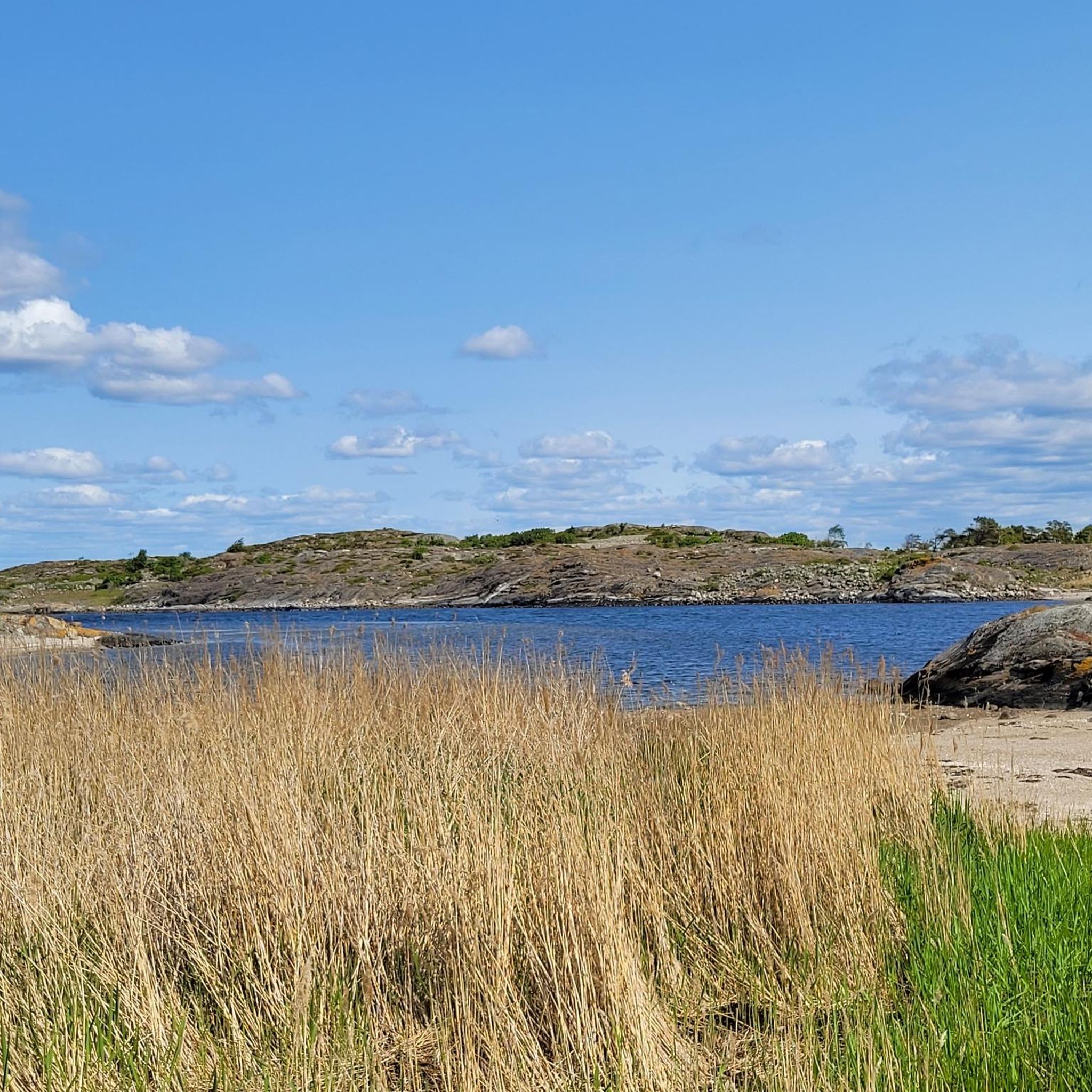
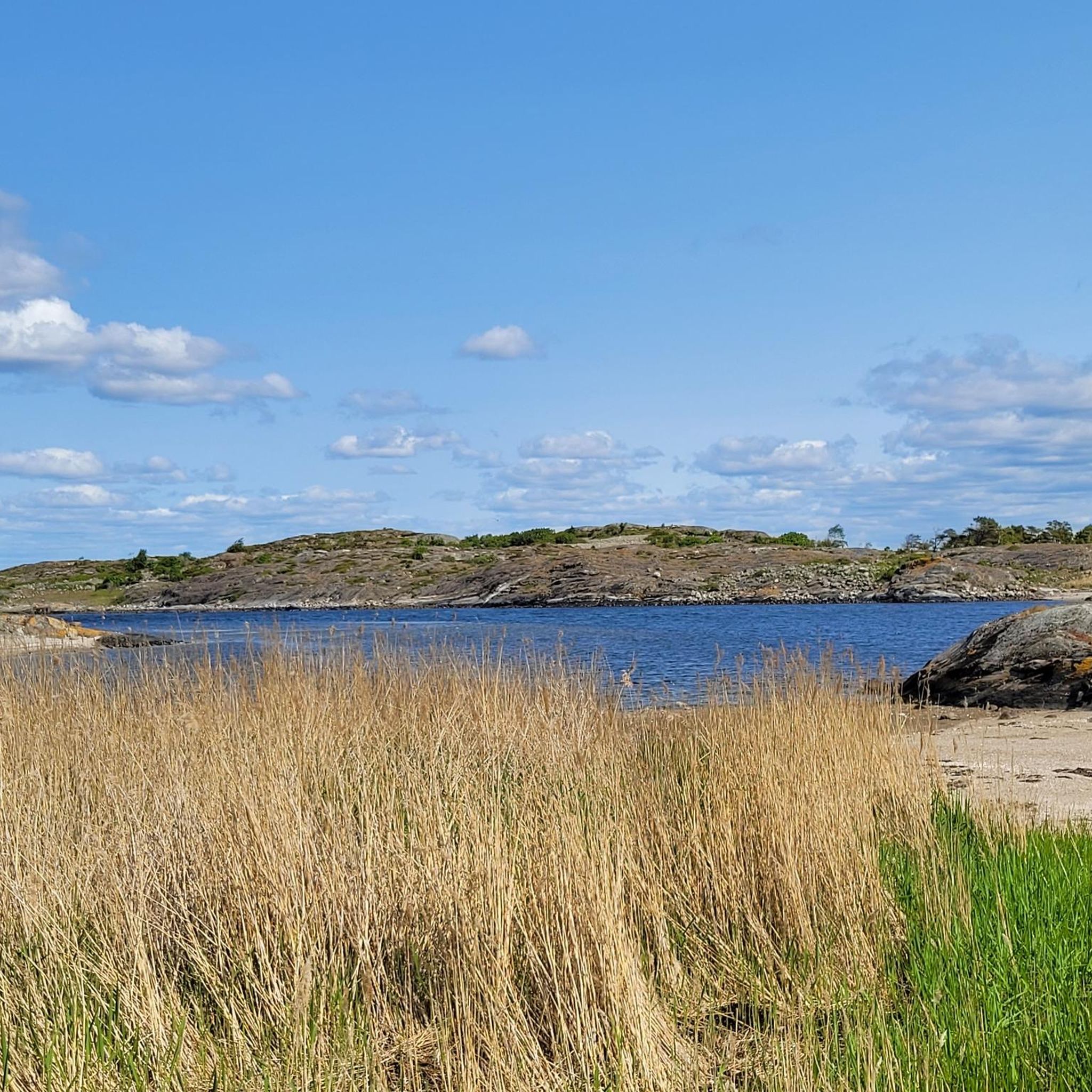
For me, it's one of the most beautiful places on the island. The small, colorful fishermen's huts, the harbor, and, best of all, the sun and wind give you that perfect Swedish feeling.
2
0
Beautiful hiking trail along the coast. Just before the harbor, there's a small rest area with a fire pit and trash cans.
1
0

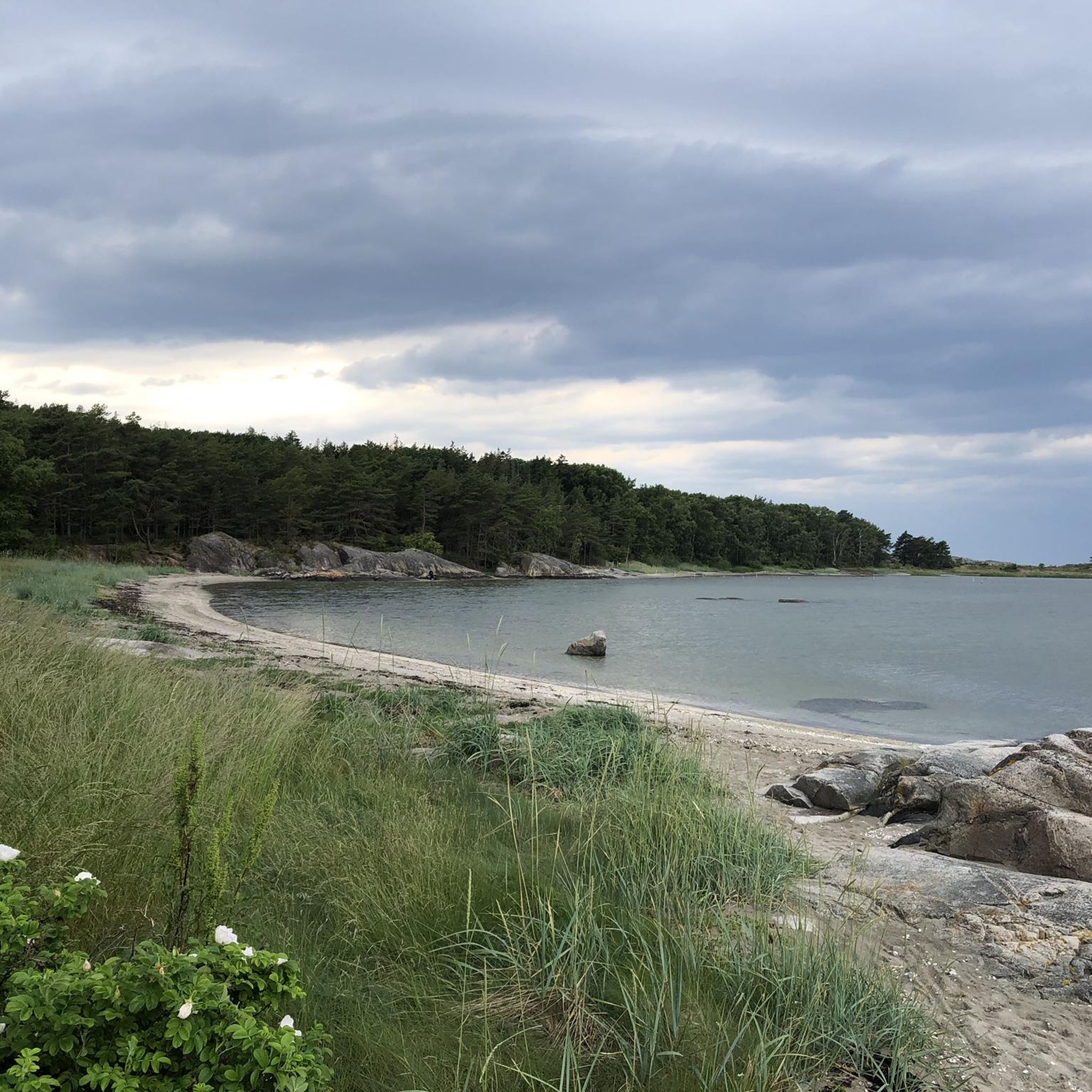
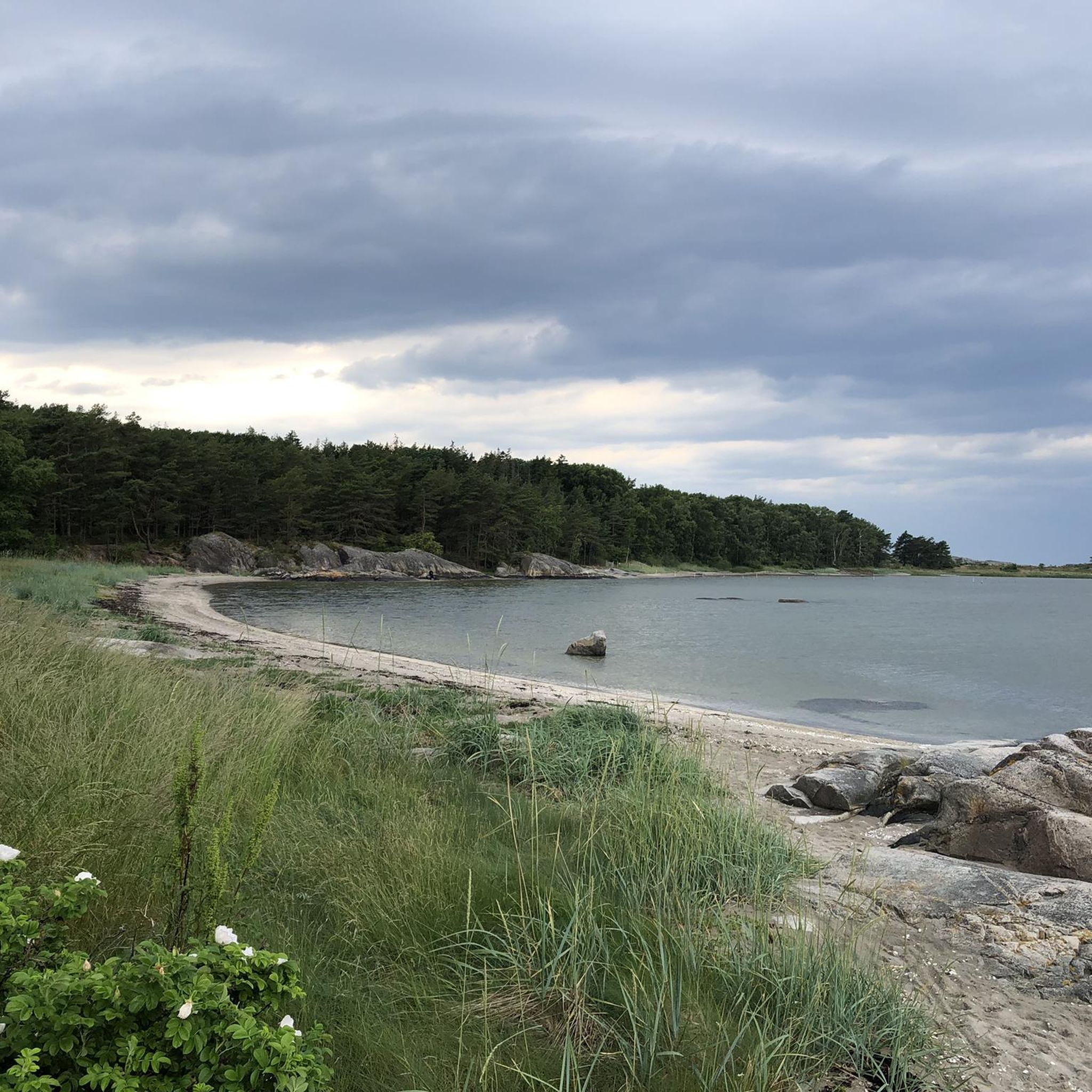
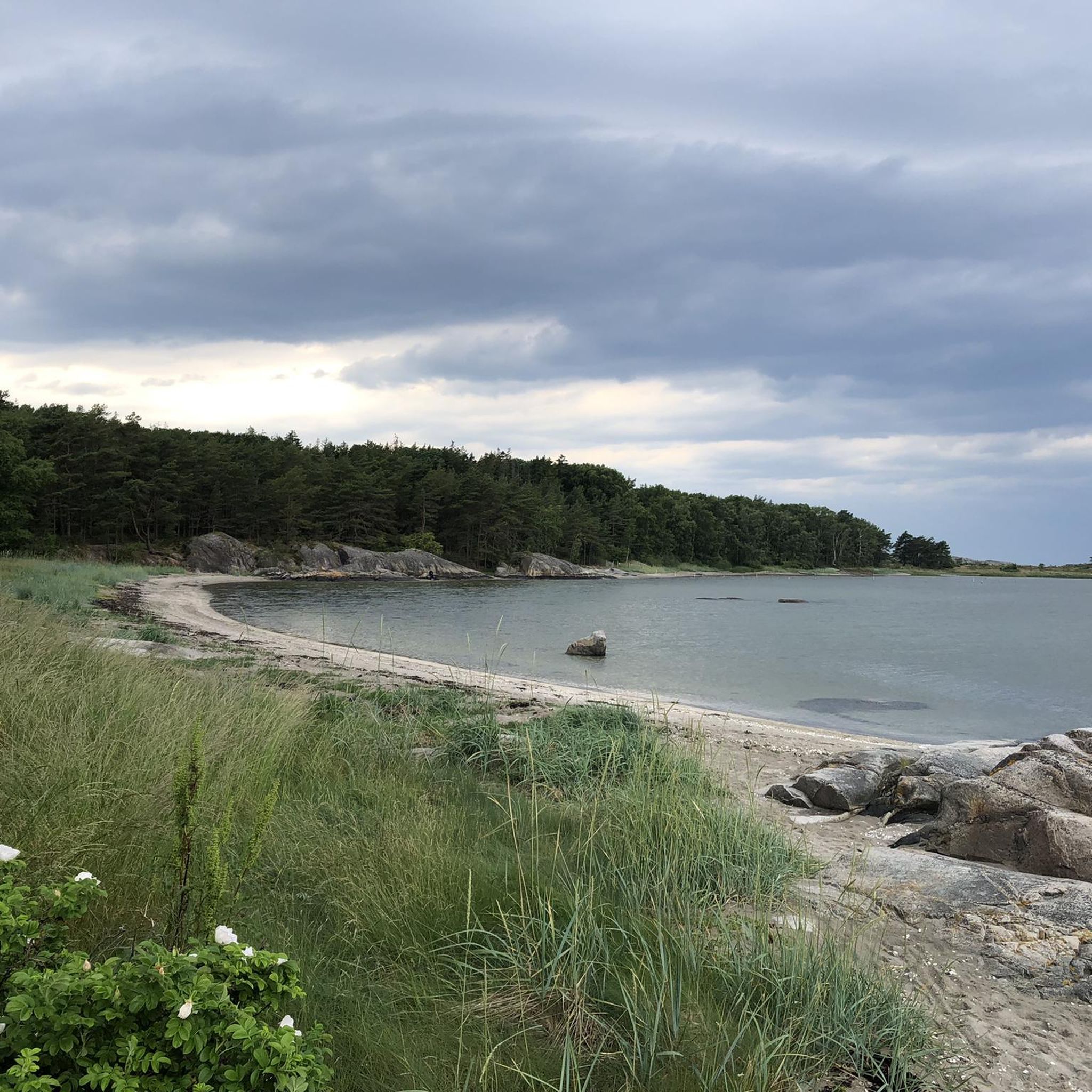
A wonderful trail, first through the forest with small, narrow paths to lovely coves along the way, then across a meadow directly to the long sandy beach. The clear water invites you to cool off.
1
1

LOCATION AND SURROUNDINGS – The chapel is located in the northern part of Southkoster and is Sweden's westernmost place of worship. The site is completely secluded in a valley directly below and east of Valfjäll, the island's highest mountain, and is sheltered from westerly winds. The property is only slightly hilly and opens onto the flat valley. The cemetery is separate, on a slope towards Kostersundet, just over a kilometer north-northeast of the chapel. PLANNING AND DEVELOPMENT OF THE EXISTING CHURCH – The first place of worship on the island, Kosters Chapel was consecrated in 1939. The drawings were designed by Knut Nordenskjöld. EXTERIOR AND INTERIOR – The architecture is characterized by 20th-century classicism with elements of national romanticism. The building is made of paneled wood. The central roof section is raised and has a gable roof. The roofs of the side sections are pitched. The church has a single nave with a small extension east of the altar. The stained glass in the round window in the chancel is by Yngve Lundström and N.P. Ringström. The sacristy is located next to the north wall of the chancel. On the west side is a tower with a high spire. The tower has a recessed upper section with wide, semicircular light openings. The ground floor serves as an armory and is the same width as the church. The interior is covered by a recessed barrel vault and features decorative paintings (marbling) by Carl Otto Svensson. The interior decoration corresponds to the year the church was built. Below the round window in the east hangs the altarpiece by Gunnar Torhamn. The pews are open. This information was compiled by the National Antiquities Board, Building Register / Research Project Parish Churches, Cultural Heritage and Building History 1996.
1
0
All I can say is, it's a postcard. Beautiful little harbor with gorgeous colorful huts. I think if someone is a good photographer, it's possible to take some really beautiful pictures with a real holiday feel.
2
1
Since the beach is located a bit off the main hiking trail, it was deserted during our visit. The water is absolutely clear and it has a fine sandy beach. In our opinion, it's the most beautiful beach on North Koster.
1
0
If so, then it is the yellow path...
0
0
Frequently Asked Questions
What are the prominent natural landmarks or viewpoints in Kosteröarnas Naturreservat?
The reserve offers several stunning viewpoints. On North Koster, Högen is the highest point, providing panoramic views of the Koster Archipelago and even parts of Norway. On South Koster, Valfjäll, accessible via steps near the church, offers expansive vistas over Kosterhavet National Park. Another excellent viewpoint on South Koster is Ramnefjäll. You can also experience the Coastal View of Kosteröarna Nature Reserve, which provides broad sea views across the islands.
Where can I find unique natural features in the reserve?
Kosteröarnas Naturreservat is rich in unique natural features. On North Koster, you'll find the impressive Valnäs Rubble-stone Field, one of Sweden's largest cobble fields, featuring distinct black diabase sills. The islands also boast diverse landscapes, from the rugged, ice-age-influenced terrain of North Koster to the lush broadleaf forests and coastal meadows of South Koster.
Are there family-friendly activities or attractions in Kosteröarnas Naturreservat?
Yes, the Koster Islands are very family-friendly. Many attractions, such as the Strand Trail, Sydkoster, Norrvikarna Beach, and Nordkoster Forest Trail, are suitable for families. The Naturum Kosterhavet visitor center is a great starting point, offering exhibitions, slideshows, and a petting tank where children can interact with sea creatures. Many beaches, like those at Norrvikarna and Rörvik, are perfect for swimming and relaxation, with Rörvik even featuring a snorkeling trail.
What kind of hiking trails can I find in Kosteröarnas Naturreservat?
The Koster Islands are ideal for hiking. South Koster features four color-coded walking trails, ranging from 3 to 5 kilometers, which can be combined for longer treks. North Koster, with its more rugged terrain, is also excellent for walking. Popular trails include the Strand Trail, Sydkoster, which leads through forests to coastal meadows and sandy beaches, and the Nordkoster Forest Trail, offering scenic paths through wooded areas and sea views. For more options, you can explore various easy hikes in the region on komoot.
Are there easy hiking options suitable for beginners?
Absolutely. Kosteröarnas Naturreservat offers several easy hiking options. The Strand Trail, Sydkoster is a wonderful, accessible path. Another great choice is the Nordkoster Forest Trail. You can find a dedicated guide to Easy hikes in Kosteröarnas Naturreservat on komoot, which includes routes like the Nordkoster Orange Loop and trails around Naturum Kosterhavet.
What other outdoor activities are available besides hiking?
Beyond hiking, the Koster Islands offer a range of outdoor activities. Cycling is very popular, as the islands are car-free. You can find various cycling routes in Kosteröarnas Naturreservat. Kayaking is also a fantastic way to explore the surrounding Kosterhavet National Park, with guided tours available. Seal safaris are another popular activity to observe the marine wildlife. The diverse birdlife also makes the islands a prime location for birdwatching.
Where can I find good beaches for swimming or relaxation?
Both North and South Koster offer beautiful sandy beaches and bays. On North Koster, Norrvikarna Beach is a spectacular spot with clear water and smooth rocks. On South Koster, Rörvik and Kilesand are popular choices for swimming and relaxation. Rörvik also features an exciting snorkeling trail for underwater exploration.
What cultural or historical sites can I explore in the Koster Islands?
The Koster Islands have a rich cultural history. The Sibirien Local History Museum offers insights into local heritage, including artifacts from the fishing industry. Koster Church on South Koster is an important cultural site. You can also see the Old Salting-house on Långegärde pier, which provides a glimpse into the islands' past. The Brevik Fishing Harbor, with its colorful fishing huts, is another charming spot reflecting the island's heritage.
What kind of wildlife and unique flora can be observed in the reserve?
Kosteröarnas Naturreservat is known for its rich biodiversity. The islands boast over 600 species of vascular plants, including rare ones like the yellow horned poppy and sea holly (Koster thistle). The varied habitats support diverse birdlife, including seabirds and migratory waders. On land, you might spot moose, foxes, roe deer, and hares. The surrounding Kosterhavet National Park is Sweden's most species-rich marine area, home to approximately 12,000 different plant and animal species.
How can I get around the Koster Islands, given they are car-free?
The Koster Islands are car-free, making them ideal for exploring by foot or bicycle. You can rent bicycles on the islands. Ferries connect the islands to the mainland and between North and South Koster. This allows for a peaceful and environmentally friendly way to experience the natural beauty and attractions of the reserve.
When is the best time to visit Kosteröarnas Naturreservat?
The Koster Islands are beautiful year-round, but the best time to visit largely depends on your interests. Spring (May-June) is excellent for observing the blooming flora, including cowslips and early purple orchids. Summer (July-August) is perfect for swimming, sunbathing, and enjoying all outdoor activities, though it's also the busiest. Autumn (September-October) offers beautiful colors and is ideal for hiking and birdwatching, with heather blooming. The Nästången area is particularly beautiful with heather in autumn.
What do visitors enjoy the most about Kosteröarnas Naturreservat?
Visitors frequently praise the stunning natural beauty, the peaceful car-free environment, and the diverse activities available. Many highlight the clear waters and sandy beaches like Norrvikarna Beach, the scenic hiking trails such as the Strand Trail, Sydkoster, and the charming atmosphere of places like Brevik Fishing Harbor. The panoramic views from viewpoints like Högen and Valfjäll are also highly appreciated.
Most popular routes in Kosteröarnas Naturreservat

Get inspired with the komoot mobile app


Explore more
Still not found the Highlight you’re looking for? See guides of the top attractions in other regions:
