Top 20 Natural Monuments around Dörrenbach
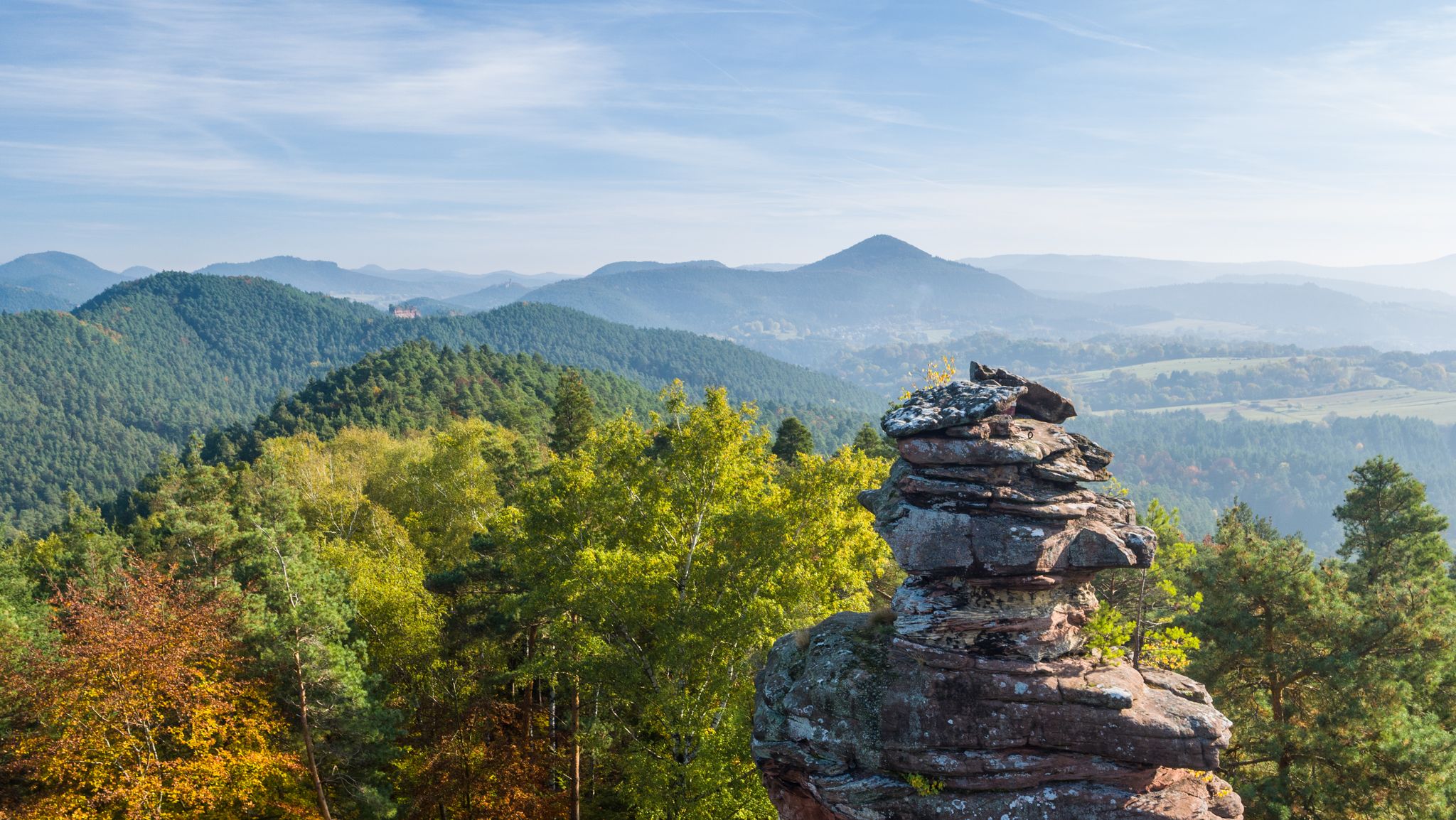
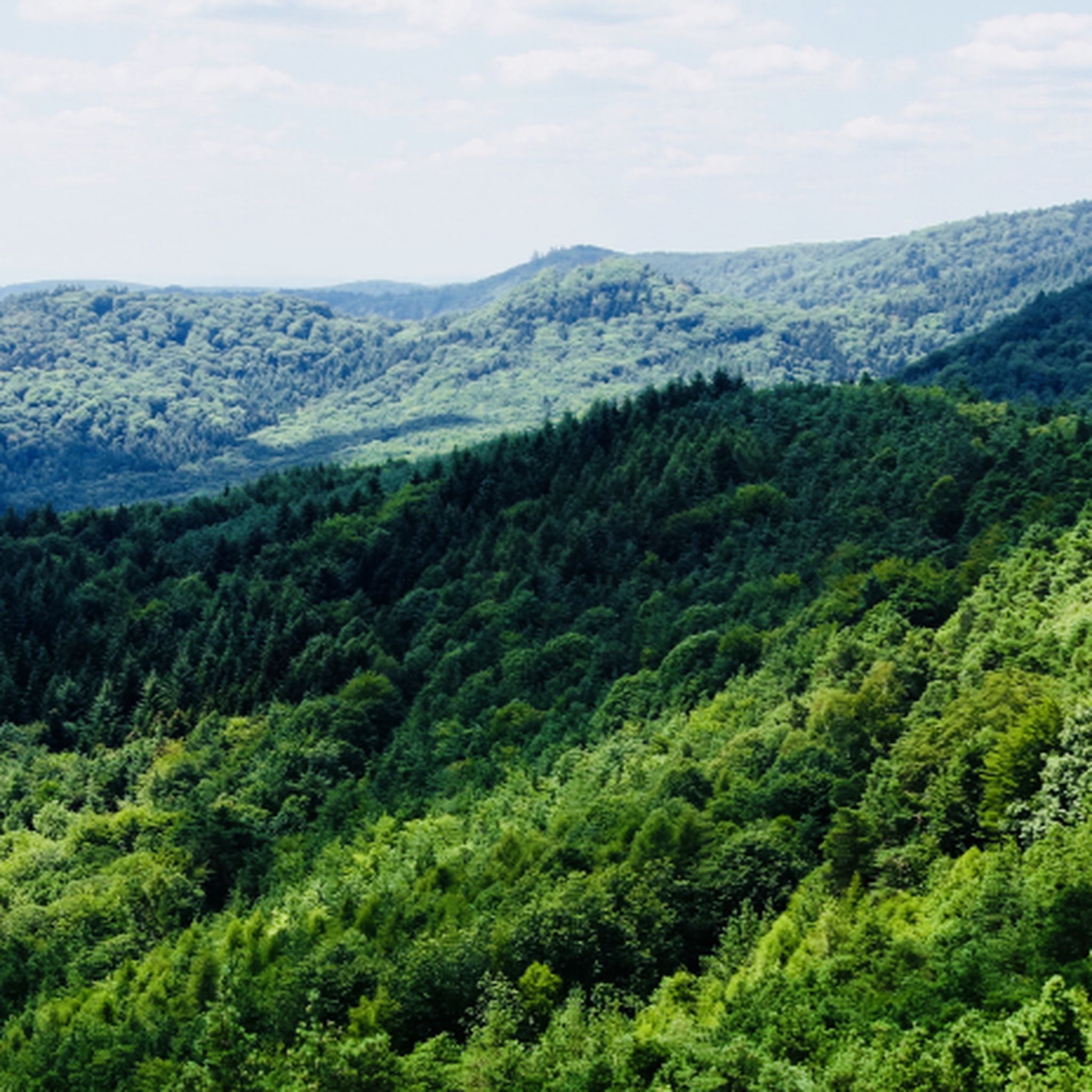
Natural monuments around Dörrenbach are situated within the Palatinate Forest-North Vosges Biosphere Reserve, a UNESCO-designated area in Rhineland-Palatinate, Germany. This region features dense forests, unique red sandstone rock formations, and elevated viewpoints. The landscape is characterized by rolling hills and deeply incised valleys, shaped by millions of years of erosion and tectonic activity. Visitors can explore a diverse natural environment through extensive hiking trails.
Best natural monuments around Dörrenbach
- The most popular natural monuments is Drachenfels Castle Ruins, a…
Last updated: September 29, 2026
Landeck Castle
Highlight • Castle
Showing Translation
Tip by

Drachenfels Castle Ruins
Highlight • Castle
Translated by Google •
Tip by

Sign up now to discover places like this
Get recommendations on the best single tracks, peaks, & plenty of other exciting outdoor places.
Hühnerstein Summit and Access Ladder
Highlight • Summit
Translated by Google •
Tip by

Rötzen Cliffs
Highlight • Viewpoint
Translated by Google •
Tip by

Rehberg Tower
Highlight • Viewpoint
Translated by Google •
Tip by

Sign up for free to discover even more natural monuments around Dörrenbach.
Already have an account?
Start today with a free account
Your next adventure awaits.
Other adventures around Dörrenbach

Tips from the Community

Very beautiful ruin with a gigantic view ... a visit is definitely worth it
13
0

South of Busenberg, on the 367 m high castle hill, rises the once proud medieval Drachenfels Castle, which is already striking from afar because of its striking shape. Although it has become a ruin over the centuries as a result of military conflicts, it is still one of the historically most important sites in the Palatinate, according to many archaeologists and historians. First mentioned in connection with a knightly family of the same name in the 12th century, the castle was probably once the border castle of the Benedictine monastery in Klingenmünster. In 1335, because of the robber baronship of its owners, besieged and destroyed by Strasbourg citizens, the castle came to the knights of Dürkheim in the further course of its history, which was to be decisive for the Drachenfels for many years and rebuilt the Drachenfels. A mutual protective and defiant alliance of the Dürkheimers with a certain Franz von Sickingen, who was a valiant knight, led to the second destruction of the Drachenfels on May 10, 1523. Although the Drachenfels was never a Sickingen castle, it was destroyed by the allied troops of the Elector and Archbishop of Trier, the Elector Palatinate and the Landgrave of Hesse. The castellan and eight servants were no match for the superiority and surrendered the Drachenfels without a fight. Subsequently destroyed and razed, a ban on reconstruction was also imposed. The castle has remained a ruin to this day. In the course of the French Revolution, in its history the Palatinate was alternately German and French, the ruins came into the possession of the municipality, which is still the owner of the Drachenfels today. Visit the Drachenfels with its many characteristic rock chambers, with its towers and thickly reinforced shield walls. An overwhelming view of the magnificent landscape of the Dahner Felsenland, where mountain ridges crowned with red sandstone rocks repeatedly rise out of the green sea of forests, compensates you for the effort of the short ascent. Source: http://www.busenberg.de/drachenfels.html
13
0

Lots of caverns and passages through the rock, formerly a large stately castle with a very good view of the Wasgau
18
1

An absolute highlight of the area. The short ascent via secured stairs is rewarded with an incredible view of the Palatinate Forest and the adjacent village.
15
0

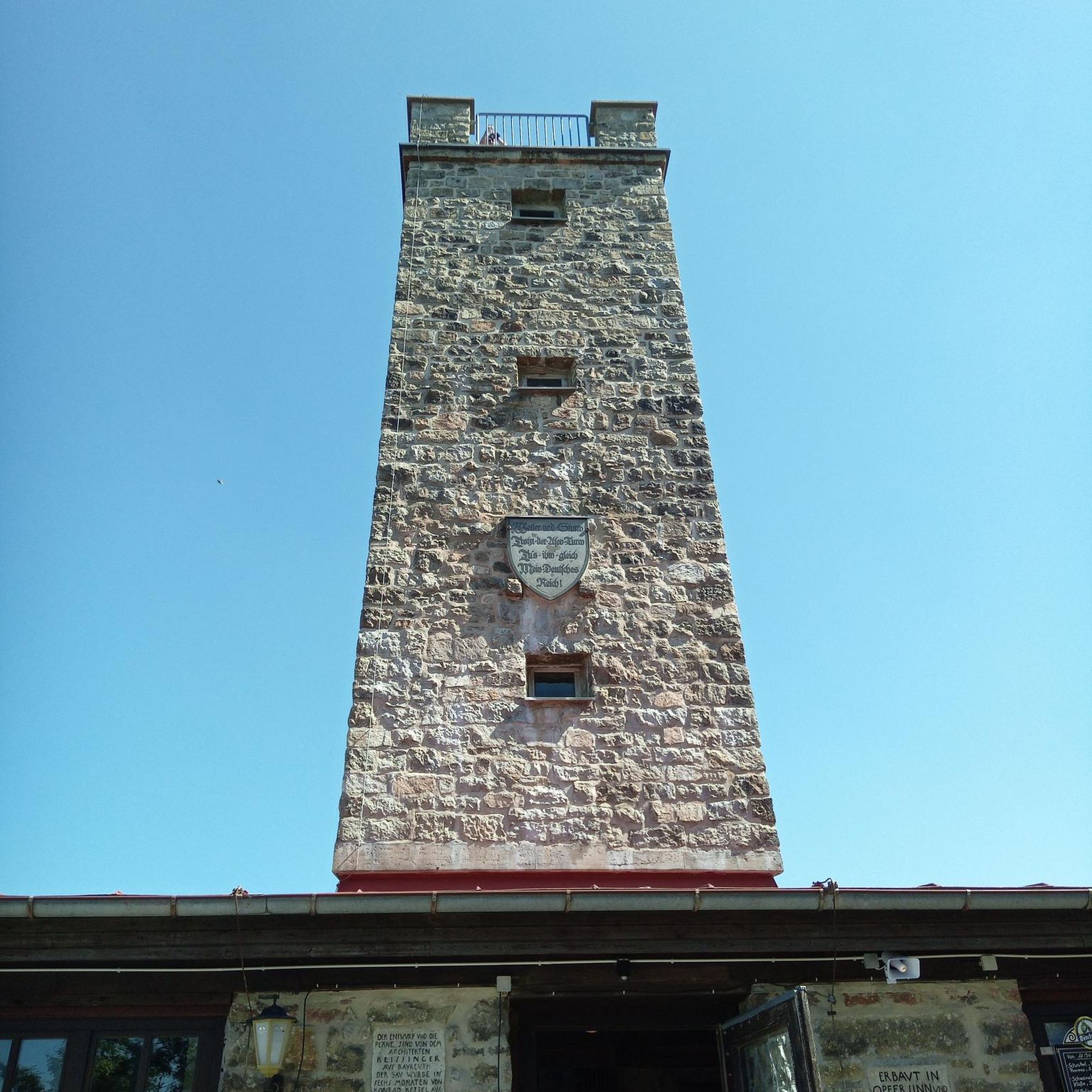
A great tower with a breathtaking view of Trifels, Anebos and Münz. Around a couple of benches to have a snack.
7
0


Here you can stop off, enjoy the medieval atmosphere and the fantastic view from the terrace.
13
0

At the moment in times of Corona: entrance and exit separated. Disinfection of hands at the entrance is controlled. Lots of space in the courtyard. The benches and tables are not too narrow. Good selection of drinks and food. We ate schnitzel (nice and crispy), liver dumplings (fine) and tarte flambée (large and well topped). Everyone liked it. Recommendable.
10
0
Frequently Asked Questions
What unique geological features can I observe among the natural monuments around Dörrenbach?
The natural monuments around Dörrenbach are primarily characterized by impressive red sandstone formations. These geological features, shaped over millions of years by erosion and tectonic activity, include steep cliffs, rock chambers, and deeply incised valleys. You can see striking examples at sites like the Drachenfels Castle Ruins, where the castle is integrated into the sandstone cliffs, or the Rötzen Cliffs, which offer dramatic vistas from their rock formations.
Are there any historical sites intertwined with the natural monuments in the Dörrenbach area?
Yes, several natural monuments in the area have historical significance. For instance, the Drachenfels Castle Ruins are built directly into the red sandstone cliffs, showcasing how human history has adapted to the natural landscape. Similarly, Landeck Castle, a well-preserved ruin, offers historical context alongside its natural setting and panoramic views.
What kind of views can I expect from the natural monuments around Dörrenbach?
Many natural monuments around Dörrenbach offer extensive panoramic views. From the Rehberg Tower, you can see large parts of the Palatinate Forest, the Upper Rhine Plain, and even the distant Odenwald, Black Forest, and Vosges mountains on clear days. The Rötzen Cliffs also provide a great vantage point with distant views, particularly for those who enjoy heights.
Are there family-friendly natural monuments to visit near Dörrenbach?
Absolutely. The Drachenfels Castle Ruins are particularly popular with families. Exploring the unique structure of the castle, integrated into the rock, is described as an adventure for children. The ascent is steep but short, and the site offers magnificent views over the Wasgau region.
What outdoor activities can I do near the natural monuments around Dörrenbach?
The area around Dörrenbach, being part of the Palatinate Forest Biosphere Reserve, offers extensive opportunities for outdoor activities. You can find numerous routes for various sports. For example, there are several mountain hikes, such as the 'Hoher Kopf Rock Formation – Dimbach Oak Spot loop from Dimbach', which you can explore further in the Mountain Hikes around Dörrenbach guide. There are also running trails and gravel biking routes available.
Are there specific hiking trails that lead to these natural monuments?
Yes, many natural monuments are accessible via well-maintained hiking trails. For instance, the Hühnerstein Summit and Access Ladder is located on trails like the Rimbach-Steig and Hauensteiner Schusterpfad. The Palatinate Forest Biosphere Reserve, where Dörrenbach is situated, offers extensive hiking networks to explore its natural beauty.
What is the best time of year to visit the natural monuments around Dörrenbach?
The Palatinate Forest, with its dense forests and diverse landscapes, is beautiful year-round. Spring brings blooming flora, summer offers lush greenery and pleasant temperatures for hiking, while autumn transforms the forests with vibrant colors. Even winter can be enchanting, though some trails might be more challenging. The best time depends on your preferred activities and weather conditions.
What do visitors enjoy most about the natural monuments around Dörrenbach?
Visitors frequently highlight the breathtaking views and the unique geological formations. The adventure of exploring sites like the Drachenfels Castle Ruins and the challenging ascent to the Hühnerstein Summit are often mentioned. The opportunity to connect with nature through hiking and appreciating the raw beauty of the landscape is also a strong draw.
Are there places to eat or drink near the natural monuments?
Yes, some natural monuments have facilities nearby. For example, near the Drachenfels Castle Ruins, you'll find the Drachenfelshütte of the Palatinate Forest Association, offering local specialties. Landeck Castle also hosts a castle tavern with a terrace, serving tarte flambée and other dishes.
What are the terrain difficulties like for exploring these natural monuments?
The terrain around Dörrenbach varies, ranging from moderate to challenging. Many natural monuments involve ascents to viewpoints or summits. For instance, the climb to the Hühnerstein Summit and Access Ladder is described as challenging, requiring care on the ladder. Other paths, like those around Landeck Castle, might be intermediate. It's advisable to check specific route details for difficulty levels.
Can I bring my dog to the natural monuments and trails around Dörrenbach?
The Palatinate Forest generally welcomes dogs on its trails, provided they are kept on a leash and owners clean up after them. While specific rules for each natural monument may vary, the extensive hiking trails within the Palatinate Forest Biosphere Reserve are typically dog-friendly, allowing you to explore the natural beauty with your canine companion.
How can I reach the natural monuments around Dörrenbach using public transport?
While specific public transport connections directly to every natural monument might be limited, Dörrenbach itself is accessible by public transport. From there, many natural monuments can be reached via hiking trails. For detailed information on regional public transport, it's best to consult local transport providers or the regional tourism website for Rhineland-Palatinate: rlp-tourismus.com.
Most popular routes around Dörrenbach
Most popular attractions around Dörrenbach

Get inspired with the komoot mobile app


Explore more
Extend your search for the best caves by checking out these guides of the top ones around Dörrenbach:
