Top 20 Castles around Böllenborn
Castles near Böllenborn offer a glimpse into the region's medieval past. Böllenborn, a tranquil village nestled in the Palatinate Forest, is known for its natural surroundings and historic churches. While the village itself does not host castles, the broader Palatinate region, particularly around the Southern Wine Route, features numerous historical fortresses and ruins. These nearby sites provide rich historical and architectural experiences for visitors.
Best castles around Böllenborn
- The most popular castles is Drachenfels Castle Ruins, a castle that…
Last updated: November 20, 2026
Landeck Castle
Highlight • Castle
Showing Translation
Tip by

Ruins of Altdahn Castle
Highlight • Castle
Translated by Google •
Tip by

Sign up now to discover places like this
Get recommendations on the best single tracks, peaks, & plenty of other exciting outdoor places.
Wegelnburg Castle Ruins
Highlight • Castle
Translated by Google •
Tip by

Drachenfels Castle Ruins
Highlight • Castle
Translated by Google •
Tip by

Madenburg Castle Ruins
Highlight • Castle
Translated by Google •
Tip by
Sign up for free to discover even more castles around Böllenborn.
Already have an account?
Start today with a free account
Your next adventure awaits.
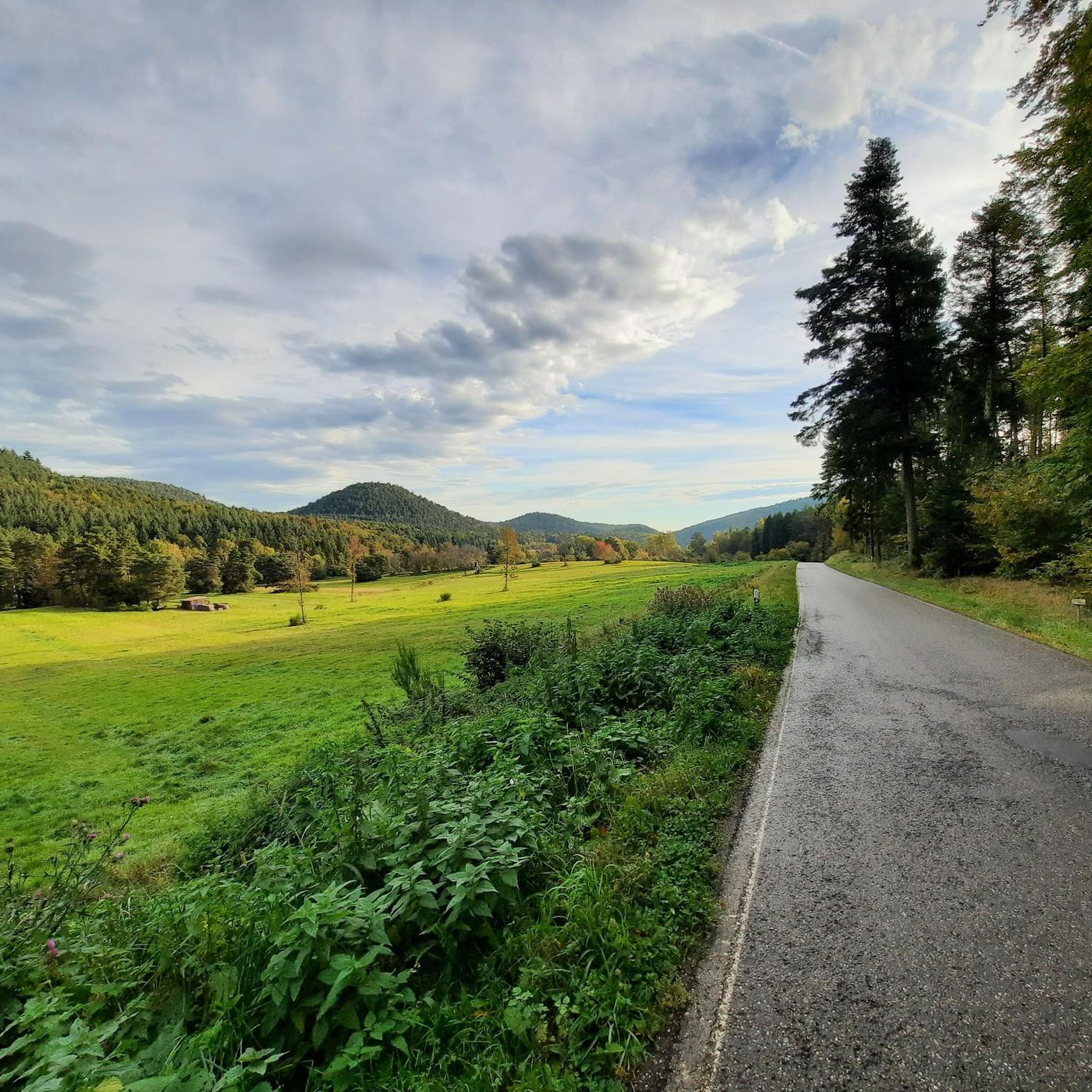
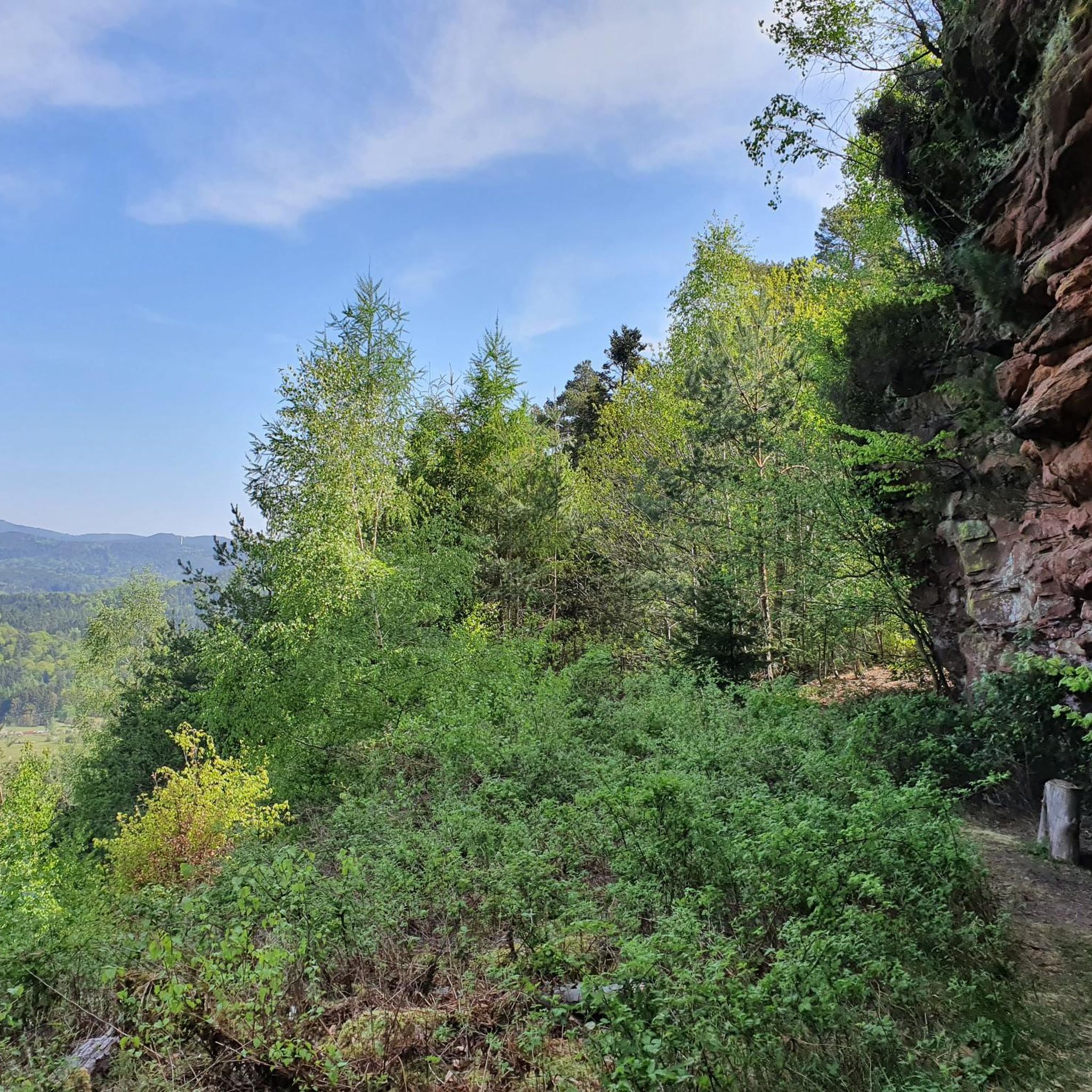
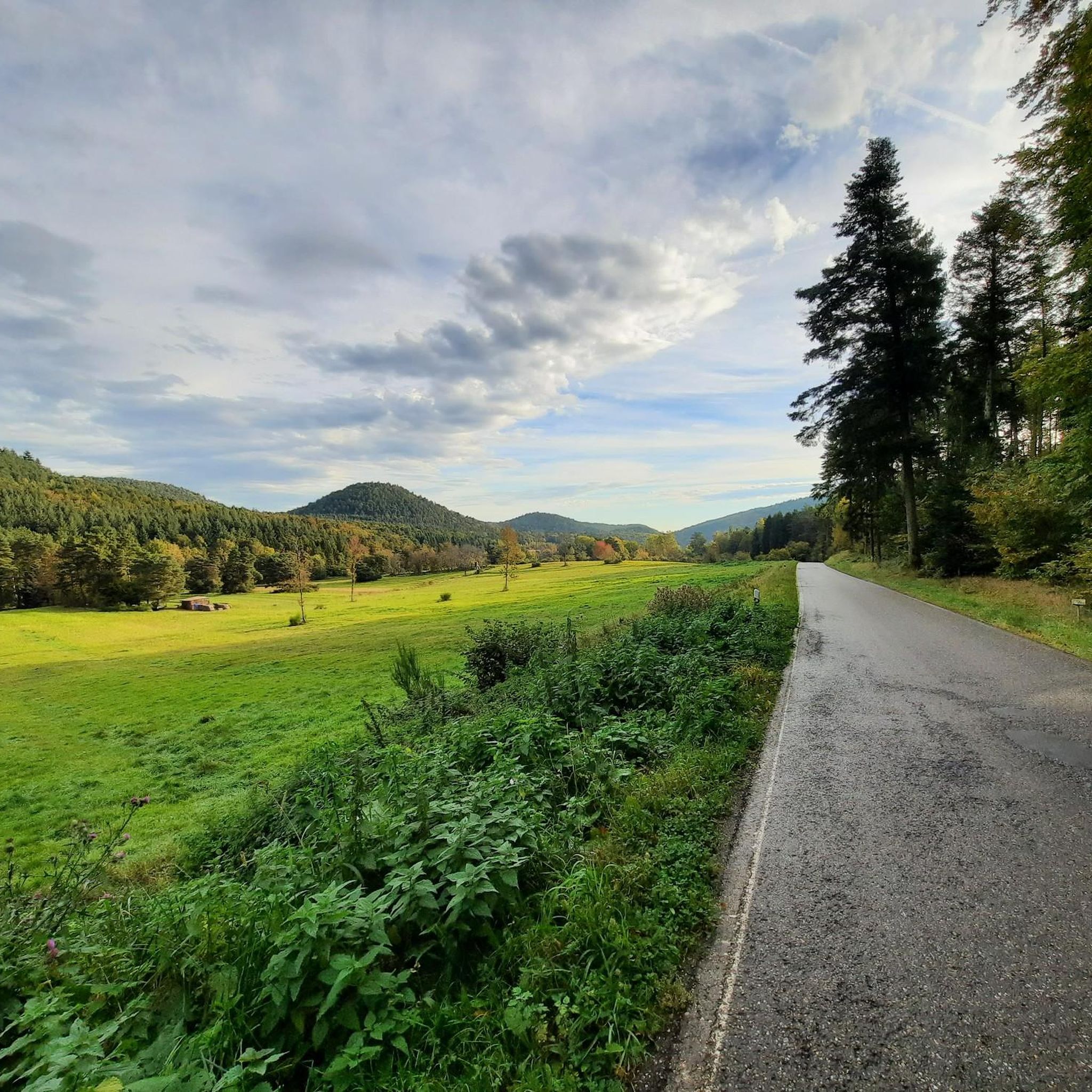
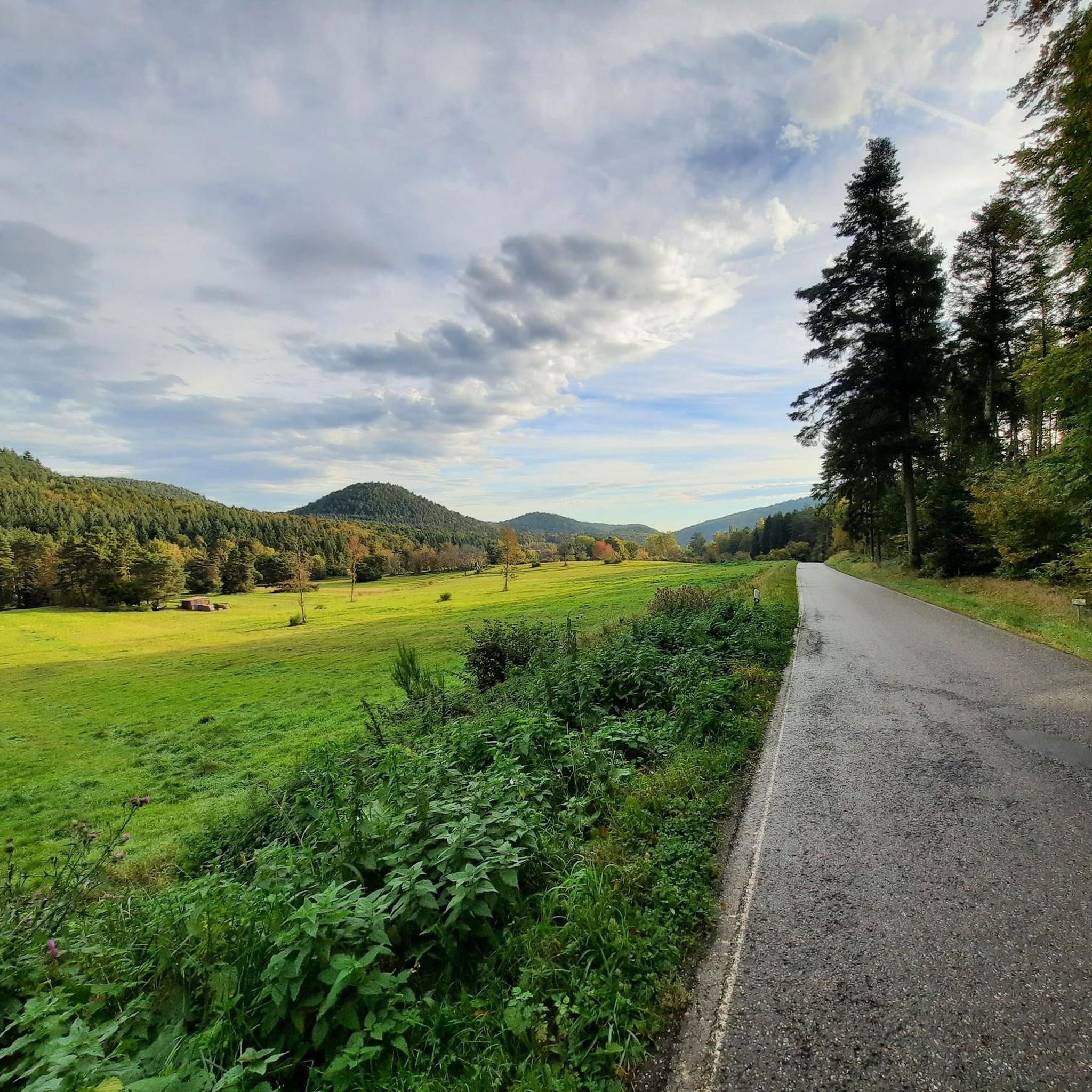
Tips from the Community

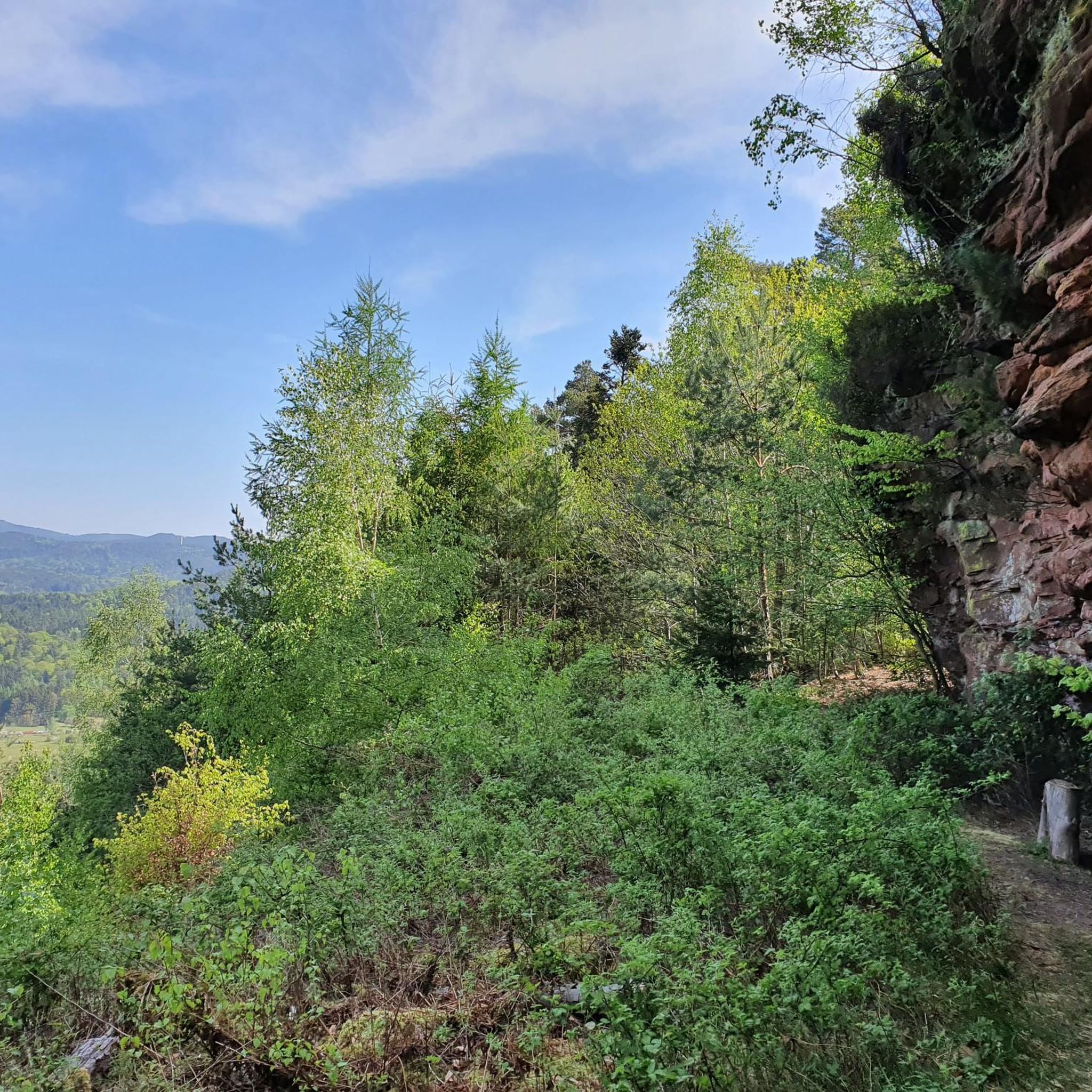
This typical rock castle is the highest castle in the Palatinate. From here you have a fantastic view of the Wasgau. There are three other castle ruins in the immediate vicinity.
14
1

Tanstein Castle stretches across the two westernmost castle rocks in the castle group. Both rocks used to be connected by a bridge. Today there are modern parapet walls on the rocks, which were placed arbitrarily during restoration work and do not convey any impression of the former castle buildings. The west rock was apparently built with tower-like buildings leaning against the rock. Evidence of this is given by beam holes and workings in the rock, as well as a large cistern, in which water was collected from the roofs. From this point you have a great view of the facility.
15
0

In the large castle complex you have several possibilities for a "gate view".
19
1

Very beautiful ruin with a gigantic view ... a visit is definitely worth it
13
0

South of Busenberg, on the 367 m high castle hill, rises the once proud medieval Drachenfels Castle, which is already striking from afar because of its striking shape. Although it has become a ruin over the centuries as a result of military conflicts, it is still one of the historically most important sites in the Palatinate, according to many archaeologists and historians. First mentioned in connection with a knightly family of the same name in the 12th century, the castle was probably once the border castle of the Benedictine monastery in Klingenmünster. In 1335, because of the robber baronship of its owners, besieged and destroyed by Strasbourg citizens, the castle came to the knights of Dürkheim in the further course of its history, which was to be decisive for the Drachenfels for many years and rebuilt the Drachenfels. A mutual protective and defiant alliance of the Dürkheimers with a certain Franz von Sickingen, who was a valiant knight, led to the second destruction of the Drachenfels on May 10, 1523. Although the Drachenfels was never a Sickingen castle, it was destroyed by the allied troops of the Elector and Archbishop of Trier, the Elector Palatinate and the Landgrave of Hesse. The castellan and eight servants were no match for the superiority and surrendered the Drachenfels without a fight. Subsequently destroyed and razed, a ban on reconstruction was also imposed. The castle has remained a ruin to this day. In the course of the French Revolution, in its history the Palatinate was alternately German and French, the ruins came into the possession of the municipality, which is still the owner of the Drachenfels today. Visit the Drachenfels with its many characteristic rock chambers, with its towers and thickly reinforced shield walls. An overwhelming view of the magnificent landscape of the Dahner Felsenland, where mountain ridges crowned with red sandstone rocks repeatedly rise out of the green sea of forests, compensates you for the effort of the short ascent. Source: http://www.busenberg.de/drachenfels.html
13
0

Lots of caverns and passages through the rock, formerly a large stately castle with a very good view of the Wasgau
18
1

An absolute highlight of the area. The short ascent via secured stairs is rewarded with an incredible view of the Palatinate Forest and the adjacent village.
15
0
One of Dahn's landmarks. Very large and imposing castle complex.
19
0
Frequently Asked Questions
What kind of castles can I expect to find near Böllenborn?
The Palatinate region, particularly around the Southern Wine Route, is rich in historical fortresses and ruins. You'll find many rock castles, characterized by chambers, stairs, and passages carved directly into the rock, offering unique exploration experiences. These include impressive ruins and some well-preserved sites.
Are there any family-friendly castles to visit around Böllenborn?
Yes, several castles are great for families. For instance, Drachenfels Castle Ruins is described as a real adventure and excellent for exploring with kids. The Ruins of Altdahn Castle are also a highlight for 'young and old' with many corners to climb and dark chambers to explore. Landeck Castle is another well-preserved ruin that hosts events like medieval markets.
Which castles offer the best panoramic views of the region?
For breathtaking views, consider Wegelnburg Castle Ruins, the highest castle in the Palatinate, offering a perfect panorama over the gently rolling hills of the Wasgau. Landeck Castle provides a sensational view over the entire Rhine plain from its keep. Similarly, Madenburg Castle Ruins offers a view across the entire Rhine plain to the Odenwald on clear days.
Are there hiking trails that connect multiple castles?
Yes, for example, Landeck Castle is the starting point for a 'Three Castles hike' that leads to the ruin Schlössel and then to the Ringwall Heidenschuh. The Wegelnburg Castle Ruins also has three other castle ruins in its immediate vicinity, making it suitable for multi-castle hikes. You can find various hiking routes around Böllenborn, including those visiting castles, on the Hiking around Böllenborn guide.
Can I find food and drink options at or near the castles?
Some castles offer dining facilities. Landeck Castle has a castle tavern with a terrace. Madenburg Castle Ruins features an excellent castle tavern, typically open from April to October. Near Drachenfels Castle Ruins, you'll find the Drachenfelshütte of the Palatinate Forest Association, serving local specialties.
What is the historical significance of castles in the Palatinate region?
The castles in the Palatinate, such as Trifels Castle, have deep historical roots, with some dating back to the 11th or 12th centuries. They served strategic imperial purposes, like Trifels Castle which once held Richard the Lionheart captive. Many are 'rock castles,' built directly into the natural rock formations, showcasing medieval defensive architecture unique to the Wasgau region.
Are there any unique castles carved directly into the rock?
Yes, the Palatinate region is famous for its rock castles. Ruins of Altdahn Castle is a prime example, with chambers, stairs, and passages carved into the free-standing, steep cliffs. Berwartstein Castle, though not listed as a highlight in the guide, is also a notable rock castle with rooms carved directly out of the rock, essential for its medieval defense.
What is the best time of year to visit the castles around Böllenborn?
While specific seasonal advice for castles isn't provided, the Palatinate Forest region is generally beautiful in spring and autumn for hiking and exploring. Castle taverns, like the one at Madenburg Castle Ruins, typically operate from April to October, suggesting these months are ideal for enjoying full amenities. Winter visits might offer a different, quieter experience, but some facilities could be closed.
How popular are the castles around Böllenborn with other visitors?
The castles in this region are highly appreciated by the komoot community. They have collectively received over 2400 upvotes and more than 2000 photos have been shared, indicating their popularity and the positive experiences visitors have had exploring them.
Are there cycling routes near the castles?
Yes, there are several cycling opportunities. For example, the Cycling around Böllenborn guide includes routes like the 'Berwartstein Castle – Seehofweiher Bathing Lake loop'. You can also find road cycling routes in the area through the Road Cycling Routes around Böllenborn guide.
Which castle is considered the highest in the Palatinate?
The Wegelnburg Castle Ruins holds the distinction of being the highest castle in the Palatinate, situated at 571 meters above sea level. Its elevation provides an excellent panorama over the Wasgau region.
Is there a castle that was once rebuilt and re-inhabited after demolition?
Yes, Berwartstein Castle, located in the southern Palatinate Forest, is one of the few castles in the Palatinate that was rebuilt and re-inhabited after its demolition. This makes it appear more complete than many other ruins in the area. You can learn more about its history on Wikipedia.
Most popular routes around Böllenborn
Most popular attractions around Böllenborn

Get inspired with the komoot mobile app


Explore more
Looking for the best castles somewhere else? Discover other guides around Böllenborn:
