Gleiszellen-Gleishorbach
Gleiszellen-Gleishorbach
Top 20 Natural Monuments around Gleiszellen-Gleishorbach
Best natural monuments around Gleiszellen-Gleishorbach are characterized by a landscape featuring historical castles and unique rock formations within the Palatinate Forest. This region offers a blend of natural beauty and cultural heritage, with many sites designated as natural monuments. The area provides opportunities to explore geological features and historical structures integrated into the natural environment. These natural monuments contribute to the region's appeal for outdoor activities.
Best natural monuments around Gleiszellen-Gleishorbach
- The most popular natural monuments is Drachenfels Castle Ruins…
Last updated: May 13, 2026
Trifels Castle
Highlight • Castle
Showing Translation
Tip by

Landeck Castle
Highlight • Castle
Showing Translation
Tip by

Sign up now to discover places like this
Get recommendations on the best single tracks, peaks, & plenty of other exciting outdoor places.
Sign up for free
Drachenfels Castle Ruins
Highlight • Castle
Translated by Google •
Tip by

Bindersbacher Turm
Highlight • Natural Monument
Translated by Google •
Tip by

Anebos castle ruins
Highlight • Natural Monument
Translated by Google •
Tip by

Sign up for free to discover even more natural monuments around Gleiszellen-Gleishorbach.
Sign up for free
Already have an account?
Start today with a free account
Your next adventure awaits.
Login or Signup
Popular around Gleiszellen-Gleishorbach
Tips from the Community

Very beautiful ruin with a gigantic view ... a visit is definitely worth it
12
0

Here, too, a very beautiful rock formation - you can't help but be amazed.
11
0
South of Busenberg, on the 367 m high castle hill, rises the once proud medieval Drachenfels Castle, which is already striking from afar because of its striking shape. Although it has become a ruin over the centuries as a result of military conflicts, it is still one of the historically most important sites in the Palatinate, according to many archaeologists and historians. First mentioned in connection with a knightly family of the same name in the 12th century, the castle was probably once the border castle of the Benedictine monastery in Klingenmünster. In 1335, because of the robber baronship of its owners, besieged and destroyed by Strasbourg citizens, the castle came to the knights of Dürkheim in the further course of its history, which was to be decisive for the Drachenfels for many years and rebuilt the Drachenfels. A mutual protective and defiant alliance of the Dürkheimers with a certain Franz von Sickingen, who was a valiant knight, led to the second destruction of the Drachenfels on May 10, 1523. Although the Drachenfels was never a Sickingen castle, it was destroyed by the allied troops of the Elector and Archbishop of Trier, the Elector Palatinate and the Landgrave of Hesse. The castellan and eight servants were no match for the superiority and surrendered the Drachenfels without a fight. Subsequently destroyed and razed, a ban on reconstruction was also imposed. The castle has remained a ruin to this day. In the course of the French Revolution, in its history the Palatinate was alternately German and French, the ruins came into the possession of the municipality, which is still the owner of the Drachenfels today. Visit the Drachenfels with its many characteristic rock chambers, with its towers and thickly reinforced shield walls. An overwhelming view of the magnificent landscape of the Dahner Felsenland, where mountain ridges crowned with red sandstone rocks repeatedly rise out of the green sea of forests, compensates you for the effort of the short ascent. Source: http://www.busenberg.de/drachenfels.html
12
0

Lots of caverns and passages through the rock, formerly a large stately castle with a very good view of the Wasgau
16
1

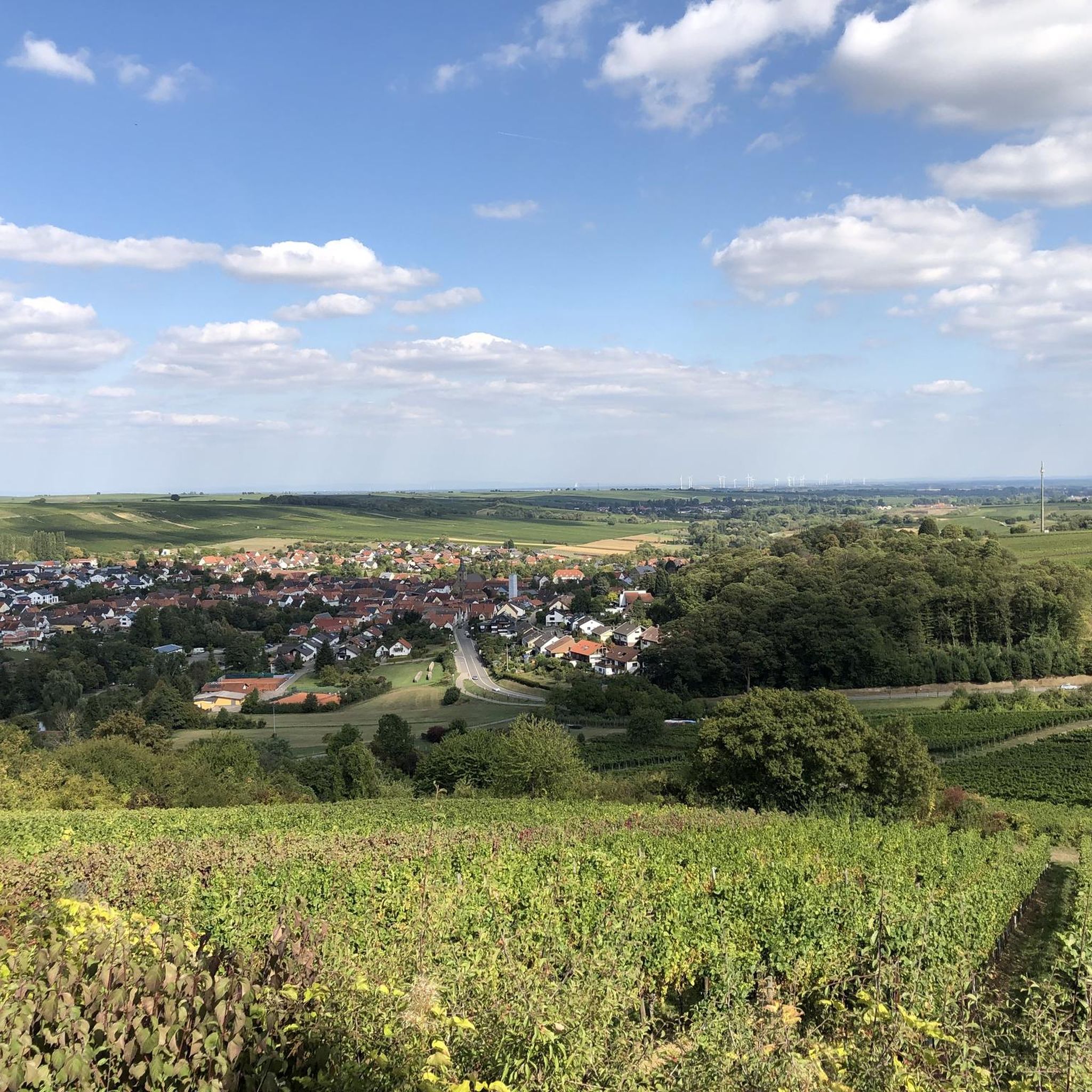
An absolute highlight of the area. The short ascent via secured stairs is rewarded with an incredible view of the Palatinate Forest and the adjacent village.
13
0

Great rock formations and a rich nature reward the hiker!
14
1

Beautiful rock with some interesting trails in the immediate vicinity of the Fensterfels.
8
0

A place steeped in history with an interesting exhibition. The view from the castle is rewarding, the surroundings with the sandstone cliffs are beautiful.
18
1
Frequently Asked Questions
What historical natural monuments can I explore around Gleiszellen-Gleishorbach?
The region is rich in historical natural monuments, primarily ancient castles integrated into the landscape. You can visit Trifels Castle, known for its imperial history, or Landeck Castle, a well-preserved ruin offering views over the Rhine plain. Another option is Drachenfels Castle Ruins, which provides a unique exploration experience due to its structure.
Are there family-friendly natural monuments in the area?
Yes, several natural monuments are suitable for families. Landeck Castle is considered family-friendly and hosts events like medieval markets. Drachenfels Castle Ruins is also highlighted as a great place to explore with kids, despite a steep but short ascent.
What kind of geological features can be observed among the natural monuments?
The natural monuments around Gleiszellen-Gleishorbach are characterized by unique rock formations within the Palatinate Forest. For instance, the Bindersbacher Turm is a beautiful window cliff, showcasing interesting leaching of red sandstone rock. The castles themselves, like Trifels, are often built upon prominent rock formations, highlighting the region's geology.
What outdoor activities can I do near these natural monuments?
The area offers diverse outdoor activities. You can find numerous hiking trails, such as the 'Viewpoint at Gleishorbach – Sauhohl loop' or the 'Madenburg Castle Ruins – Landeck Castle loop'. For more options, explore the hiking guide for Gleiszellen-Gleishorbach. There are also guides for gravel biking and running trails in the vicinity.
Are there any easy hiking routes to natural monuments for beginners?
Yes, there are routes suitable for beginners. For example, the 'Viewpoint at Gleishorbach – Sauhohl loop from Klingenmünster' is an easy hiking route. While some castle ascents can be steep, many are short, making them manageable for those new to hiking. Always check the difficulty rating for specific tours in the hiking guide.
What is the best time to visit the natural monuments around Gleiszellen-Gleishorbach?
The Palatinate Forest region is beautiful year-round, but spring and autumn offer pleasant temperatures for hiking and exploring. Avoiding vacation weekends is often recommended, especially for popular sites like Trifels Castle, to avoid crowds.
Are there any natural monuments with good viewpoints?
Many natural monuments in the region offer excellent views. From the keep of Landeck Castle, you get a sensational view over the entire Rhine plain. Drachenfels Castle Ruins provides views over Busenberg and the Wasgau hills. Additionally, the Anebos castle ruins offer one of the most beautiful views of Trifels Castle.
Can I find food and drink options near the natural monuments?
Yes, some natural monuments have facilities nearby. Landeck Castle features a castle tavern with a terrace, serving local dishes like tarte flambée. Near Drachenfels Castle Ruins, the Drachenfelshütte offers Palatinate specialties.
Are there any circular walks around the natural monuments?
Yes, the region is well-suited for circular walks. Many hiking routes are designed as loops, allowing you to start and end at the same point. For example, the 'Viewpoint at Gleishorbach – Sauhohl loop' is a popular option. You can find more circular routes in the hiking guide for Gleiszellen-Gleishorbach.
What should I wear for hiking to the natural monuments?
Given the varied terrain, including forest paths and castle ascents, sturdy hiking shoes are recommended. Layered clothing is advisable to adapt to changing weather conditions, especially when exploring viewpoints or spending time outdoors in the Palatinate Forest.
Are dogs allowed at the natural monuments?
Policies vary by site. For example, dogs are generally not allowed inside the castle ruins of Trifels Castle. However, they are usually welcome on the surrounding trails and grounds. It's always best to check specific regulations for each monument before your visit.
Are there any hidden gems or less-known natural attractions?
While the castles are prominent, exploring the rock formations like the Bindersbacher Turm offers a glimpse into the region's natural beauty beyond the well-trodden paths. The Anebos castle ruins, though part of the Trifels group, are less about the castle structure and more about the impressive rock and views, making it a unique discovery.
Most popular routes around Gleiszellen-Gleishorbach
Most popular attractions around Gleiszellen-Gleishorbach

Get inspired with the komoot mobile app


Explore more
Extend your search for the best caves by checking out these guides of the top ones around Gleiszellen-Gleishorbach:
