Top 20 Castles around Knöringen
Best castles around Knöringen offer historical exploration in a region known for its rich past. Schloss Unterknöringen, a former water castle, is a significant historical site in Unterknöringen, a district of Burgau in Bavaria. The area features well-preserved historical architecture and picturesque park settings, providing opportunities for leisurely strolls. These sites blend historical immersion with scenic beauty, making them compelling destinations.
Best castles around Knöringen
- The most popular castles is Hambach Castle, a castle and historical site known as…
Last updated: May 9, 2026
Rietburg (castle ruins with mountain restaurant)
Highlight • Castle
On a nice weekend you will rarely get a table on the terrace of the restaurant.
Above the restaurant on the ruins but you always have the opportunity to enjoy the view.
Translated by Google •
Tip by

Hambach Castle
Highlight • Castle
Translated by Google •
Tip by

Sign up now to discover places like this
Get recommendations on the best single tracks, peaks, & plenty of other exciting outdoor places.
Sign up for free
Neuscharfeneck Castle Ruins
Highlight • Castle
Showing Translation
Tip by

Trifelsblick-Hütte (PWV Gleisweiler)
Highlight • Mountain Hut
Showing Translation
Tip by

Kropsburg
Highlight • Castle
Translated by Google •
Tip by
Sign up for free to discover even more castles around Knöringen.
Sign up for free
Already have an account?
Start today with a free account
Your next adventure awaits.
Login or Signup
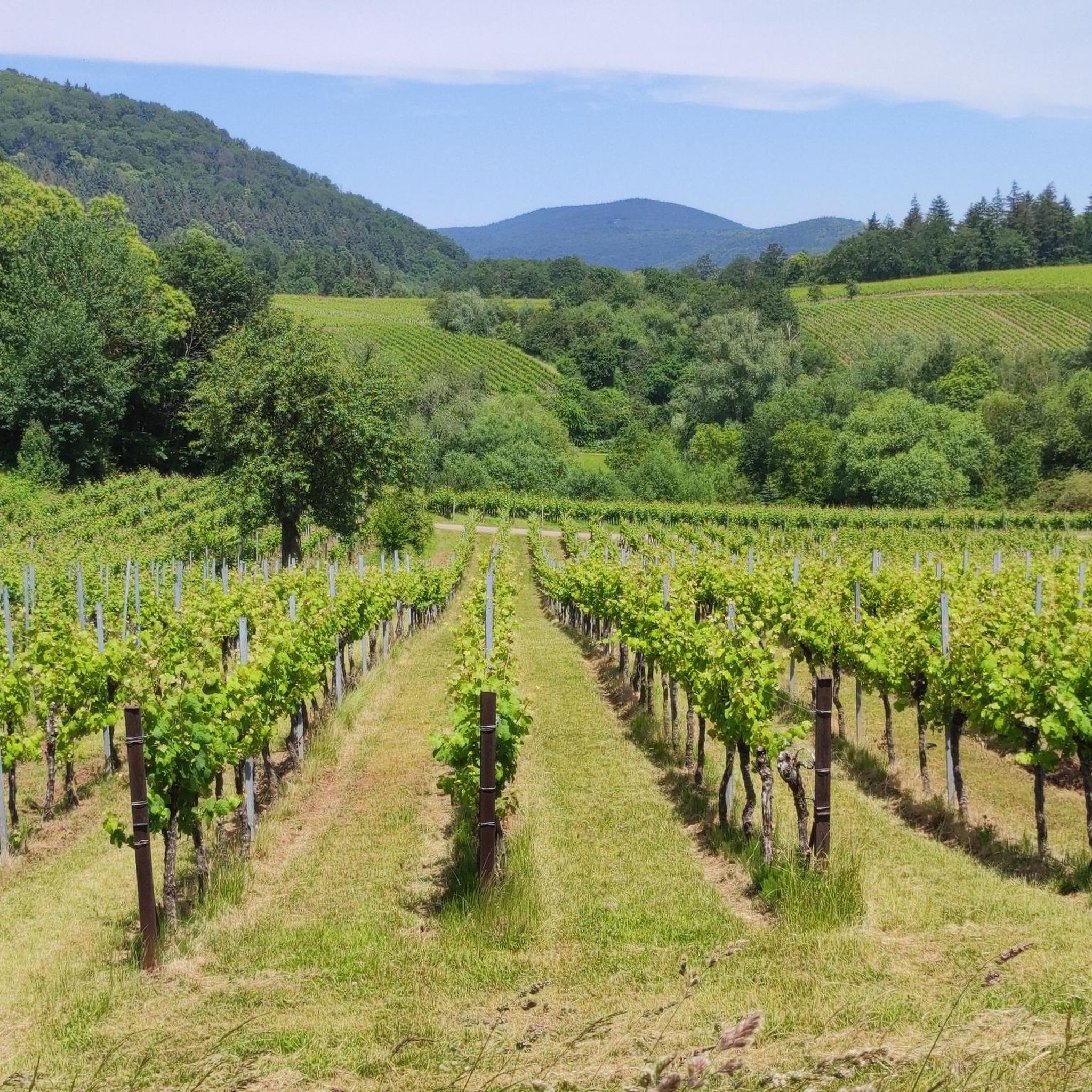
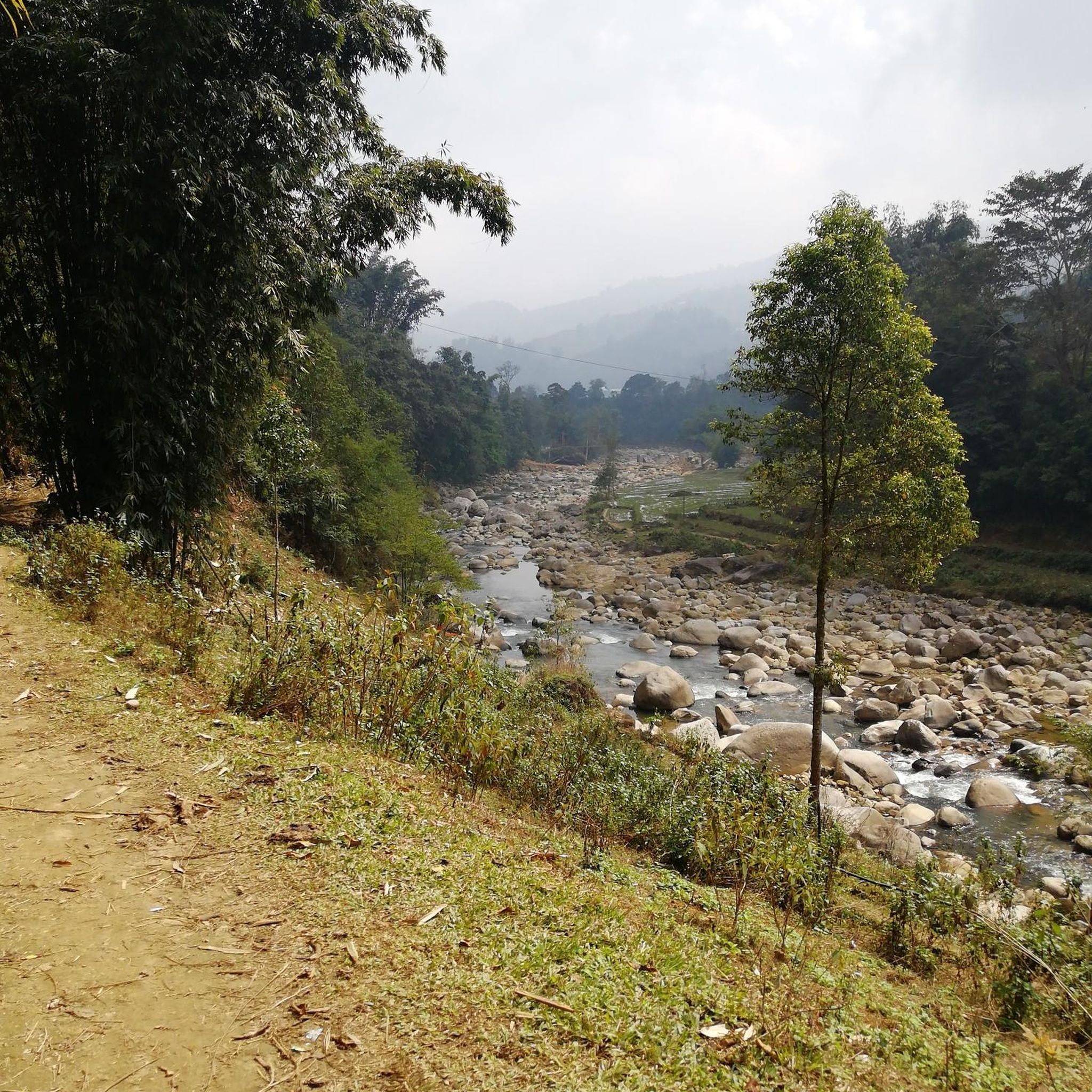
Tips from the Community

The Trifelsblickhütte is operated by PWV-Gleisweiler. It is 550 m high and is one of the highest PWV huts. Food and drink is always available. The view of the Annweiler castles is downright spectacular from up here.
6
0

The construction of the Kropsburg goes back to the Staufer and is dated to around 1200; At that time, a whole ring of castles was built to shield the Reichsburg Trifels, which was about 20 km away. Similar to the Hambach Castle to the north and the Rietburg Castle to the south, the Kropsburg offered a wide view of the Rhine plain. Initially, the Kropsburg was the seat of a ministerial. It was later inherited by the descendants of the vassals and thus became the Ganerbenburg with several owners, who expanded it into an upper and a lower castle. A small dominion, which consisted of the towns of Sankt Martin, Maikammer and Winnweiler, belonged to the castle.[2] After the end of the Staufers in the second half of the 13th century, it came into the possession of the Bishopric of Speyer. This enfeoffed various noble houses with the Kropsburg, including those of Kropsberg, von Ochsenstein and von Odenbach. John III Chamberlain von Worms first acquired a house in Kropsburg in 1323 from his son-in-law, Merkel von Kropsburg. In 1345 he then bought his entire 50% share in the castle and associated goods. The descendants of John III. between 1393 and 1439 they also bought the second half of the Kropsburg, so that it now belonged exclusively to the family of the chamberlains from Worms.[3] From 1492 to 1531 Johann XXII was from this family. Chamberlain of Worms Lord of the Kropsburg and in St. Martin, where his magnificent tomb is preserved in the local Martinskirche. In 1522, the castle chapel St. Ägidius is mentioned in a document, for which Georg von Schwalbach, cathedral custodian and general vicar of the Speyer diocese, approved the safekeeping of the holy of holies. The chaplain of St. Martin also receives permission to work there as a pastor.[4] While the Kropsburg survived the turmoil of the Peasants' War and the Thirty Years' War almost unscathed in the 16th and 17th centuries, it was completely and finally destroyed by French troops in 1689 during the Palatinate War of Succession. In 1771 Jakob Amandus von Dalberg built a new stately home on the ruins of the lower castle. After remodeling and modernization, it later operated as a restaurant until it closed. The new restaurant built on the site is known for its panoramic view over the Rhine plain. from Wikipedia
11
0

Apart from the touch of history, the castle offers a wonderful view of the surrounding area. Very nice, definitely worth a detour. Gastronomy is not neglected. You can also enjoy the surroundings with a piece of cake and a cup of coffee on the terrace of the cafeteria.
11
1


A cool wine spritzer on the terrace and enjoy the magnificent view. What more could you want, simply brilliant.
9
0

The Kropsburg is located in the district of the southern Palatinate wine-growing community St. Martin in the district of Südliche Weinstrasse (Rhineland-Palatinate). Before its destruction in 1689, it was u. a. Seat of the highest barons of the empire, the Knights of Dalberg. A successor building erected in 1771 by a Dalberg descendant from the rubble in the courtyard of the lower castle was operated as a restaurant. This restaurant is now closed and the castle is no longer accessible. However, there is a newer restaurant in the outer bailey.
11
0

The Kropsburg lies on the district of the South Palatinate wine-growing community of St. Martin in the district of the Southern Wine Route (Rhineland-Palatinate). It is a nice restaurant with outdoor seating.
10
0
Frequently Asked Questions
What are some of the most popular castles to visit around Knöringen?
The region features several notable castles. Among the most popular are Hambach Castle, known as the birthplace of German democracy, and Rietburg (castle ruins with mountain restaurant), which offers panoramic views. Visitors also frequently enjoy the romantic Neuscharfeneck Castle Ruins.
Are there any historically significant castles in the Knöringen area?
Yes, the region is rich in history. Hambach Castle holds significant historical importance as the site of the Hambach Festival, a pivotal event in German democracy. Additionally, Schloss Unterknöringen, a former water castle first documented in 1146, served as the ancestral seat of the Lords of Knöringen and remains a well-preserved historical site.
Which castles are family-friendly around Knöringen?
Several castles are suitable for families. Hambach Castle and Rietburg (castle ruins with mountain restaurant) are both listed as family-friendly. The extensive park and pond at Schloss Unterknöringen also offer a pleasant setting for families to explore.
What kind of natural features or viewpoints can I find near the castles?
Many castles offer beautiful natural surroundings and viewpoints. Rietburg provides stunning panoramic views from its mountain restaurant. Neuscharfeneck Castle Ruins also offers beautiful distant views of the Palatinate. Schloss Unterknöringen is surrounded by a picturesque park with a charming pond and old trees, perfect for leisurely strolls.
Are there hiking trails near the castles around Knöringen?
Yes, the area offers various hiking opportunities. You can find numerous routes that incorporate castle visits. For detailed hiking trails, explore the Running Trails around Knöringen guide, which includes routes like the 'Hochster Weinberg Loop' and others that pass through scenic areas near historical sites.
What outdoor activities can I do near these castles besides hiking?
Beyond hiking, the region around Knöringen is excellent for cycling and mountain biking. You can find a variety of routes in the Cycling around Knöringen guide and the MTB Trails around Knöringen guide. These guides feature routes that often pass by or offer views of the local castles and natural landmarks.
Are there any castles with restaurants or cafes nearby?
Yes, several castles offer dining options. Rietburg features a mountain restaurant with refreshment opportunities and great views. Schloss Unterknöringen hosts a restaurant, "Carina's ur Schlössle," known for Italian cuisine and a beer garden. The Kropsburg also has a restaurant in its outer bailey, known for its panoramic views.
What do visitors enjoy most about the castles in this region?
Visitors frequently praise the blend of historical immersion and scenic beauty. Many appreciate the well-maintained structures and informative exhibitions, especially at places like Hambach Castle. The panoramic views from castle ruins like Rietburg and the tranquil park settings, such as at Schloss Unterknöringen, are also highly valued.
Is Schloss Unterknöringen open to the public?
Schloss Unterknöringen is a private property, but it hosts a restaurant, "Carina's ur Schlössle," and serves as an event location. The picturesque park with its pond is generally accessible for leisurely strolls, allowing visitors to appreciate the castle's exterior and grounds.
Can I visit castle ruins around Knöringen?
Absolutely. The region is home to several impressive castle ruins. The Neuscharfeneck Castle Ruins are a romantic spot with information boards about its history. Rietburg is another significant castle ruin that offers both historical exploration and a mountain restaurant.
Are there any castles that offer a good view of Trifels Castle?
Yes, the Trifelsblick Hut is specifically named for its excellent view of Trifels Castle. While not a castle itself, it's a popular spot for hikers to enjoy refreshments and the scenic vista of the famous Trifels.
Most popular routes around Knöringen
Most popular attractions around Knöringen

Get inspired with the komoot mobile app


Explore more
Looking for the best castles somewhere else? Discover other guides around Knöringen:
