The best road cycling routes in Solevågsfjellet Naturreservat
4.6
(7)
369
riders
9
rides
Road cycling routes in Solevågsfjellet Naturreservat offer varied terrain across a landscape defined by fjords and mountains. The region features a mix of paved roads, forest trails, and some gravel sections, providing diverse cycling experiences. Cyclists can encounter significant elevation gains on some routes, with views of Ålesund and its bay from specific vantage points. The area includes natural features such as Eikremsvannet and the Standalseidet Pass, which offers both climbs and descents.
Best road cycling routes in Solevågsfjellet Naturreservat
…Last updated: August 22, 2026
5.0
(1)
69
riders
63.9km
03:08
750m
750m
Moderate road ride. Good fitness required. Mostly well-paved surfaces and easy to ride.
5.0
(1)
40
riders
26.3km
01:11
210m
210m
Easy road ride. Great for any fitness level. Mostly well-paved surfaces and easy to ride.

Sign up for free
25
riders
Moderate road ride. Good fitness required. Some segments of this route may be unpaved and difficult to ride.
5.0
(1)
18
riders
Easy road ride. Great for any fitness level. Mostly well-paved surfaces and easy to ride.
19
riders
104km
04:51
1,160m
1,160m
Hard road ride. Very good fitness required. Some segments of this route may be unpaved and difficult to ride.
Get access to more routes and recommendations from other explorers.
Sign up for free
Already have an account?
Our route recommendations are based on thousands of hikes, rides, and runs completed by other people on komoot.
Start today with a free account
Your next adventure awaits.
Login or Signup
Popular around Solevågsfjellet Naturreservat
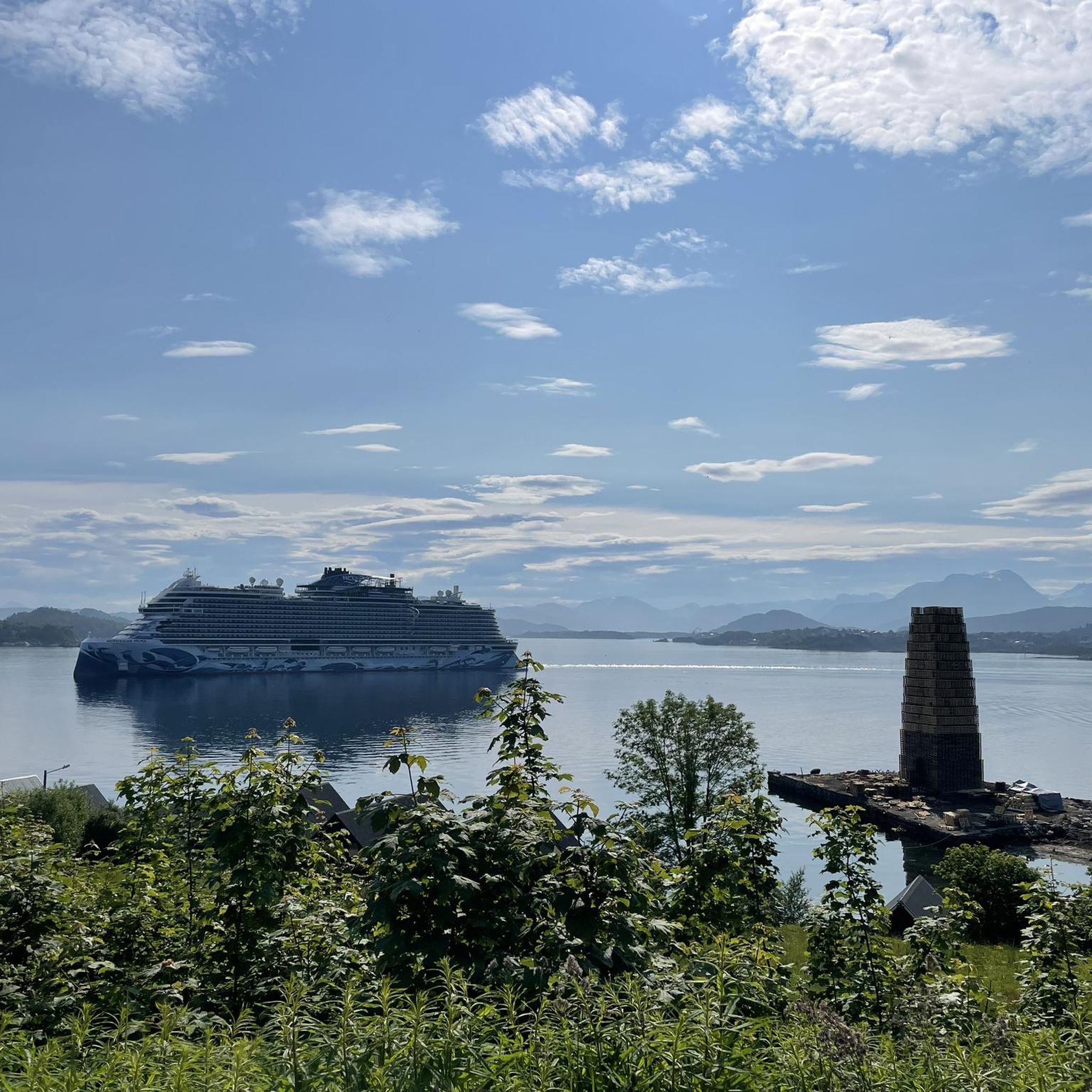
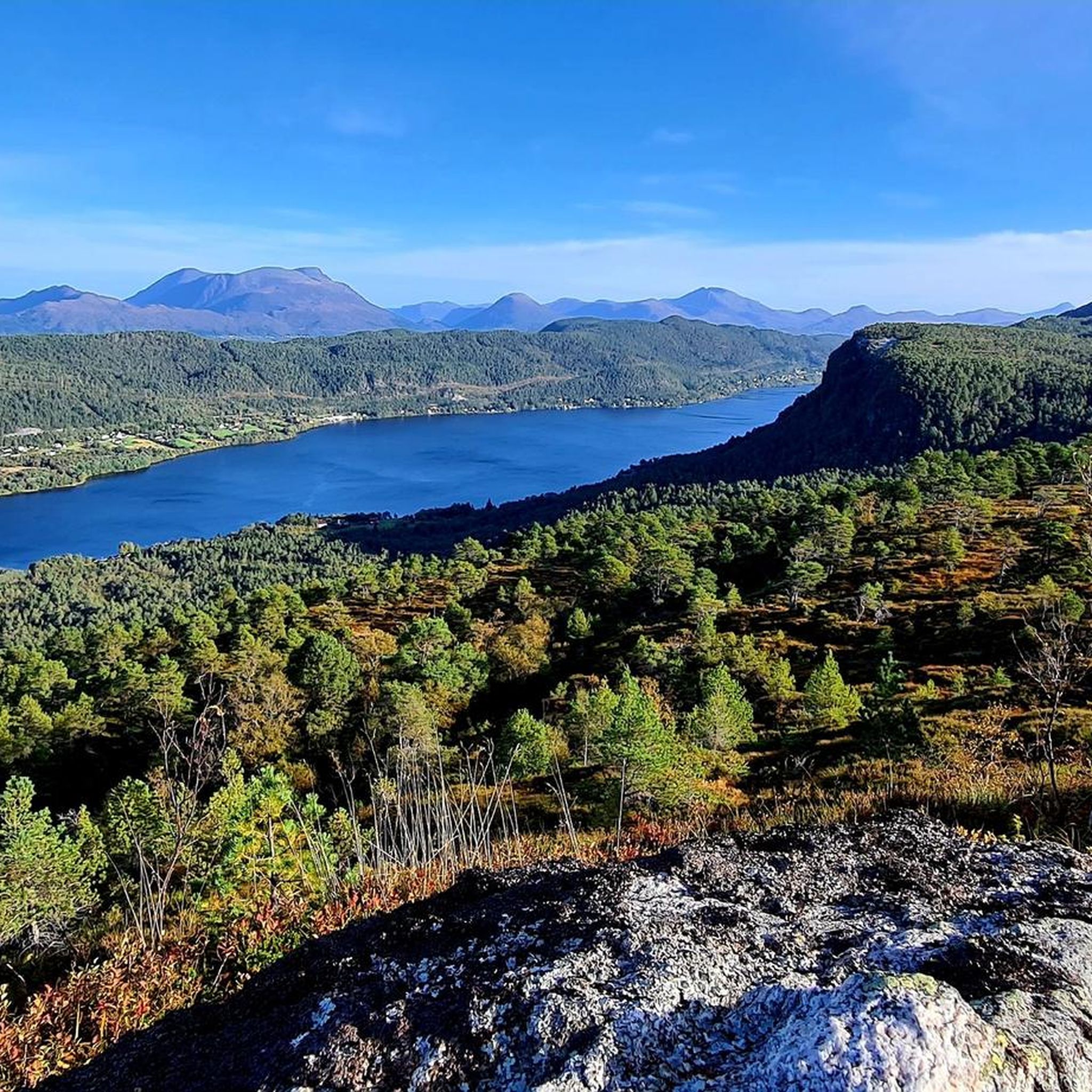
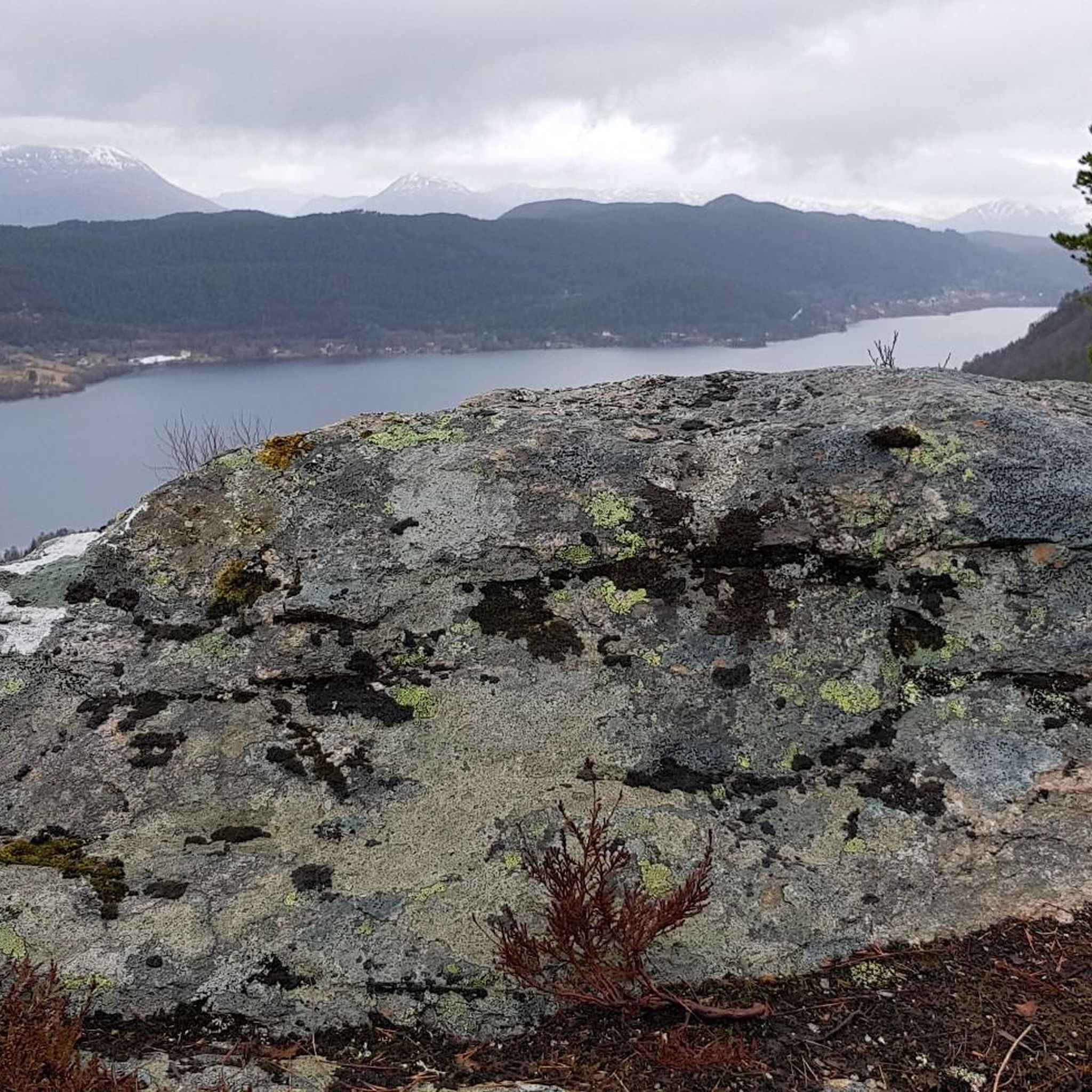
Tips from the Community

The Sunnmøre Alps Mountain Pass goes through a dramatic mountain range in western Norway noted for jagged, rocky peaks rising steeply from the fjords. This is but one pass in the area that is famed for its epic scenic drives, summit-to-sea skiing and multi-day hiking.
0
0

Lillevannet lies like a calm sheet of water, backed by dark, rounded hills and a ribbon of greenery along the shore. The surface is wide and reflective—perfect for a slow pause, especially where the grassy bank meets the path. Nearby houses peek through the trees, so the mood stays peaceful but never isolated. On clear moments, the valley views open up and the whole lake feels sheltered and still.
0
0

Beautiful place to rest and enjoy the view! If there are already many people there, you can simply walk a bit further and find many other viewpoints.
1
0

A lovely walk along the coast. You might have to make your way through a small herd of goats.
1
0

Great overview of the city
0
1

Standing by the sea, you see the plain rising before you in the east, over the edge of the hills. A wondrous, alluring realm of beauty.
1
1

A traffic-calmed area with nice little cafes and shops that invites you to stroll
1
0

Beautiful old Art Nouveau houses with impressive decorations
1
0
Frequently Asked Questions
What kind of terrain can I expect when road cycling in Solevågsfjellet Naturreservat?
Solevågsfjellet Naturreservat offers a diverse cycling experience, characterized by picturesque fjords and mountains. You'll find a mix of well-paved roads, but some routes may also include forest trails and gravel sections. Be prepared for varied surfaces, and some challenging segments with significant elevation gains.
Are there road cycling routes suitable for beginners in Solevågsfjellet Naturreservat?
Yes, there are routes suitable for beginners. For an easier ride, consider the Molde Bathing Spot loop from Ytre Hatlane, which is 26.2 km with moderate elevation, or the View of Ålesund from Aksla – Molde Bathing Spot loop from Hatlane, a shorter 19.6 km option.
Where can I find challenging road cycling routes in the area?
For a more challenging experience, the Standalseidet Pass – Fonnarunen loop from Ålesund sjukehus is a difficult 102.8 km route featuring over 1100 meters of elevation gain. Another demanding option is the Roadbike loop from Slettereit, a 68.1 km route with significant climbing.
What are some notable viewpoints or landmarks I can see while cycling?
Many routes offer stunning views of Ålesund and its bay, particularly from vantage points like Fjellstua. The region is also known for its dramatic fjords and snow-covered mountains. The Standalseidet Pass itself provides a beautiful valley landscape. For a different perspective, a hike to Trollhaugen (263 meters above sea level) from Eikremsvannet offers panoramic views.
How many road cycling routes are available in Solevågsfjellet Naturreservat?
There are 10 road cycling routes documented in Solevågsfjellet Naturreservat, catering to various skill levels from easy to difficult.
What do other cyclists say about road cycling in Solevågsfjellet Naturreservat?
The routes in Solevågsfjellet Naturreservat are highly rated by the komoot community, with an average score of 4.6 stars from 7 reviews. Over 300 road cyclists have explored the varied terrain, often praising the stunning fjord and mountain scenery.
Are there any circular road cycling routes in Solevågsfjellet Naturreservat?
Yes, many of the routes are designed as loops. Examples include the Roadbike loop from Slettereit and the Skinstadreset naturreservat loop from Ytre Hatlane, allowing you to start and end at the same point.
What is the best time of year for road cycling in Solevågsfjellet Naturreservat?
While specific seasonal conditions can vary, the region's blend of well-maintained routes and natural scenery makes it attractive for road cycling. Consider checking local weather forecasts, especially for snow conditions in higher elevations or passes like Standalseidet, which can be snow-covered outside of peak summer months.
Can I expect any unpaved sections on road cycling routes in Solevågsfjellet Naturreservat?
Yes, some road cycling routes in Solevågsfjellet Naturreservat may include gravel sections or forest trails. While many are paved, be prepared for mixed surfaces, especially on more adventurous routes or those traversing passes like Standalseidet, where some gravel is noted.
Are there places to rest or picnic along the routes?
While specific picnic spots aren't detailed for every route, the region offers natural resting places. For instance, benches are strategically placed around Eikremsvannet and at Storskarnakken, providing scenic spots to take a break.
What is the longest road cycling route available in Solevågsfjellet Naturreservat?
The longest road cycling route is the Standalseidet Pass – Fonnarunen loop from Ålesund sjukehus, which spans 102.8 km and typically takes around 4 hours and 51 minutes to complete.
Most popular routes in Solevågsfjellet Naturreservat

Get inspired with the komoot mobile app


Explore more
Browse the best Road cycling routes in other regions.
