Top 20 Castles around Esthal
Best castles around Esthal are located in the Bad Dürkheim district of Rhineland-Palatinate, Germany. This region features historical remnants of castles, offering insights into its past. The area is characterized by its natural beauty within the Palatinate Forest, providing picturesque surroundings for exploring these historical sites. Visitors can discover various fortifications and noble family heritage.
Best castles around Esthal
- The most popular castles is Hambach Castle, a castle and historical site known as the birthplace of German democracy. It…
Last updated: August 16, 2026
Rietburg (castle ruins with mountain restaurant)
Highlight • Castle
On a nice weekend you will rarely get a table on the terrace of the restaurant.
Above the restaurant on the ruins but you always have the opportunity to enjoy the view.
Translated by Google •
Tip by

Hambach Castle
Highlight • Castle
Translated by Google •
Tip by

Sign up now to discover places like this
Get recommendations on the best single tracks, peaks, & plenty of other exciting outdoor places.
Sign up for free
Wolfsburg Castle Ruins (Neustadt an der Weinstraße)
Highlight • Castle
Translated by Google •
Tip by

Kropsburg
Highlight • Castle
Translated by Google •
Tip by

Five Castles Viewpoint
Highlight • Viewpoint
Translated by Google •
Tip by

Sign up for free to discover even more castles around Esthal.
Sign up for free
Already have an account?
Start today with a free account
Your next adventure awaits.
Login or Signup
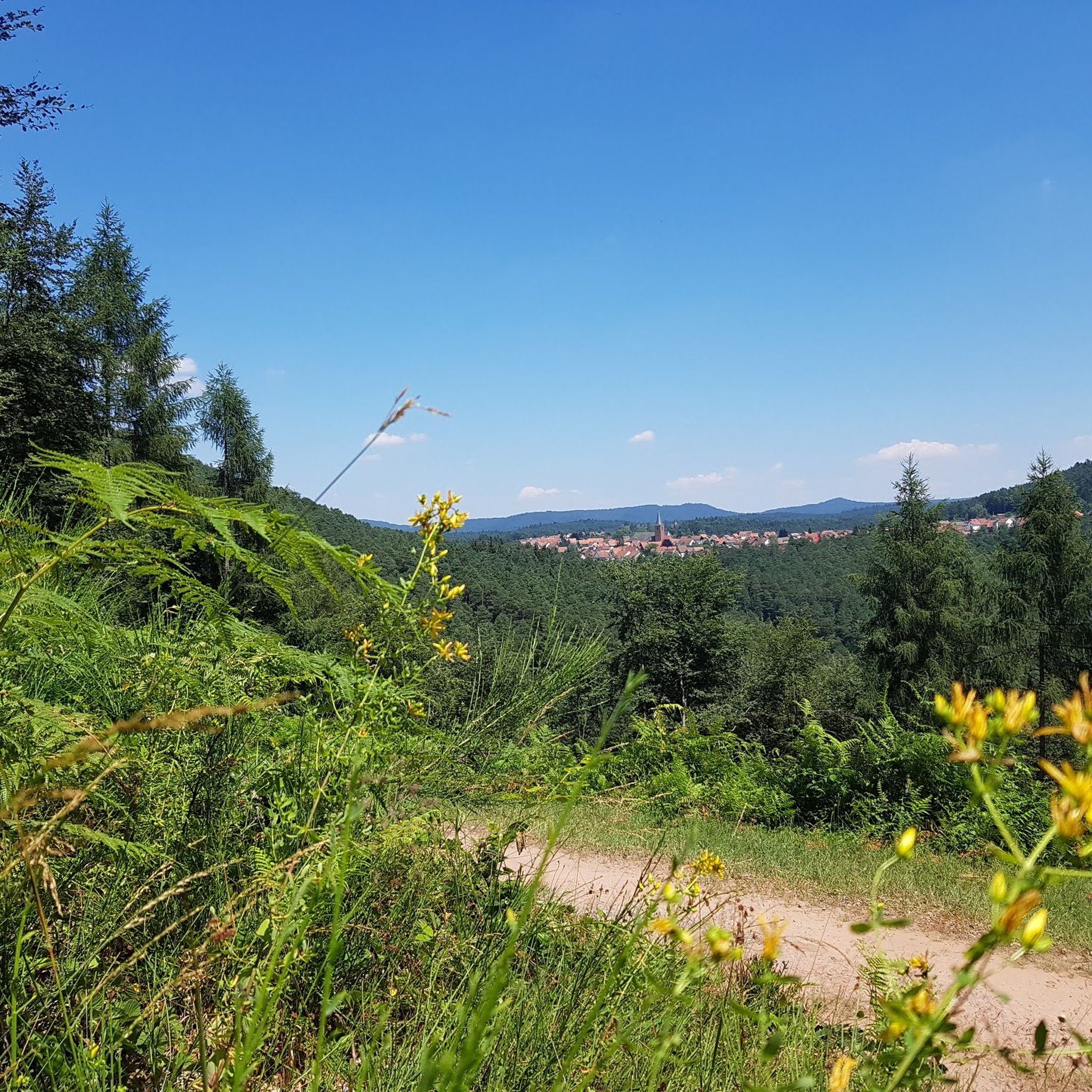
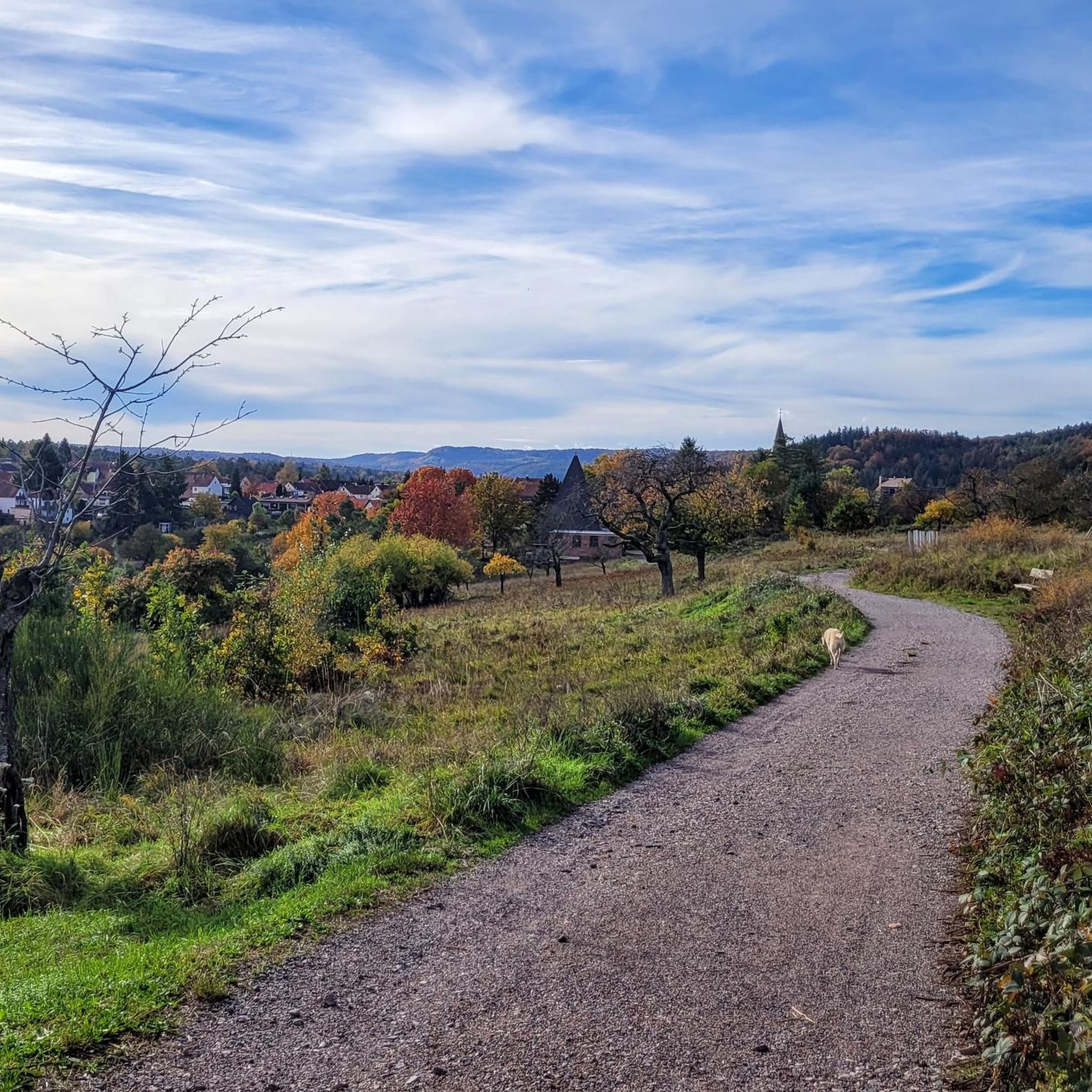
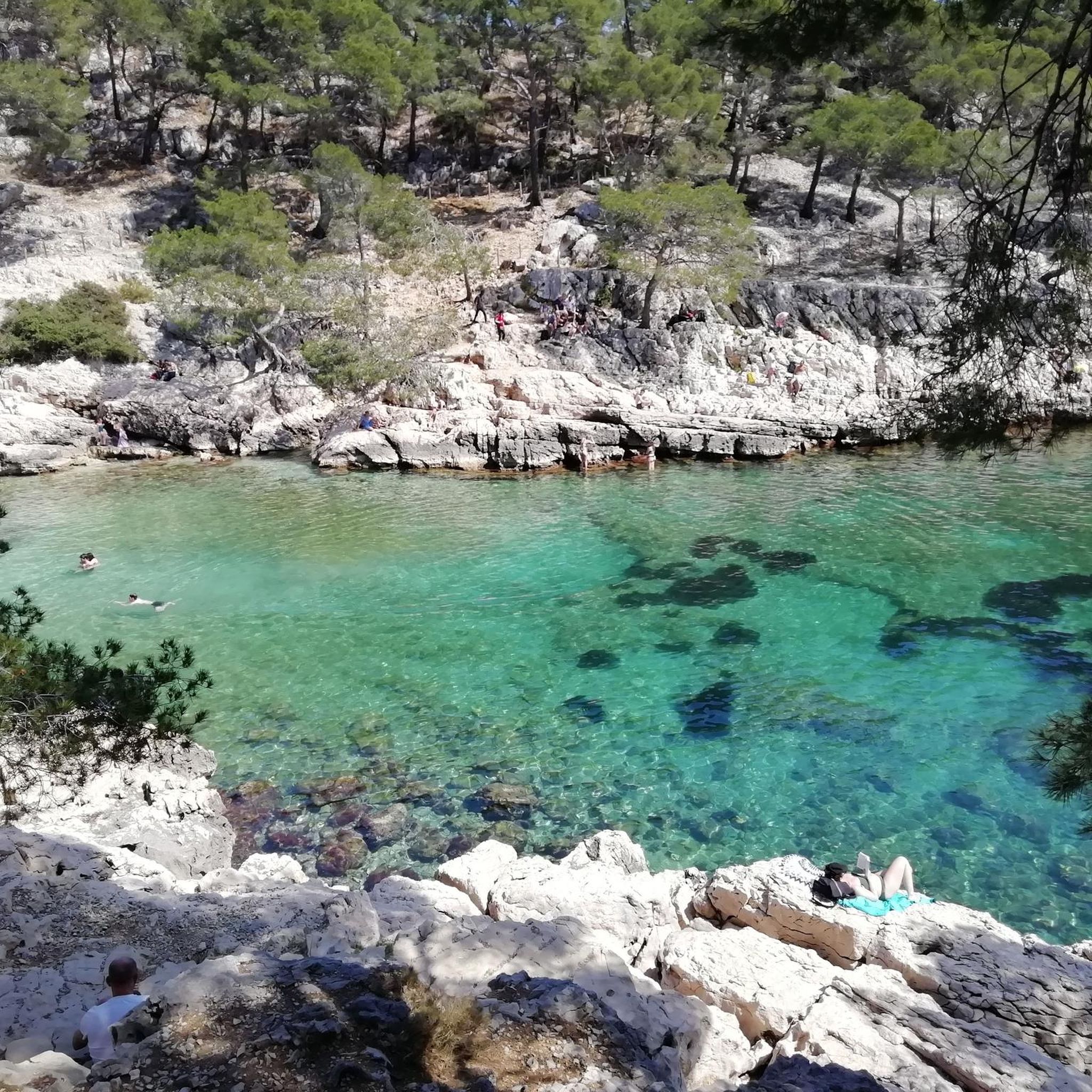
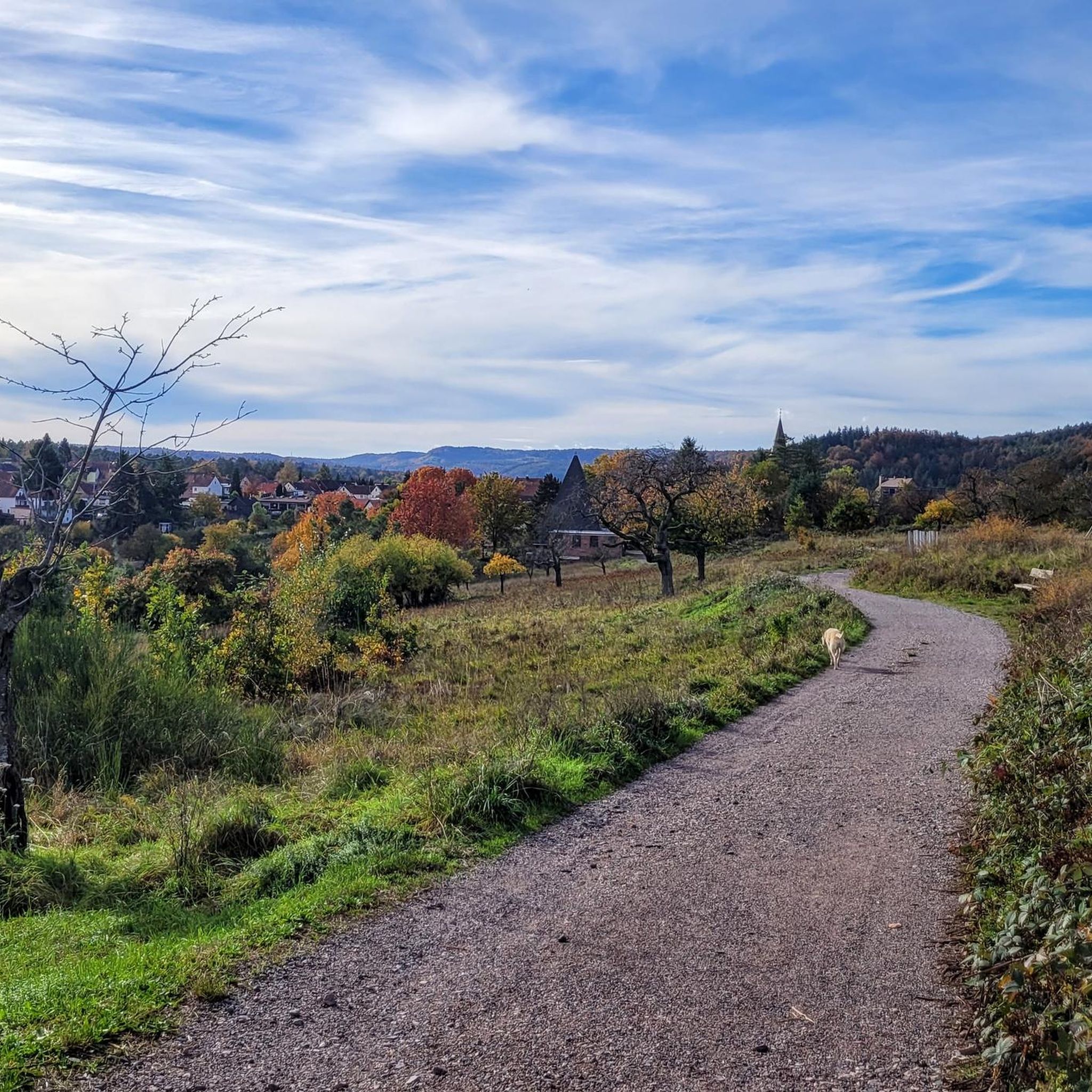
Tips from the Community

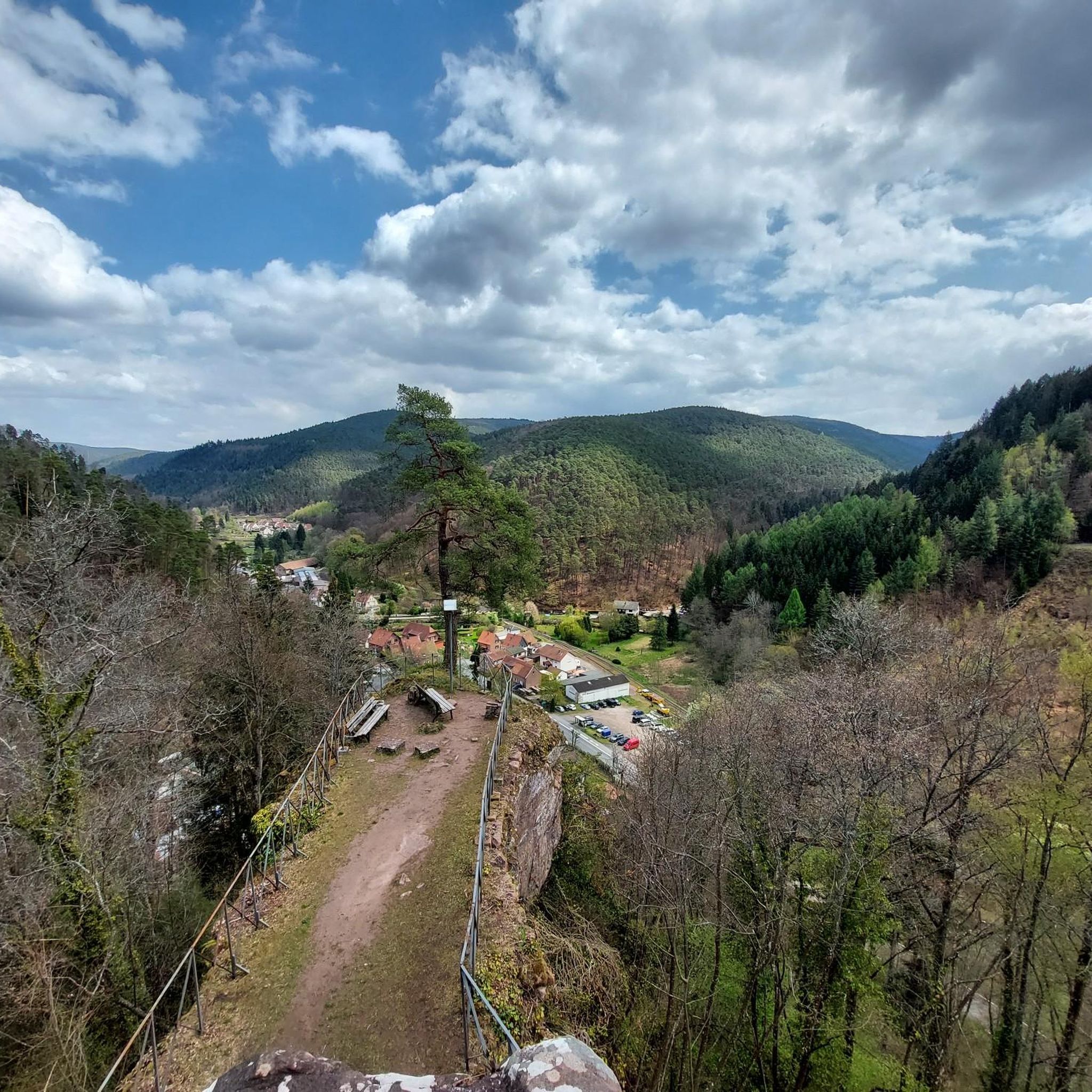
Small castle ruins with a great view of Neustadt
20
1

The construction of the Kropsburg goes back to the Staufer and is dated to around 1200; At that time, a whole ring of castles was built to shield the Reichsburg Trifels, which was about 20 km away. Similar to the Hambach Castle to the north and the Rietburg Castle to the south, the Kropsburg offered a wide view of the Rhine plain. Initially, the Kropsburg was the seat of a ministerial. It was later inherited by the descendants of the vassals and thus became the Ganerbenburg with several owners, who expanded it into an upper and a lower castle. A small dominion, which consisted of the towns of Sankt Martin, Maikammer and Winnweiler, belonged to the castle.[2] After the end of the Staufers in the second half of the 13th century, it came into the possession of the Bishopric of Speyer. This enfeoffed various noble houses with the Kropsburg, including those of Kropsberg, von Ochsenstein and von Odenbach. John III Chamberlain von Worms first acquired a house in Kropsburg in 1323 from his son-in-law, Merkel von Kropsburg. In 1345 he then bought his entire 50% share in the castle and associated goods. The descendants of John III. between 1393 and 1439 they also bought the second half of the Kropsburg, so that it now belonged exclusively to the family of the chamberlains from Worms.[3] From 1492 to 1531 Johann XXII was from this family. Chamberlain of Worms Lord of the Kropsburg and in St. Martin, where his magnificent tomb is preserved in the local Martinskirche. In 1522, the castle chapel St. Ägidius is mentioned in a document, for which Georg von Schwalbach, cathedral custodian and general vicar of the Speyer diocese, approved the safekeeping of the holy of holies. The chaplain of St. Martin also receives permission to work there as a pastor.[4] While the Kropsburg survived the turmoil of the Peasants' War and the Thirty Years' War almost unscathed in the 16th and 17th centuries, it was completely and finally destroyed by French troops in 1689 during the Palatinate War of Succession. In 1771 Jakob Amandus von Dalberg built a new stately home on the ruins of the lower castle. After remodeling and modernization, it later operated as a restaurant until it closed. The new restaurant built on the site is known for its panoramic view over the Rhine plain. from Wikipedia
11
0

Apart from the touch of history, the castle offers a wonderful view of the surrounding area. Very nice, definitely worth a detour. Gastronomy is not neglected. You can also enjoy the surroundings with a piece of cake and a cup of coffee on the terrace of the cafeteria.
11
1


Great castle ruins with a dream view, rummaging around was also fun
18
1

A cool wine spritzer on the terrace and enjoy the magnificent view. What more could you want, simply brilliant.
9
0

The Kropsburg is located in the district of the southern Palatinate wine-growing community St. Martin in the district of Südliche Weinstrasse (Rhineland-Palatinate). Before its destruction in 1689, it was u. a. Seat of the highest barons of the empire, the Knights of Dalberg. A successor building erected in 1771 by a Dalberg descendant from the rubble in the courtyard of the lower castle was operated as a restaurant. This restaurant is now closed and the castle is no longer accessible. However, there is a newer restaurant in the outer bailey.
11
0
Frequently Asked Questions
What kind of castles can I expect to find around Esthal?
Around Esthal, you'll primarily find historical castle ruins nestled within the picturesque Palatinate Forest. These include the ruins of Erfenstein Castle and Breitenstein Castle, which offer a glimpse into the region's medieval past. Additionally, nearby highlights like Hambach Castle and Wolfsburg Castle Ruins provide further historical and scenic experiences.
Are there any family-friendly castles to visit near Esthal?
Yes, several castles around Esthal are considered family-friendly. Hambach Castle is a great option, offering an interesting museum about German democracy. Rietburg, a castle ruin with a mountain restaurant, is also popular with families, and even features a chairlift for easier access, making it suitable for various ages.
Which castles offer the best panoramic views?
For stunning panoramic views, consider visiting Rietburg, which provides a great vista from its mountain restaurant. Hambach Castle also offers beautiful views of the Rhine plain from its elevated position. The Wolfsburg Castle Ruins near Neustadt an der Weinstraße are known for a fantastic view over Neustadt itself.
Can I combine a castle visit with hiking or cycling?
Absolutely! The castles around Esthal are often situated within the Palatinate Forest, making them ideal for combining with outdoor activities. You can find numerous hiking trails connecting these historical sites. For cycling enthusiasts, there are dedicated guides for road cycling, gravel biking, and general cycling routes around Esthal that often pass by or near these castles.
Are there any castles with restaurants or refreshment options?
Yes, Rietburg is a castle ruin that features a popular mountain restaurant, offering a great spot for refreshments with a view. While the original restaurant at Kropsburg is closed, there is a newer restaurant in its outer bailey, the Burgschänke, known for its good food and pleasant atmosphere.
What is the historical significance of the castles in this region?
The castles around Esthal, such as Erfenstein Castle and Breitenstein Castle Ruin, served as seats for noble families and played a role in the region's medieval history. Hambach Castle holds particular historical importance as the birthplace of German democracy, making it a significant cultural monument.
Is public transport available to reach the castles?
While direct public transport to all castle ruins might be limited, Erfenstein Castle is conveniently located near a halt on the Little Cuckoo Railway (Kuckucksbähnel), a heritage railway running between Neustadt an der Weinstraße and Elmstein, offering a scenic way to reach the site. For other castles, it's often best to combine public transport to nearby towns with a hike.
What is the best time of year to visit the castles around Esthal?
The Palatinate Forest region, where these castles are located, is beautiful throughout the warmer months. Spring and autumn offer pleasant temperatures for hiking and exploring the ruins amidst vibrant foliage or blooming nature. Summer is also suitable, though it can be warmer. Winter visits might be possible, but some facilities or trails could have limited access.
Are the castle ruins accessible for visitors with limited mobility?
Many castle ruins, by their nature, involve uneven terrain and steps, which can be challenging for visitors with limited mobility. However, Rietburg offers a unique feature: a chairlift that can assist older visitors or those who might find the ascent difficult, allowing them to enjoy the views and restaurant.
Can I bring my dog to the castles and on nearby trails?
The Palatinate Forest generally welcomes dogs on its hiking trails, provided they are kept on a leash. Specific rules for individual castle grounds may vary, but exploring the exterior ruins and surrounding natural areas with a dog is usually possible. Always check local signage for any restrictions.
Are there any hidden gems or lesser-known castles worth exploring?
Beyond the more prominent sites, the region is dotted with numerous smaller ruins. While Erfenstein Castle and Breitenstein Castle Ruin are well-known locally, exploring the trails around Esthal can lead you to other historical remnants within the Palatinate Forest, offering a sense of discovery for those interested in less-frequented spots.
What kind of natural features can I expect to see near the castles?
The castles around Esthal are deeply integrated into the Palatinate Forest, a region known for its dense woodlands, sandstone rock formations, and scenic valleys. You can expect to encounter lush forests, picturesque viewpoints, and diverse flora and fauna while exploring the trails that connect these historical sites.
Most popular routes around Esthal
Most popular attractions around Esthal

Get inspired with the komoot mobile app


Explore more
Looking for the best castles somewhere else? Discover other guides around Esthal:
