Top 8 Castles around Gau-Weinheim
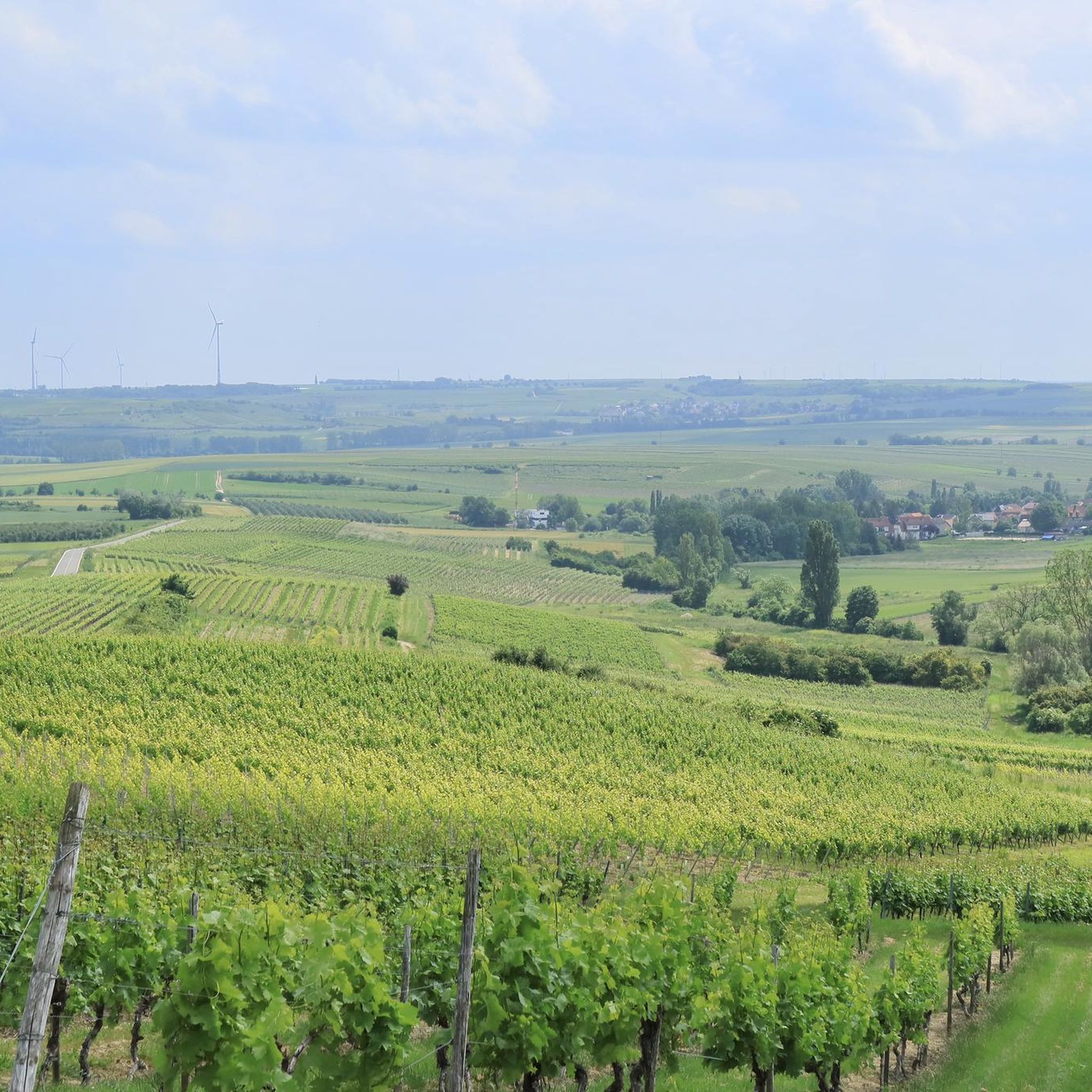
Best castles around Gau-Weinheim are found within the scenic Rheinhessen region, characterized by its rolling vineyards and historical significance. While Gau-Weinheim itself is known for its unique Leaning Tower, the surrounding area offers a variety of historical defensive structures and castle ruins. These sites provide insights into medieval history and are often situated along popular hiking and walking routes. The landscape combines natural tranquility with architectural heritage, making it suitable for exploration.
Best castles around Gau-Weinheim
- The most popular castles…
Last updated: June 22, 2026
Ruins of the Eleven-Thousand Maidens Tower
Highlight • Historical Site
Showing Translation
Tip by

Westerhaus Castle
Highlight • Castle
Translated by Google •
Tip by

Sign up now to discover places like this
Get recommendations on the best single tracks, peaks, & plenty of other exciting outdoor places.
Sign up for free
Neuenbaumburg Castle Ruins and St. Dionysius Church
Highlight • Castle
Translated by Google •
Tip by

Ruins of New Baumburg Castle
Highlight • Castle
Translated by Google •
Tip by

Wallbrunn Castle
Highlight • Castle
Translated by Google •
Tip by

Sign up for free to discover even more castles around Gau-Weinheim.
Sign up for free
Already have an account?
Start today with a free account
Your next adventure awaits.
Login or Signup
Tips from the Community

Short steep ramp to the ruin and the chapel over cobblestones
0
0

The owners were the Barons von Wallbrunn and von Wambold, who were able to continue their originally rich, knightly rule together until the end of the 18th century, when the French occupied the left bank of the Rhine. The seat of power of the von Wallbrunns was Wallbrunn Castle, which was located below the fortified church. It was built in 1459 AD and is said to have been connected to the church by underground passages. The church was built in 1190 AD and burned down in 1435 AD. After its reconstruction, it became a place of pilgrimage for many believers, because the fire had spared the monstrance with the hosts - after such great destruction, this was nothing short of a miracle! The original, old stained glass windows and the altar of the church can be viewed in the museum in Darmstadt. From 1467 to 1790 AD, the von Wallbrunns were uninterrupted rulers of Partenheim. However, during the French Revolution, the German nobility was expelled from the left bank of the Rhine, and Partenheim also fell victim to the French occupation. The widow of the last Baron von Wallbrunn, however, put up with the French rule and was able to save the property and the castle. She died in 1832 at the age of 82, and her son also died a few years later. With his death in 1838, the family died out, and the property passed to three Partenheim citizens. Source: Schlossgut Deutschmann
1
0

Wallbrunn was probably built in the 14th century and has been rebuilt and expanded several times since then. Kuno von Wallbrunn zu Partenheim is said to have taken over major ownership rights in the village as early as 1493. In the 16th century, Hans Reinhard I von Wallbrunn lived permanently in Partenheim and is said to have played a major role in the reconstruction of the castle. This gave the building a Renaissance and Baroque influence. In 1834, the merchant Georg Dael took over the castle and sold it on just one year later to three families who still own the property today. (Source: https://www.partenheim.de/index.php/tourismus/ortsrundgang/ehemaliges-schloss-der-herren-von-wallbrunn ) The castle is not open to the public.
1
0

This hilltop castle was built around 1250 and destroyed in 1668
1
0

The owners were the Barons von Wallbrunn and von Wambold, who were able to jointly continue their originally knightly rule until the end of the 18th century, when the French occupied the left bank of the Rhine. The seat of power for the von Wallbrunns was Wallbrunn Castle, which was located below the fortified church. It was built in 1459 AD and is said to have once been connected to the church by underground passages. The church was built in 1190 AD and burned down in 1435 AD. After its reconstruction, it became a place of pilgrimage for many believers, because the fire had spared the monstrance with the hosts - after such great destruction, this was nothing short of a miracle! The original, old stained glass windows and the altar of the church can be viewed in the museum in Darmstadt. From 1467 to 1790 AD, the von Wallbrunns were rulers of Partenheim without interruption. During the French Revolution, however, the German nobility was expelled from the left bank of the Rhine, and Partenheim also fell victim to the French occupation. However, the widow of the last Baron von Wallbrunn put up with the rule of the French and was able to save the property and the castle. She died in 1832 at the age of 82, and her son also died a few years later. With his death in 1838, the family died out and the property passed to three Partenheim citizens. Source: Schlossgut Deutschmann
1
0

It's always a nice place to stop. With a picnic blanket you can always find a shady spot here. There is a clean public toilet behind the church.
1
0

Beautiful castle complex, worth a visit
0
0
Partenheim, a municipality with a rich historical tradition, has a remarkable and magnificent castle in the municipality of Wörrstadt next to Armsheim. Already under the Merovingians the place came to the Metz and Trier church and already in the year 863 Partenheim is attested as a bishopric of Metz. In 1158, Archbishop Hillin von Trier gave parts of the Partenheim estate to the Worms cathedral chapter in order to acquire Nassau Castle (Lahn). https://www.partenheim.de/index.php/tourismus/gebaeude/schloss-wallbrunn
2
0
Frequently Asked Questions
What unique historical landmark can I find in Gau-Weinheim itself?
Gau-Weinheim is home to the Leaning Tower of Gau-Weinheim. This medieval defensive tower, dating back to the 12th century, is famous for its significant lean, which is greater than that of the Leaning Tower of Pisa. It was recognized as the world's most tilted tower in 2022. You can explore its exterior at any time, and guided tours are available upon request.
Are there any castle ruins to explore near Gau-Weinheim?
Yes, the area offers several interesting castle ruins. You can visit the Neuenbaumburg Castle Ruins and St. Dionysius Church, which consists of an irregularly rectangular core castle and an adjacent Catholic Church. Another historical site is the Ruins of the Eleven-Thousand Maidens Tower, a late medieval roadblock steeped in legend.
Can I visit a castle that is also a vineyard estate?
Absolutely. Westerhaus Castle is a romantic castle and vineyard estate, owned by the von Opel family since 1900. It is considered the largest estate in Rheinhessen and offers beautiful views. You can often taste and purchase exquisite wines there by prior arrangement.
What is the story behind the 'Ruins of the Eleven-Thousand Maidens Tower'?
The Ruins of the Eleven-Thousand Maidens Tower, also known as the Eleven-Thousand Maiden Mill, is named after a legend. It's said that Saint Ursula of Cologne and her entourage of 11,000 virgins found shelter there on their way back from a pilgrimage to Rome. This late medieval roadblock was once part of an old road from Mainz to Kreuznach.
Are there hiking opportunities around the castles near Gau-Weinheim?
Yes, the castles and historical sites are often situated along popular hiking and walking routes. You can find various trails, such as the 'Gentle Hills of Rhenish Hesse loop from Gau-Weinheim' or the 'View of Wißberg – Bench With Vineyard View loop from Gau-Weinheim'. For more hiking options, explore the Hiking around Gau-Weinheim guide.
What other outdoor activities are available near these historical sites?
Beyond hiking, the scenic Rheinhessen region offers opportunities for running and road cycling. You can find routes like the 'Nandu Enclosure Rommersheim – Sculpture Trail Rhenish Hesse loop' for running, or 'Flonheim – Tiefenthaler Höfchen loop' for road cycling. Check out the Running Trails around Gau-Weinheim and Road Cycling Routes around Gau-Weinheim guides for detailed routes.
Are the castles around Gau-Weinheim suitable for families?
Many of the historical sites are family-friendly. For example, the Ruins of the Eleven-Thousand Maidens Tower and Westerhaus Castle are noted as suitable for families, offering historical exploration and scenic surroundings. The Kandelpforte Gate in Neu-Bamberg is also a family-friendly historical sight.
Are there good viewpoints near the castles?
Yes, several castles and historical sites offer great views. Westerhaus Castle is known for its excellent panoramic views over the Rheinhessen landscape. The Neuenbaumburg Castle Ruins and the Kandelpforte Gate also provide scenic vantage points.
What is the best time of year to visit the castles and historical sites in this region?
The Rheinhessen region, with its vineyards, is particularly beautiful during spring and autumn. Spring offers blooming landscapes, while autumn brings vibrant colors and harvest festivals. However, the historical sites are generally accessible year-round, with the Leaning Tower of Gau-Weinheim's bells ringing daily (except Sundays and holidays) at 11 AM, 1 PM, and 6 PM.
What do visitors enjoy most about the castles and historical sites around Gau-Weinheim?
Visitors appreciate the blend of historical significance and natural beauty. The unique tilt of the Leaning Tower of Gau-Weinheim is a major draw, while the castle ruins offer a glimpse into medieval history. The scenic views from places like Westerhaus Castle and the opportunity to combine historical exploration with hiking or cycling through the vineyards are also highly valued by the komoot community.
Is there a fortified gatehouse I can visit in the area?
Yes, the Kandelpforte Gate in Neu-Bamberg is a well-preserved example of a medieval fortified gatehouse. It was part of the former town fortifications and dates back to the 14th century, offering a fascinating look into the region's defensive architecture.
Most popular routes around Gau-Weinheim
Most popular attractions around Gau-Weinheim

Get inspired with the komoot mobile app


Explore more
Looking for the best castles somewhere else? Discover other guides around Gau-Weinheim:
