Attractions and Places To See around Horschbach - Top 20
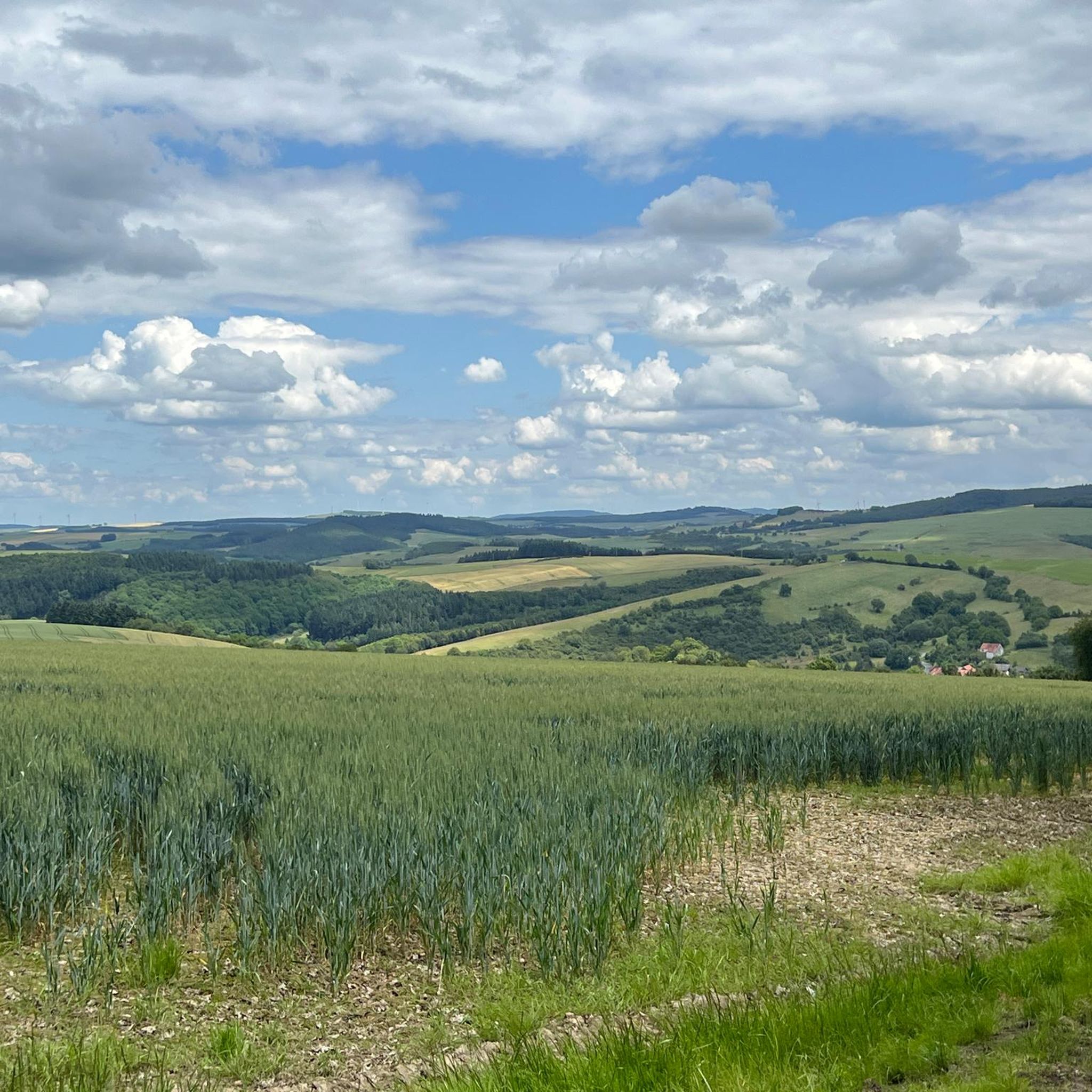
Attractions and places to see around Horschbach include a blend of historical sites and natural landscapes in Rhineland-Palatinate, Germany. Situated at the foot of the Palatinate Mountains, the municipality offers access to forests, the Nahe River, and the Glan River. The area features cultural landmarks like the Protestant Church and natural highlights such as Herrmannsberg Hill, providing opportunities for hiking and exploring.
Best attractions and places to see around Horschbach
- The most popular attractions is Keep of Alt-Wolfstein Castle,…
Last updated: October 9, 2026
Ruins of Neu-Wolfstein Castle
Highlight • Castle
Translated by Google •
Tip by

Historic Lauter Bridge
Highlight • Bridge
Translated by Google •
Tip by

Sign up now to discover places like this
Get recommendations on the best single tracks, peaks, & plenty of other exciting outdoor places.
Glan Bridge and the Nepomuk statue in Lauterecken
Highlight • Bridge
Translated by Google •
Tip by

Keep of Alt-Wolfstein Castle
Highlight • Castle
Translated by Google •
Tip by

Historic Old Town of Wolfstein
Highlight • Historical Site
Translated by Google •
Tip by

Sign up for free to discover even more attractions around Horschbach.
Already have an account?
Start today with a free account
Your next adventure awaits.

Tips from the Community

five-arched quarry stone bridge over the Lauter with breakwaters, before the middle of the 17th century
3
0

The old town offers some beautiful half-timbered houses and places to stop for a bite to eat.
0
0

🏘️ Historic Old Town Wolfstein – Half-timbered houses, history & narrow alleys The old town of Wolfstein impresses with lovingly restored half-timbered houses, winding alleys, and traces of medieval urban development. Here, living history meets a cozy atmosphere – ideal for a short detour off the main path. Tip: Definitely take a look into the side alleys – they often hide the most beautiful details and small photo opportunities.
0
0

Old bridge with round arches and statue
3
0


Since 1930, Neu-Wolfstein Castle has been a memorial to those who fell in both world wars
5
0

Today's Glan Bridge is a prestressed concrete bridge from 1997. It already had two stone and certainly several wooden predecessors. The Glan - the longest river in the Palatinate - has its source on the Höcherberg near Bexbach and crosses the border from Saarland to Rhineland-Palatinate after about 2 km. On its almost 90 km long path to the confluence with the Nahe, it also flows through the town of Lauterecken. Here it picks up the Lauter, also known as the Waldlauter, coming from the right. The name of the settlement, which was founded as a village around 1000 AD, came from the Landecke or confluence, called “Lautereck”. In a document from 1343, the name "Lutereck" is given for the settlement and the deep castle of the Counts of Veldenz. The triangle in the former and present coat of arms of the city is also modeled on the estuary triangle. Today's Nepomuk statue is a reproduction from 1997, the original is in the Veldenz Castle. Source and more details from: KuLaDig, Kultur.Landschaft.Digital. URL: https://www.kuladig.de/Object-View/KLD-328412
3
0

Very interesting building. Details can be found on a notice board.
2
0
Frequently Asked Questions
What historical landmarks can I explore near Horschbach?
Horschbach and its surroundings offer several historical sites. You can visit the Ruins of Neu-Wolfstein Castle and the Keep of Alt-Wolfstein Castle, both offering beautiful views. The Historic Lauter Bridge is another impressive site with information boards detailing its long history. Additionally, the Historic Old Town of Wolfstein features charming half-timbered houses. Within Horschbach itself, the Protestant Church, built in 1791, is a significant historical building.
Where can I find scenic viewpoints around Horschbach?
For panoramic views, the Keep of Alt-Wolfstein Castle provides magnificent vistas of the surrounding hills and the Lautertal. The Ruins of Neu-Wolfstein Castle also offer a beautiful perspective over Wolfstein. Further afield, Lichtenberg Castle, one of Germany's largest castle ruins, provides impressive views of the region.
What natural attractions are there around Horschbach?
Horschbach is nestled at the foot of the Palatinate Mountains, offering picturesque forests ideal for exploration. The Herrmannsberg Hill, at 563 meters high, is within the municipality's limits and provides hiking opportunities. You can also enjoy walks along the Horschbach Brook, the village's namesake, or explore the scenic banks of the Nahe River.
Are there hiking opportunities near Horschbach?
Yes, the region around Horschbach is excellent for hiking. The Herrmannsberg offers routes like the 'Herrmannsberger High Tour 'Römertour'' which follows an old Roman road, and the 'Herrmannsberg high route' with romantic corners and scenic views. The Lichtenberg Forest is also ideal for hiking. For more specific routes, you can explore options like 'View from Mittagsfels' or 'SWR1 Community – Majestic Poplars by the Path' which are part of the Hiking around Horschbach guide.
Are there cycling routes available around Horschbach?
Absolutely. The Nahe cycle path offers opportunities for cycling through idyllic landscapes. For road cycling, routes like 'Glan Valley Draisine Route – Glan River loop from Niederalben' are available. If you prefer gravel biking, consider routes such as 'Niederberg Tunnel – Old Railway Bridge loop from Rammelsbach'. You can find more details in the Road Cycling Routes around Horschbach and Gravel biking around Horschbach guides.
What cultural activities or museums can I visit on a rainy day near Horschbach?
On a rainy day, you might consider visiting the Pfeifenmacherhaus Museum or the Kuseler Musikantenland Museum, both suggested as worthwhile cultural explorations in the nearby Kusel region. The Alte Post Art Museum and Kusel Theatre also offer art exhibitions or performances for those interested in the arts.
Are there any local cultural events or traditions in Horschbach?
Horschbach is known for its community spirit and local traditions. The annual kermis (church consecration festival) is a regular event held on the third weekend in July. The village also has several active clubs, including a shooting club, a tennis club, and the 'Liederkranz' singing club, founded in 1872, which contribute to the local cultural scene.
What do visitors enjoy most about the attractions near Horschbach?
Visitors particularly appreciate the historical significance and the stunning views from the castle ruins. For example, the climb to the Keep of Alt-Wolfstein Castle is highly recommended for its magnificent panorama. The Historic Old Town of Wolfstein is also loved for its charming, lovingly designed streets and half-timbered houses.
Are there family-friendly attractions or activities around Horschbach?
Yes, several attractions are suitable for families. The Historic Lauter Bridge is a fascinating site for all ages, with information boards to learn about its history. The Glan Bridge and the Nepomuk statue in Lauterecken is another family-friendly spot. Exploring the Historic Old Town of Wolfstein can also be an enjoyable experience for families.
What is Lichtenberg Castle and how far is it from Horschbach?
Lichtenberg Castle, located near Thallichtenberg in the district of Kusel, is a prominent medieval ruin and one of Germany's largest castle ruins, measuring 425 meters long. It offers impressive views, houses a restaurant, a youth hostel, and a church. While not directly in Horschbach, it's a significant nearby attraction often associated with a visit to the area, providing a rich historical experience.
Can I find places for a relaxing walk by the water near Horschbach?
Yes, you can enjoy relaxing walks along the Horschbach Brook, which flows through the village. Additionally, the Nahe River, known for its picturesque banks, offers pleasant walking opportunities. The confluence of the Lauter and Glan rivers near Lauterecken is also a cozy spot for a stroll.
Most popular routes around Horschbach
Most popular attractions around Horschbach

Get inspired with the komoot mobile app


Explore more
Still not found the Highlight you’re looking for? See guides of the top attractions in other regions:
