Top 14 Castles around Rammelsbach
Best castles around Rammelsbach are located in a region characterized by historical sites and natural landscapes. While Rammelsbach is known for its stone quarry museum, the surrounding area features several notable castle complexes. These sites offer insights into medieval history and regional heritage. The landscape includes rolling hills and forests, typical of the Palatinate mountains.
Best castles around Rammelsbach
- The most popular castles is Lichtenberg Castle, a castle that is one of the largest castle ruins in Germany. The complex includes three museums, a youth hostel, and a restaurant.
- Another must-see spot is Michelsburg Ruins at Remigiusberg, a historical castle ruin. Visitors can see a 20-meter-high shield wall, remnants of the palace, and a ring wall, offering views of the surrounding hills.
- Visitors also love Altes Schloss Ruins (1850), a historical castle ruin. The site features moss-covered stones and wall remnants, providing a glimpse into its past within a forest setting.
- Rammelsbach is known for various castle types, including extensive castle ruins, historical sites, and partially preserved complexes. The region offers a variety of castles to see and explore, from well-documented historical structures to more subtle ruins.
- The castles around Rammelsbach are appreciated by the komoot community, with more than 500 upvotes and over 800 photos shared by visitors.
Last updated: November 15, 2026
Lichtenberg Castle
Highlight • Castle
Translated by Google •
Tip by

Michelsburg Ruins at Remigiusberg
Highlight • Castle
Translated by Google •
Tip by

Sign up now to discover places like this
Get recommendations on the best single tracks, peaks, & plenty of other exciting outdoor places.
Altenburg Castle Ruins (Deinsberg)
Highlight • Castle
It was probably built in the second half of the 12th century. At that time, Emperor Barbarossa had several castles built to secure his country's borders. At that time, Theisbergstegen consisted of two towns belonging to different territories.
It is likely that the Altenburg was called Deinsberg Castle, as it was customary for lords and knights to name themselves after their castle residence. There is ample evidence of this, for example, Knight Anselm and Servant Heinrich, both of Deinsberg.
The castle was approximately 60 m long and 33 m wide.
The residential tower and gate tower were elevated and separated by a moat, which probably contained a cistern for rainwater.
It was probably destroyed as early as 1400.
Further information:
potzberg.de/index.php/die-altenburg
Translated by Google •
Tip by

Tithe Barn / Palatinate Musicians' Land Museum
Highlight • Castle
A major fire in 1799 completely destroyed this building.
It was rebuilt as a museum between 1979 and 1982.
The much-visited Musikantenlandmuseum has found its home here.
Translated by Google •
Tip by

Altes Schloss Ruins (1850)
Highlight • Castle
Translated by Google •
Tip by

Sign up for free to discover even more castles around Rammelsbach.
Already have an account?
Start today with a free account
Your next adventure awaits.
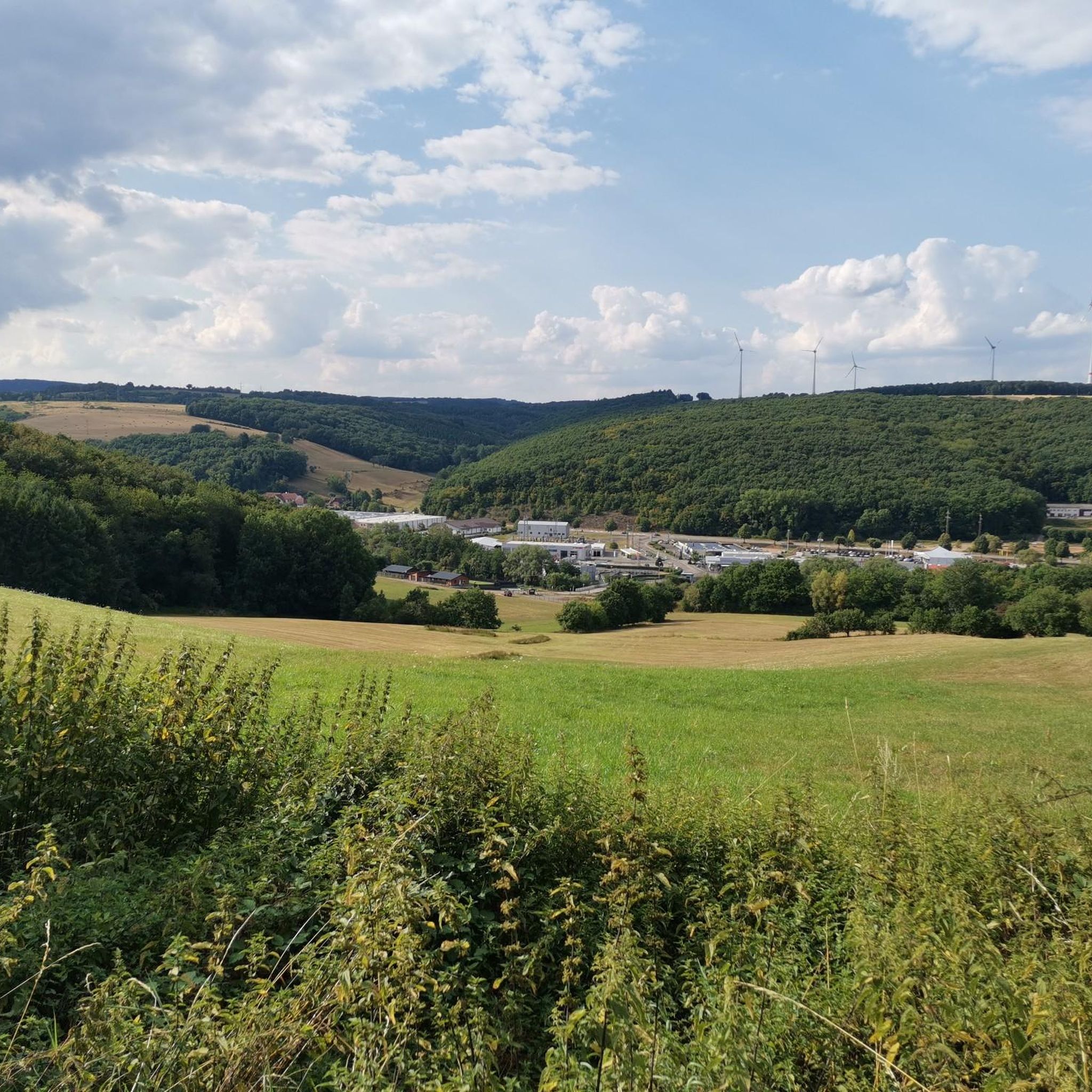
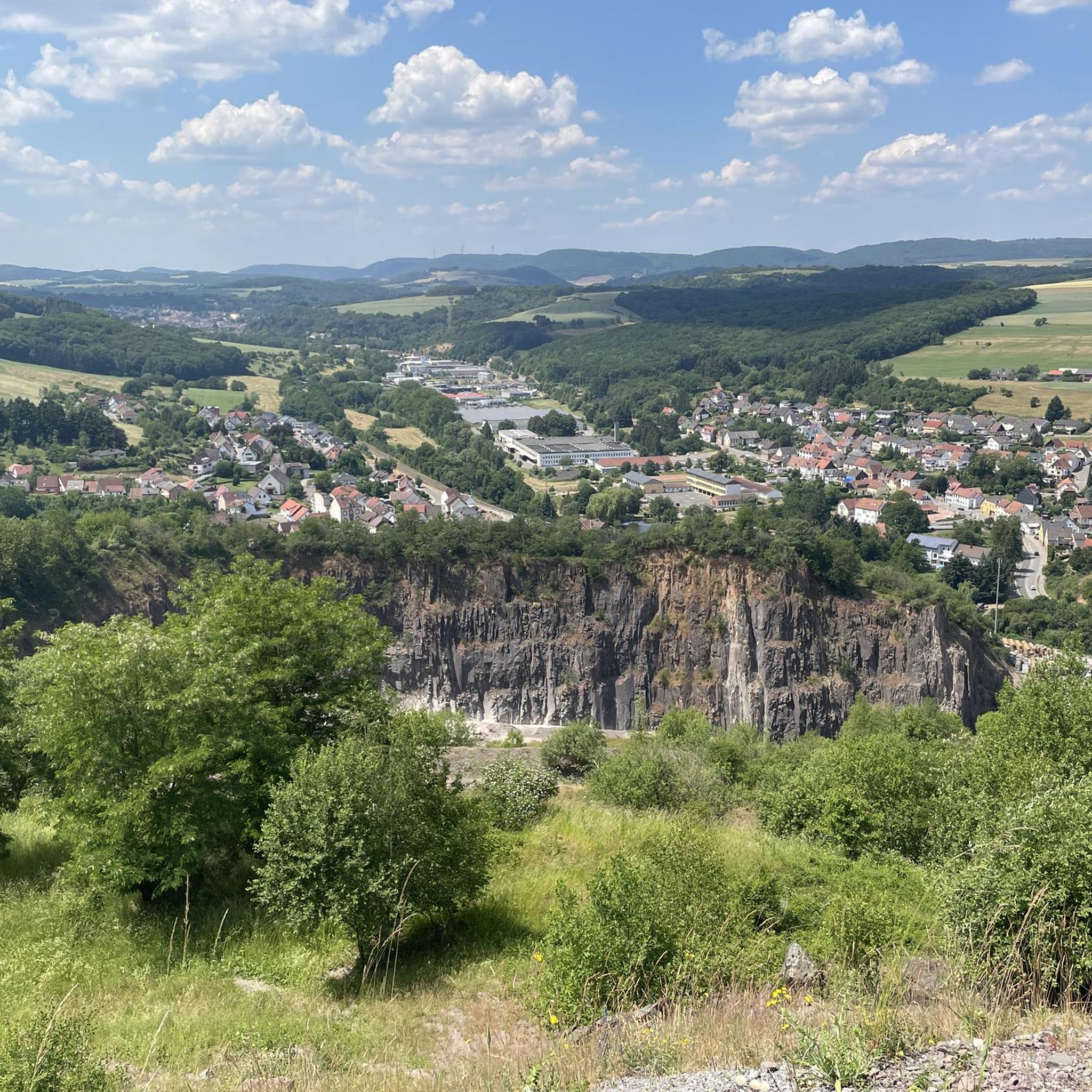
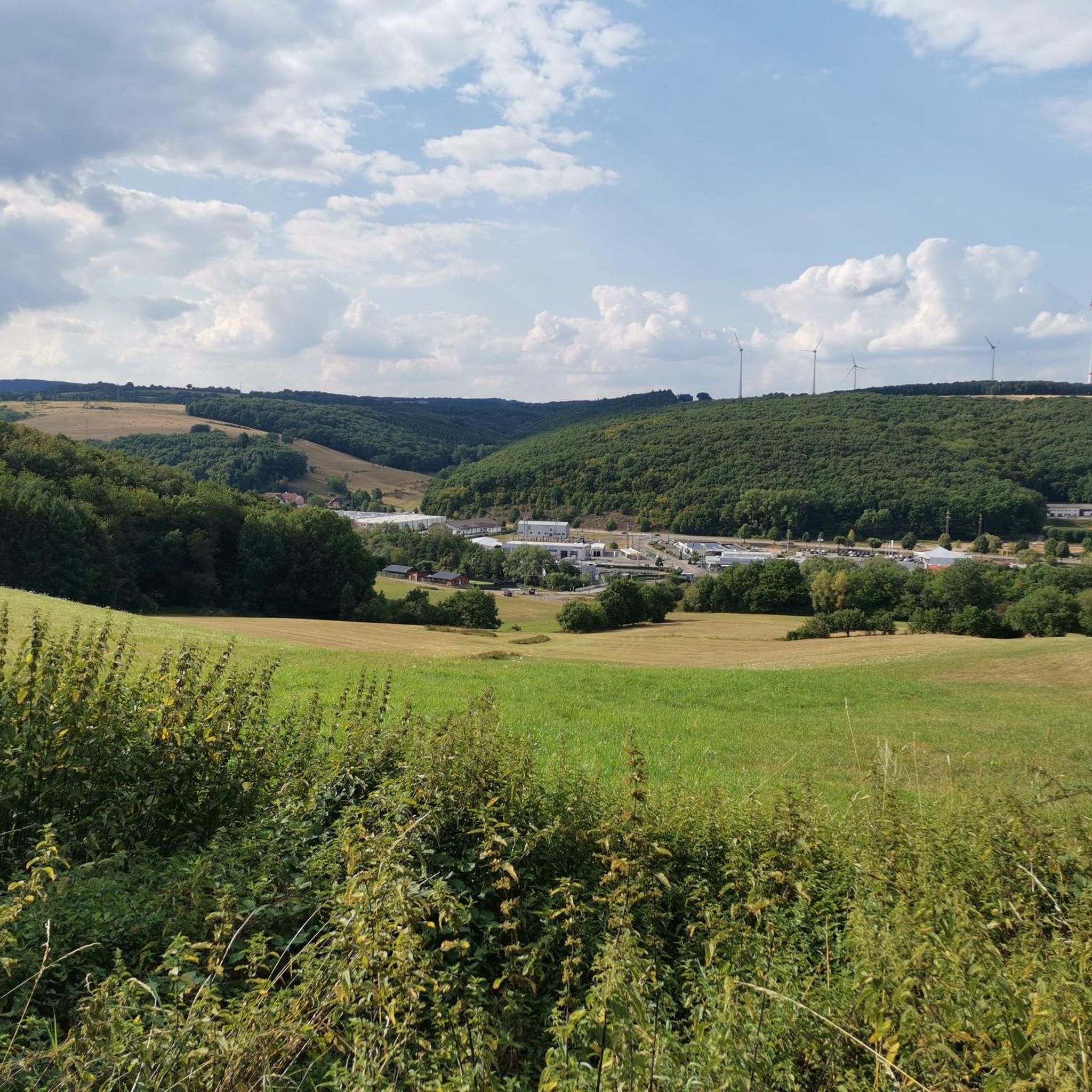
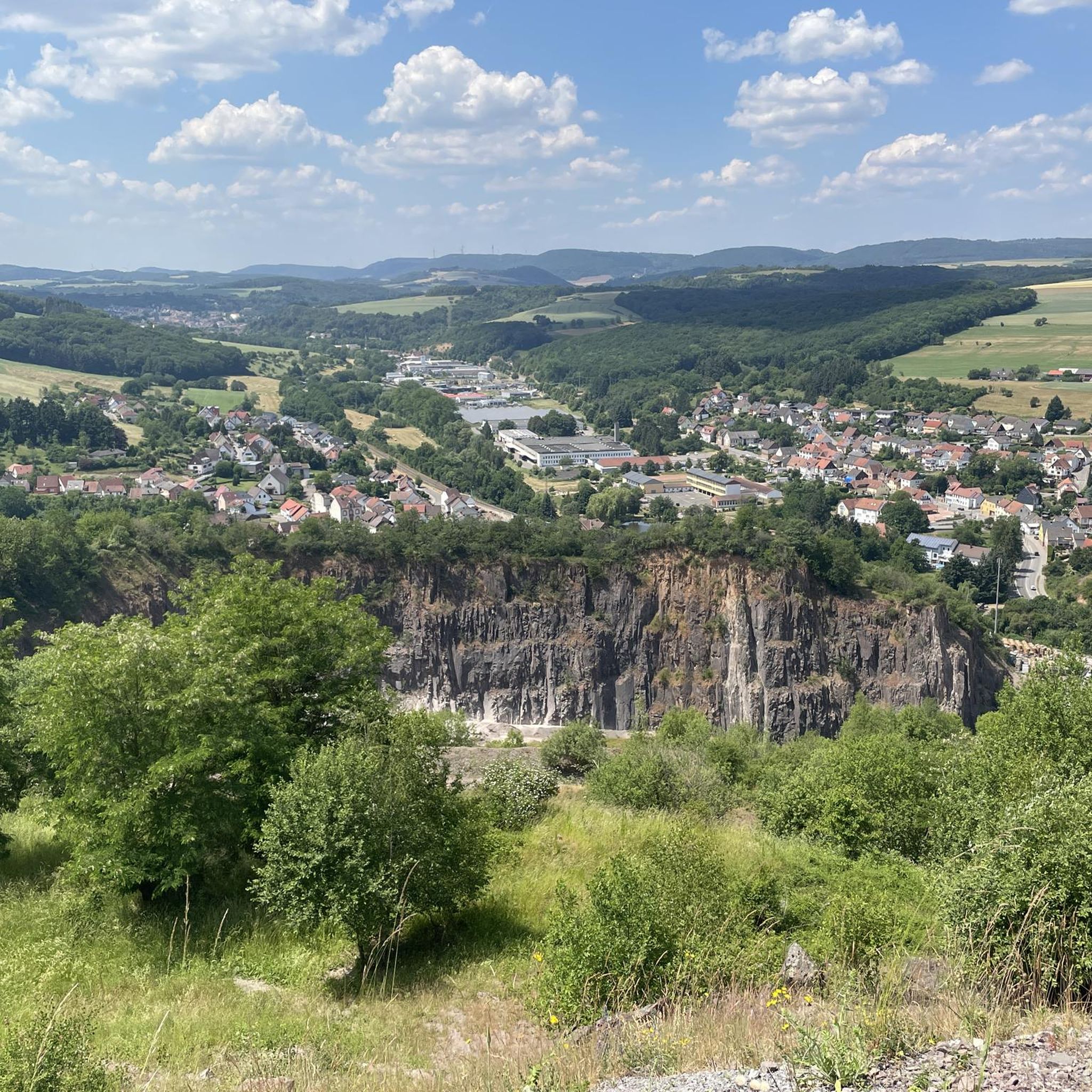

Tips from the Community

Altenburg (Deinsberg Castle Ruins) However, all that remains of it is a large stone labyrinth on a conglomerate rock at the edge of the forest, near the municipal border between Theisbergstegen and Rutsweiler. When the Altenburg was built is still unknown today. However, it can be assumed that its origin dates back to the second half of the 12th century. Because at that time Emperor Frederick I Barbarossa (reign: 1152-1190) had a whole ring of castles built to secure the borders of the old imperial land. At that time, Theisbergstegen still consisted of two separate villages, which also belonged to different lordships. The Altenburg probably previously bore the name 'Burg Deinsberg', as it was customary for castle lords and knights to name themselves after their castle seat. See: https://potzberg.de/index.php/altenburg
2
0

The Altenburg (Deinsberg Castle Ruins): It was probably built in the second half of the 12th century. At that time, Emperor Barbarossa had several castles built to secure his country's borders. At that time, Theisbergstegen consisted of two towns belonging to different territories. It is likely that the Altenburg was called Deinsberg Castle, as it was customary for lords and knights to name themselves after their castle residence. There is ample evidence of this, for example, Knight Anselm and Servant Heinrich, both of Deinsberg. The castle was approximately 60 meters long and 33 meters wide. The residential tower and gate tower were elevated and separated by a moat, which probably contained a cistern for rainwater. It was probably destroyed as early as 1400. Further information: http://www.potzberg.de/index.php/die-altenburg
3
0

🎶 Tithe Barn & Musicians' Land Museum – A Sound of History The unique Palatinate Musicians' Land Museum is located in the historic tithe barn of Lichtenberg Castle. It impressively tells the story of the itinerant musicians who once traveled from here to all over the world. Tip: The exhibition combines a sense of home with a musical journey around the world – absolutely worth seeing!
0
1
The Counts of Veldenz once reigned supreme over the land here – today, the mighty remains of the walls bear witness to a turbulent past. The Michelsburg Castle was built in the 13th century and later destroyed by French troops. 📌 Tip: Through the narrow window in the main wall, you can gaze directly into the expanse of the West Palatinate – a quiet moment with great symbolic significance. If you like, take a seat on the bench in front and simply let the history take effect.
0
1
This lovingly designed overview panel impressively demonstrates how the Remigiusberg developed from an important monastery and castle site into the cultural landscape it is today. Only a ruin of the Michelsburg remains – but the historical spirit of the place remains. 📌 Tip: If you take a moment to read the panel carefully, you'll gain a historical perspective on the entire area in just a few glances. Ideal for a thoughtful break before visiting the church or stopping at a restaurant.
0
1

From the castle you have a beautiful view of the Glan valley.
1
0
The Michelsburg Castle and the neighboring former provost church of St. Remigius on the Remigiusberg near Haschbach, in the center of the Glan Valley, are the historical heart of the Remigiusland region. The first documented mention of an illegally built hilltop castle dates back to 1127, when Benedictine monks purchased it from a knight named Adelbert. The monks used the stones of the former castle to build the Benedictine provost church of St. Remigi, the remnant of which is the Remigius Church. Count Henry II of Zweibrücken built a second castle out of wood in 1260 – during the inheritance disputes of the counts of Veldenz – after the first male line of counts of Veldenz had died out in 1259. This castle was later expanded and furnished with stone, and a chapel (dedicated to St. Michael) was built inside. In 1543, Count Palatine Rupert of Veldenz made the castle his secondary residence and had a princely crypt built in the provost church. Little is known about what happened to the castle in later centuries, but it was reportedly still intact in 1708 and changed hands several times. In 1868, it came into the possession of the St. Remigiusberg Catholic Church Foundation. Today, the 20-meter-high shield wall, remnants of the palace, the ring wall, and the moat are preserved.
5
0
The Michelsburg Castle and the neighboring former provost church of St. Remigius on the Remigiusberg near Haschbach, in the center of the Glan Valley, are the historical heart of the Remigiusland region. The first documented mention of an illegally built hilltop castle dates back to 1127, when Benedictine monks purchased it from a knight named Adelbert. The monks used the stones of the former castle to build the Benedictine provost church of St. Remigi, the remnant of which is the Remigius Church. Count Henry II of Zweibrücken built a second castle out of wood in 1260 – during the inheritance disputes of the counts of Veldenz – after the first male line of counts of Veldenz had died out in 1259. Later, this castle was expanded and furnished with stone, and a chapel (dedicated to St. Michael) was built inside. In 1543, Count Palatine Rupert of Veldenz made the castle his secondary residence and had a princely crypt built in the provost church. Little is known about what happened to the castle in later centuries, but it was reportedly still intact in 1708 and changed hands several times. In 1868, it came into the possession of the St. Remigiusberg Catholic Church Foundation. Today, the 20-meter-high shield wall, remnants of the palace, the ring wall, and the moat are preserved.
5
1
Frequently Asked Questions
Which castles offer the best historical insights around Rammelsbach?
For a deep dive into history, Lichtenberg Castle is highly recommended. It's one of Germany's largest castle ruins, with origins around 1200, and houses two museums, including one with Germany's oldest dinosaur finds. The complex itself is under historical monument protection. Another significant site is Michelsburg Ruins at Remigiusberg, which features a 20-meter-high shield wall and remnants of a palace, representing the historical heart of the Remigiusland region.
Are there family-friendly castles to visit near Rammelsbach?
Yes, Lichtenberg Castle is particularly family-friendly. It includes a modern youth hostel and a restaurant on-site, making it convenient for longer visits. The castle also hosts events and educational experiences, and its museums offer engaging exhibits for various ages. Additionally, its partial accessibility caters to diverse family needs.
What kind of views can I expect from the castles in this region?
Many castles around Rammelsbach offer panoramic views. From the keep of Lichtenberg Castle, after climbing about 100 steps, you can enjoy fantastic vistas over the Palatinate mountains, including another castle, a monastery, and Potzberg mountain. The Michelsburg Ruins at Remigiusberg also provide great views of the rolling hills and forests of the area.
Are there hiking opportunities near the castles?
Yes, the region offers various hiking opportunities. While exploring Lichtenberg Castle, you can find trails like the 'Steep trail descent from Lichtenberg Castle' which offers a challenging but fun experience. For more general hiking, you can explore routes around Rammelsbach, such as the 'Hubertuseiche Natural Monument – Duck pond loop' or the 'Memorial Cross on Remigiusberg – Hidden Forest Path loop'. Find more hiking routes in the Hiking around Rammelsbach guide.
What amenities are available at Lichtenberg Castle?
Lichtenberg Castle is well-equipped with amenities. It features three museums, a modern youth hostel, and a restaurant within its grounds. This makes it a convenient destination for an extended visit, offering dining and accommodation options right at the historical site.
Is Lichtenberg Castle accessible for visitors with disabilities?
Yes, Lichtenberg Castle is noted for being partially accessible. It caters to people with walking disabilities and wheelchair users, and also provides facilities for visitors with hearing impairment and blind visitors, ensuring a more inclusive experience.
What is the best time of year to visit the castles around Rammelsbach?
The Palatinate region, with its rolling hills and forests, is beautiful throughout the year. Spring and autumn offer pleasant temperatures for exploring the castle ruins and surrounding nature. Summer is ideal for enjoying outdoor events often held at castles like Lichtenberg Castle. Even in winter, a visit can be atmospheric, though some facilities or trails might have limited access.
Are there any less-known or 'hidden gem' castles to explore?
While Lichtenberg Castle and Michelsburg Ruins are prominent, the Altes Schloss Ruins (1850) offer a more subtle, atmospheric experience. Located within a dense forest, its moss-covered stones and wall remnants whisper stories of the past, providing a tranquil spot for explorers and dreamers rather than a grand, preserved structure.
What do visitors particularly enjoy about the castles in this area?
Visitors frequently praise the historical significance and the impressive views. For instance, Lichtenberg Castle is appreciated for its well-preserved complex and fantastic views over the Palatinate mountains. The Michelsburg Ruins are noted for their imposing remains and great views of the surrounding landscape. The overall appeal lies in connecting with medieval history amidst natural beauty.
Can I find other outdoor activities near the castles besides hiking?
Absolutely. The area around Rammelsbach and its castles is suitable for various outdoor activities. You can find numerous running trails, such as the 'Altenglan Draisine Station – View of the Flurskapelle in Ulmet loop'. Gravel biking is also popular, with routes like the 'Niederberg Tunnel – Old Railway Bridge loop'. For more options, check out the Running Trails around Rammelsbach guide and the Gravel biking around Rammelsbach guide.
How far is Lichtenberg Castle from Rammelsbach and how can I get there?
Lichtenberg Castle is located near Thallichtenberg, which is a short distance from Rammelsbach. While specific travel times vary, it's generally a convenient drive. For public transport options, you might look into local bus services like the Burgenbus route, which often connects historical sites in the region. You can find more detailed information on planning your visit at RLP Tourismus.
What is the significance of the Altenburg Castle Ruins (Deinsberg)?
The Altenburg Castle Ruins (Deinsberg) likely dates back to the second half of the 12th century, built during Emperor Barbarossa's time to secure borders. It was probably known as Deinsberg Castle, named after its lords. Though largely destroyed by 1400, its remnants, including a residential tower, gate tower, and moat, offer a glimpse into medieval defensive architecture within a forest setting.
Most popular routes around Rammelsbach
Most popular attractions around Rammelsbach

Get inspired with the komoot mobile app


Explore more
Looking for the best castles somewhere else? Discover other guides around Rammelsbach:
