The best walks and hikes in Dove River Regional Reserve
4.9
(332)
3,403
hikers
34
hikes
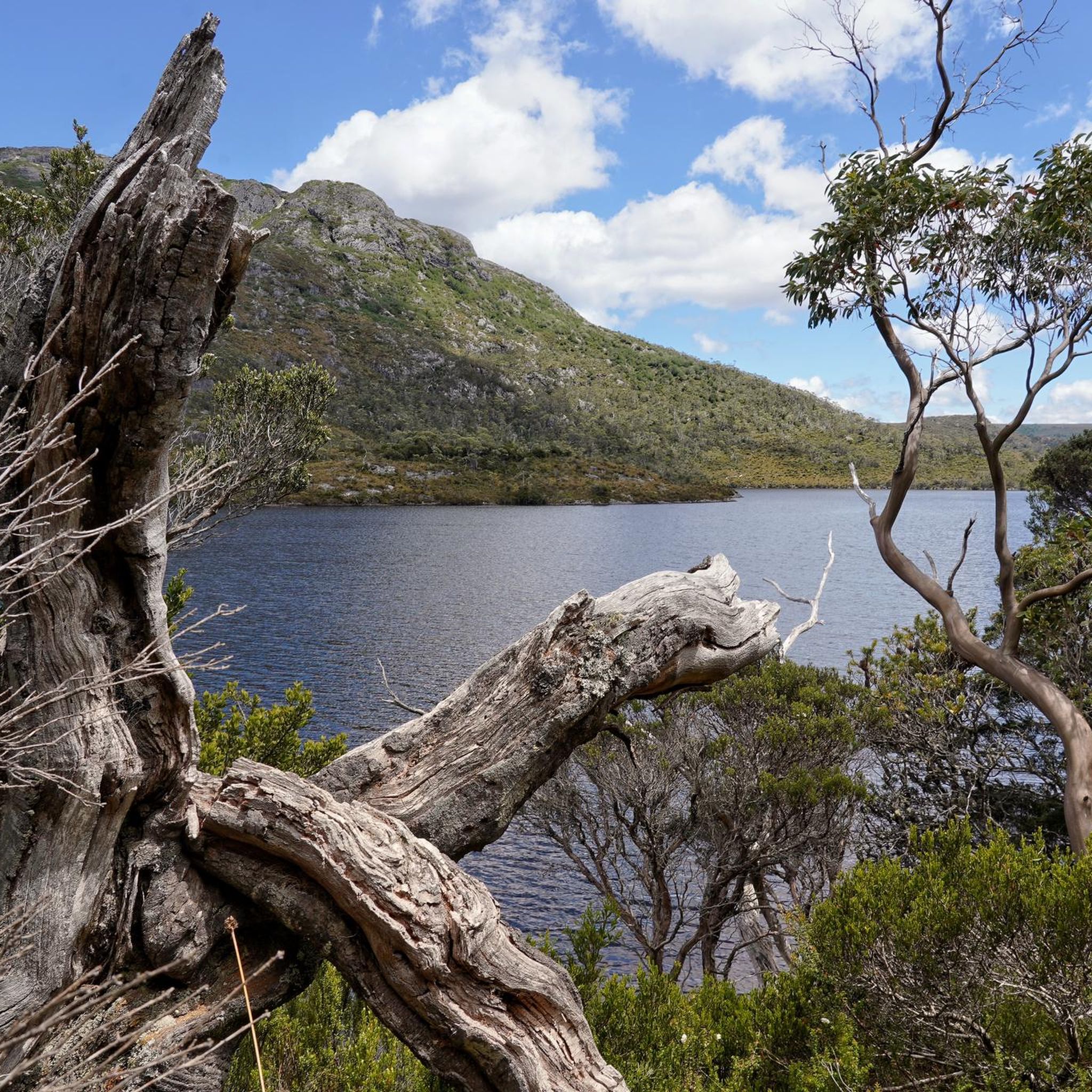
Hiking in Dove River Regional Reserve, located in Tasmania, offers diverse trails through a landscape shaped by ancient glacial activity. The region features prominent natural landmarks such as Cradle Mountain and glacial lakes like Dove Lake and Lake Lilla. Trails traverse ancient temperate rainforests, buttongrass plains, and alpine heath, providing varied terrain for exploration. The dark blue waters of Dove Lake are known for their reflective surface, adding to the scenic appeal.
Best hiking trails in Dove River Regional Reserve
…Last updated: November 15, 2026
4.8
(53)
810
hikers
6.20km
01:42
100m
100m
Easy hike. Easily walkable paths.
4.9
(46)
421
hikers
13.1km
04:07
420m
420m
Moderate hike. Good fitness required. Mostly walkable paths. Sure-footedness required.

4.8
(43)
305
hikers
15.4km
06:06
760m
760m
Hard hike. Very good fitness required. Sure-footedness, sturdy shoes and alpine experience required.
4.9
(40)
348
hikers
9.09km
02:53
350m
350m
Moderate hike. Good fitness required. Easily walkable paths.
4.9
(21)
253
hikers
12.5km
05:09
680m
680m
Hard hike. Very good fitness required. Sure-footedness, sturdy shoes and alpine experience required.
Get access to more routes and recommendations from other explorers.
Already have an account?
Our route recommendations are based on thousands of hikes, rides, and runs completed by other people on komoot.
Start today with a free account
Your next adventure awaits.
Popular around Dove River Regional Reserve
Tips from the Community

Hansons Peak stands at 1,180 metres high and gives you and excellent view over Dove Lake and the surrounding mountains of Cradle Mountain-Lake St Clair National Park. Weather can change quickly up here so be sure to pack an extra layer and be ready to turn back should a storm roll in.
0
0

On the steep climb up to Marions Lookout, there are steps built into the track chains attached to the rocks. The climb is referred to as the Chain Track, or the Marions Lookout Link Track. It's no via ferrata, but it does require scrambling and the ability to take large, high steps while holding onto chains.
2
0

Cradle Mountain is a steep, jagged dolerite peak in Tasmania’s alpine north, where you climb through rocky terrain, subalpine forest, and exposed ridgelines with breathtaking views over Dove Lake and the surrounding peaks. The summit route is a demanding full-day walk that includes sustained uphill sections and scrambling over large boulders, requiring good fitness and careful footing rather than technical climbing gear. Reaching the summit is suitable only for very experienced bushwalkers, and the weather in the area can change rapidly from clear to cold, wet, or even snowy conditions, so you should be prepared for full alpine conditions on short notice.
0
0
Crater Lake is a small, picturesque glacial lake nestled beneath Cradle Mountain, surrounded by steep slopes and alpine vegetation. A well-formed walking track leads to the lake from several nearby routes, offering elevated views over the water and surrounding peaks. Its sheltered setting and reflective surface make it a lovely spot to pause and take in the scenery for anyone exploring this beautiful area.
0
0
Overland Track at Ronny Creek marks the northern trailhead of Tasmania’s iconic long-distance walk, set within Cradle Mountain–Lake St Clair National Park. Beginning across button grass plains and boardwalks, this section offers immediate views of Cradle Mountain and plenty of wildlife sightings, including wombats. It's a well-defined and easy start before the track climbs toward Marion’s Lookout and the alpine plateau.
0
0
Lake Lilla is a small, serene alpine lake surrounded by forest and open heathland. The lake reflects the nearby peaks on calm days, creating a peaceful, photogenic spot along the Dove Lake circuit. It’s a quiet place to pause and enjoy the natural beauty away from the busier main lookouts.
0
0
This lookout sits right at the edge of Wombat Pool, with a sturdy bench where you can rest and enjoy the view, where you’ll see the peaceful reflections of the surrounding alpine forest and nearby peaks in the calm water. It’s a quiet, scenic spot perfect for soaking in the park's tranquil atmosphere.
0
0
Marion’s Lookout sits high above Dove Lake, with sweeping panoramic views of Cradle Mountain, Crater Lake, and the surrounding alpine plateau. Situated on a rocky outcrop, it offers a dramatic perspective of the jagged peaks and glacially carved landscape below. On clear days, it’s one of the park’s most impressive vantage points, perfect for photos and taking in the scenery.
0
0
Frequently Asked Questions
How many hiking trails are available in Dove River Regional Reserve?
Dove River Regional Reserve offers nearly 40 distinct hiking trails, catering to various skill levels. You'll find a good mix of easy, moderate, and challenging routes to explore the diverse landscape.
What kind of terrain can I expect on hikes in Dove River Regional Reserve?
The trails in Dove River Regional Reserve traverse a rich mix of terrains. You can expect to walk through scrubby buttongrass plains, alpine heath, and ancient temperate rainforests like Ballroom Forest. Many paths, especially around Dove Lake, feature boardwalk sections for easier access.
Are there any easy, family-friendly hikes in the reserve?
Yes, there are several easy options suitable for families. The Dove Lake Circuit is a popular choice, offering stunning views of Cradle Mountain on a mostly boardwalk path. Another accessible option is the Dove Lake Boatshed – Dove Lake loop from Dove Lake.
Can I see wildlife while hiking in Dove River Regional Reserve?
Absolutely! Dove River Regional Reserve is an excellent place to spot native wildlife, particularly wombats, which are frequently seen grazing, especially around areas like Wombat Pool. Keep an eye out for other unique Tasmanian fauna as well.
Are there any circular routes available for hikers?
Yes, many of the popular trails in the reserve are circular. The iconic Dove Lake Circuit is a prime example, allowing you to experience the lake and surrounding landscape without retracing your steps. The Marions and Wombat Pool lookout circuit also offers a loop experience with varied terrain.
What are some notable natural features or landmarks to look out for?
The region is dominated by the majestic Cradle Mountain. You'll also encounter beautiful glacial lakes such as Dove Lake and Lake Lilla. The historic Dove Lake Boatshed is a highly photographed landmark, and areas like Ballroom Forest showcase ancient myrtle beech rainforests and King Billy pine trees.
What is the best time of year to go hiking in Dove River Regional Reserve?
While the reserve offers beauty year-round, the warmer months from late spring to early autumn (November to April) generally provide the most pleasant hiking conditions with longer daylight hours and milder weather. However, the distinct fagus trees offer a spectacular golden display in autumn.
Are there any more challenging hikes for experienced trekkers?
For those seeking a greater challenge, routes like the Lake Lilla – Dove Lake loop from Dove Lake, which includes significant elevation gain, offer a more strenuous experience. More challenging ascents, such as the climb to Hansons Peak, provide stunning panoramic views for experienced hikers.
What do other hikers say about the trails in Dove River Regional Reserve?
The trails in Dove River Regional Reserve are highly regarded by the komoot community, boasting an average rating of 4.9 stars from over 300 reviews. Hikers frequently praise the breathtaking scenery, the well-maintained paths, and the unique opportunity to see wombats in their natural habitat.
Are there any trails that pass through ancient forests?
Yes, you can immerse yourself in ancient forests within the reserve. Trails around Dove Lake, for instance, pass through enchanting areas like Ballroom Forest, where you can walk among ancient myrtle beech, King Billy pine, and sassafras trees, experiencing a truly prehistoric feel.
What is the typical duration for a moderate hike in the area?
Moderate hikes in Dove River Regional Reserve can vary, but a route like the Marions and Wombat Pool lookout circuit typically takes around 1 hour 57 minutes to complete, covering about 5.1 kilometers. This gives you a good sense of the time commitment for a moderate trail.

Get inspired with the komoot mobile app


Explore more
Browse the best Hikes in other regions.
