Top 20 Castles around Dalberg
Best castles around Dalberg are situated in the Gräfenbach valley within the Bad Kreuznach district of Rhineland-Palatinate, Germany. This region is characterized by its historic landscapes and the presence of significant medieval structures. The area offers insights into the architectural evolution and historical significance of the Dalberg family. Visitors can explore various castle ruins that attest to the region's past.
Best castles around Dalberg
- The most popular castles is Dalburg castle ruins, a castle that is the ruin of…
Last updated: October 2, 2026
Dalburg castle ruins
Highlight • Castle
Translated by Google •
Tip by

Kauzenburg Castle Ruins
Highlight • Castle
Translated by Google •
Tip by

Sign up now to discover places like this
Get recommendations on the best single tracks, peaks, & plenty of other exciting outdoor places.
Stromberg Old Town and Snake Tower
Highlight • Historical Site
Translated by Google •
Tip by

Suitbertstein Castle Ruins
Highlight • Castle
Translated by Google •
Tip by

Winterburg Castle
Highlight • Castle
Translated by Google •
Tip by
Sign up for free to discover even more castles around Dalberg.
Already have an account?
Start today with a free account
Your next adventure awaits.
Tips from the Community

Beautiful place, beautiful village
0
0

Kauzenburg Castle was built around 1200 for the Counts of Sponheim. The small town of Bad Kreuznach, with its ring of walls, grew up around the castle. Over the centuries, the castle expanded into a veritable fortress with a palace. It reached its greatest extent around 1650. Powerful outworks were built around the palace. The great era of Kauzenburg came to an abrupt end when French troops, during the War of Conquest, blew it up in 1689 and burned it to the ground, leaving only the cellar standing. It wasn't until the 19th century that a kind of "manor house"—a grand bourgeois country estate—was built on the site of the ruins. This had to make way in the early 1970s when the architect Gottfried Böhm combined the remaining ruins with a new architectural design reminiscent of castle battlements—a style also used elsewhere. For a long time, the surviving vaulted cellar served as the venue for popular medieval banquets. The restaurant closed a few years ago; today, a catering service leases the premises and offers it for events. Anyone walking around the grounds and the castle can still get a sense of its former grandeur.
0
0

Even if there is not much left, it is still impressive when the ruin suddenly appears
1
0

This castle is located above Bad Kreuznach. Restaurant with vaulted cellar available
0
0

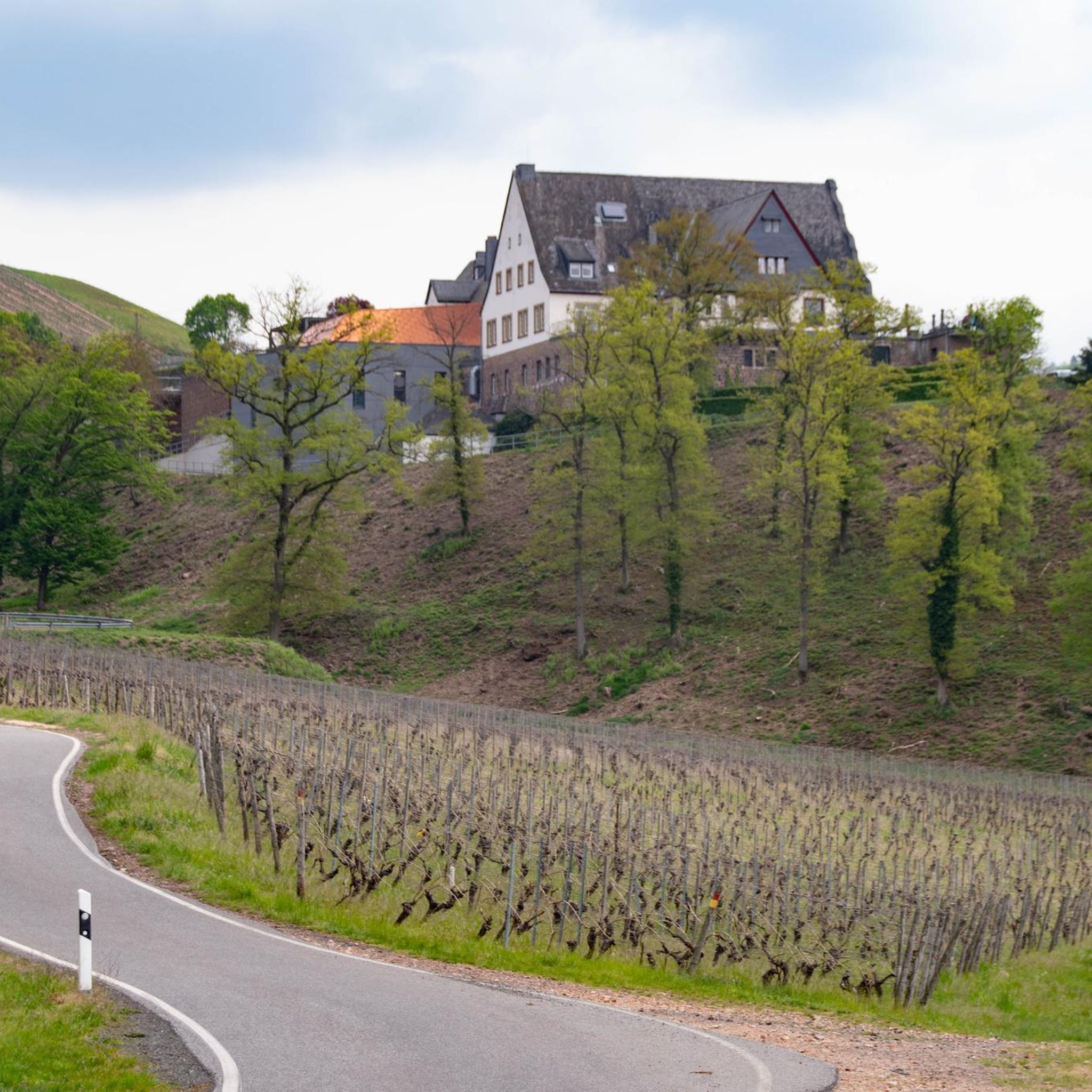
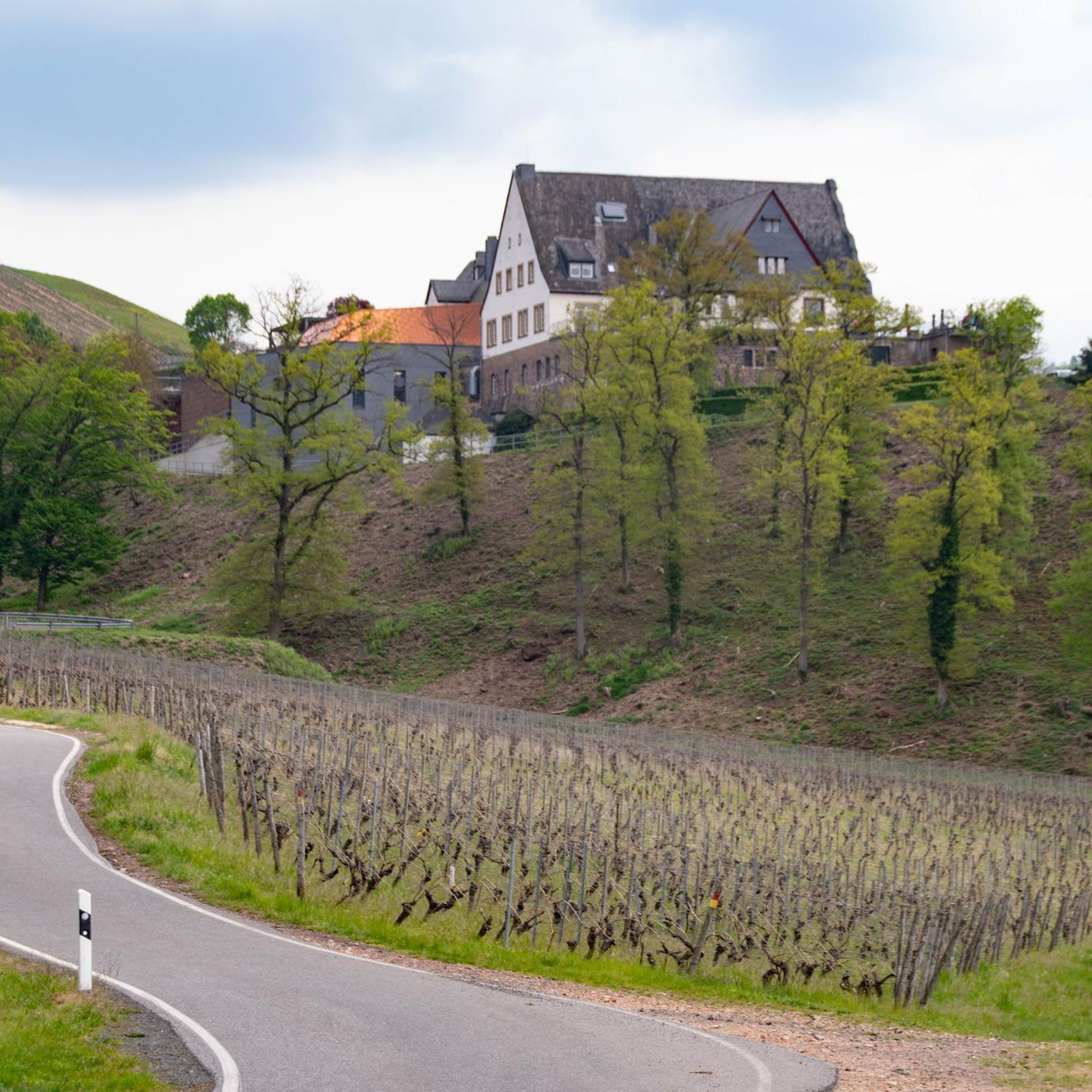
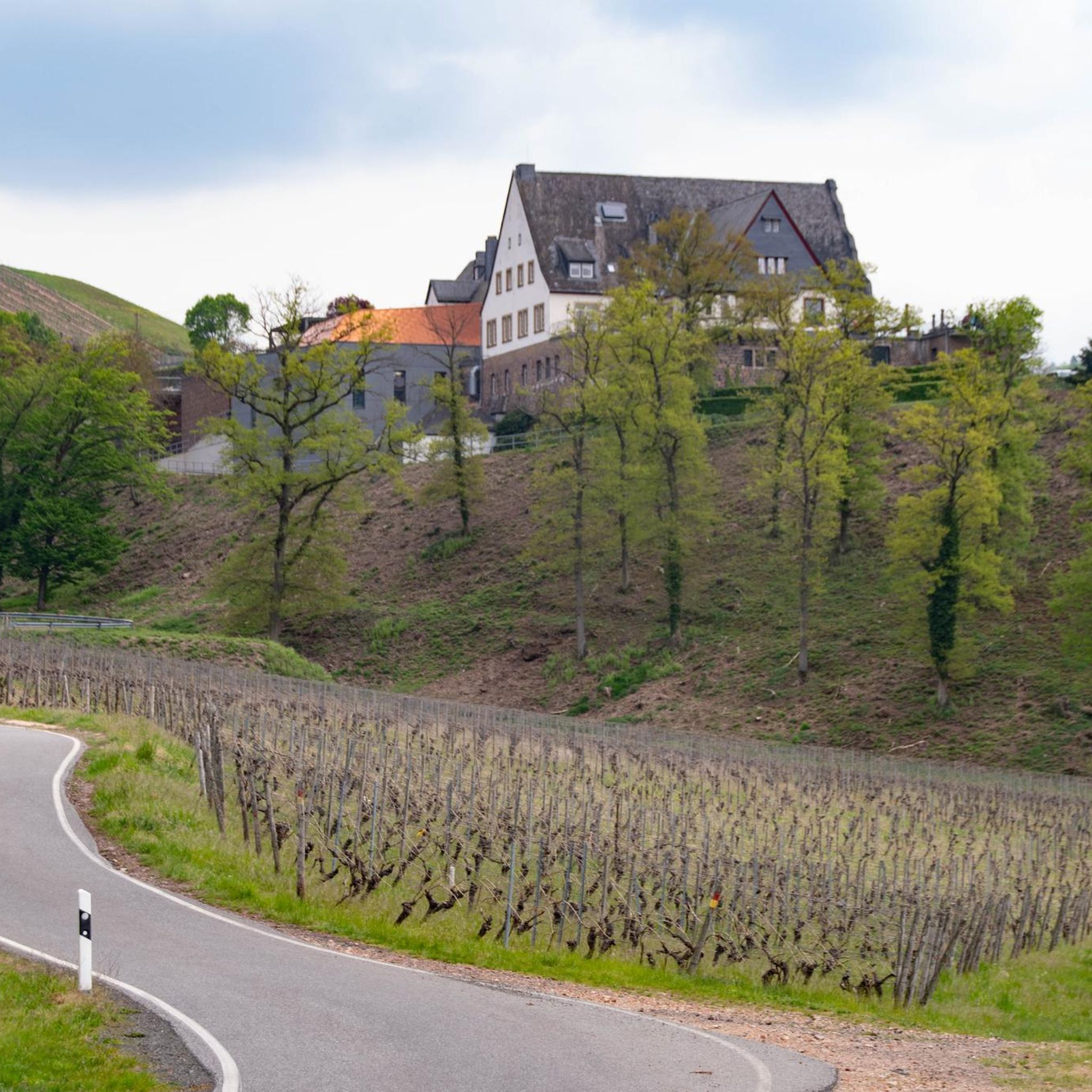
Beautifully located hotel above the city, which was architecturally developed from the ruins of the castle.
1
0

The small town of Stromberg is also known as the gateway to the Nahe, Rhine, and Hunsrück rivers, as well as the town of the German Michel. Stromberg offers plenty of variety: a golf course, the Stromberg Flowtrail, hiking and biking trails, and castles await visitors and locals alike.
1
0
The Kauzenburg is the ruin of a hilltop castle in Bad Kreuznach in the district of Bad Kreuznach in Rhineland-Palatinate. The Kauzenburg was the residence of the front county of Sponheim. The castle was first mentioned in a document in 1206, in which King Philip of Swabia forbade the construction of a castle. From 1206 to 1230 the first castle was built by Count Gottfried III. († 1218) and Johann I of Sponheim († 1266). In 1417 the castle was divided between the Counts of Sponheim and the Elector and Count Palatine Ludwig III. 1437 was followed by another division under the Heidelberg Count Palatine Ludwig IV, Friedrich III. von Veldenz and the Margrave of Baden. In 1444 Stefan von Pfalz-Simmern-Zweibrücken followed as heir to the Veldenz share. In the Palatinate War between 1450 and 1470, the Margrave lost his share. Elector Philip expanded the castle. In 1503 Baden became a co-owner again. Source: Wikipedia In 1620 the Spanish Marquis Spinola conquered Kreuznach and the castle, which he fortified until 1632. In 1632, during the Thirty Years' War, the Swedish king conquered the castle. In 1635 the imperial troops took over the town and castle. In 1639, the French under General Duc Henri II d'Orléans-Longueville (1595-1663) recaptured the castle and in 1641 the Imperials under Gil de Haes took over the fortress. After the Peace of Westphalia, the castle fell to Baden and the Palatinate. For the first time, the castle was referred to as "Veste Kauzenburg". The French under General Louis-François de Boufflers (1644-1711) conquered the castle in 1688, blew it up and burned down the building.
3
0

It's worth a visit here, an association is trying to maintain it and you can see that. Wonderful castle that I like very much
3
1
Frequently Asked Questions
What are the most popular castle ruins to explore around Dalberg?
The most popular castle ruin is the Dalburg castle ruins, which is notable for its well-preserved foundations and the fact it was never destroyed by war. Another highly regarded site is Suitbertstein Castle Ruins, where you can still see walls preserved up to 12 meters high, offering a glimpse into its past.
Are there any family-friendly castle sites near Dalberg?
While many castle ruins offer historical exploration, the Stromberg Old Town and Snake Tower is categorized as family-friendly. Stromberg itself offers a variety of activities beyond the historical sites, including hiking and biking trails, making it a good destination for families.
What historical insights can I gain from visiting the castles in the Dalberg area?
The castles around Dalberg offer a deep dive into medieval history. For instance, the Dalburg castle ruins were a unique 'Ganerbenburg,' meaning multiple branches of the Dalberg family shared ownership. It was also never destroyed by war, providing a rare example of a castle that simply fell into ruin through abandonment. Other sites like Kauzenburg Castle Ruins have a rich history of sieges and changes in ownership during conflicts like the Thirty Years' War.
What kind of outdoor activities can I combine with a visit to the castles?
The region around Dalberg is excellent for outdoor activities. You can find numerous routes for gravel biking, mountain biking, and general cycling. For example, the 'Dalburg Castle Ruins – Bad Kreuznach Spa Park loop' is a moderate mountain biking trail. You can explore more options on the Gravel biking around Dalberg, MTB Trails around Dalberg, and Cycling around Dalberg guide pages.
Are there any castles with notable viewpoints or scenic surroundings?
Yes, several castles offer scenic views. The Kauzenburg Castle Ruins provides beautiful views of Bad Kreuznach and its surroundings. The Dalburg castle ruins are also beautifully situated, overlooking the Gräfenbach valley, offering picturesque exploration opportunities.
What is unique about the architecture of the castles in this region?
The castles around Dalberg showcase various architectural elements from different periods. The Dalburg castle ruins, for example, feature a Romanesque keep, remnants of residential quarters, and a 'Long Hall' from the 14th century, demonstrating its complex evolution. The Suitbertstein Castle Ruins, though heavily dilapidated, still features a square residential tower from the late 15th to early 16th century.
What do visitors appreciate most about the castles around Dalberg?
Visitors frequently appreciate the historical depth and the well-preserved foundations of sites like the Dalburg castle ruins, which invite exploration. The scenic views, particularly from Kauzenburg Castle Ruins, are also highly praised. The community has shared over 260 photos and given more than 370 upvotes, highlighting the visual appeal and historical significance of these sites.
Can I visit castles that are still partially in use or have modern facilities?
While many are ruins, Winterburg Castle, originally from the late 13th century, now houses a school hostel on its site since 1959. Although only a few wall remains are visible, it represents a unique blend of historical location and modern utility.
Are there any castles that are less crowded but still offer a rich experience?
While specific crowd levels can vary, exploring sites slightly off the main tourist path or during off-peak hours can offer a more tranquil experience. The Suitbertstein Castle Ruins, with its unique history and preserved walls, might offer a more intimate historical encounter compared to more widely known sites.
What should I know about the history of the Dalberg family in relation to these castles?
The Dalberg family is intrinsically linked to the region's castles. The Dalburg castle ruins are the namesake of the distinguished German noble family, the House of Dalberg. The castle was built between 1150 and 1170 and served as a 'Ganerbenburg,' shared by multiple family branches. Its palace, built in the early 14th century, was the main residential and representative building for the dynasty, showcasing their significant influence in the area.
Are there any castles that were never destroyed by war?
Yes, the Dalburg castle ruins are unique in that they were never destroyed by war, unlike many other castles in the region. Instead, it was gradually abandoned as the administrative seat moved, and its materials were repurposed over time. This offers a different perspective on the decline of medieval strongholds.
Most popular routes around Dalberg
Most popular attractions around Dalberg

Get inspired with the komoot mobile app


Explore more
Looking for the best castles somewhere else? Discover other guides around Dalberg:
