The best running trails in Mooloolah River National Park
4.7
(16)
2,486
runners
78
runs
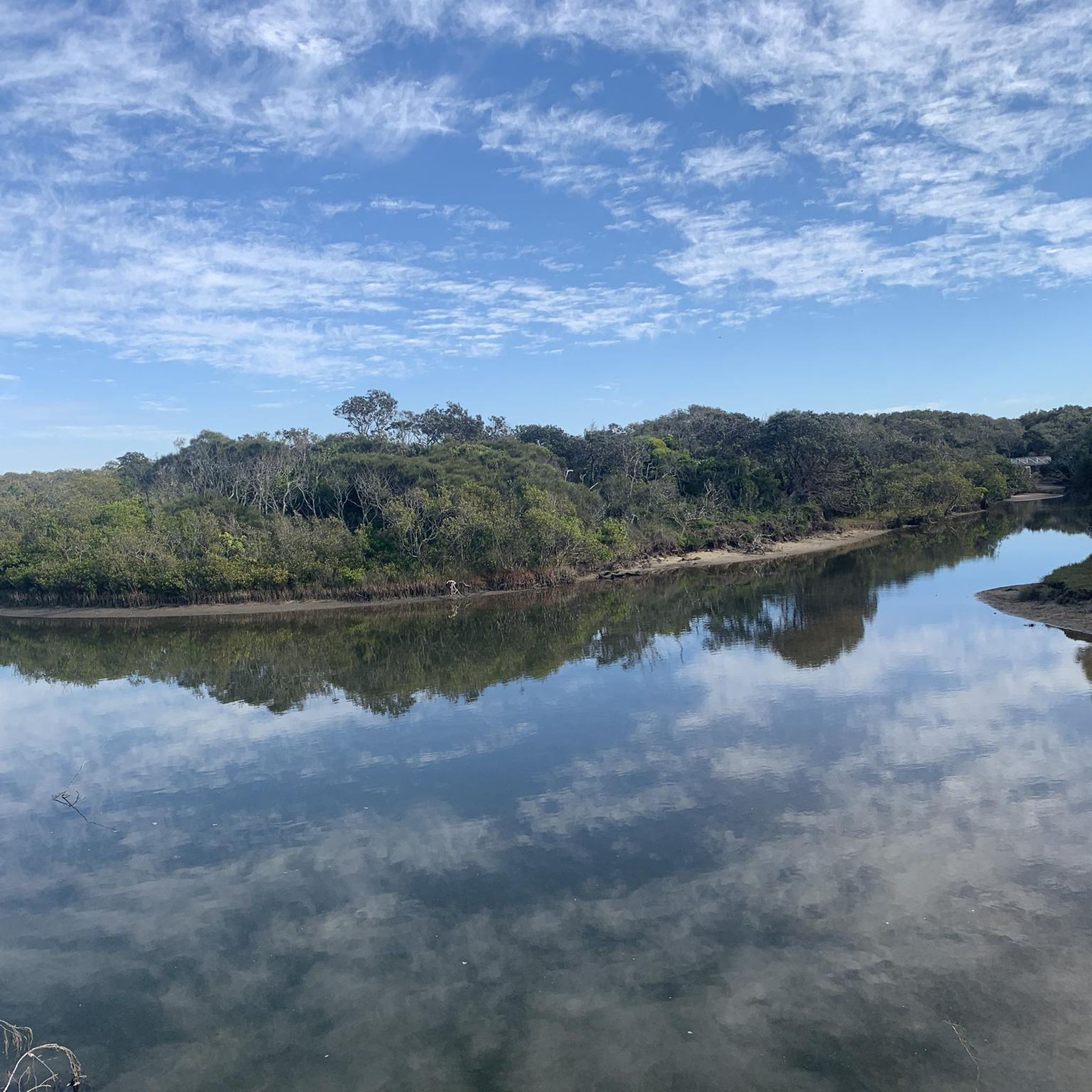
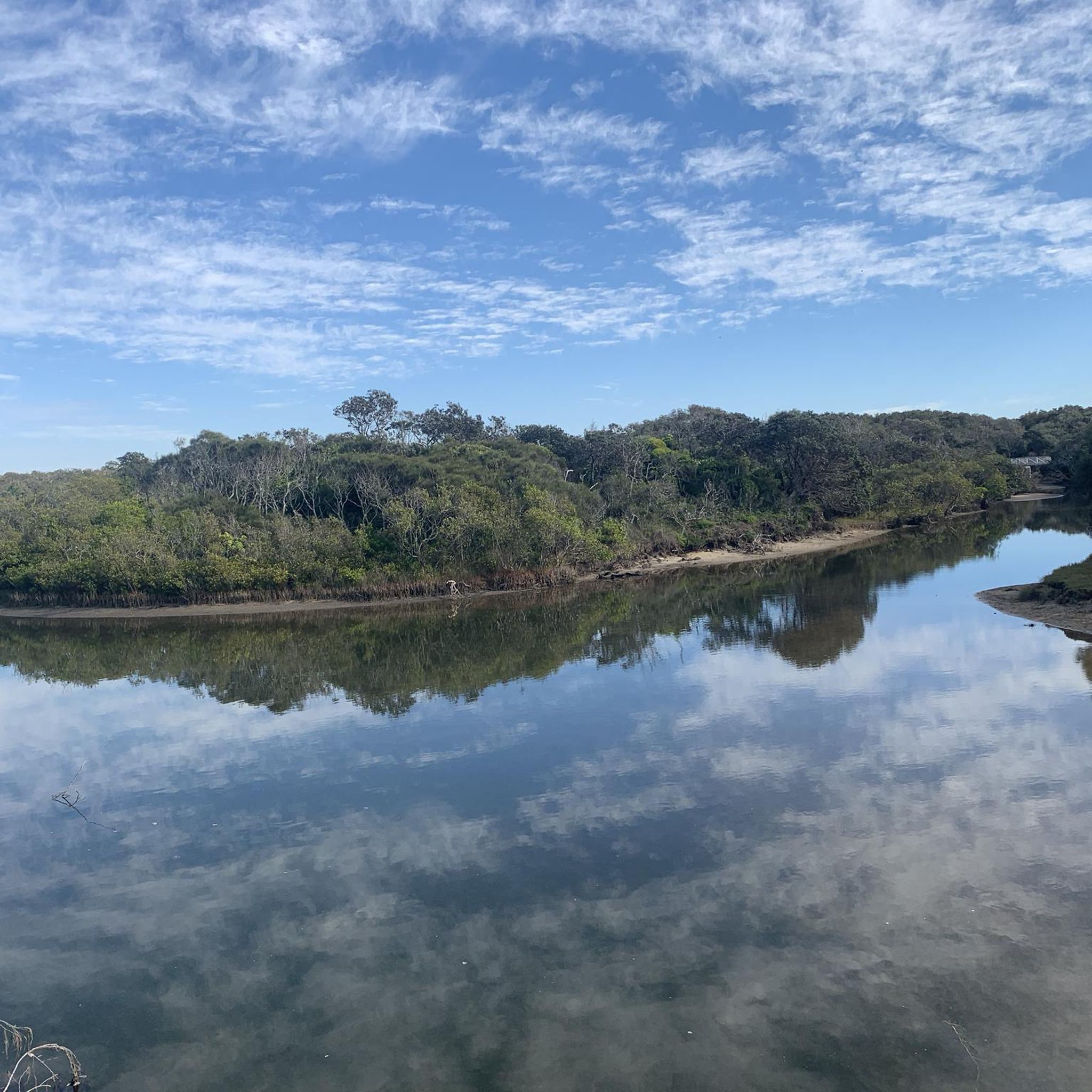
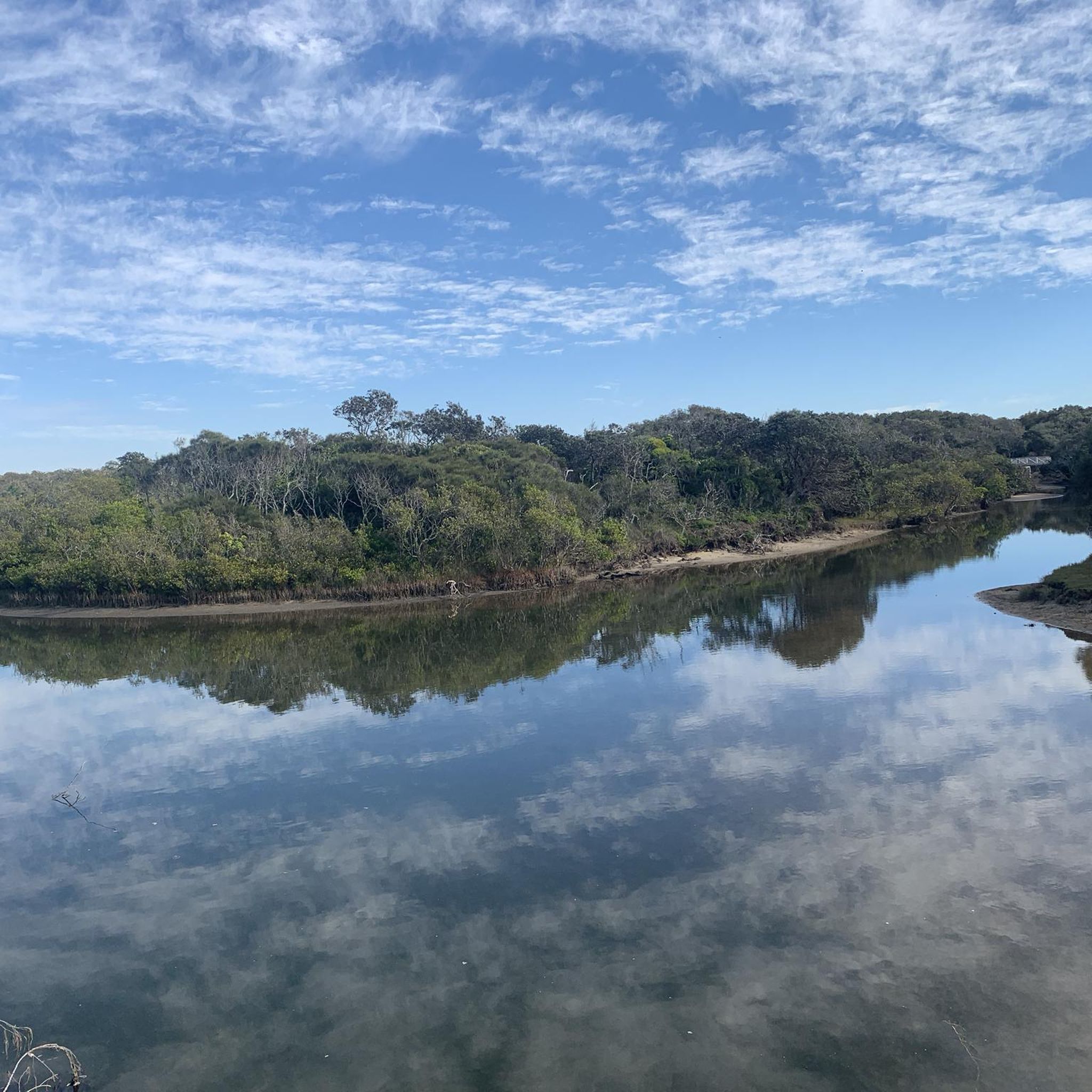
Jogging routes in Mooloolah River National Park traverse diverse coastal lowland habitats, offering varied landscapes for runners. The park features wallum heath, open forests with scribbly gums and banksias, and coastal rainforest sections with piccabeen palm groves. Tea-tree swamps and melaleuca forests also contribute to the park's ecological diversity. The Mooloolah River forms a significant natural boundary, and the park's network of trails, often utilizing fire management tracks, provides varied distances and terrains.
Best jogging routes in Mooloolah River National…
Last updated: November 17, 2026
19
runners
11.2km
01:09
30m
30m
Moderate run. Good fitness required. Mostly paved surfaces.
5
runners
5.42km
00:33
10m
10m
Moderate run. Good fitness required. Mostly paved surfaces.

3
runners
7.12km
00:44
30m
30m
Moderate run. Good fitness required. Mostly paved surfaces.
52
runners
11.6km
01:26
100m
90m
Moderate run. Good fitness required. Mostly paved surfaces.
62
runners
13.0km
01:20
20m
20m
Moderate run. Good fitness required. Mostly paved surfaces.
Get access to more routes and recommendations from other explorers.
Already have an account?
Our route recommendations are based on thousands of hikes, rides, and runs completed by other people on komoot.
Start today with a free account
Your next adventure awaits.
Popular around Mooloolah River National Park
Tips from the Community

Point Cartwright Lighthouse stands 32 meters tall and safeguards Moreton Bay, the Port of Brisbane, and Mooloolaba Harbour. It's an active lighthouse, and it is free to visit the outside of the lighthouse and surrounding park year round. The inside of the lighthouse is closed to the public. Instead of a typical cylinder, the lighthouse was built in a pentagonal (five sides) shape, and the beam can reach 23 nautical miles.
0
0

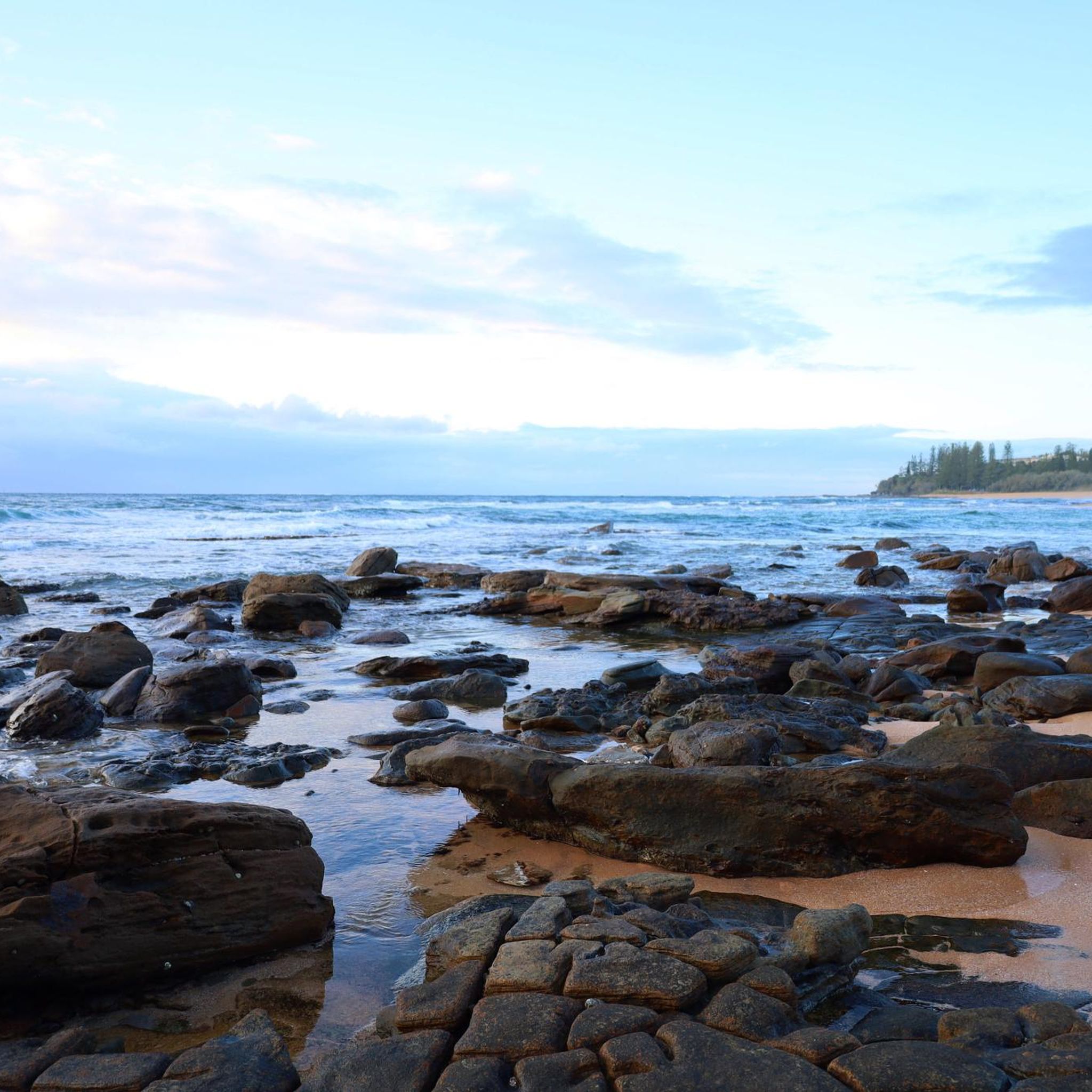
Point Cartwright is a rocky headland at the mouth of the Mooloolah River, and home to one of Australia’s oldest working lighthouses, with beautiful, sweeping coastal views. From the headland, you can look north to Mooloolaba, south along Kawana Beach, and east across the ocean, with migrating humpback whales sometimes spotted offshore during winter. Coastal heath, rocky outcrops, and open grassy areas surround the reserve, which has remained a popular public recreation area since the 1930s.
0
0

Pink Loop is a shorter circuit branching from the Main Track near the northern foreshore of Ewen Maddock Dam. The trail follows a relatively easy route through bushland and lakeside vegetation, with a mix of compacted dirt and gravel surfaces underfoot.
0
0
Tallowwood Track is a shorter walking-only path branching from the main Ewen Maddock Dam track network near Maddock Park. The route begins from a boardwalk beside the water before continuing through lakeside vegetation lined with tallowwood, paperbark, melaleuca, and eucalypt trees. Compared to the wider multi-use Main Track, this section feels quieter and more enclosed, with softer ground underfoot and more shade along the route. The track was recently upgraded following major wet-season damage, including resurfacing and drainage improvements.
0
0


Calm beach, although the water is always very rough and not suited to swimming. Dogs are allowed on this section of the beach.
0
0
Frequently Asked Questions
What kind of terrain can I expect on running routes in Mooloolah River National Park?
Running routes in Mooloolah River National Park traverse diverse coastal lowland habitats. You'll find yourself jogging through wallum heath, open eucalypt forests with scribbly gums and banksias, and sections of coastal rainforest featuring piccabeen palm groves. The park also includes tea-tree swamps and melaleuca forests. Trails are generally considered Grade 3, meaning they can be uneven and may have moderate inclines, offering a varied and engaging experience.
Are there any running trails suitable for beginners in Mooloolah River National Park?
Yes, the park offers routes suitable for various ability levels. While many trails are Grade 3 with uneven surfaces, there are options that provide a more accessible experience. For instance, the Chancellor Park Lake 1 loop from Sippy Downs is a moderate 11.2 km path that offers a pleasant run around a lake, suitable for a steady pace without extreme elevation changes.
When is the best time of year to go running in Mooloolah River National Park?
The drier winter months are generally ideal for running in Mooloolah River National Park. Some tracks, particularly those passing through wet heathland, can become boggy and prone to water inundation from January to June, especially during summer. Visiting in winter ensures more comfortable conditions and drier trails.
Can I bring my dog on the running trails in Mooloolah River National Park?
Mooloolah River National Park is a protected area, and generally, dogs are not permitted on national park trails to protect wildlife and natural habitats. It's always best to check the official Queensland Parks and Wildlife Service website for the most current regulations regarding pets before your visit. You can find more information on their site: parks.qld.gov.au.
Are there any circular running routes in the park?
Yes, there are several loop options for runners. For example, the Running loop from Mooloolah River is an 8.9 km route that provides a good circular option. Additionally, the Buddina Bushland Reserve – Point Cartwright Lighthouse loop from Sunshine Coast Stadium offers a longer 12.9 km loop with coastal views.
What kind of wildlife might I see while running in Mooloolah River National Park?
Mooloolah River National Park is home to a variety of wildlife, especially active during cooler parts of the day. Runners might spot colourful honeyeaters, rainbow bee-eaters, and even yellow-tailed black cockatoos. Mammals like eastern grey kangaroos and echidnas are also present. Keep an eye out for lace monitors and various snake and lizard species. If you're very lucky and visit at dawn or dusk, you might even spot an elusive platypus in the river.
What are some notable natural features or landmarks to look out for on the running routes?
The park itself is a natural landmark, protecting valuable coastal lowland habitats. You'll encounter extensive wallum heath and heath plains, open forests of scribbly gums and casuarina, and unique coastal rainforest sections with piccabeen palm groves. The Mooloolah River forms a significant natural boundary, and its associated wetlands add to the park's ecological value. The Jowarra section, in particular, offers some of the few remaining coastal rainforest areas on the Sunshine Coast.
Are there facilities like toilets or cafes available near the running trails?
Mooloolah River National Park is noted for having limited facilities within the park itself. Toilets are available in the Jowarra section. There are no cafes or accommodation within the national park. For amenities like cafes, you would need to venture to nearby towns or suburbs outside the park boundaries.
How long are the running trails in Mooloolah River National Park?
The running trails in Mooloolah River National Park vary significantly in length. You can find shorter options, such as the 1 km Melaleuca Walk in the Jowarra section, or combine trails for longer runs. For example, the Mooloolaba Beach loop from Parrearra is a substantial 19.1 km route, while the Ewen Maddock Dam loop from Mooloolah River covers 16.2 km.
What do other runners enjoy most about jogging in Mooloolah River National Park?
The running routes in Mooloolah River National Park are highly rated by the komoot community, with an average score of 4.5 stars from over 19 reviews. Runners often praise the diverse terrain, from wallum heath to coastal rainforests, and the opportunity to experience nature away from urban areas. The varied distances and the generally well-maintained fire management trails also contribute to a positive running experience.
Is there public transport or parking available for accessing the running routes?
While the park has limited facilities, there are access points with parking. For specific parking locations, it's advisable to check detailed maps or local council information. A wide, sealed cement bikeway runs beside a section of the park, linking Sippy Downs and Sunshine Coast University with Kawana and Mooloolaba areas, which might offer alternative access points or connections to public transport routes in the surrounding urban areas.
Most popular routes in Mooloolah River National Park

Get inspired with the komoot mobile app


Explore more
Browse the best Running Trails & Routes in other regions.
