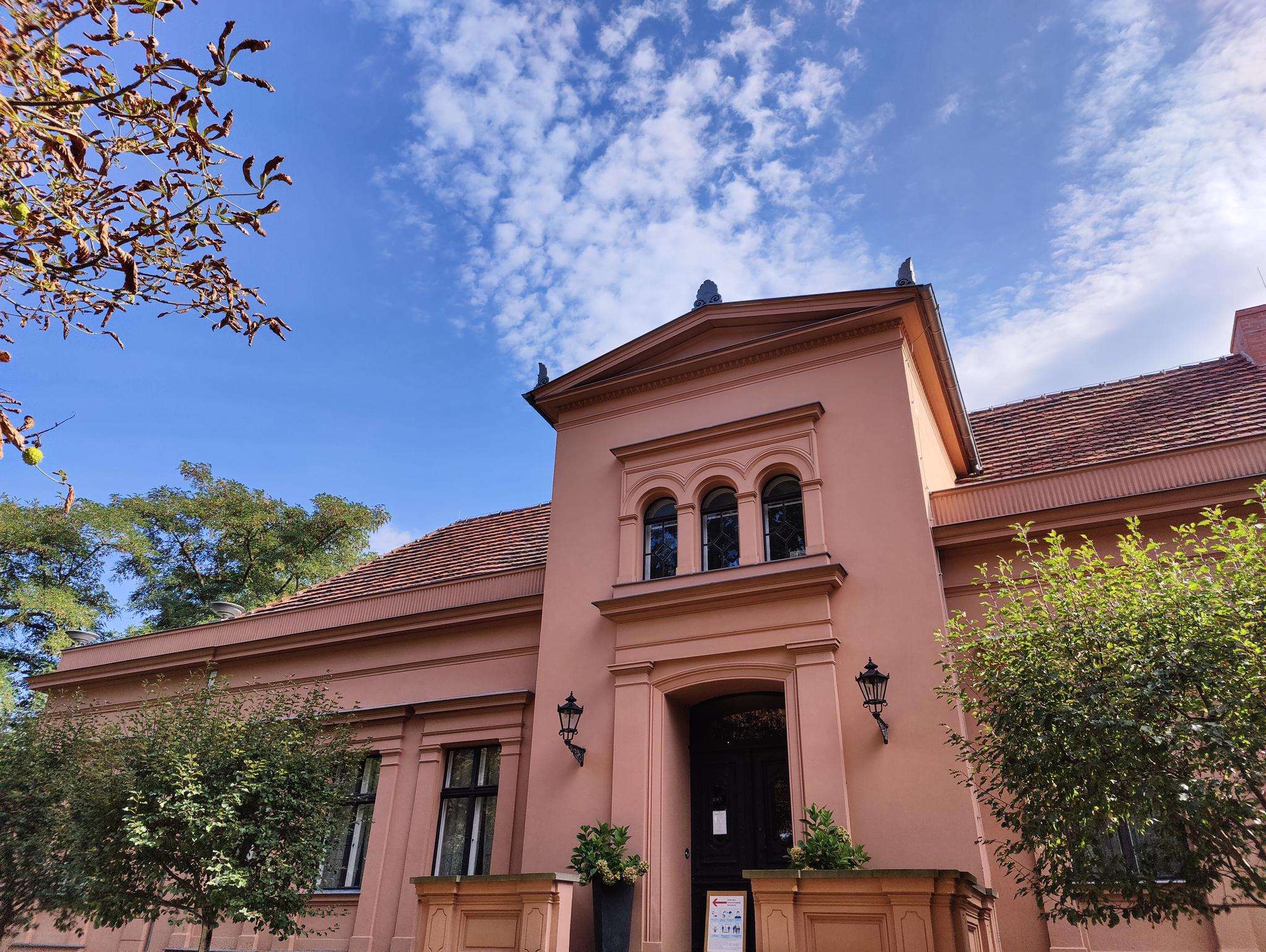
The best MTB trails in Worimi National Park
17
riders
3
rides
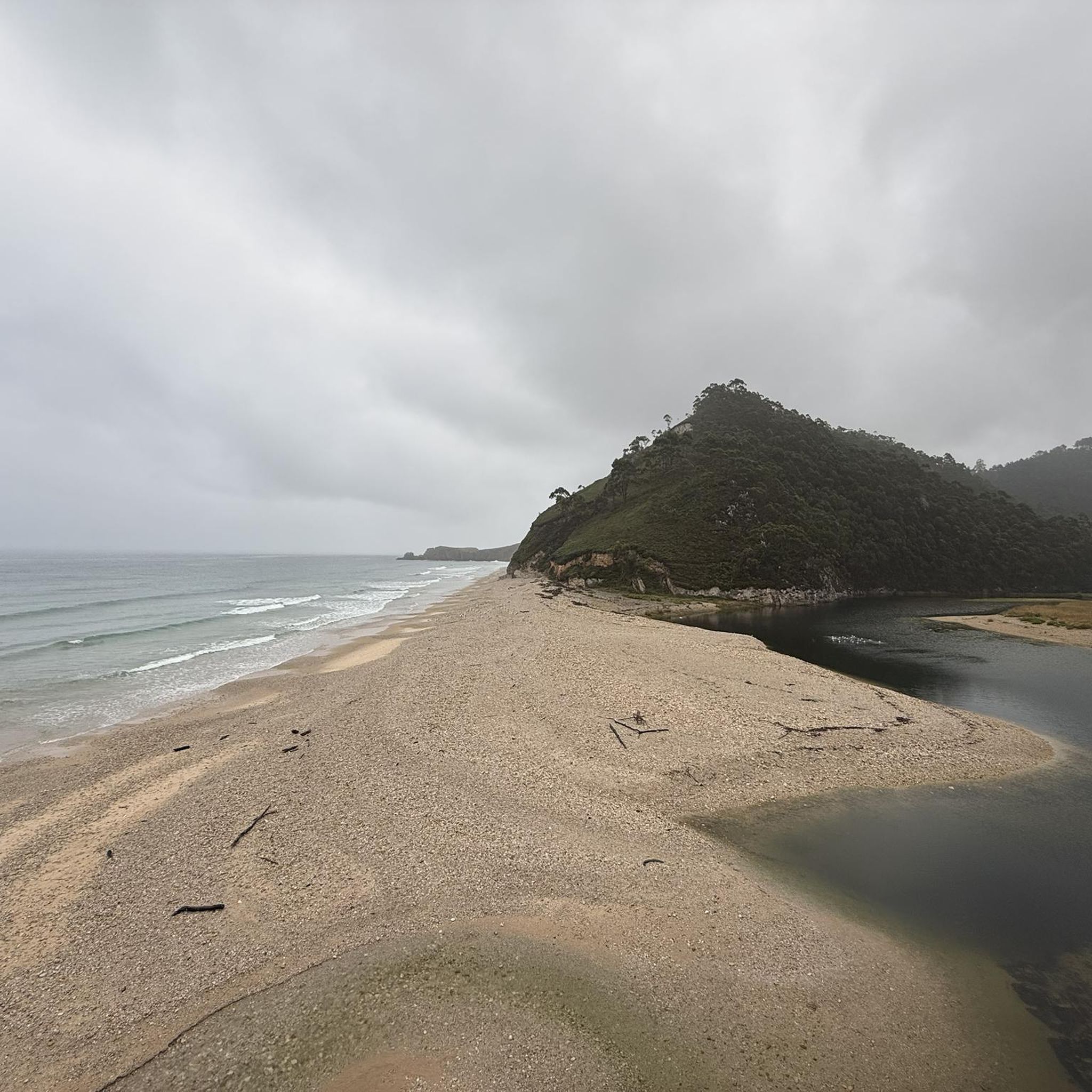
Mountain biking in Worimi National Park offers routes through a landscape characterized by extensive coastal sand masses, dynamic dunes, and forests of coastal sand apple blackbutt and swamp mahogany paperbark trees. While dedicated mountain biking trails are not prominently featured within the National Park itself, the broader Worimi Regional Park, part of the Worimi Conservation Lands, provides cycling routes. These routes often include a mix of paved and unpaved segments, traversing coastal environments and forested areas. The terrain is generally…
Last updated: June 27, 2026
2
riders
21.5km
01:21
120m
120m
Easy mountain bike ride. Great for any fitness level. Suitable for all skill levels.
12
riders
21.2km
01:37
100m
100m
Easy mountain bike ride. Great for any fitness level. Suitable for all skill levels.

Sign up for free
3
riders
28.3km
01:47
130m
130m
Easy mountain bike ride. Great for any fitness level. Suitable for all skill levels.
Our route recommendations are based on thousands of hikes, rides, and runs completed by other people on komoot.
Start today with a free account
Your next adventure awaits.
Login or Signup
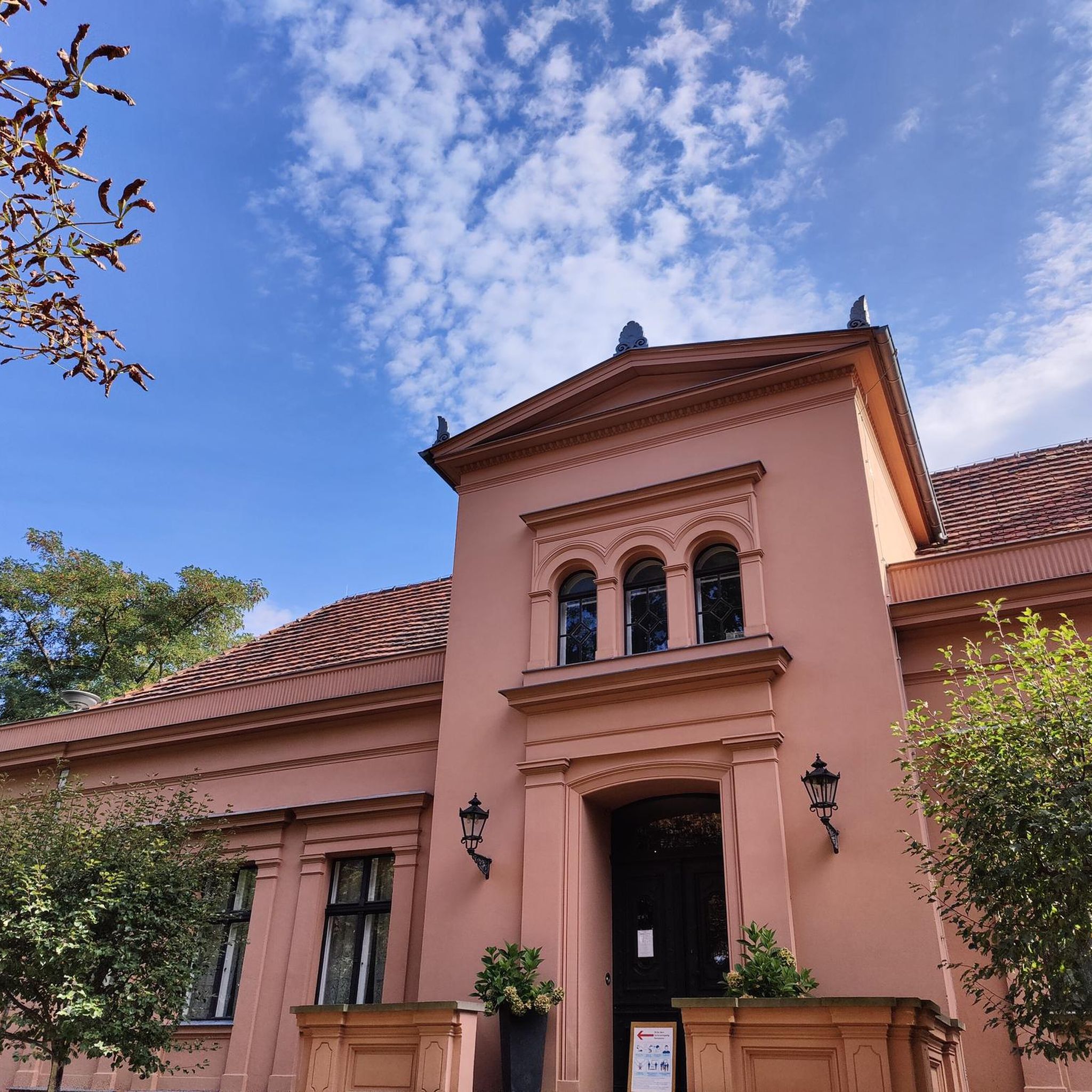
Tips from the Community

Frequently Asked Questions
How many mountain bike trails are available in the Worimi National Park area?
Komoot currently features 3 mountain bike routes in the broader Worimi National Park region. These trails are primarily located within the Worimi Regional Park, offering diverse cycling experiences.
What kind of terrain can I expect on mountain bike trails near Worimi National Park?
The mountain bike trails in the Worimi Regional Park area, adjacent to Worimi National Park, typically feature a mix of paved and unpaved segments. You'll encounter coastal paths, sandy stretches, and forested areas with coastal sand apple blackbutt and swamp mahogany paperbark trees. The terrain is generally flat with minimal elevation changes, making most routes suitable for easy rides.
Are there any family-friendly mountain bike trails in the Worimi National Park region?
Yes, all the mountain bike routes currently listed for the Worimi National Park area are rated as easy, making them suitable for families. For example, the Mallabula Parkway Reserve loop from Lemon Tree Passage is a 13.4-mile (21.5 km) trail offering an easy ride through local reserves.
Can I bring my dog on mountain bike trails in Worimi National Park?
Worimi National Park has specific rules regarding pets to protect its unique wildlife and cultural sites. Generally, dogs are not permitted within the National Park boundaries. For specific regulations regarding the broader Worimi Conservation Lands or Regional Park, it's best to check with the local park authorities before planning your ride.
What natural features or attractions can I see while mountain biking near Worimi National Park?
While mountain biking in the Worimi Regional Park area, you'll experience coastal scenery, natural bushland, and local reserves. The broader Worimi Conservation Lands are famous for the Stockton Bight, featuring the largest mobile coastal sand mass in the Southern Hemisphere, and Stockton Beach, the state's longest beach. You might also encounter forests of coastal sand apple blackbutt and swamp mahogany paperbark trees.
Are there any circular mountain bike routes available?
Yes, all the mountain bike routes highlighted in this guide are circular loops. Examples include the Mallabula Parkway Reserve loop from Lemon Tree Passage, the Tomaree National Park loop from Shoal Bay, and the Dutchmans Beach – Sandpiper Reserve loop from Salamander Bay.
What are the typical lengths and durations of mountain bike trails in the area?
The mountain bike trails in the Worimi National Park region vary in length, generally ranging from approximately 13.2 miles (21.2 km) to 17.6 miles (28.3 km). Depending on your pace, these routes typically take between 1 hour 20 minutes and 1 hour 47 minutes to complete.
Where can I park when visiting for mountain biking?
Parking availability will depend on the specific trailhead you choose. For routes like the Mallabula Parkway Reserve loop, you would typically look for parking in Lemon Tree Passage. For the Tomaree National Park loop, parking would be available in Shoal Bay, and for the Dutchmans Beach – Sandpiper Reserve loop, parking can be found in Salamander Bay. Always check local signage for parking regulations.
Are permits required for mountain biking in the Worimi National Park area?
Dedicated mountain biking trails are not prominently featured within Worimi National Park itself. However, if you plan to engage in activities like 4WD on Stockton Beach, a special permit is required. For general cycling in the Worimi Regional Park, specific permits for biking are typically not needed, but it's always wise to check the latest regulations on the NSW National Parks website.
What is the best time of year to go mountain biking in the Worimi National Park region?
The Worimi National Park region generally offers pleasant conditions for mountain biking for much of the year. Spring (September to November) and Autumn (March to May) often provide mild temperatures and less humidity, making them ideal. Summer can be hot, especially on exposed coastal sections, while winter can be cooler but still suitable for riding.
What should I bring for a mountain biking trip in this area?
Given the coastal and sometimes sandy nature of the trails, it's advisable to bring plenty of water, sun protection (sunscreen, hat, sunglasses), and insect repellent. A basic bike repair kit, a fully charged phone, and appropriate cycling attire are also recommended. Be prepared for varying surfaces, including potentially sandy sections.
Are there any cafes or places to eat near the mountain bike trails?
Yes, the starting points for many of the routes, such as Lemon Tree Passage, Shoal Bay, and Salamander Bay, are coastal towns with various cafes, restaurants, and shops where you can refuel before or after your ride.
What do other mountain bikers say about the trails in the Worimi National Park area?
The routes in the Worimi National Park region are appreciated by the komoot community, with over 17 visitors having explored the area. Riders often highlight the easy difficulty and the opportunity to experience coastal scenery and natural bushland, making them enjoyable for a relaxed ride.
Is public transport an option to reach mountain bike trailheads?
Public transport options to reach specific mountain bike trailheads in the Worimi National Park region may be limited. While local bus services connect the main towns like Lemon Tree Passage, Shoal Bay, and Salamander Bay, it's advisable to check specific routes and schedules in advance, especially if you plan to bring your bike on public transport.
Are there options for less crowded mountain bike trails?
The routes in the Worimi Regional Park area are generally not heavily trafficked, especially outside of peak holiday seasons. For a potentially quieter experience, consider riding during weekdays or early mornings. Routes like the Mallabula Parkway Reserve loop from Lemon Tree Passage offer a peaceful ride through local reserves.

Get inspired with the komoot mobile app


Explore more
Browse the best MTB trails in other regions.
