The best walks and hikes in Gir-Um-Bit National Park
79
hikers
6
hikes
Hiking in Gir-Um-Bit National Park is characterized by its coastal environment and proximity to the waterways of Port Stephens Bay. The region features extensive wetland systems, including mangroves and coastal saltmarsh, which contribute to its unique ecological profile. Trails in the vicinity often follow the bay's fringe, offering views of the water and surrounding natural areas. The terrain generally consists of low-lying coastal paths with minimal elevation changes.
Best hiking trails in Gir-Um-Bit National Park
- The most popular hiking route…
Last updated: July 4, 2026
16
hikers
Moderate hike. Good fitness required. Easily-accessible paths. Suitable for all skill levels.
2
hikers
4.19km
01:08
60m
60m
Easy hike. Great for any fitness level. Easily-accessible paths. Suitable for all skill levels.

Sign up for free
14
hikers
10.7km
02:49
100m
100m
Moderate hike. Good fitness required. Easily-accessible paths. Suitable for all skill levels.
6.24km
01:37
40m
40m
Easy hike. Great for any fitness level. Easily-accessible paths. Suitable for all skill levels.
17
hikers
7.21km
01:54
60m
60m
Easy hike. Great for any fitness level. Easily-accessible paths. Suitable for all skill levels.
Our route recommendations are based on thousands of hikes, rides, and runs completed by other people on komoot.
Start today with a free account
Your next adventure awaits.
Login or Signup


Tips from the Community

At the end of Big Rocky Trail sits The Rocky Cauldron, an ocean-carved red rock formation that churns waves around and can spray onlookers. This rock feature was shaped over years of battering and erosion from wind and water.
0
0
Rocky Beach sits near the end of Big Rocky Trail. The small sandy stretch of beach is protected by rock shelves, with colourful tide pools to explore. Be careful of larger waves breaking against the rocks.
0
0
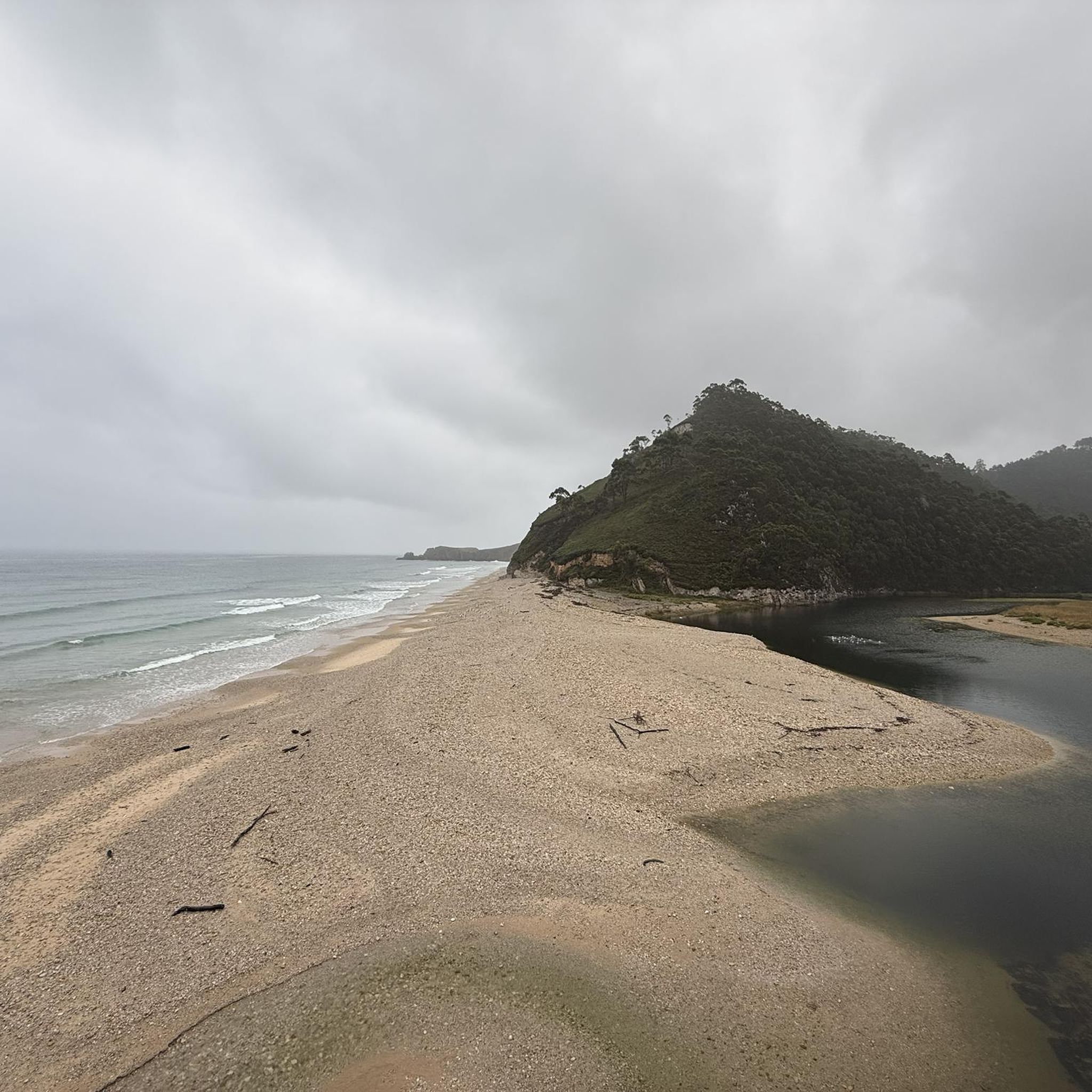
The Big Rocky Trail is open to bushwalking, biking, and driving and leads to the Tasman Sea. The road is wide, and bushwalkers can walk side by side through trees, beach vegetation and sandy patches before reaching the ocean.
0
0
Frequently Asked Questions
Is Gir-Um-Bit National Park open for public hiking?
Gir-Um-Bit National Park is primarily a conservation area with extremely limited public access and no established facilities or marked recreational walking tracks. The park's value lies predominantly in its ecological importance, particularly its internationally significant wetlands. The hiking routes listed in this guide are located in the broader region surrounding the park, offering coastal walks and bay views.
What kind of terrain can I expect on hikes near Gir-Um-Bit National Park?
Hikes in the vicinity of Gir-Um-Bit National Park are characterized by coastal paths, bay views, and wetland fringes. The terrain is generally low-lying with minimal elevation changes, making for accessible walks. You'll find paths leading through coastal bushland and along shorelines, offering views of Port Stephens Bay.
Are there any easy hiking trails suitable for beginners or families?
Yes, there are several easy options available. For example, the Bagnalls Beach Reserve loop from Bagnalls Beach Reserve is a 2.6-mile (4.2 km) trail that takes about 1 hour 8 minutes to complete, leading through coastal bushland and along the shoreline. Another easy route is the Dutchmans Beach – Bagnalls Beach Reserve loop from Nelson Bay, which is 4.5 miles (7.2 km) long.
Can I bring my dog on the trails near Gir-Um-Bit National Park?
As Gir-Um-Bit National Park is a protected conservation area, dogs are generally not permitted within the official park boundaries to protect native wildlife. For trails in the surrounding areas, it's essential to check local council regulations or specific trail signage regarding dog access, as rules can vary. Always keep dogs on a leash where permitted.
What is the longest hiking route available in the area?
The longest route in this guide is the Dutchmans Beach – Little Beach loop from Bagnalls Beach Reserve. This moderate trail covers 6.6 miles (10.7 km) and typically takes around 2 hours 50 minutes to complete, offering extended coastal views.
Are there any circular walking routes?
Yes, many of the routes in the area are circular. For instance, the Dutchmans Beach – Bagnalls Beach Reserve loop from Bagnalls Beach Reserve is a popular 4.8-mile (7.8 km) loop. Another option is the Dutchmans Beach – Bagnalls Beach Reserve loop from Corlette, which is a 5.7-mile (9.2 km) moderate loop.
What kind of wildlife can I expect to see while hiking?
The region, particularly the wetlands of Gir-Um-Bit National Park, is a significant habitat for diverse wildlife. You might spot various bird species, including migratory birds, and potentially other wetland creatures. The park is known to provide essential habitat for 41 threatened species, such as the Australasian bittern and the green and golden bell frog, though direct access to these sensitive areas is restricted.
What do other hikers enjoy most about hiking in this region?
The routes in this area are highly rated by the komoot community, with an average score of 5.0 stars. Hikers often praise the beautiful coastal views, the serene atmosphere of the bay, and the accessibility of the paths, which offer a pleasant experience for various fitness levels.
Are there any challenging hikes near Gir-Um-Bit National Park?
The trails listed in this guide are generally classified as easy to moderate, with no routes specifically designated as difficult. The terrain is mostly low-lying coastal paths, so while some routes are longer, they do not feature significant elevation gains or technical challenges.
What is the best time of year to hike in this coastal region?
Given the coastal environment, hiking is generally pleasant during most of the year. Spring and autumn offer mild temperatures, which are ideal. Summer can be warm, so early morning or late afternoon hikes are recommended. Winter typically brings cooler, but often sunny, conditions, making it suitable for hiking as well.
Where can I find official information about Gir-Um-Bit National Park's conservation status?
For official information regarding the conservation status and management intent of Gir-Um-Bit National Park, you can refer to documents from the NSW National Parks and Wildlife Service. A relevant resource is available at nsw.gov.au.

Get inspired with the komoot mobile app


Explore more
Browse the best Hikes in other regions.
