Attractions and Places To See in Rumipamba - Top 5
Best attractions and places to see in Rumipamba center around the Rumipamba Archaeological and Ecological Park, a significant urban park in Quito, Ecuador. This area is known for its pre-Hispanic history, showcasing archaeological findings from various ancient civilizations. Visitors can explore reconstructed dwellings, an archaeological museum, and natural features like scenic trails and views of Quito. The park offers a blend of cultural exploration and natural landscapes.
Best attractions and places to see in Rumipamba
- The most popular attractions is North Entrance, Cotopaxi National Park, a facilities that serves as the northern entry point to the national park. Visitors must complete formalities and arrive before 3 PM to enter.
- Another must-see spot is Road to Cotopaxi National Park, a trail offering continuous views of Cotopaxi. This route provides an experience through the national park.
- Visitors also love Guesthouse Near Cotopaxi, facilities for accommodation. This guesthouse offers amenities like a kitchen and hot showers for overnight stays.
- Rumipamba is known for its archaeological sites, natural trails, and facilities for visitors. The area offers a variety of attractions to see and explore, from ancient ruins to scenic routes.
- The attractions in Rumipamba are appreciated by the komoot community, with 7 upvotes and 3 photos shared by visitors.
Last updated: July 4, 2026
North Entrance, Cotopaxi National Park
Highlight • Rest Area
Tip by

Road to Cotopaxi National Park
Highlight • Trail
Tip by
Sign up now to discover places like this
Get recommendations on the best single tracks, peaks, & plenty of other exciting outdoor places.
Sign up for free
Tambopaxi Lodge
Highlight • Mountain Hut
Translated by Google •
Tip by

Guesthouse Near Cotopaxi
Highlight • Rest Area
Tip by

Ash trail to Cotopaxi
Highlight (Segment) • Trail
Translated by Google •
Tip by

Sign up for free to discover even more attractions in Rumipamba.
Sign up for free
Already have an account?
Start today with a free account
Your next adventure awaits.
Login or Signup
Popular around Rumipamba
Tips from the Community

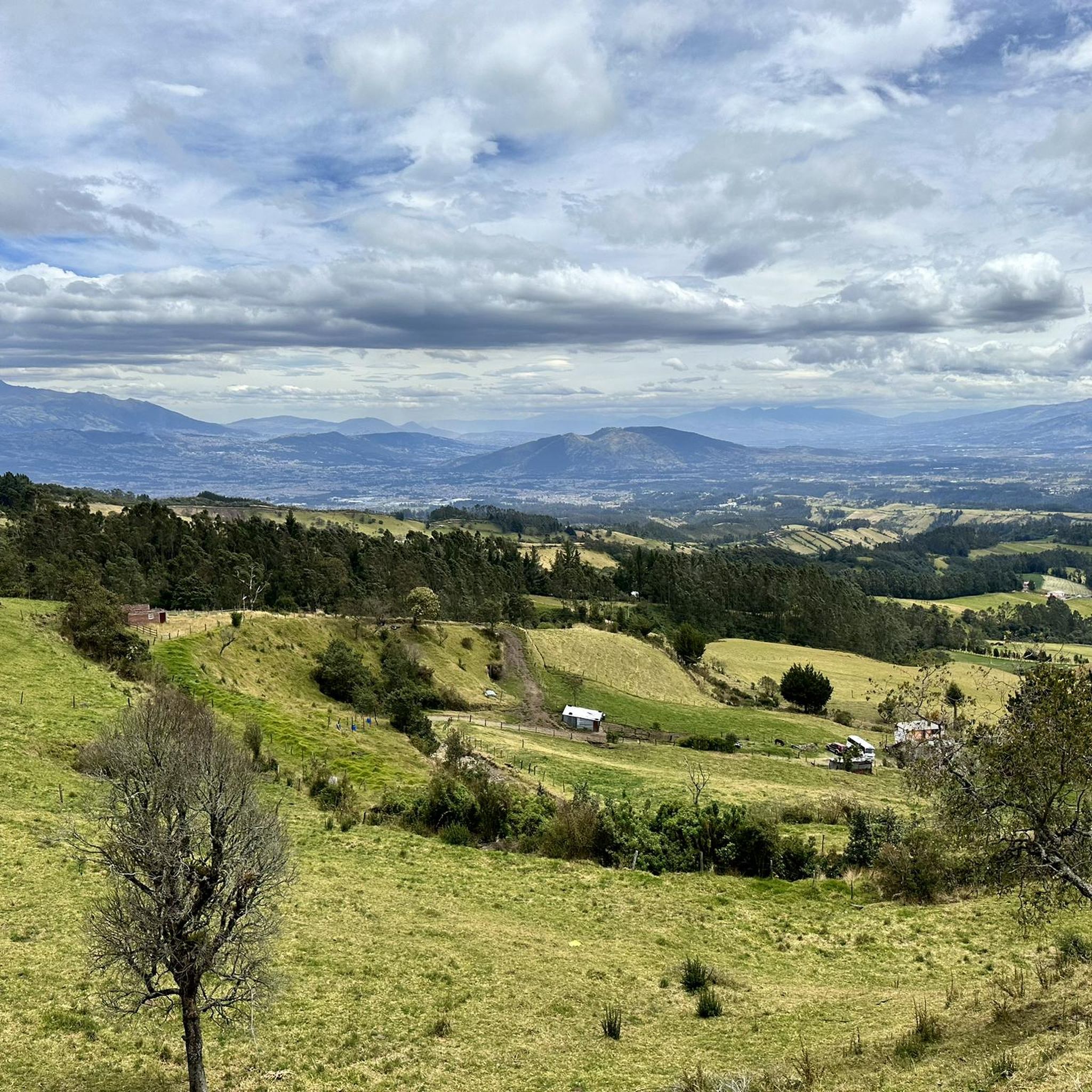
Nice place to stay for a night. Can use the kitchen to cook and very hot showers. It is 10 dollars p.p.
0
0

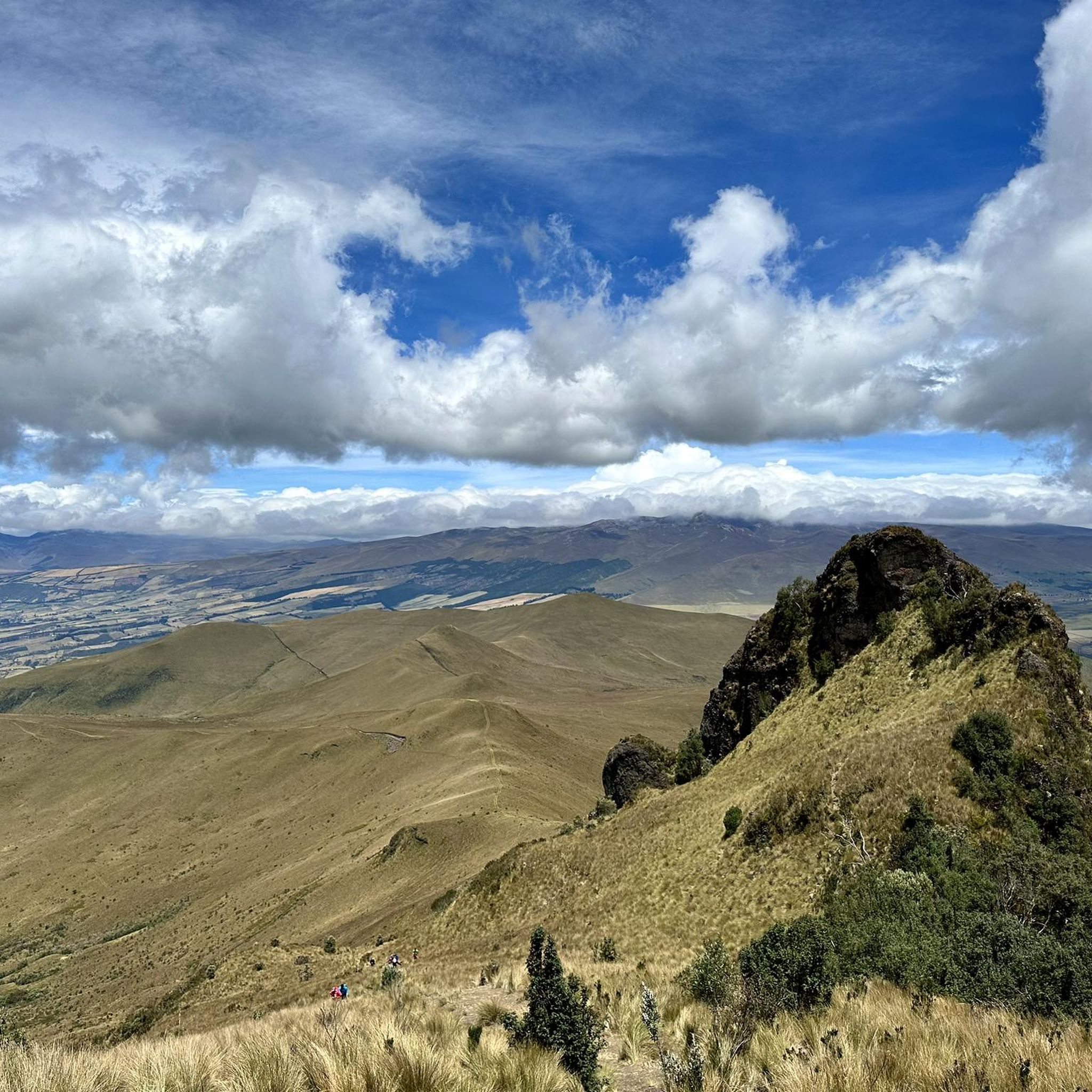
No matter where we are on the plateau. The view of Cotopaxi is omnipresent. And the weather is on our side. Always a good look.
0
0
The northern entrance to the national park. After the formalities at the entrance (entrance fee and passport control), we now go to Cotopaxi. Thank God most of the elevation gain has now been achieved and the condition of the path is noticeably better.
0
0

Stretch of dirt road composed of the ashes of the Cotopaxi volcano. You cycle on sandy and dark terrain with the imposing volcano as your point of reference. The name Cotopaxi means "neck of the moon" in the Quechua language, in fact the perfectly conical shape of the volcano is very reminiscent of that of a neck. The view at the base is breathtaking and it really feels like cycling on lunar terrain!
3
0
You can camp at the lodge and enjoy the breakfast buffet at the lodge. A welcome opportunity to warm up after the cold nights. It is only possible to warm up in very few places in the Andes.
0
0

Only entrance here in the North. Arrive before 3pm and you will be let in. Don't take pictures in Front of the entrance until you're almost too late! 😂
1
0
the park will close it's entrance at 3pm. So be at this Northern entrance before :) Riding through the national park from this side is highly recommended!
2
0
Frequently Asked Questions
What historical and archaeological sites can I explore in Rumipamba?
Rumipamba is renowned for the Rumipamba Archaeological and Ecological Park, an open-air museum showcasing pre-Hispanic history. You can explore pre-Inca stone walls, canals, and foundations of houses and temples dating back to 400 AD. The park features reconstructed mud huts, an archaeological museum with unearthed artifacts, and an "Archaeology of Death" exhibition displaying ancient burial sites.
Are there natural trails or scenic viewpoints in Rumipamba?
Yes, the Rumipamba Archaeological and Ecological Park offers winding trails that guide visitors through the landscape. These trails feature informative signs about native Andean flora and fauna, and from its location on the slopes of the Guagua Pichincha volcano, the park provides sweeping views of Quito. The Rumipamba Ravine, a vital water source, also bisects the park.
What activities are available for families with children in Rumipamba?
The Rumipamba Archaeological and Ecological Park is family-friendly, featuring an interactive sandbox area where children can dig for replicas of pottery, artifacts, seeds, and animal bones. This offers a playful and scientific introduction to archaeology, allowing them to experience excavating a tomb.
What outdoor activities can I do near Rumipamba's attractions?
Near Rumipamba, you can find various outdoor activities. For cycling enthusiasts, there are routes like the 'Guesthouse Near Cotopaxi – View of Cotopaxi loop' which is 79.9 km long. Mountain biking options include the 'Pucara Salitre Ruins – Hidden Highland Lagoon loop' (37.6 km). If you prefer hiking, consider the 'Paperbark Tree Forest – Summit of Pasochoa Volcano loop' (14.5 km). You can find more details on these and other routes in the Cycling in Rumipamba, MTB Trails in Rumipamba, and Hiking in Rumipamba guides.
Are there any specific hiking trails within the Rumipamba Archaeological Park?
The Rumipamba Archaeological and Ecological Park features a network of scenic trails that guide visitors through the archaeological sites and natural features. A monumental sundial often serves as a starting point for exploring these paths, which are lined with informative signs about the local flora and fauna.
What is the best time of year to visit Rumipamba for outdoor activities?
While specific seasonal recommendations for Rumipamba are not detailed, generally, the dry season (June to September) is often preferred for outdoor activities in the Ecuadorian highlands due to clearer skies and less rain, making trails more accessible. However, the park is open year-round, and the lushness during the rainy season can also be appealing.
What can I expect when visiting the North Entrance of Cotopaxi National Park?
The North Entrance, Cotopaxi National Park is a key entry point where visitors must complete formalities and arrive before 3 PM to gain access. It's known for its continuous views of Cotopaxi as you proceed into the park, offering a significant portion of the elevation gain for those traveling through.
Where can I find accommodation near the attractions?
For those looking to stay overnight, Guesthouse Near Cotopaxi offers amenities like a kitchen and hot showers, making it a convenient option. Another choice is Tambopaxi Lodge, where you can camp and enjoy a breakfast buffet, providing a welcome opportunity to warm up after cold nights.
What makes the 'Ash trail to Cotopaxi' unique?
The Ash trail to Cotopaxi is a distinctive dirt road composed of the ashes from the Cotopaxi volcano. Cycling or walking on this sandy, dark terrain with the imposing, perfectly conical volcano as a constant reference point offers a breathtaking experience, often described as feeling like you're on 'lunar terrain'.
Are there any other significant cultural sites near Rumipamba?
Beyond the Rumipamba Archaeological and Ecological Park, the region around Quito offers other cultural sites. The La Florida archaeological site, for instance, features remains of the Quitus culture and ancient burial grounds with deep-well shaped tombs. Additionally, the Casa del Alabado Museum in Quito's historic center houses a notable collection of pre-Columbian ceramic pieces and jewelry.
What kind of wildlife can be observed in Rumipamba?
The Rumipamba Archaeological and Ecological Park is a sanctuary for native vegetation, including wild gooseberry and myrtle trees. This natural habitat supports various bird species such as finches and tanagers, making it a good spot for birdwatching.
Is the Rumipamba Archaeological and Ecological Park accessible for visitors with mobility challenges?
While the park features winding trails and elevated walkways for observing excavations, specific information on wheelchair accessibility for all areas is not detailed. It's recommended to check directly with the park administration for current accessibility provisions before your visit. You can find contact information on the official Visit Quito website.
Most popular routes in Rumipamba

Get inspired with the komoot mobile app


Explore more
Still not found the Highlight you’re looking for? See guides of the top attractions in other regions:
