Attractions and Places To See in Yaruqui - Top 5
Best attractions and places to see in Yaruqui include a mix of historical landmarks, cultural sites, and natural outdoor areas. Located near Quito, Ecuador, the region offers opportunities to explore ancient structures and engage with local traditions. Visitors can discover significant geographical reference points and enjoy scenic routes for cycling and hiking. The area is characterized by its natural beauty and rich historical context.
Best attractions and places to see in Yaruqui
- The most popular attractions is Chaquiñán Tunnels,…
Last updated: July 4, 2026
Chaquiñán Tunnels
Highlight • Structure
Translated by Google •
Tip by

Bike path from Tumbaco to Papallacta
Highlight • Cycleway
Translated by Google •
Tip by

Sign up now to discover places like this
Get recommendations on the best single tracks, peaks, & plenty of other exciting outdoor places.
Sign up for free
El Chaguiñán Ecological Route
Highlight (Segment) • Cycleway
Tip by

Cayambe-Coca Park
Highlight • Natural Monument
Translated by Google •
Tip by
Via a Salve Facha
Highlight • Trail
Translated by Google •
Tip by
Sign up for free to discover even more attractions in Yaruqui.
Sign up for free
Already have an account?
Start today with a free account
Your next adventure awaits.
Login or Signup
Popular around Yaruqui
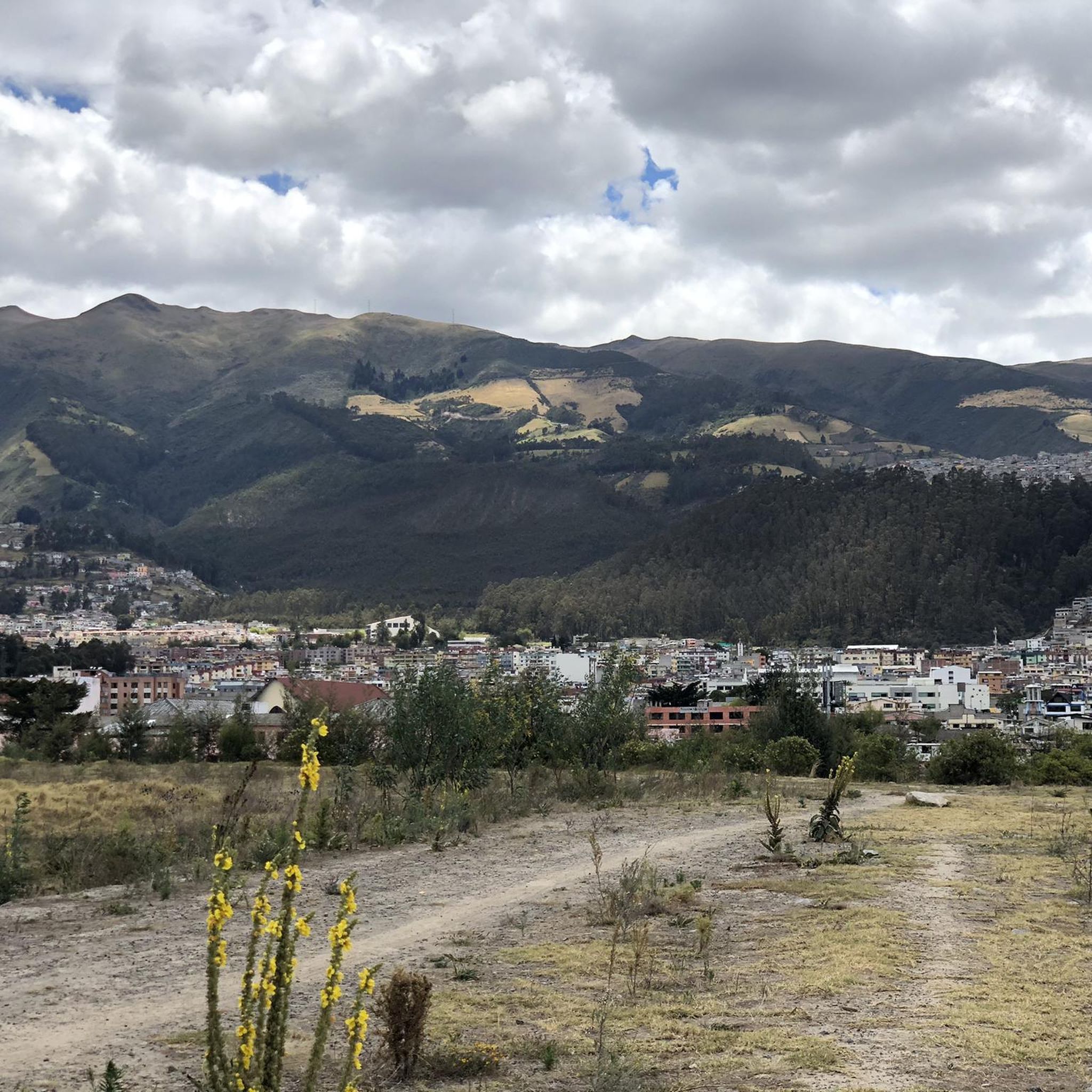
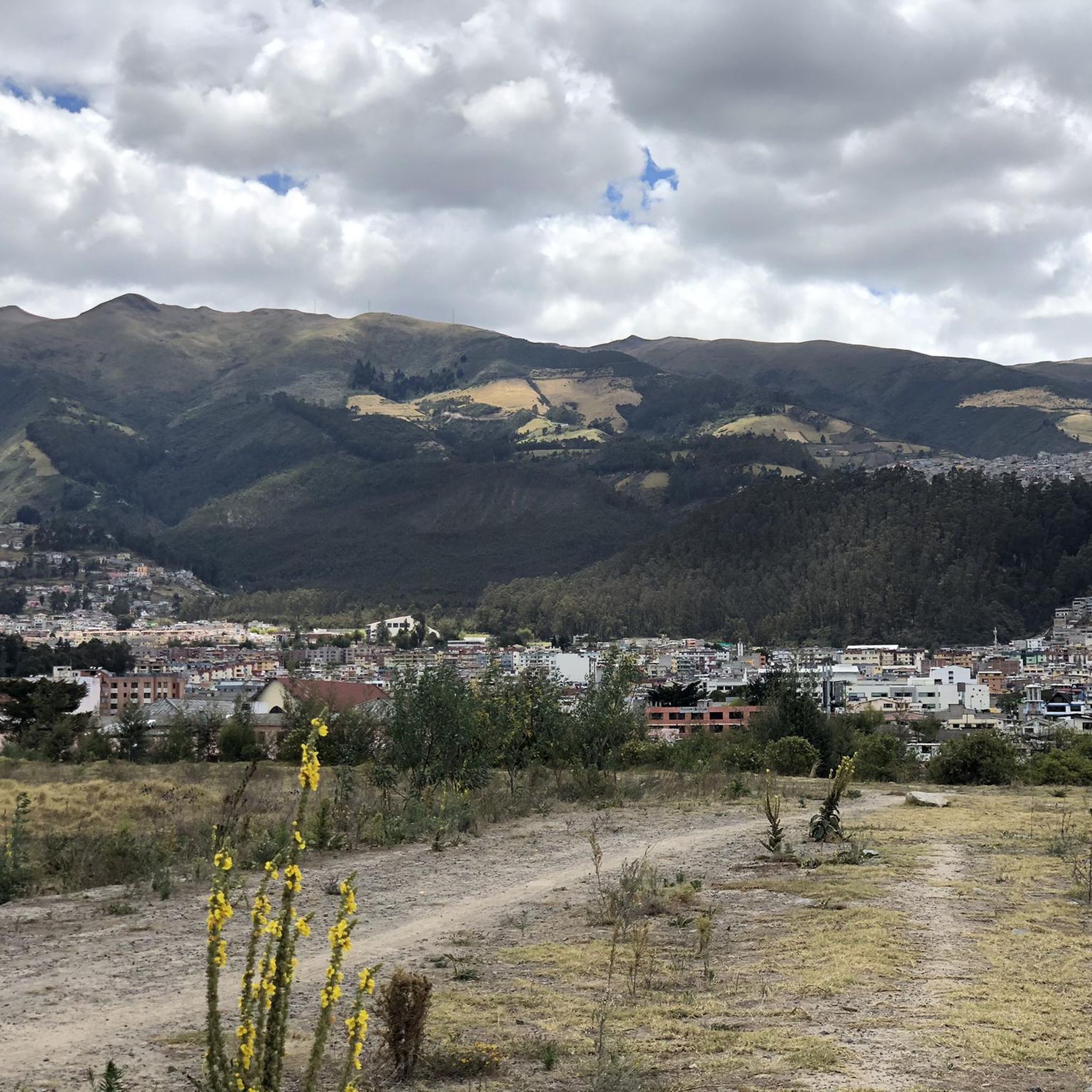

Tips from the Community

If your bike can handle dirt, take the old road that runs parallel up to the pass. No traffic.
0
0
rideable without lights, but you have to trust no one laid out a log in the way!
0
0

Bring a flashlight, buff for your nose, mouth and water
0
0

Popular route close to Quito. It’s an old railway track. Great path and views. We loved it! There’s a 20 km south of this, we didn’t cycled that part. We did cycle the track up to El Quinche, that’s almost 50 km. Last few kilometres are also nice.
1
0

It is preferable to leave as early as possible in the morning, carry a light load if you are not a cycle-traveler of course, if you only do the route go as light as possible it is quite a climb, comfortable clothing, a good chamois because you are going to spend a lot of time sitting and Waterproof clothing because you are going to climb to 4000 meters above sea level and it is a wasteland, it drizzles or it rains suddenly, sunscreen or a good hat, a bike with tires in good condition because there is too much broken glass on the road, hence the route has beautiful landscapes.. . good luck
0
0

On the road from Quito to Papallacta there is a wide cycle path on the side of the road that allows you to cycle away from cars and trucks. In some sections the cycle path passes under the main road so you need to pay attention to deviations.
2
0
The Cayambe-Coca National Park is a park particularly rich in water. Here they convey clouds and rains that feed a system of aquifers, waterfalls and springs.
0
0
This stretch of road that crosses the Cayambe-Coca park is very suggestive. After passing the pass at an altitude of 3,920 metres, you descend into a large valley immersed in the typical páramo landscape.
1
0
Frequently Asked Questions
What kind of outdoor activities can I do in Yaruqui?
Yaruqui offers a variety of outdoor activities, particularly cycling and hiking. You can explore routes like the El Chaguiñán Ecological Route, an old railway track popular for both cycling and walking. For more extensive cycling, consider the Bike path from Tumbaco to Papallacta. The region also features numerous running, cycling, and mountain biking trails. You can find detailed routes in the Running Trails in Yaruqui, Cycling in Yaruqui, and MTB Trails in Yaruqui guides.
Are there any historical sites or cultural centers to visit in Yaruqui?
Yes, Yaruqui is rich in history and culture. You can visit the colonial-style Iglesia de San Lorenzo, a significant historical monument over 430 years old, known for its Spanish influence and Quito school of art. Another historical landmark is the Pirámide de Oyambaro, erected in 1736 by French academics. The El Túnel y Puente del Ferrocarril de Guambi, built in 1922, is an impressive historical railway work. For cultural immersion, the Centro Cultural Ñukanchik Yuyay strengthens local identity through art, Andean medicine, and customs, featuring a museum and spaces for Andean festivities.
What natural attractions can I explore in Yaruqui?
Yaruqui boasts several natural attractions. The Cayambe-Coca Park is particularly rich in water, with a system of aquifers, waterfalls, and springs. A scenic stretch of road, Via a Salve Facha, crosses the park, offering views of the typical páramo landscape. You can also ascend Cerro El Cotohurco, a natural pyramid at the summit of Yaruqui, which provides panoramic views of the entire Quito canton and the local valley.
Are there family-friendly attractions in Yaruqui?
While specific 'family-friendly' categories aren't listed for all attractions, many outdoor routes like the El Chaguiñán Ecological Route are suitable for families who enjoy cycling or walking. The Museo de Ciencias Naturales, part of the Guayasamín project, allows visitors to see rehabilitated endangered animals and a botanical garden, which can be engaging for children. The Centro Cultural Ñukanchik Yuyay also offers a glimpse into local traditions that families might enjoy.
What are the most popular trails for cycling or hiking in Yaruqui?
The El Chaguiñán Ecological Route is a highly popular choice, following an old railway track with great paths and views. Another unique experience is cycling through the Chaquiñán Tunnels, though a flashlight is recommended. For cyclists, the Bike path from Tumbaco to Papallacta offers a wide, safe route away from main road traffic.
What is the best time to visit Yaruqui for outdoor activities?
Yaruqui's climate, being near the equator, doesn't experience extreme seasonal changes. However, the dry season (roughly June to September) generally offers more predictable weather for outdoor activities like hiking and cycling. During the wet season, sudden drizzles or rain are common, especially at higher altitudes like the páramo landscape in Cayambe-Coca Park, so always be prepared for changing conditions.
What should I wear for hiking or cycling in Yaruqui?
Given the varied terrain and potential for changing weather, especially at higher elevations, it's advisable to wear comfortable, layered clothing. A good chamois is recommended for cycling due to potentially long periods in the saddle. Waterproof clothing is essential if you plan to ascend to higher altitudes (around 4000 meters above sea level), as drizzles or rain can occur suddenly in the páramo. Sunscreen and a hat are also important, regardless of the weather.
Are there any hidden gems or less-known spots in Yaruqui?
Beyond the main attractions, the Gruta del Niño de la Comuna el Tejar is a small grotto built by the community, offering a unique local spiritual site. Cerro El Cotohurco, while offering panoramic views, is also associated with numerous legends from pre-Inca times, making it a spot with a deeper local story. Exploring the various Hosterías and Private Complexes can also reveal tranquil rural settings for relaxation and local experiences.
Can I spot wildlife in Yaruqui?
Yes, particularly in natural areas. The Cayambe-Coca Park is a significant natural area where you might encounter local flora and fauna. The Museo de Ciencias Naturales also allows visitors to see rehabilitated endangered animals from the area, providing insight into the region's wildlife.
How long does it take to explore the main attractions in Yaruqui?
The time needed varies depending on your interests. You could spend a full day exploring the historical sites like Iglesia de San Lorenzo and Pirámide de Oyambaro, combined with a cultural visit to Centro Cultural Ñukanchik Yuyay. For outdoor activities, a cycling trip on the El Chaguiñán Ecological Route or a visit to Cayambe-Coca Park could easily take half a day or more, depending on the route length and exploration desired. Many visitors combine several attractions over a weekend.
Are there any specific regulations or permits needed for hiking in Yaruqui?
Generally, for popular routes like the El Chaguiñán Ecological Route, no specific permits are required. However, if you plan to enter protected areas such as Cayambe-Coca Park, it's always advisable to check for any entry fees or specific regulations that might apply, especially for certain trails or activities within the park boundaries.
What do visitors enjoy most about Yaruqui?
Visitors frequently appreciate the blend of natural beauty and historical significance. The scenic routes for cycling and hiking, like the El Chaguiñán Ecological Route, are highly praised for their views and paths. The unique experience of the Chaquiñán Tunnels also stands out. The tranquility of the rural setting and the opportunity to engage with local culture are also significant draws.
Most popular routes in Yaruqui

Get inspired with the komoot mobile app


Explore more
Still not found the Highlight you’re looking for? See guides of the top attractions in other regions:
