The best walks and hikes in Nono
4.3
(10)
69
hikers
3
hikes
Hiking in Nono offers diverse landscapes within the Andes Mountains near Quito, Ecuador. The region is characterized by mountainous and hilly terrain, including significant cloud forests and valleys. Its location on the slopes of the Pichincha volcano provides varied elevation and natural features like waterfalls and rivers. These elements contribute to a rich biodiversity, encompassing páramo, transitional forest, and humid forest ecosystems.
Best hiking trails in Nono
- The most popular hiking route is Descent to the Volcano Floor loop from…
Last updated: July 11, 2026
4.3
(3)
18
hikers
12.8km
03:59
460m
460m
Moderate hike. Good fitness required. Easily-accessible paths. Suitable for all skill levels.
16
hikers
Moderate hike. Good fitness required. Easily-accessible paths. Suitable for all skill levels.

Sign up for free
3.0
(1)
7
hikers
11.4km
03:01
100m
100m
Moderate hike. Good fitness required. Easily-accessible paths. Suitable for all skill levels.
5.0
(1)
3
hikers
15.4km
05:25
810m
810m
Hard hike. Very good fitness required. Easily-accessible paths. Suitable for all skill levels.
5.0
(2)
8
hikers
5.92km
03:06
730m
730m
Moderate hike. Good fitness required. Easily-accessible paths. Suitable for all skill levels.
Our route recommendations are based on thousands of hikes, rides, and runs completed by other people on komoot.
Start today with a free account
Your next adventure awaits.
Login or Signup

Tips from the Community

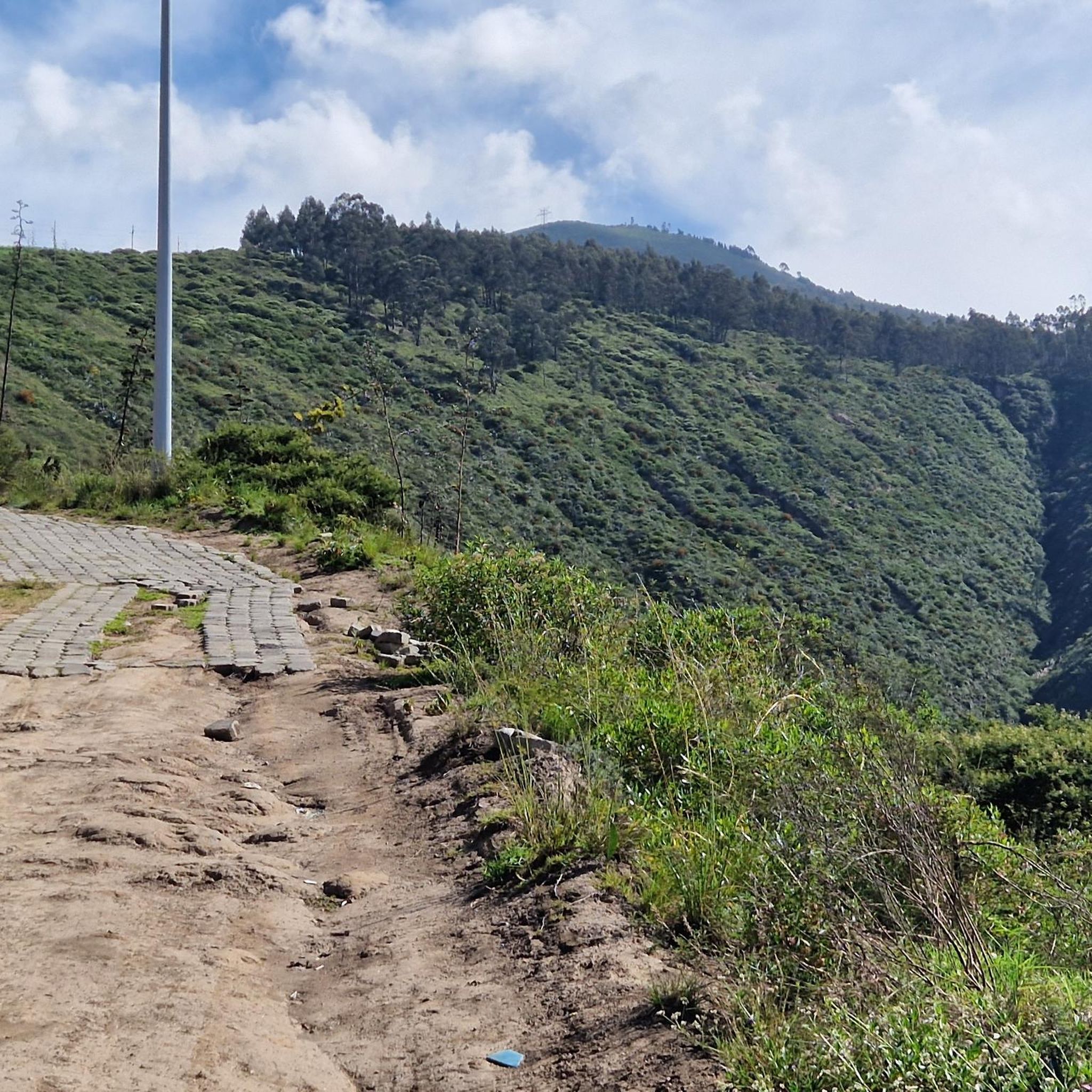
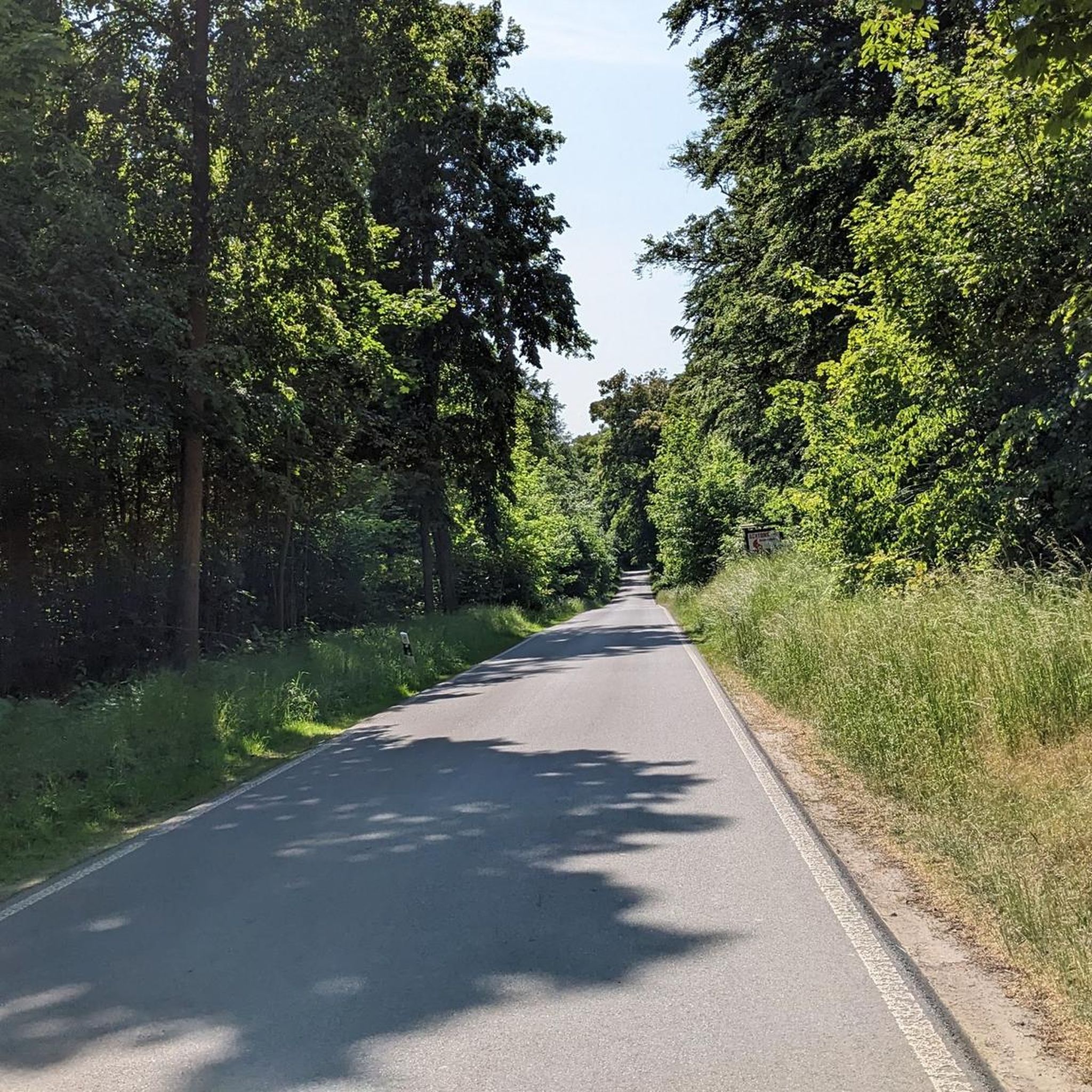
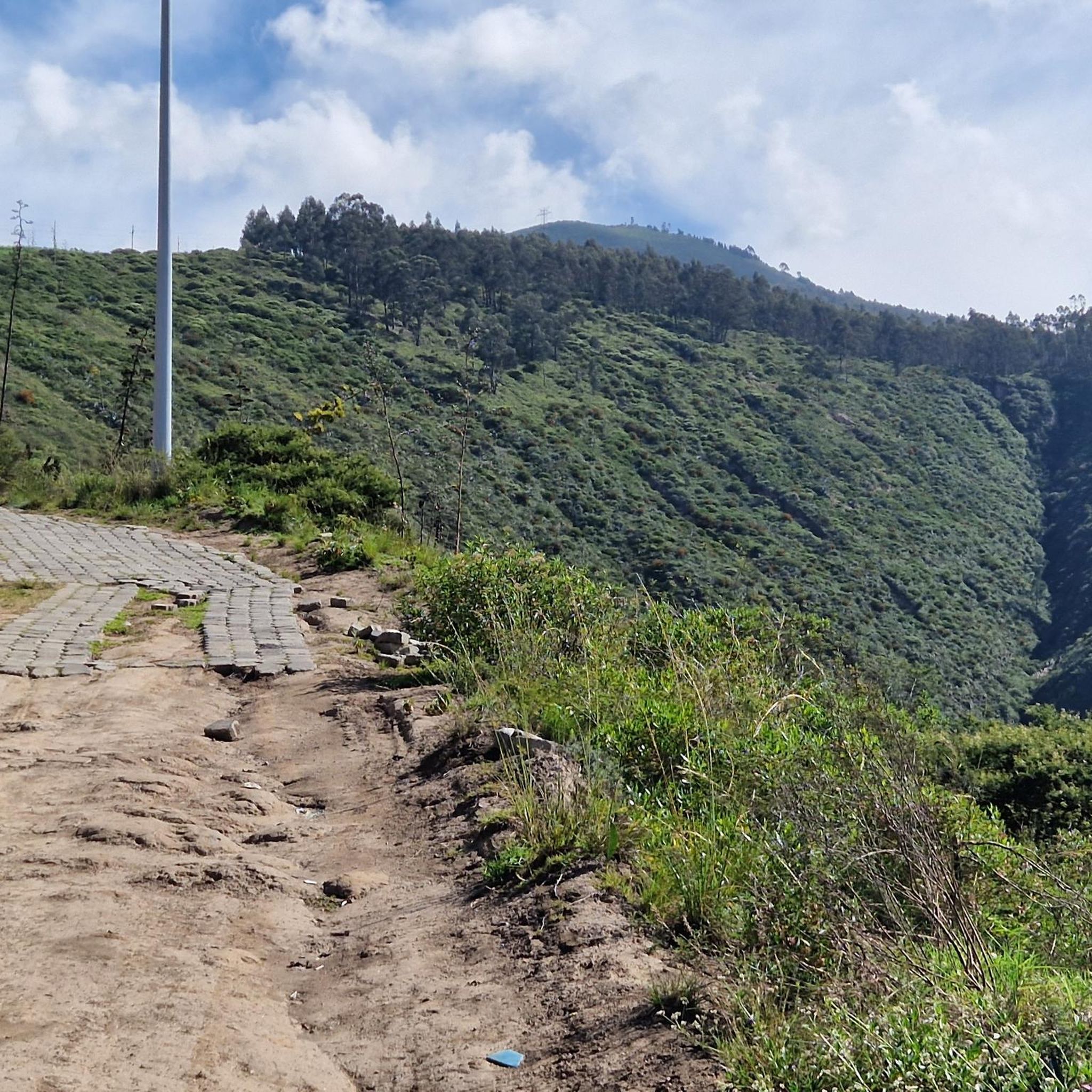
Very curvy, be very careful of oncoming traffic.
0
0

he Basilica of San Francisco (Basílica de San Francisco in Spanish) is the most important part of the Franciscan monastery of El San Francisco in Quito, the capital of Ecuador. The complex at the Plaza de San Francisco in the center of the city dates back to the 16th century and with its imposing structure is the largest architectural ensemble among the historical structures of colonial Latin America. As part of the old town of Quito, it is a UNESCO World Heritage Site. The basilica belongs to the Roman Catholic Archdiocese of Quito and bears the title of a minor basilica.[1] The baroque church houses the pilgrimage destination of the Virgin of Quito, created in 1734. Source: https://de.wikipedia.org/wiki/Basilika_San_Francisco_(Quito) Admission free
0
0

You can always discover beautiful inner courtyards.
0
0
The city is not only worth seeing during the day.
0
0
A small museum dedicated to the history of cacao cultivation in Ecuador (it was the world's largest producer at the beginning of the 19th century). In addition to delicious chocolate ice cream and pastries, the museum primarily sells expensive chocolate.
2
0

Beautiful catholic church. Admission includes a free guided tour. Be sure to go to the roof.
0
0

The Plaza Grande is a large square in the center of Quito's old town. In addition to the government building, there are also several churches here. It's also one of the few places where you can have a coffee outside. Most of the time you sit inside.
0
0

We were in the Pululahua crater and did a round trip over the Lulumbamba. The tour started at Casa l'Amore, where we had also stayed. At first a kind of sunken path led us into the valley, then we went continuously uphill on a rather overgrown path. We once missed a crucial and not immediately recognizable junction - that's the detour on the map, so you can save it - and once you get to the pass, not much is missing to the "summit" of Lulumbamba. Unfortunately, this summit is quite disappointing. On the one hand, you have to overcome a barbed wire fence to even reach it, and on the other hand, the view is largely overgrown. So we descended again and followed the high path, which offers beautiful views from the crater and into the crater. So this way was worth it! The descent into the crater was then comparable to the ascent on narrow and quite overgrown paths that stretched a little longer. You should plan 6 hours for the whole hike, preferably a little more.
1
0
Frequently Asked Questions
What kind of terrain can I expect on hiking trails in Nono?
Nono's hiking trails are characterized by mountainous and hilly terrain, nestled in the Andes Mountains near Quito. You'll encounter diverse landscapes, including lush cloud forests, valleys, and areas influenced by the Pichincha volcano. The region boasts three distinct ecosystems: páramo (high-altitude grasslands), transitional forest, and humid forest, offering varied and rich natural environments.
Are there any waterfalls to discover while hiking in Nono?
Yes, Nono is known for its beautiful waterfalls. Notable ones include Guagrapamba Waterfall (also known as Cascada Guagrapamba) and Chaupiurco waterfall. The Ecoruta Paseo del Quinde also features a significant waterfall at its beginning. These natural features add to the scenic beauty of the trails.
What are some interesting natural features or landmarks to see near Nono's hiking routes?
Beyond the trails themselves, Nono offers several natural attractions. The region is home to the Rucu Pichincha Summit, offering panoramic views. You can also explore the unique Pululahua Geobotanical Reserve, a volcanic caldera. The Yanacocha Ecological Reserve is another significant area, known for its primary forest and exceptional birdwatching opportunities.
What do other hikers enjoy most about hiking in Nono?
The hiking routes in Nono are highly rated by the komoot community, with an average score of 4.6 stars. Hikers often praise the diverse landscapes, the unique experience of trekking through cloud forests, and the opportunity to explore volcanic terrain. The peaceful atmosphere and rich biodiversity are also frequently highlighted.
Are there any circular hiking routes in Nono?
Yes, Nono offers several circular routes. For instance, you can explore the Descent to the Volcano Floor loop from Reserva Geobotánica Pululahua, which takes you into the unique Pululahua Geobotanical Reserve. Another option is the View of Pululahua Crater – Pululahua Dome loop from Riding Horses - Paseo a Caballo, offering panoramic views of the crater.
What is the best time of year to go hiking in Nono?
Nono's climate is influenced by its Andean location and cloud forests. While hiking is generally possible year-round, the region experiences varying weather patterns. The cloud forests often provide an enchanting experience of riding *in* the clouds. It's always advisable to check local weather forecasts before your trip, as conditions can change rapidly in mountainous areas.
Are there opportunities for birdwatching while hiking in Nono?
Nono is an exceptional destination for birdwatching. The region, particularly the Ecoruta Paseo del Quinde and the Yanacocha Ecological Reserve, is considered an 'irresistible magnet' for bird lovers. You can spot hundreds of species, including various hummingbirds (like the Pechinegro zamarrito), toucans, tanagers, and trogons, making it a rich experience for nature observers.
What are the typical difficulty levels for hikes in Nono?
Hiking in Nono offers routes that range from moderate to difficult. For example, the Pululahua – View of Pululahua Crater loop from Pululahua Ecolodge is considered difficult due to its significant elevation gain. Other routes, like the Descent to the Volcano Floor loop from Reserva Geobotánica Pululahua, are rated as moderate. This variety allows for different ability levels to explore the area.
Can I reach Nono and its trailheads using public transport?
Nono is approximately 18 km from Quito, making it relatively accessible. While specific public transport details for individual trailheads are not provided, its proximity to the capital suggests options for reaching the general area. For detailed public transport information to specific starting points, it's recommended to consult local transport services in Quito.
Are there any other outdoor activities besides hiking available in Nono?
Yes, Nono is a hub for various outdoor pursuits. Besides hiking, you can enjoy mountain biking on routes like Nono-Alaspungo and Nono-Tandayapa-Mindo, horseback riding, and sport fishing. The region's diverse ecosystems and natural beauty make it ideal for a wide range of nature-based activities.
What is the Nono region known for environmentally?
Nono is crucial for its significant cloud forests, which are vital for the environment and host numerous species. It's part of the Chocó Andino Biosphere Reserve, recognized for its exceptional biodiversity. The region's commitment to preserving its environment makes it an important ecological area, offering a 'green and quiet' escape from urban life.
Are there any trails that offer views of the Pululahua Crater?
Yes, several trails provide stunning views of the Pululahua Crater. The View of Pululahua Crater – Pululahua Dome loop from Riding Horses - Paseo a Caballo is a popular moderate path specifically designed to offer panoramic views of the crater and its surrounding dome. Another option is the Pululahua – View of Pululahua Crater loop from Pululahua Ecolodge.
Most popular routes in Nono
Most popular attractions in Nono

Get inspired with the komoot mobile app


Explore more
Browse the best Hikes in other regions.
