The best cycling routes in Calacali
5.0
(3)
41
riders
3
rides
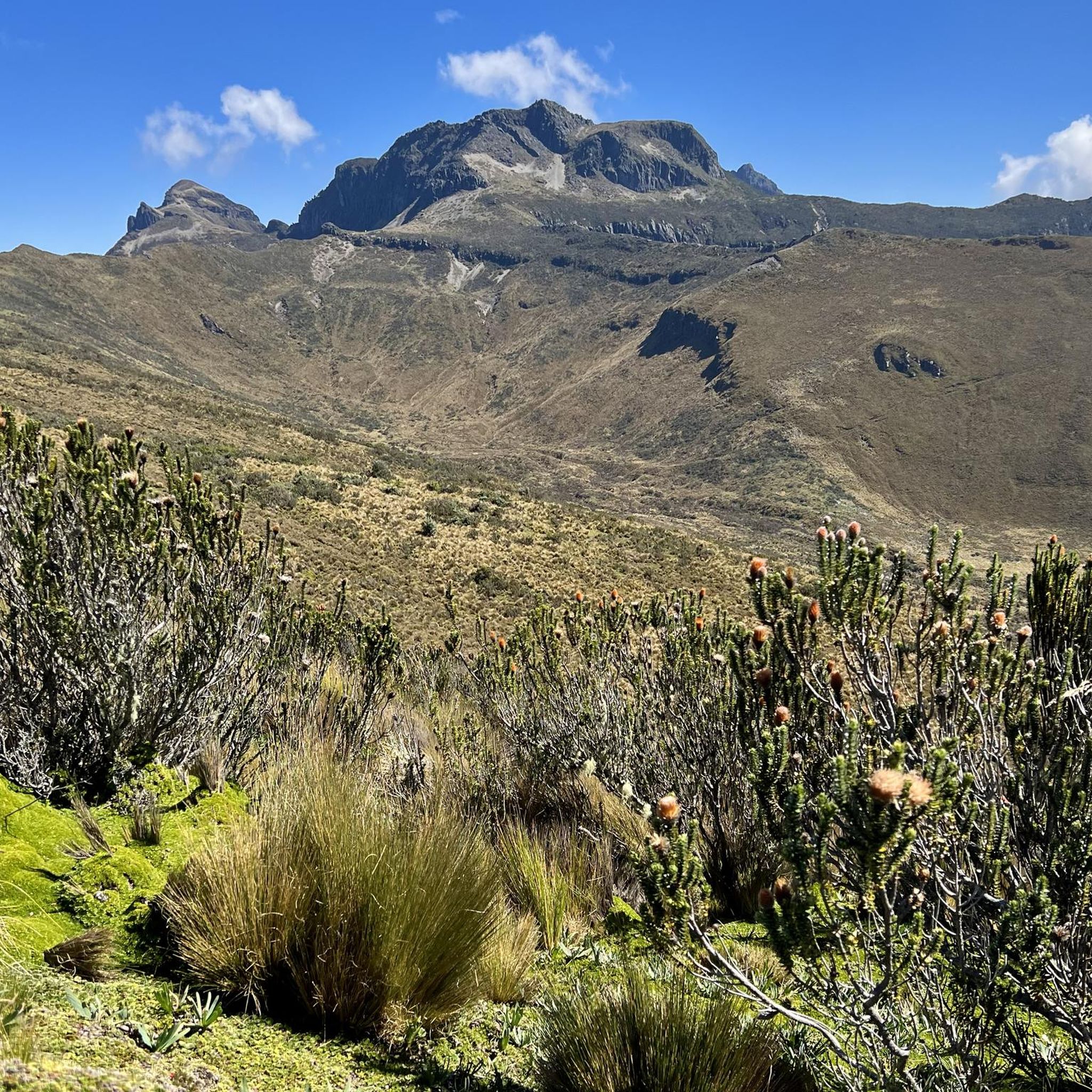
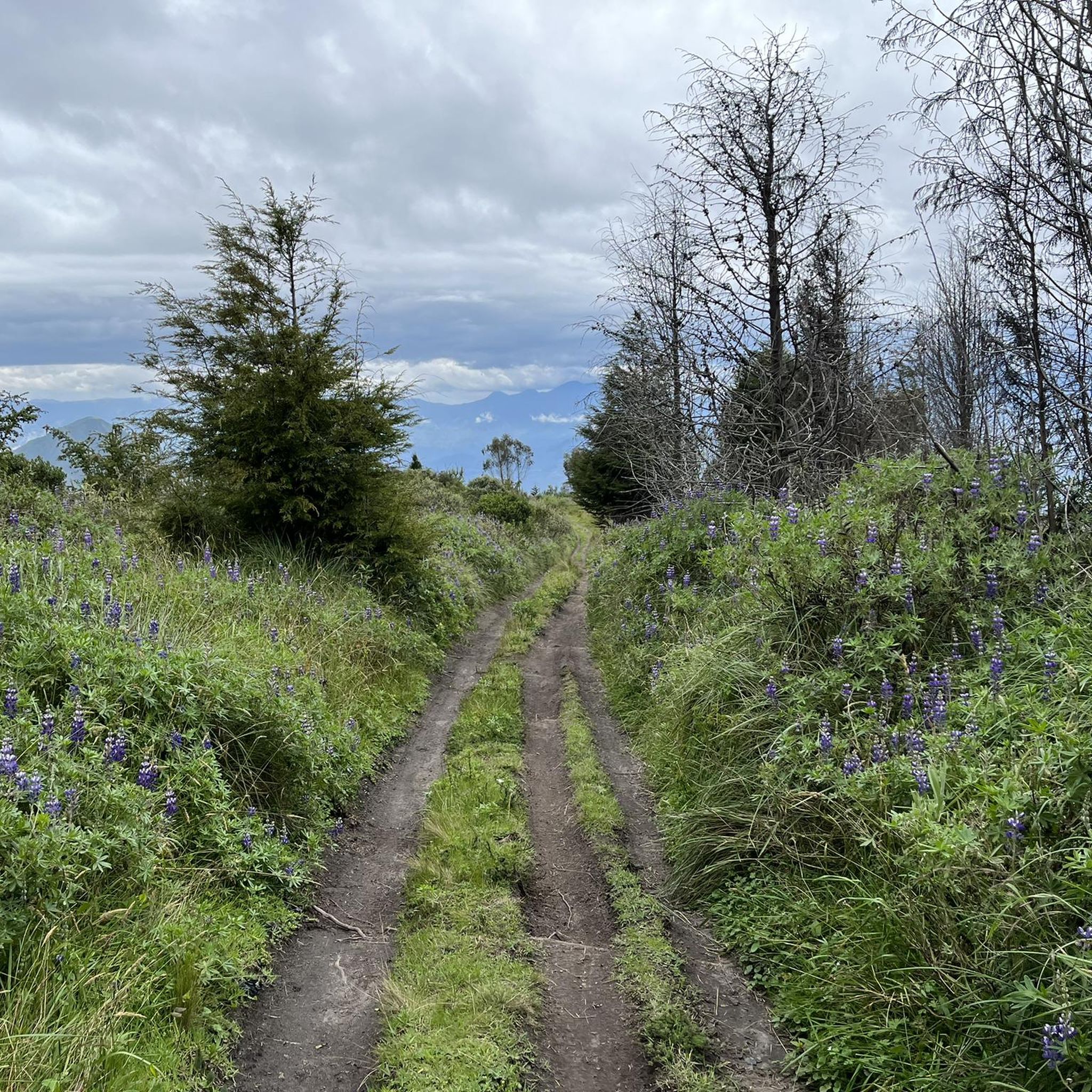
Touring cycling routes in Calacali traverse diverse landscapes, serving as a gateway to the Chocó Andino biosphere reserve. The region features significant natural elements such as the Pululahua Geobotanical Reserve, a unique inhabited volcano crater, and extensive cloud forests like Yunguilla and Nieblí. Cyclists encounter mountainous terrain, including hills like Papa Tena and Pilapata, alongside various cascades and rivers. These routes offer a blend of challenging climbs and scenic paths through native vegetation.
Best touring cycling routes in Calacali
- The…
Last updated: July 11, 2026
5.0
(2)
30
riders
47.3km
03:36
1,160m
1,160m
Hard bike ride. Very good fitness required. Mostly paved surfaces. Suitable for all skill levels.
5.0
(1)
6
riders
107km
07:47
2,260m
2,260m
Hard bike ride. Very good fitness required. Mostly paved surfaces. Suitable for all skill levels.

Sign up for free
5
riders
20.2km
01:29
440m
440m
Moderate bike ride. Good fitness required. Mostly paved surfaces. Suitable for all skill levels.
Our route recommendations are based on thousands of hikes, rides, and runs completed by other people on komoot.
Start today with a free account
Your next adventure awaits.
Login or Signup
Popular around Calacali
Tips from the Community

Frequently Asked Questions
What kind of terrain can I expect on touring cycling routes in Calacali?
Calacali's touring cycling routes feature diverse landscapes, including mountainous terrain with hills like Papa Tena and Pilapata. You'll encounter extensive cloud forests, such as Yunguilla and Nieblí, and the unique Pululahua Geobotanical Reserve, which is an inhabited volcano crater. Routes often involve challenging climbs and scenic paths through native vegetation, including orchids and bromeliads.
Are there any challenging touring cycling routes for experienced riders?
Yes, Calacali offers several challenging routes. For instance, the Climb to Carcelén loop from Calderón is a difficult 66.7-mile (107.3 km) trail with significant elevation gain, typically taking around 7 hours 45 minutes. Another demanding option is the Bosque loop from Carapungo, a difficult 29.4-mile (47.3 km) path with substantial elevation changes.
What natural features can I see along the touring cycling routes?
The routes in Calacali are rich in natural beauty. You can explore the Pululahua Geobotanical Reserve, one of the few inhabited volcano craters globally, known for its endemic species and spectacular landscapes. The region is also the gateway to the Chocó Andino biosphere reserve, offering access to biodiverse cloud forests like Yunguilla and Nieblí, where you can observe various flora, including bromeliads and orchids, and potentially diverse wildlife.
Are there any cultural or historical landmarks to visit while cycling in Calacali?
Yes, Calacali has several cultural and historical points of interest. You can visit the Original Middle of the World Monument in the central square, the Santa María Magdalena de Calacalí Church built in 1820, and a colonial water fountain originally from Quito's Plaza de San Francisco. The Casa Museo de Carlota Jaramillo, the restored childhood home of a famous Ecuadorian singer, is also a notable stop.
What is the best time of year to go touring cycling in Calacali?
While specific seasonal recommendations for cycling aren't detailed, Calacali's location near the equator means temperatures are relatively consistent year-round. However, as it's part of the cloud forest ecosystem, be prepared for potential rain and mist, especially during certain months. It's always advisable to check local weather forecasts before your trip.
Are there any moderate touring cycling routes suitable for those looking for a less strenuous ride?
Yes, for those seeking a moderate challenge, the Climb to Carcelén loop from Ponciano is a great option. This 12.5-mile (20.2 km) trail leads through varied landscapes and is typically completed in about 1 hour 28 minutes, offering a good balance of effort and scenic enjoyment.
What do other touring cyclists say about the routes in Calacali?
The touring cycling routes in Calacali are highly regarded by the komoot community, with an average score of 5.0 stars from over 3 reviews. Cyclists often praise the unique landscapes, the challenge of the climbs, and the opportunity to explore biodiverse cloud forests and the Pululahua volcano crater.
Are there any circular touring cycling routes in Calacali?
Yes, several touring cycling routes in Calacali are designed as loops. Examples include the difficult Bosque loop from Carapungo and the moderate Climb to Carcelén loop from Ponciano, allowing you to start and end your ride in the same location.
Is public transport available to access the cycling routes in Calacali?
Calacali is located approximately 17 km north of Quito. While specific public transport details for accessing individual trailheads are not provided, local bus services from Quito typically connect to Calacali's central area. From there, you might need to cycle or arrange local transport to reach specific starting points for the routes.
What should I bring for a touring cycling trip in Calacali?
Given the challenging terrain and cloud forest environment, it's recommended to bring a well-maintained mountain bike, appropriate cycling gear for varied weather conditions (including rain gear), sufficient water and snacks, a repair kit, and navigation tools. Due to elevation changes, good physical conditioning is also advisable.
Are there specific permits required for cycling in the Pululahua Geobotanical Reserve or Chocó Andino Biosphere Reserve?
While the Pululahua Geobotanical Reserve is a primary draw, and Calacali is the gateway to the Chocó Andino Biosphere Reserve, the provided information does not specify if cycling permits are required for general access to these areas. It is advisable to check with local authorities or park management for the most current regulations before planning your ride, especially if you intend to cycle within protected zones.
Can I find accommodation or places to eat near the cycling routes in Calacali?
Calacali is a rural parish with a central square that hosts historical sites. While specific cafes, pubs, or dedicated cyclist accommodation are not detailed, the town likely offers local eateries and guesthouses. For more extensive options, you might consider staying in Quito, which is a short distance away.
Most popular routes in Calacali
Most popular attractions in Calacali

Get inspired with the komoot mobile app


Explore more
Browse the best Cycling routes in other regions.
