Attractions and Places To See in Tabacundo - Top 6
Attractions and places to see in Tabacundo, located in Ecuador's Pichincha province, offer a rich blend of natural beauty and cultural heritage. Situated amidst the Andes, the region is known for its extensive rose plantations, earning it the title of the "World Capital of Roses." Visitors can explore diverse landscapes, from high-altitude lagoons to significant cultural landmarks.
Best attractions and places to see in Tabacundo
- The most popular attractions is Laguna Grande de Mojanda, a lake that is part…
Last updated: July 4, 2026
Laguna Grande de Mojanda
Highlight • Lake
Translated by Google •
Tip by

Quitsato Sundial
Highlight • Monument
Translated by Google •
Tip by

Sign up now to discover places like this
Get recommendations on the best single tracks, peaks, & plenty of other exciting outdoor places.
Sign up for free
El Lechero Sacred Tree and Viewpoint
Highlight • Viewpoint
Translated by Google •
Tip by

San Pablo Lake
Highlight • Lake
Translated by Google •
Tip by
Laguna Caricocha or Lagunas de Mojanda
Highlight • Lake
Translated by Google •
Tip by

Sign up for free to discover even more attractions in Tabacundo.
Sign up for free
Already have an account?
Start today with a free account
Your next adventure awaits.
Login or Signup
Popular around Tabacundo
Tips from the Community

Equator with a sundial and museum with lots of interesting information about the equator. $5 entrance fee
0
0

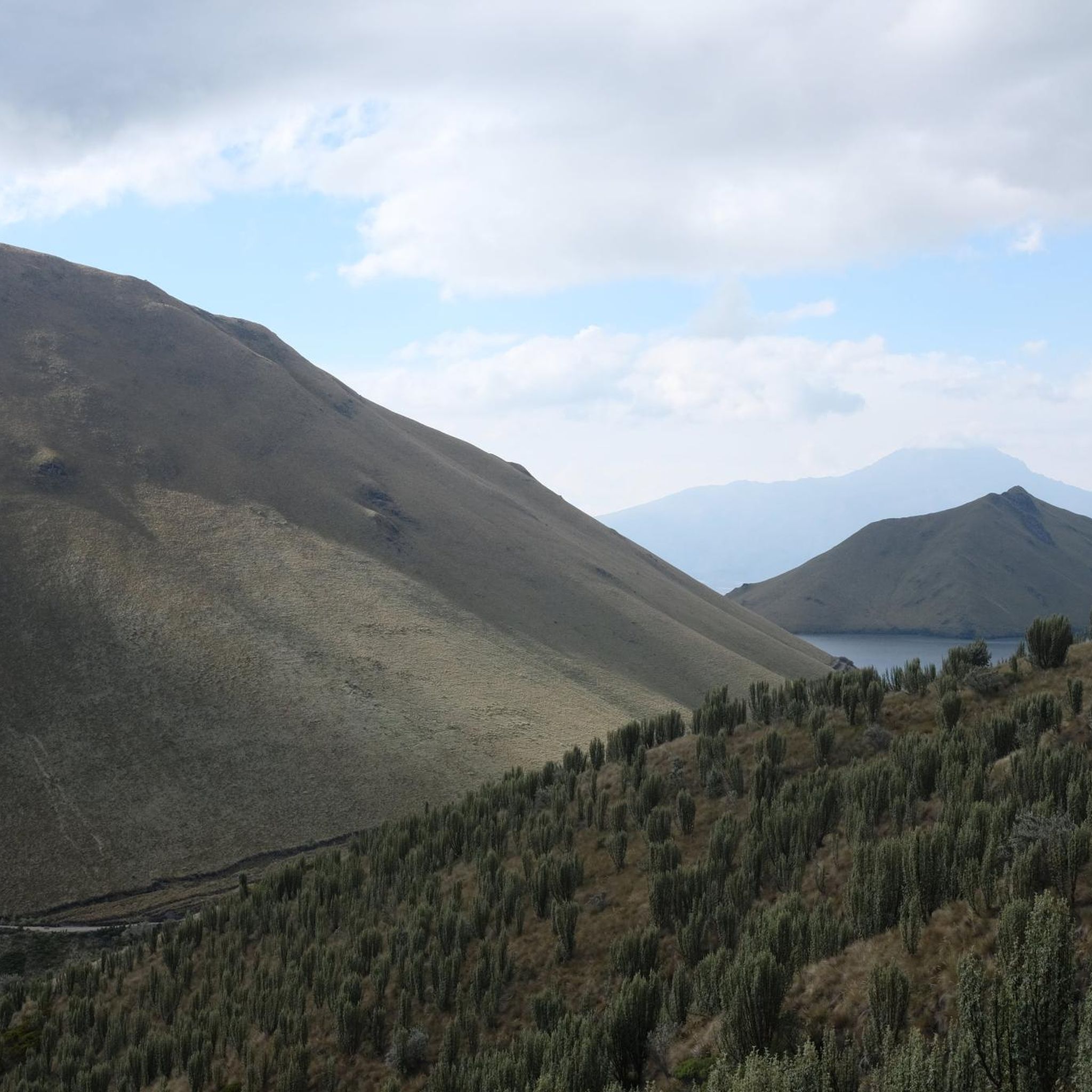
The Lagunas de Mojanda is a complex of three lagoons that formed within the cone of an inactive stratovolcano. The first lagoon, the largest is called Laguna Caricocha. The road to reach the lagoon from Otavalo is very steep and cobbled, but the view and tranquility are worth the effort.
0
0

El Lechero is a viewpoint whose tree at the top of the hill is considered sacred. Although unknown to many people, this tranquil spot offers beautiful views of the surrounding area. Located in Otavalo, Ecuador near Condor Park. El Lechero, Otavalo's sacred tree, is part of local mythology and is believed to house the soul of a cursed lover who fell in love with a boy from a rival family. And then it was transformed into nearby Lake San Pablo. From the El Lechero viewpoint you can see Lake San Pablo, the Fuya Fuya Mountains, the Cotacachi Volcanoes, Imbabura and a great view of the city of Otavalo. The place where the tree stands is considered a sacred place with healing powers by local people. There are indigenous Otavaleños who perform many purification rituals and spiritual ceremonies. El Lechero is a place open to the public, where you can not only take beautiful photos, but also have picnics. To get there, you'll have to walk a steep 5km or so from Otavalo or hire a taxi for around $4 each way. There is no transport at the top. Ask the driver to wait if he doesn't want to go back. Source: https://www.planetandes.com/es/ecuador/andes/imbabura/otavalo/el-lechero-arbol-sagrado-otavalo/
2
0
Lake San Pablo or Imbacocha, Spanish Lago San Pablo, Kichwa: Impakucha ("Lake of the Andean Climbing Catfish": impa "Andean Climbing Catfish", kucha "lake") is located in the province of Imbabura in northern Ecuador, at 2,660 m above sea level, below the Imbabura volcano, has a water surface of about 1.8 km² and is of volcanic origin. Source: https://de.wikipedia.org/wiki/Lago_San_Pablo You can take boats across the lake. There are a few stalls at the departure point.
0
0

El Lechero is an ancient tree on a hilltop above Otavalo overlooking the San Pablo Lagoon, Otavalo and Imbabura Volcano. What is special about this tree is not only its age (it is said to be more than a thousand years old), but also its religious background. According to the indigenous people, it is said to have healing abilities. It is not for nothing that he is visited and worshiped for rituals or weddings
0
1

Nice excursion to a total of 3 lagoons. It takes about 45 minutes by taxi from Otavalo, the road is uneven cobblestone and very winding. Arrived at the lagoon you can hike on the Fuya Fuya, the hiking trails are not labeled but well trodden. When it rains, it can quickly get very muddy. We didn't go all the way to the top because the top was cloudy. The ascent should be feasible in less than 2 hours.
0
0
Frequently Asked Questions
What natural attractions can I explore in Tabacundo?
Tabacundo offers stunning natural beauty, including the high-altitude Laguna Grande de Mojanda, part of a complex of three lagoons perfect for hiking and observing volcanic landscapes. You can also visit San Pablo Lake, a volcanic lake offering scenic views and boat rides, and the sacred El Lechero Sacred Tree and Viewpoint, known for its panoramic vistas.
Are there hiking opportunities around Tabacundo's attractions?
Yes, the region provides excellent hiking opportunities. Around the Mojanda Lagoons, you can hike on the Fuya Fuya mountain. While trails may not always be clearly labeled, they are well-trodden. For more structured routes, you can find various hiking trails in the area, including those around Fuya Fuya Peak and Laguna Grande de Mojanda. Explore more options on the Hiking in Tabacundo guide.
What cultural and historical sites are there to visit in Tabacundo?
Tabacundo is rich in culture and history. A must-visit is the Quitsato Sundial, an educational monument marking the equatorial line with an accompanying museum. You can also explore the Santuario de la Virgen de Natividad, affectionately known as 'Mama Nati,' which includes a museum displaying religious traditions and local customs. The town's central plaza and church also offer a glimpse into local life.
Can I visit the famous rose plantations in Tabacundo?
Absolutely. Tabacundo is renowned as the 'World Capital of Roses.' Many local haciendas welcome visitors, allowing you to explore fields filled with vibrant roses and learn about the cultivation process. The region's ideal climate and dedicated farming have earned its roses numerous awards.
What is the difficulty level of hiking trails in Tabacundo?
Hiking trails in Tabacundo vary in difficulty. For example, the hike around Laguna Grande de Mojanda and up Fuya Fuya can be moderate to difficult, especially if trails are muddy after rain. The climb to the Scenic viewpoint Lagunas de Mojanda on a dirt road is considered challenging but offers an unforgettable experience. Always check current conditions and prepare accordingly.
Are there family-friendly attractions in Tabacundo?
Yes, Tabacundo offers several family-friendly options. The Quitsato Sundial is an engaging educational site for all ages. San Pablo Lake provides opportunities for boat rides and enjoying scenic views, which can be a pleasant outing for families. Exploring the central plaza and local markets also offers a gentle introduction to the local culture.
Where can I find the best panoramic views in Tabacundo?
For breathtaking panoramic views, head to the Scenic viewpoint Lagunas de Mojanda, located at approximately 4,000 meters above sea level, where you can see all three Mojanda lagoons. The El Lechero Sacred Tree and Viewpoint also offers expansive views of Lake San Pablo, the Fuya Fuya Mountains, and the Cotacachi and Imbabura Volcanoes.
When is the best time to visit Tabacundo's attractions?
Tabacundo generally enjoys a mild climate due to its Andean location. The dry season, typically from June to September, offers clearer skies and more favorable conditions for outdoor activities like hiking. However, the region's beauty can be appreciated year-round, with lush landscapes during the wetter months. Be prepared for potential mud on trails if visiting during the rainy season.
What outdoor sports or activities can I do near Tabacundo's attractions?
Beyond hiking, Tabacundo and its surroundings are great for mountain biking. You can find various routes ranging from moderate to difficult, such as the 'Ayora Town Center – Cayambe Town Center loop' or 'La Piedra Sport Fishing loop.' For more details on routes and their difficulties, check out the MTB Trails in Tabacundo guide.
How long should I plan for visiting the main attractions?
The time needed varies by attraction. Visiting the Quitsato Sundial and its museum might take 1-2 hours. A visit to the Santuario de la Virgen de Natividad and its museum could also take a couple of hours. For natural sites like the Mojanda Lagoons, a hike can range from a few hours to a full day, depending on the chosen trail and your pace. Rose plantation tours typically last 1-3 hours.
Are there any sacred or unique places to visit in the area?
Yes, the El Lechero Sacred Tree and Viewpoint is considered a sacred place by local indigenous people, believed to have healing powers, and is used for purification rituals. The Mojanda Lagoons are also considered sacred in the indigenous worldview, believed to grant fertility to the surrounding lands. The Santuario de la Virgen de Natividad is a significant religious site for the local community.
Most popular routes in Tabacundo

Get inspired with the komoot mobile app


Explore more
Still not found the Highlight you’re looking for? See guides of the top attractions in other regions:
