Top 7 Castles around Wangerland
Best castles around Wangerland offers a glimpse into the region's rich past along the North Sea coast. This charming municipality features historical "Burgen" (castles/fortified houses) and "Herrenhäuser" (manor houses). While some are well-preserved and accessible, others exist as historical sites or ruins, providing diverse exploration opportunities. The area combines cultural significance with its natural coastal landscape.
Best castles around Wangerland
- The most popular castle is Jever Castle (Schloss Jever), a castle that is a prominent historical landmark with a…
Last updated: June 24, 2026
Jever Castle (Schloss Jever)
Highlight • Castle
There is more information here: schlossmuseum.de
Translated by Google •
Tip by

Jever Castle and Park
Highlight • Castle
If you do not have enough time for the castle museum, you should at least go through the beautifully landscaped castle park. Especially worth seeing are of course …
Translated by Google •
Tip by

Sign up now to discover places like this
Get recommendations on the best single tracks, peaks, & plenty of other exciting outdoor places.
Sign up for free
Sielhof Manor and Park
Highlight • Historical Site
Translated by Google •
Tip by

Jever Town Hall
Highlight • Historical Site
More info: stadt-jever.de/info/poi/rathaus-903000001-20820.html
Translated by Google •
Tip by

Burg Kniphausen
Highlight • Castle
Translated by Google •
Tip by

Sign up for free to discover even more castles around Wangerland.
Sign up for free
Already have an account?
Start today with a free account
Your next adventure awaits.
Login or Signup
Popular around Wangerland
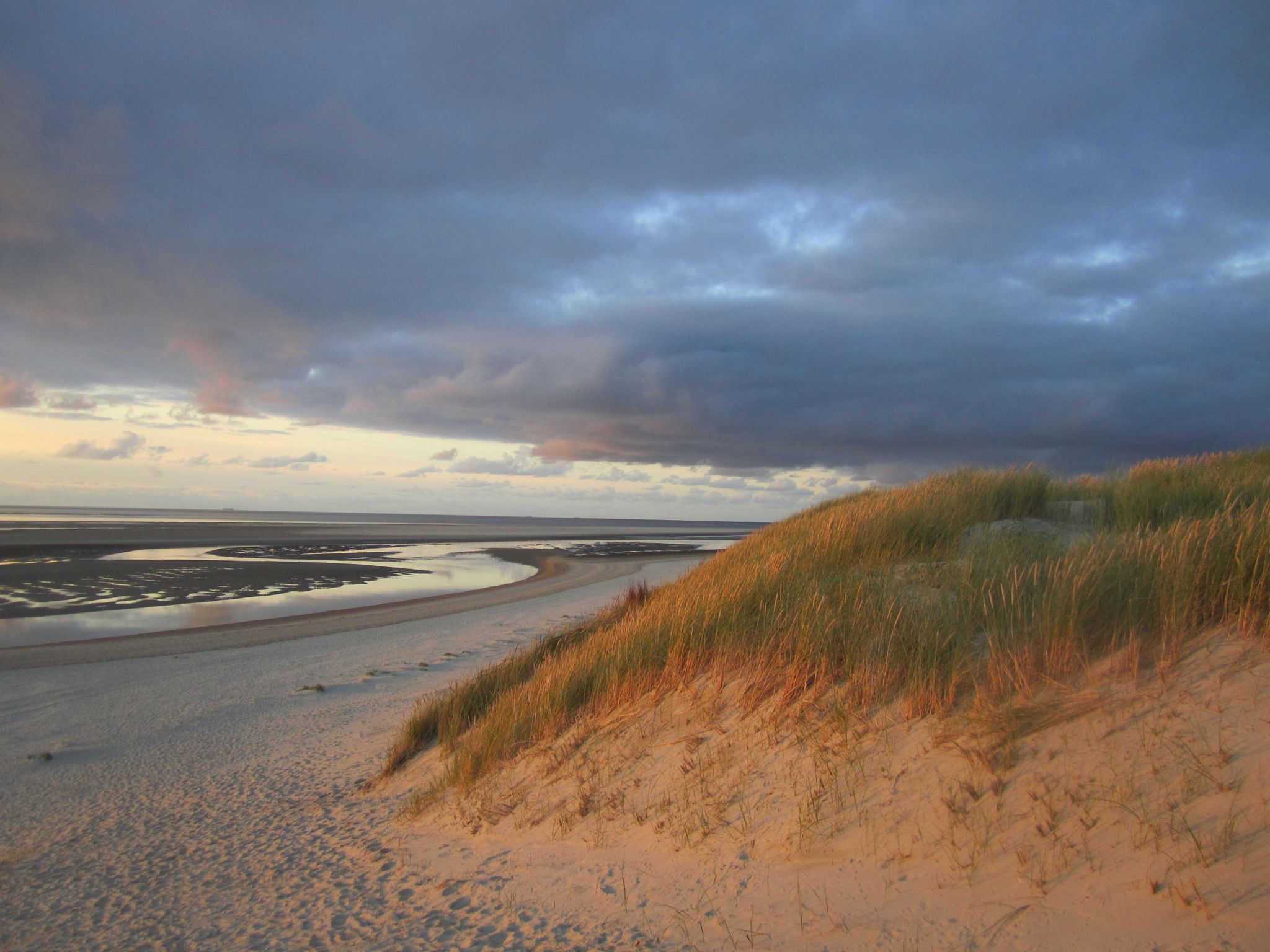
For real coastal lovers — long-distance hiking on Germany’s Störtebeker Trail
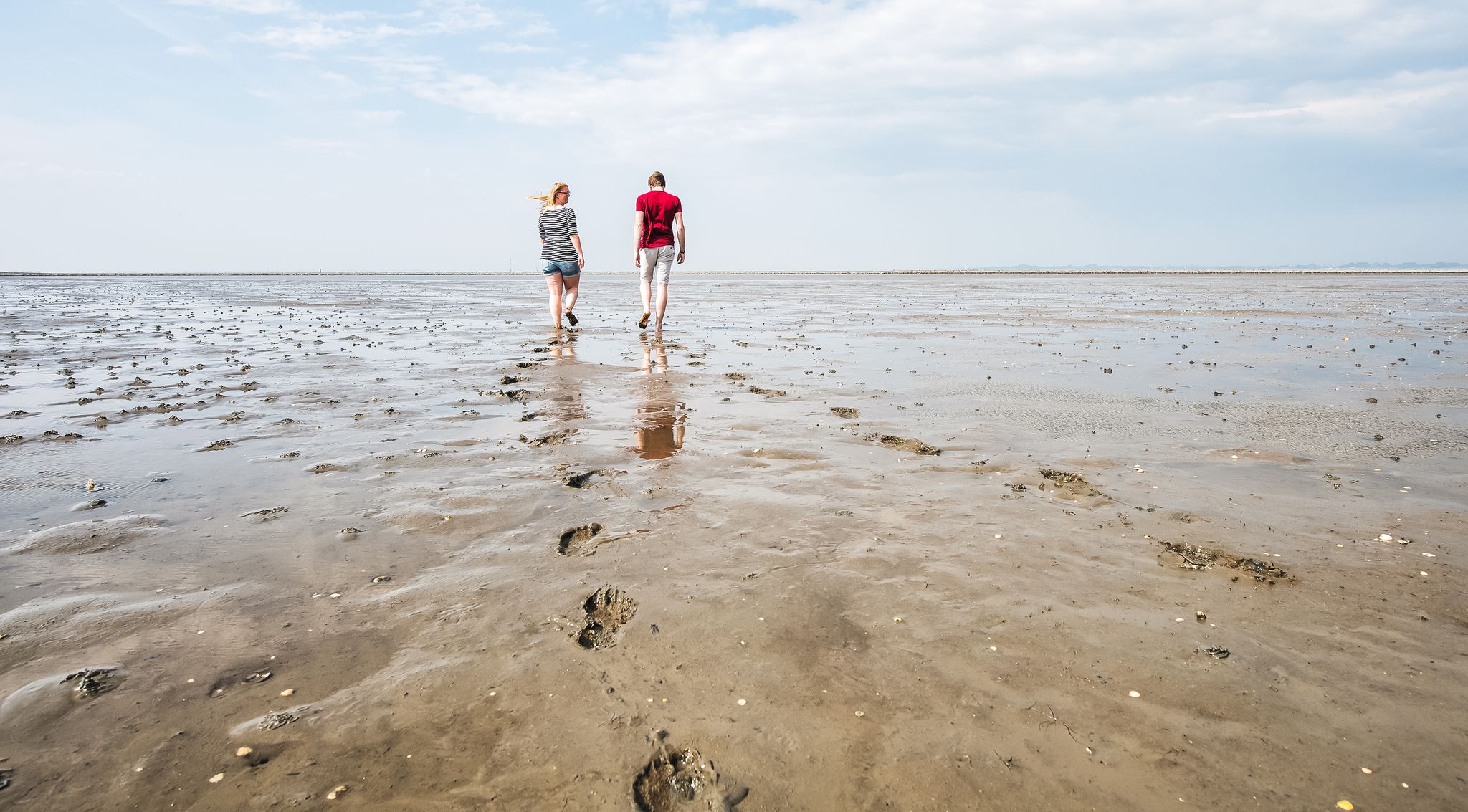
Hiking on the seabed of the North Sea year round
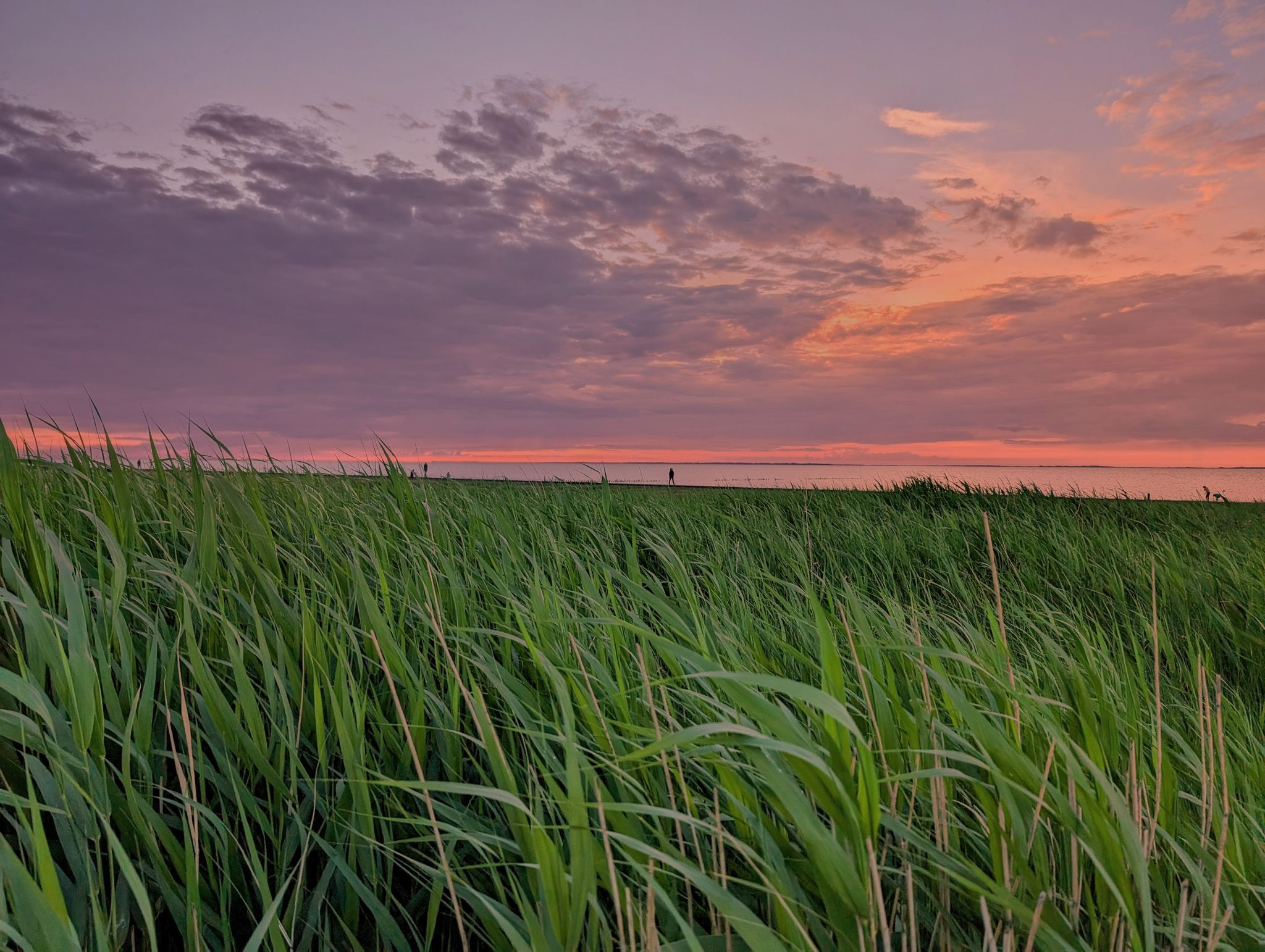
Fahrradtouren im Nordseeheilbad Carolinensiel-Harlesiel & umzu
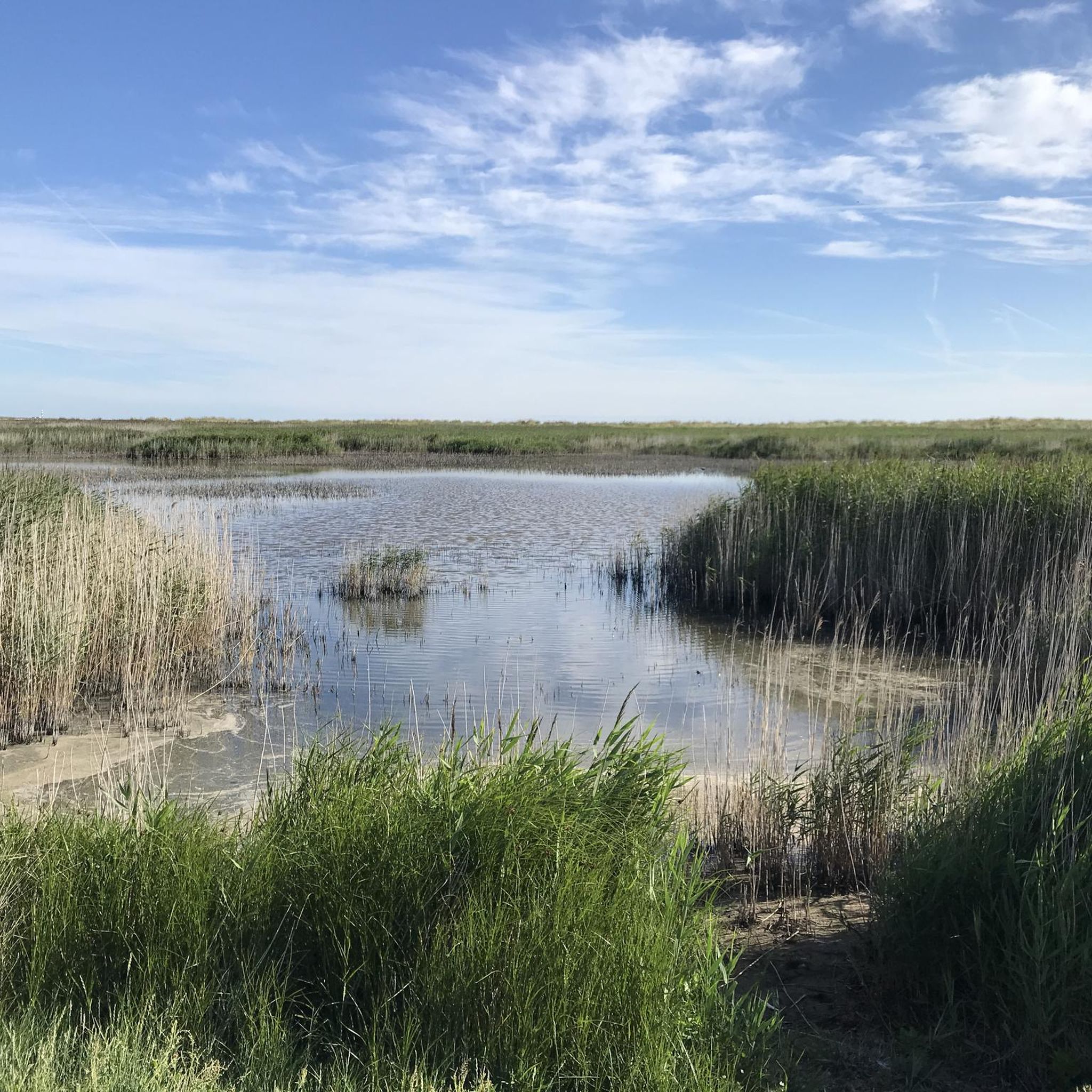
Cycling around Wangerland
Hiking around Wangerland
Running Trails around Wangerland
MTB Trails around Wangerland
Road Cycling Routes around Wangerland
Gravel biking around Wangerland
Other adventures around Wangerland


Tips from the Community

There are public toilets in the basement
6
0

What's exciting is that Zerbst's coat of arms was placed here.
6
0

Very nice park, including museum and café.
2
0

Kniphausen Castle in Fedderwarden in the urban area of Wilhelmshaven in Lower Saxony was built in 1438 and ultimately had “the typical image of a late Renaissance aristocratic residence”. In 1666/67 it was expanded into a fortress with four corner bastions. Source: https://de.wikipedia.org/wiki/Burg_Kniphausen
2
0

The town hall of Jever shines with its beautiful Renaissance facade opposite the town church.
9
1

Many rooms in the Jever Castle Museum show the splendor of the former residence: in the audience hall, an oak, carved wooden ceiling from the Renaissance period (around 1564) has been preserved. The Gobelinsaal unfolds its charisma through the Brussels tapestries from around 1680 and the elaborate ceiling painting from the late 19th century. The stock of leather wallpaper covering three rooms is the largest in public ownership in all of Lower Saxony. A wallpaper in the "antique style" forms the frame for the portraits of Jever's regents in the gallery, in which the Oldenburg (grand) dukes invited to the festive meals. Info from: https://www.schlossmuseum.de/schloss-und-museum/
13
0
The town hall with its Renaissance façade was built in 1609 and 1610 during the reign of Count Anton Günther von Oldenburg and finally completed in 1621. On February 1, 1604, Count Anton Günther decreed that "the mayor and council set up a comfortable house and tavern for wine and beer on account of the city and also procure the necessary drinks for domestic and foreign people there as needed". So a wine and town hall was built after the city had bought the property in 1608. Further information: https://www.stadt-jever.de/info/poi/rathaus-903000001-20820.html
8
0

Beautiful old, well-preserved farm
3
0
Frequently Asked Questions
What types of historical sites can I explore around Wangerland?
Wangerland offers a variety of historical sites, from well-preserved castles and manor houses to significant historical ruins and earthworks. You can visit structures like Jever Castle (Schloss Jever) and Sielhof Manor and Park, or explore the remains of older fortifications like Burg Lauerens and Burg Waddewarden, which provide a glimpse into the region's medieval past.
Are there any castles near Wangerland that are still actively used or offer cultural experiences?
Yes, Burg Kniphausen, located near Wangerland, is a beautiful small castle that is still actively used. It often functions as a restaurant or hosts cultural events, allowing visitors to experience a historical ambiance directly.
Which castles are particularly family-friendly?
Several castles and historical sites around Wangerland are considered family-friendly. These include Jever Castle (Schloss Jever), Sielhof Manor and Park, Jever Town Hall, Burg Kniphausen, and Roffhausen Castle. Many offer open spaces, parks, or museum exhibits suitable for all ages.
What is the historical significance of Burg Fischhausen?
Burg Fischhausen, located within Wangerland, dates back to approximately 1400. Originally a chieftain's seat, it evolved into a 16th/17th-century Schloss. While now privately owned and serving as a farmhouse, it's notable for its impressive double moat system and the surrounding area, which was designated a nature reserve in 1980. You can observe its historical significance and natural setting from the exterior. For more historical details, you can visit Wikipedia.
Are there any castles that are primarily historical ruins or earthworks?
Yes, Burg Lauerens and Burg Waddewarden in Wangerland are examples of historical sites that exist primarily as earthworks or remains. Burg Lauerens, a former East Frisian chieftain's seat from the 13th century, is visible as two distinct mounds surrounded by a rectangular moat. Burg Waddewarden, mentioned in 1549, now only has a mound remaining. These sites offer a chance to visualize medieval strongholds and understand early defensive structures. For more on Burg Lauerens, see Wikipedia.
What kind of natural features can I find near the castles in Wangerland?
The Wangerland region is on the North Sea coast, so many historical sites are close to coastal landscapes. For example, Burg Fischhausen is surrounded by a nature reserve. Manor houses like Sielhof Manor and Park often feature pleasant parks, and the broader area offers views of the Wadden Sea and access to beaches and dikes.
What outdoor activities can I do near these castles?
The Wangerland area offers various outdoor activities. You can find easy hikes like the 'Schillig Beach Dike – Horumersiel Marina loop' or the 'Wangermeer Circular Trail'. For cycling enthusiasts, there are road cycling routes such as the 'Jever Castle – Jever Frisian Brewery loop' and MTB trails like the 'Hooksiel Lock – Schillig Beach loop'. You can explore more routes on the Wangerland guide page.
Is there parking available near the castles?
For sites like Sielhof Manor and Park, parking is available. For other locations like Jever Castle, parking is generally available in the nearby town of Jever. It's always advisable to check specific parking options for each castle or historical site before your visit.
What do visitors enjoy most about the castles around Wangerland?
Visitors appreciate the blend of history and natural beauty. Many enjoy the splendor of former residences, such as the museum at Jever Castle with its Renaissance architecture and preserved interiors. The cozy atmosphere and restored beauty of places like Sielhof Manor and Park are also highly valued, often combined with pleasant walks in their associated parks.
Can I find cafes or restaurants near the castles?
Yes, some historical sites, like Sielhof Manor and Park, feature a café. Burg Kniphausen also functions as a restaurant. In towns like Jever, near Jever Castle and Jever Town Hall, you'll find various cafes and pubs.
What is the best time to visit the castles in Wangerland?
The best time to visit depends on your preferences. The region's coastal location means pleasant weather during spring and summer (May to September) is ideal for exploring castles and enjoying outdoor activities in their parks or nearby nature reserves. During these months, opening hours are typically longer, and cultural events might be more frequent. However, visiting in the off-season can offer a quieter experience.
Most popular routes around Wangerland
Most popular attractions around Wangerland

Get inspired with the komoot mobile app


Explore more
Looking for the best castles somewhere else? Discover other guides around Wangerland:
