Attractions and Places To See in Purabá - Top 14
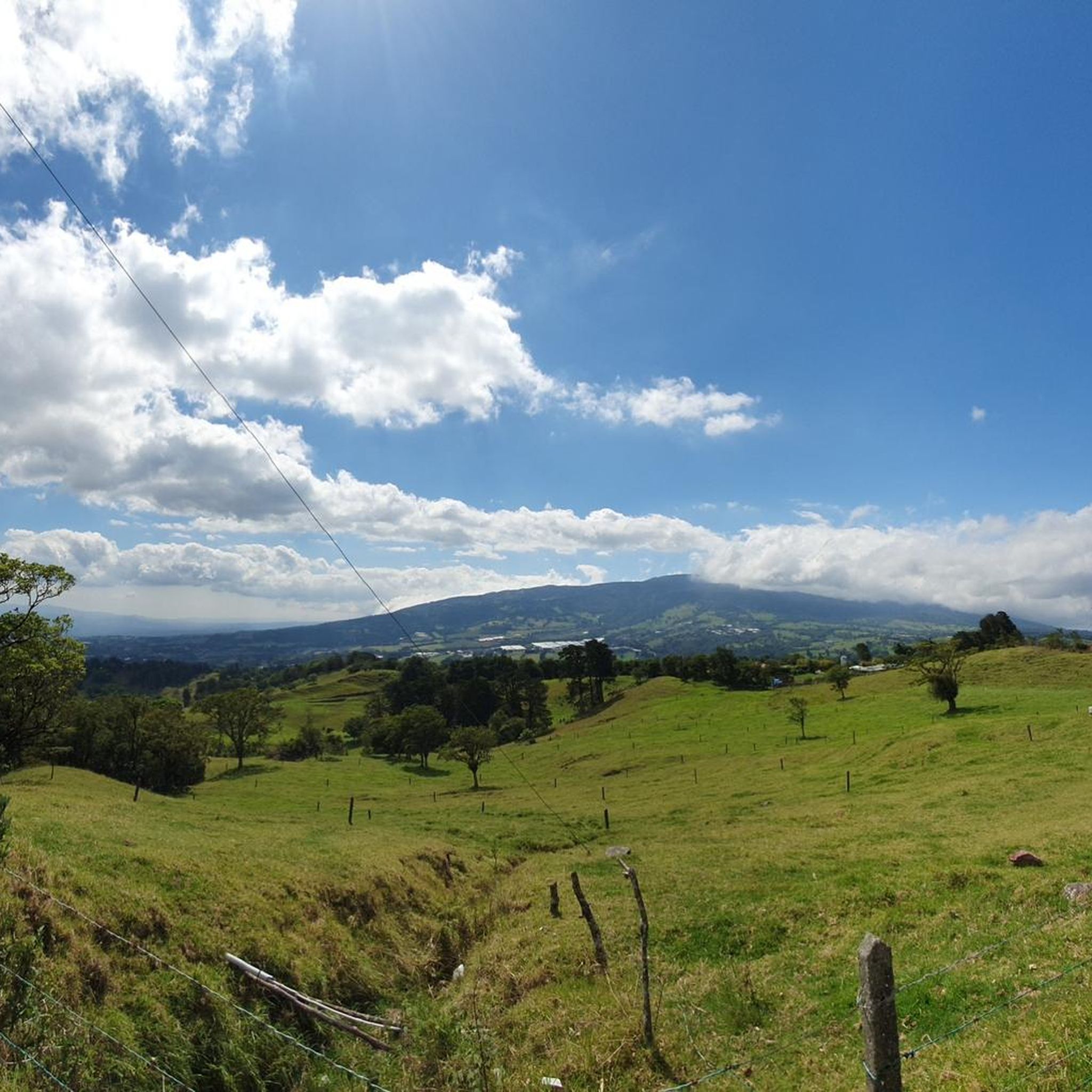
Best attractions and places to see in Purabá include a variety of natural features and cultural sites within its tranquil rural setting. This district, part of the Santa Bárbara canton in Heredia, Costa Rica, is characterized by its mountainous terrain and lush landscapes. Visitors can explore its agricultural heritage, including sugarcane cultivation, and enjoy a serene escape amidst natural beauty. The region offers opportunities for outdoor activities and a glimpse into local Costa Rican traditions.
Best attractions and places to…
Last updated: May 24, 2026
Fallen Bridge of Carrizal
Highlight • Bridge
Translated by Google •
Tip by

Monte de la Cruz Climb
Highlight (Segment) • Climb
Tip by

Sign up now to discover places like this
Get recommendations on the best single tracks, peaks, & plenty of other exciting outdoor places.
Sign up for free
Juan Santamaría Statue
Highlight • Monument
Translated by Google •
Tip by

Parish of Saint Bartholomew the Apostle
Highlight • Religious Site
Tip by

El Fortín
Highlight • Historical Site
Translated by Google •
Tip by
Sign up for free to discover even more attractions in Purabá.
Sign up for free
Already have an account?
Start today with a free account
Your next adventure awaits.
Login or Signup


Tips from the Community

In this small park there is a monument to Juan Santamaría, a Costa Rican national hero. Through his self-sacrifice the army was able to win the Second Battle of Rivas and preserve the country's independence.
2
0


The San Bartolomé Apóstol Parish,[1] is a Catholic church in the district of Barva in the canton of Barva, Heredia, Costa Rica. The first church was established between 1568 and 1575, an adobe construction with a thatched roof, and was dedicated to San Bartolomé Apóstol; It is rumored to have been built over an Indian burial ground, as numerous Native American-made objects have been removed.
0
0
The Parroquia San Bartolomé Apóstol (Parish of Saint Bartholomew the Apostle), is a church in Barva, Heredia, Costa Rica. The first church was established between 1568 and 1575, and dedicated to Saint Bartholomew; it is rumored to have been built on an indigenous burial ground.
0
0
Juan Santamaría Park, in Alajuela, is recognized for housing the sculptural complex in honor of the national hero from Alajuela. It is a surprisingly realistic bronze sculpture that captures the moment in which the soldier, carrying a torch aloft, prepares to set fire to the war inn, where the enemy remained entrenched. The figure stands on a raised pedestal and is flanked by cannons. Chiselled in 1891 by the French sculptor Arístide Croisy, it is a song in defense of the freedom and independence of the homeland. In the two adjacent bas-reliefs, signed by Gustave Deloy, a narrative style is used to tell the story of the hero in episodes.
0
0
In the year 1876, by order of the Plaza Commander and Governor of the Province, Fadrique Gutiérrez (1844-1897). Without being an architect, he himself designed the work. The Heredian historian Luis Dobles Segreda points out that it was part of a project of four towers in total, one in each corner of the place where the Cabildo was located. Apparently construction was suspended due to lack of financial resources.
0
0

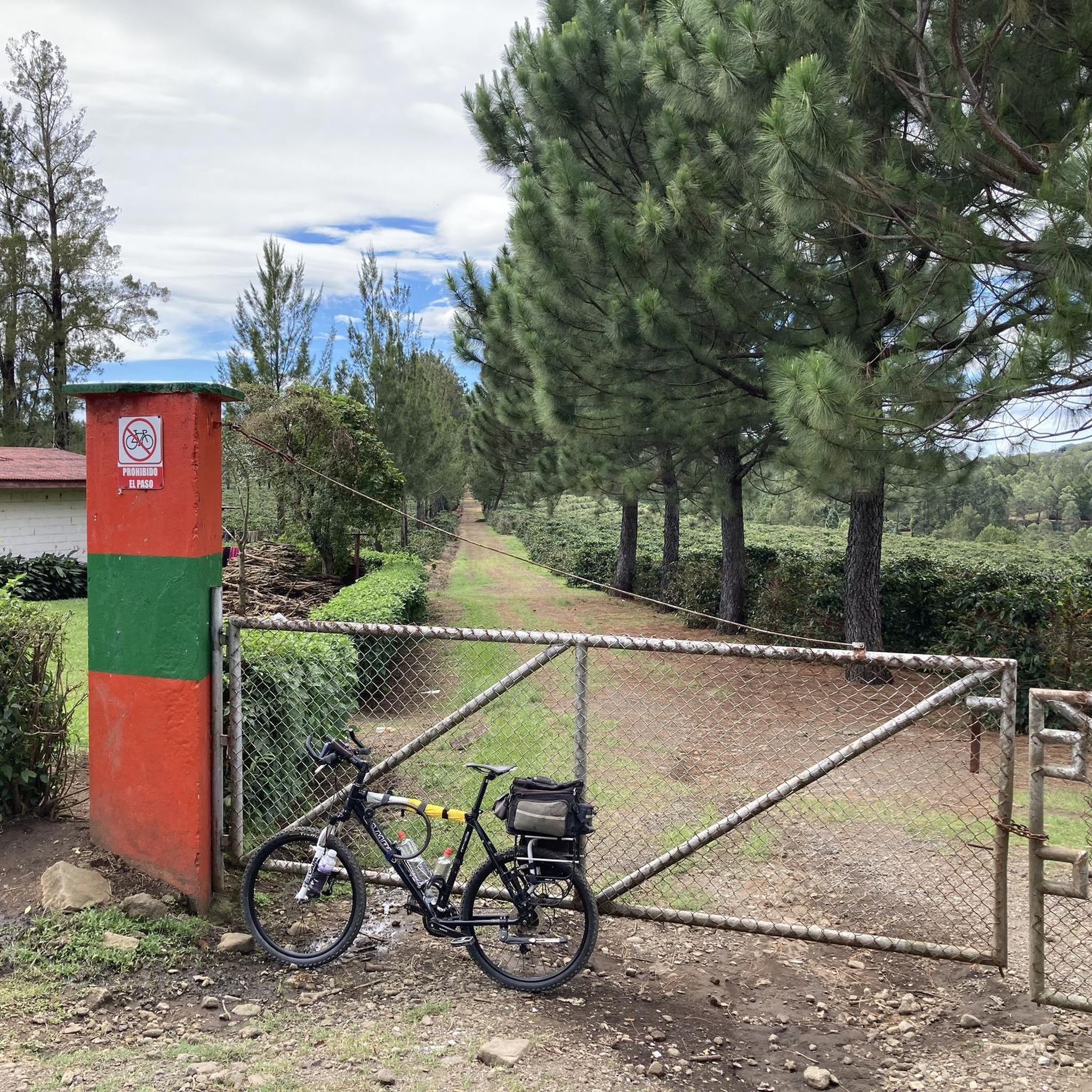
On this route you can enjoy nature, the bridge that has fallen, when you leave the asphalt road that goes to Alajuela Carrizal, take a left and there is a bridge that fell, you pass the bridge carefully and follow the path , you pass a gate on one side and continue out to Pavas de Carrizal, in the left square and you enter passing through one side of the gate, you follow the path until you reach a river, you cross carefully and you continue following the right trail. it passes through two gates that are passing an asphalt road and continue following the route and exit at five corners of Carrizal. Preferable to lower the route for a better location.
0
0

A bit difficult ascent but it is very enjoyable to finish. A very nice area. Preferably be accompanied.
1
0
Frequently Asked Questions
What natural features can I explore in Purabá?
Purabá is rich in natural beauty, situated on the lower slopes of the Barva Volcano, offering opportunities for hiking and panoramic views. The region also features several large rivers like Quebrada Setillal and Rio Ciruelas, with hiking paths often leading to picturesque waterfalls. You can also explore the extensive Braulio Carrillo National Park, known for its rich biodiversity, which is accessible from the area.
Are there opportunities for hiking and nature walks in Purabá?
Yes, Purabá's mountainous terrain is ideal for hiking. You can find paths leading to waterfalls and immerse yourself in nature. A notable climb in the area is the Monte de la Cruz Climb, which offers a challenging ascent on a good road surface with low traffic, providing an enjoyable experience near San Jose. For more routes, you can explore the various hiking guides available for the region.
What historical and cultural sites are worth visiting in Purabá?
Purabá and its surrounding areas offer several historical and cultural landmarks. You can visit the Juan Santamaría Statue in Alajuela, honoring a Costa Rican national hero. In Barva, the Parish of Saint Bartholomew the Apostle is a historic church dating back to the 16th century. Another significant historical structure is El Fortín, an interesting tower designed in 1876.
Are there any family-friendly attractions in Purabá?
Yes, Purabá offers family-friendly options. The Juan Santamaría Statue is located in a park, providing a good place for a rest in the shade and a chance to learn about Costa Rican history. El Fortín is also considered family-friendly, offering a glimpse into local history. Additionally, the region's numerous nature trails and parks provide gentle walks suitable for families.
What outdoor sports or activities can I do in Purabá?
Beyond hiking, Purabá is excellent for cycling and mountain biking. You can find numerous routes for different skill levels. For mountain biking, explore trails like the "Virilla River Canyon – Japis River loop" or the "Fallen Bridge of Carrizal loop" in the MTB Trails in Purabá guide. Road cyclists can enjoy routes such as the "Turrúcares Park – Rural Landscape View loop" or the "San Pablo Apóstol Church – Monte de la Cruz Climb loop" found in the Road Cycling Routes in Purabá guide.
Where can I find scenic viewpoints in Purabá?
The mountainous terrain around Purabá offers several scenic viewpoints. The Monte de la Cruz Climb provides great views near San Jose. Additionally, Hacienda La Chimba, located nearby, features viewpoints like "La Mano del Mantra" with sweeping views over the Central Valley. The lower slopes of the Barva Volcano also offer panoramic vistas of the lush landscapes.
What is the best time to visit Purabá?
The best time to visit Purabá, like much of Costa Rica, is generally during the dry season, which runs from December to April. During these months, you can expect more sunshine and less rain, making outdoor activities like hiking and cycling more enjoyable. The lush landscapes remain vibrant year-round, but the dry season offers more predictable weather for exploration.
How can I experience Purabá's agricultural heritage?
Purabá's history is deeply rooted in agriculture, particularly coffee and sugarcane cultivation. You can experience this heritage by observing the rural landscapes and active farms. Nearby, Hacienda La Chimba offers coffee tours, providing insight into the coffee-making process from bean to cup, and showcasing the region's agricultural traditions.
What do visitors enjoy most about the attractions in Purabá?
Visitors particularly enjoy the natural beauty and tranquility of Purabá. For instance, the Monte de la Cruz Climb is praised for its great road surface and low traffic, making for an enjoyable ascent. The Fallen Bridge of Carrizal route is appreciated for its immersion in nature. The peaceful environment and authentic Costa Rican experience are frequently highlighted.
Are there any unique or less-known spots to discover in Purabá?
For a unique natural experience, consider exploring the area around the Fallen Bridge of Carrizal. This spot is part of a route where you can enjoy nature, carefully pass the fallen bridge, and follow paths through natural landscapes, crossing rivers and passing gates, leading to a more secluded adventure. It's a great way to discover the region's hidden natural beauty.
Can I find places to relax and enjoy the local atmosphere in Purabá?
Absolutely. While Purabá itself is tranquil, the nearby Parque Central de Santa Bárbara serves as the "green heart" of the town. It's an ideal place to relax, surrounded by trees and well-maintained plants, and to soak in the local atmosphere. It also hosts community and cultural activities, especially on weekends, offering a glimpse into the laid-back lifestyle of the "Ticos" (Costa Ricans).
What kind of wildlife can I expect to see in Purabá?
Given Purabá's proximity to natural reserves and its lush environment, you can expect to encounter diverse wildlife. The extensive Braulio Carrillo National Park, accessible from the region, is known for its rich biodiversity, including various bird species, monkeys, and other mammals. Even in the rural landscapes, you might spot local birds and smaller creatures, especially along hiking trails and near rivers.

Get inspired with the komoot mobile app


Explore more
Still not found the Highlight you’re looking for? See guides of the top attractions in other regions:
