Attractions and Places To See in San Antonio - Top 9
Best attractions and places to see in San Antonio include a variety of historical sites and unique natural features. This region offers opportunities to explore cultural landmarks and outdoor spaces. Visitors can discover a blend of historical significance and local points of interest. The area provides diverse attractions for those interested in history and local culture.
Best attractions and places to see in San Antonio
- The most popular attractions is Fallen Bridge of Carrizal, a bridge that allows visitors…
Last updated: July 4, 2026
Fallen Bridge of Carrizal
Highlight • Bridge
Translated by Google •
Tip by

Parish of Saint Bartholomew the Apostle
Highlight • Religious Site
Tip by

Sign up now to discover places like this
Get recommendations on the best single tracks, peaks, & plenty of other exciting outdoor places.
Sign up for free
Juan Santamaría Statue
Highlight • Monument
Translated by Google •
Tip by

Creation Sculpture of Cacique Barvak
Highlight • Monument
Chief Barvac, also known as Barvak, was an important indigenous leader in the region we now know as Costa Rica. His name is believed to mean …
Translated by Google •
Tip by
Church of the Immaculate Conception of Heredia
Highlight • Religious Site
Tip by
Sign up for free to discover even more attractions in San Antonio.
Sign up for free
Already have an account?
Start today with a free account
Your next adventure awaits.
Login or Signup


Tips from the Community

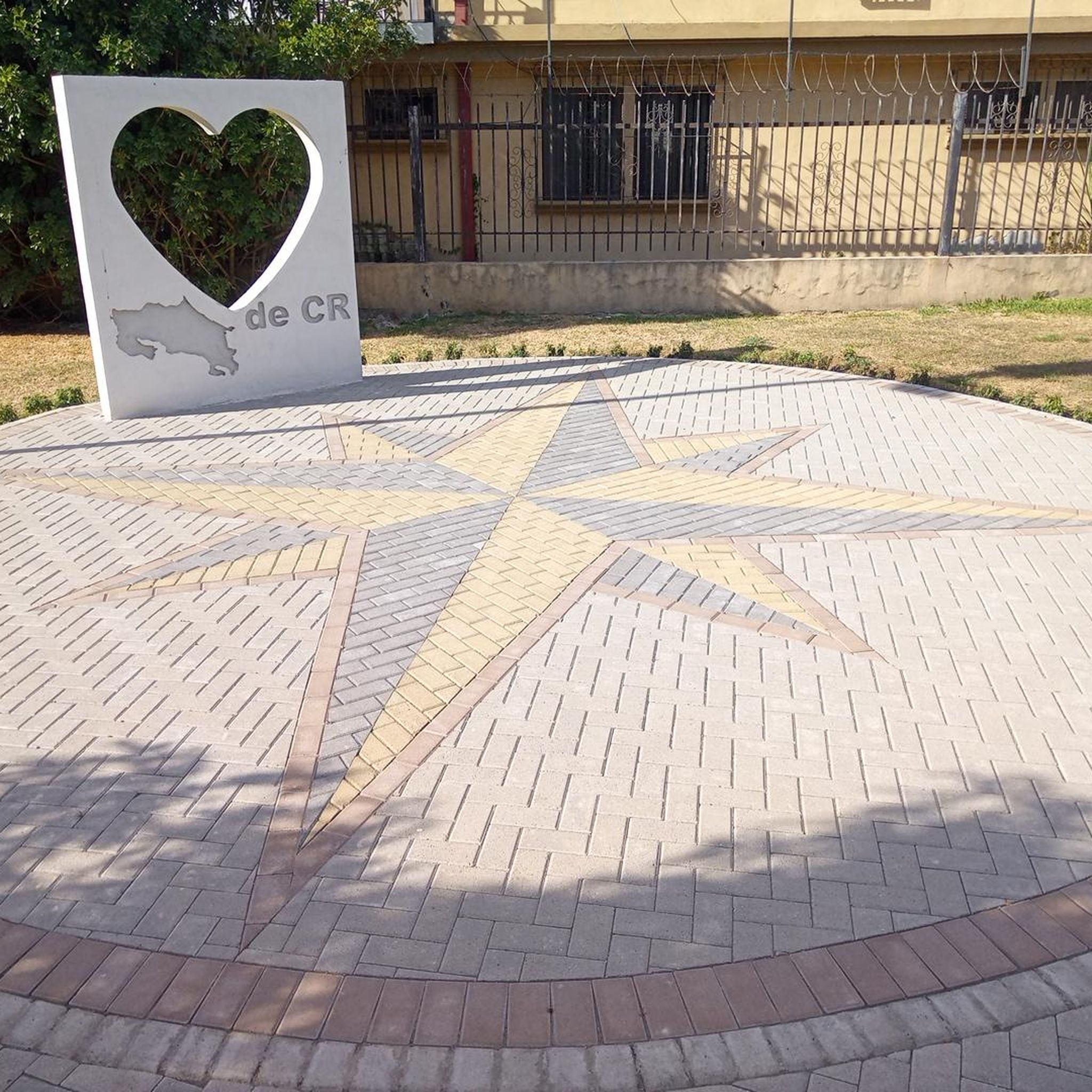
In this small park there is a monument to Juan Santamaría, a Costa Rican national hero. Through his self-sacrifice the army was able to win the Second Battle of Rivas and preserve the country's independence.
2
0


Sculpture called Creation dedicated to "Cacique Barvak" by the sculptor Fabio Brenes,
0
0
The San Bartolomé Apóstol Parish,[1] is a Catholic church in the district of Barva in the canton of Barva, Heredia, Costa Rica. The first church was established between 1568 and 1575, an adobe construction with a thatched roof, and was dedicated to San Bartolomé Apóstol; It is rumored to have been built over an Indian burial ground, as numerous Native American-made objects have been removed.
0
0
Tribute to Chief Barvac. Chief Barvac, also known as Barvak, was an important indigenous leader in the region we now know as Costa Rica. His name is believed to mean "People of the Anteater" in the ancient Huetar language. Chief Barvac's name has transcended time and generations, and is currently used to name important places in Costa Rica, including a volcano and a canton.
0
0
The Parroquia San Bartolomé Apóstol (Parish of Saint Bartholomew the Apostle), is a church in Barva, Heredia, Costa Rica. The first church was established between 1568 and 1575, and dedicated to Saint Bartholomew; it is rumored to have been built on an indigenous burial ground.
0
0
Juan Santamaría Park, in Alajuela, is recognized for housing the sculptural complex in honor of the national hero from Alajuela. It is a surprisingly realistic bronze sculpture that captures the moment in which the soldier, carrying a torch aloft, prepares to set fire to the war inn, where the enemy remained entrenched. The figure stands on a raised pedestal and is flanked by cannons. Chiselled in 1891 by the French sculptor Arístide Croisy, it is a song in defense of the freedom and independence of the homeland. In the two adjacent bas-reliefs, signed by Gustave Deloy, a narrative style is used to tell the story of the hero in episodes.
0
0
The first church in Heredia was a small wooden construct built as early as 1704 in an attempt to convert the natives; nothing remains of the original building, which was replaced by a larger, more permanent adobe structure in July 1736 when Heredia was granted its own independent parish. Construction on the current building began towards the end of the colonial period. The cornerstone was laid on October 31, 1797, but the church was not completed until several years later; though the exact date is unknown, it is believed to have been completed in 1806. The façade was again reconstructed in 1851 when an earthquake brought it tumbling to the ground. Over the years, a baptistry and catechism school were added, while the church gardens were enlarged. The temple exhibits a simple, whitewashed, Spanish neoclassical exterior, while the relatively unadorned interior shows the humility and faith of the people who constructed it. On the front of the church, three niches once contained statues of saints created by the famous Heredian soldier, architect, and sculptor Fadrique Gutiérrez; today, only the central statue of St. Peter remains. The 20 stained glass windows which adorn the church were made in France.
0
0
Frequently Asked Questions
What types of attractions can I find in San Antonio?
San Antonio offers a mix of historical sites, religious buildings, and unique natural features. You can explore places like the Fallen Bridge of Carrizal, historical monuments such as the Juan Santamaría Statue, and significant religious buildings like the Parish of Saint Bartholomew the Apostle.
Are there any historical monuments to visit in San Antonio?
Yes, San Antonio features several historical monuments. The Juan Santamaría Statue honors a national hero and is located in a small park, offering a place for rest. Another significant historical site is El Fortín, a tower designed in 1876.
What religious buildings are notable in San Antonio?
The Parish of Saint Bartholomew the Apostle is a prominent Catholic church with a history dating back to between 1568 and 1575, rumored to have been built on an indigenous burial ground. Another historical religious site is the Church of the Immaculate Conception of Heredia, with construction beginning in 1797.
Are there family-friendly attractions in San Antonio?
Many of the historical sites are suitable for families. The Juan Santamaría Statue and El Fortín are both categorized as family-friendly, offering cultural insights in accessible settings.
Can I find natural features or outdoor exploration opportunities?
Absolutely. The Fallen Bridge of Carrizal offers a unique route where you can enjoy nature and follow a path through various landscapes, including crossing a river and passing through gates. It's an excellent spot for exploration.
What outdoor activities can I do near these attractions?
Near the attractions in San Antonio, you can find various outdoor activities. For running enthusiasts, there are routes like the 'Running loop from Metrópolis 2' (3.8 km, easy) or the 'Running loop from San Rafael' (10.6 km, moderate). For hiking, consider routes such as 'Estadio Nacional de Costa Rica – Bamboo Grove in La Sabana Park loop' (7.7 km, moderate). You can find more details on these activities in the Running Trails in San Antonio and Hiking in San Antonio guides.
Are there any gravel biking routes in the San Antonio area?
Yes, for gravel biking enthusiasts, there are challenging routes available. Options include the 'La Gloria Gate – Piedras Negras Trail loop from El Futuro' (54.9 km, difficult) or the 'Japis River – Piedras Negras Trail loop from Brasil' (50.4 km, difficult). Explore more routes in the Gravel biking in San Antonio guide.
What do visitors enjoy most about the attractions in San Antonio?
Visitors appreciate the blend of history and nature. For instance, the Fallen Bridge of Carrizal is enjoyed for its natural beauty and unique path. The Juan Santamaría Statue is valued as a peaceful spot for rest and reflection on a national hero.
How can I explore the historical significance of the religious sites?
The Parish of Saint Bartholomew the Apostle offers a deep dive into local history, with its origins in the 16th century and rumors of being built on an indigenous burial ground. The Church of the Immaculate Conception of Heredia also provides a glimpse into colonial-era architecture and local heritage.
Are there any unique or less-known historical spots worth visiting?
Beyond the main attractions, El Fortín stands out as a unique historical site. This tower, designed in 1876, was part of a larger project that was never fully completed, offering an interesting piece of local architectural history.
What is the best way to experience the natural beauty around the Fallen Bridge of Carrizal?
To fully experience the natural beauty around the Fallen Bridge of Carrizal, it's recommended to follow the path that takes you through various landscapes. Be prepared to pass carefully over the fallen bridge, cross a river, and navigate through gates, allowing for an immersive natural exploration.

Get inspired with the komoot mobile app


Explore more
Still not found the Highlight you’re looking for? See guides of the top attractions in other regions:
