The best cycling routes in Toro Amarillo
5.0
(5)
78
riders
6
rides
Touring cycling routes in Toro Amarillo, Costa Rica, navigate a landscape characterized by volcanic influence, dense cloud forests, and numerous waterfalls. The region features varied terrain, including significant hills and mountainous areas, offering challenging climbs and descents. This environment provides a rewarding experience for touring cyclists seeking natural beauty and diverse physical features.
Best touring cycling routes in Toro Amarillo
- The most popular touring cycling route is Poás Volcano – Santa Gertrudis Sur Church loop from Grecia, a 25.2…
Last updated: July 2, 2026
5.0
(1)
49
riders
40.6km
02:47
730m
730m
Hard bike ride. Very good fitness required. Mostly paved surfaces. Suitable for all skill levels.
5.0
(1)
8
riders
38.9km
02:53
910m
910m
Hard bike ride. Very good fitness required. Mostly paved surfaces. Suitable for all skill levels.

Sign up for free
5.0
(1)
3
riders
32.2km
02:42
800m
800m
Hard bike ride. Very good fitness required. Mostly paved surfaces. Suitable for all skill levels.
5.0
(2)
4
riders
25.8km
01:51
520m
520m
Hard bike ride. Very good fitness required. Mostly paved surfaces. Suitable for all skill levels.
3
riders
28.8km
02:18
520m
520m
Hard bike ride. Very good fitness required. Mostly paved surfaces. Suitable for all skill levels.
Our route recommendations are based on thousands of hikes, rides, and runs completed by other people on komoot.
Start today with a free account
Your next adventure awaits.
Login or Signup
Popular around Toro Amarillo
Tips from the Community

Aguas Zarcas is a popular tourist destination for its natural beauty and hot springs. Some of the most popular tourist attractions in Aguas Zarcas are the Hot Springs
0
0


Plenty of water or moisturizer as it is quite hot
0
0

excellent place
0
0
The church of Nuestra Señora de las Mercedes is a Catholic temple and parish in Costa Rica that is located in the city of Grecia, in the province of Alajuela, in the west of the country. It is a building built in the year 1840, dedicated for Catholic worship in that population, to the Virgin Mary under the invocation of Our Lady of Mercedes. It is a neo-Gothic style construction, built entirely of iron. It is the country's national monument.
1
0
The church of Naranjo is built under the dedication of Our Lady of Mercy. In 1869, when Monsignor Anselmo Llorente y la Fuente was Archbishop of Costa Rica, it was decided to build a new temple on land donated by Don Manuel Mora, a resident of the town, the materials and labor were provided by the same neighbors. The Parish of Naranjo was founded in August of the year 1881. The first parish priest was the Presbyter Ignacio Monge. Naranjo was originally called: “El Repasto”. Naranjo had priests since 1865, but it belonged to the Parish of Grecia. It was granted the title of Basilica attached to the Basilica of Santa Maria Maggiore in Rome, on December 8, 1929.
0
0
The girl insisted on Going Out Modeling the town 😅. Either way
0
0
The history and well-known stone bridge can be reached here in several ways but the route is well paved, it can be reached well by any route
0
0
Frequently Asked Questions
How many touring cycling routes are available in Toro Amarillo?
Toro Amarillo offers a selection of 6 touring cycling routes. These routes navigate through diverse landscapes, providing various options for exploration.
What is the typical difficulty level of touring cycling routes in Toro Amarillo?
The touring cycling routes in Toro Amarillo are generally challenging. There are 4 difficult routes and 2 moderate routes, with no easy options. This reflects the region's varied terrain, including significant hills and mountainous areas.
What kind of terrain can I expect on a touring cycling route in Toro Amarillo?
You can expect a landscape shaped by volcanic influence, dense cloud forests, and numerous waterfalls. The terrain is varied, featuring challenging climbs and descents through hills and mountainous areas, offering a rewarding experience for touring cyclists seeking natural beauty and diverse physical features.
When is the best time of year to go touring cycling in Toro Amarillo?
Toro Amarillo, like much of Costa Rica, experiences a dry season (December to April) and a rainy season (May to November). The dry season generally offers more predictable weather and clearer trails, making it ideal for touring cycling. However, the lushness of the cloud forests is particularly vibrant during the rainy season, though you should be prepared for afternoon showers.
Are there any waterfalls I can see or visit while touring cycling in Toro Amarillo?
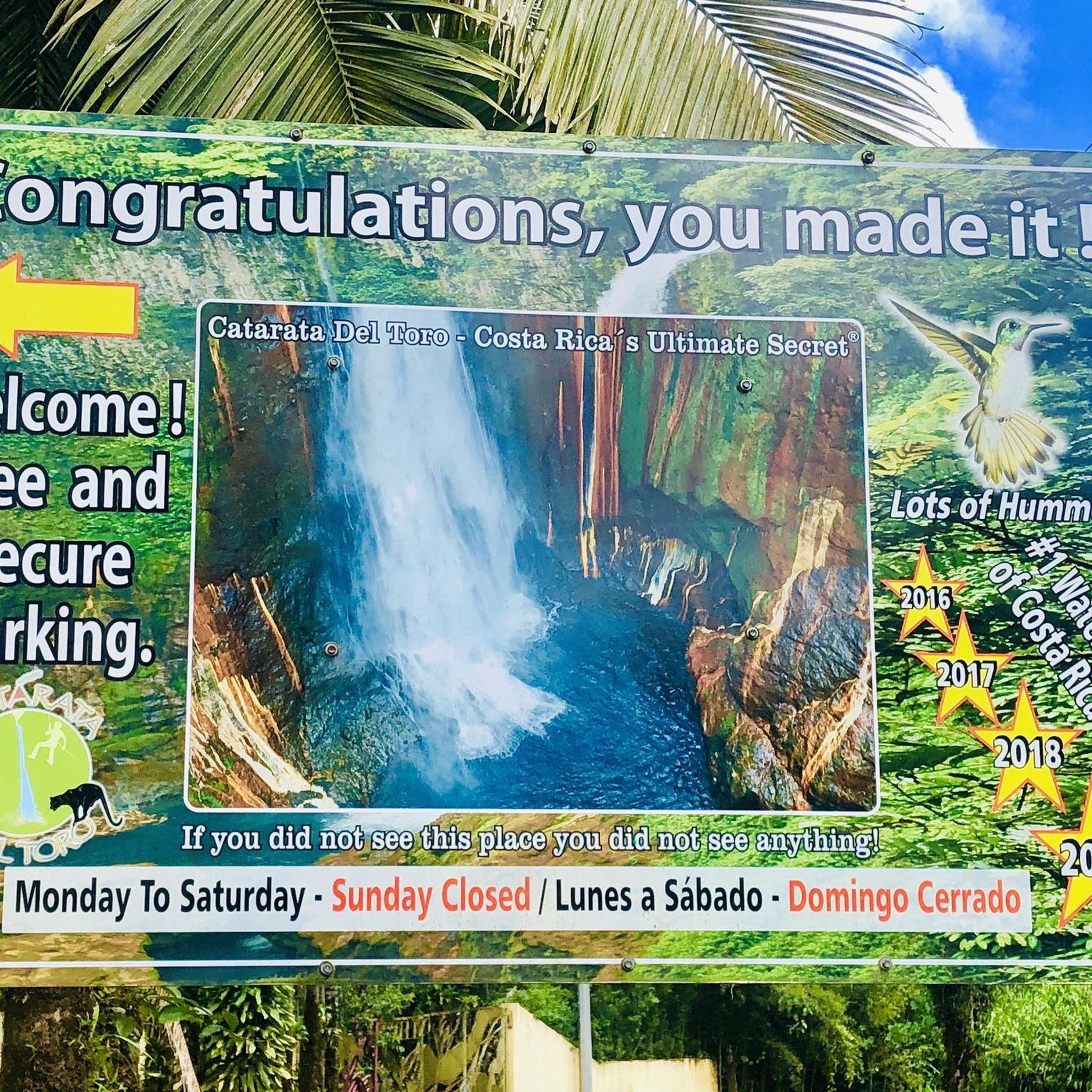
Yes, the Toro Amarillo region is renowned for its spectacular waterfalls. While cycling, you might encounter views of these natural wonders. Notable waterfalls in the broader Bajos del Toro area include Catarata del Toro, Catarata Caída del Cielo, and Catarata Tesoro Escondido. You can also visit La Paz Waterfall, a significant natural attraction in the area.
What natural landmarks or points of interest can I explore near the cycling routes?
Beyond the cycling routes, the region offers several natural landmarks. You can explore the impressive Poás Volcano, known for its large crater. Other points of interest include the Cloud Forest Trail, Poás Volcano National Park, the serene Poza Azul, and Hule Lagoon.
Are there any circular touring cycling routes in Toro Amarillo?
Yes, many of the touring cycling routes in Toro Amarillo are designed as loops. For example, the Poás Volcano – Santa Gertrudis Sur Church loop from Grecia and the Iglesia San Juanillo loop from Zarcero are popular circular options, allowing you to start and end at the same point.
Are there any family-friendly or easier touring cycling routes?
While Toro Amarillo's terrain is generally challenging, the Palmira loop from Zarcero is a moderate route that might be more suitable for families or those seeking a less strenuous ride. It's a shorter trail, leading through lush vegetation with varied elevation.
What are some challenging touring cycling routes for experienced riders?
Experienced riders looking for a challenge can consider routes like the Poás Volcano – Santa Gertrudis Sur Church loop from Grecia, which is 40.6 km long with significant elevation gain. Another demanding option is the Aguas Zarcas – Venecia Sign loop from Venecia, offering a difficult ride through the region's varied landscapes.
Is public transport available to reach the touring cycling routes in Toro Amarillo?
While specific public transport options directly to every trailhead might be limited, the region is accessible from the Central Valley, including San Jose, by bus services to nearby towns. From these towns, you may need to arrange local transport or cycle to the starting points of the routes. It's advisable to research local bus schedules and connections in advance.
What do other touring cyclists enjoy the most about touring cycling in Toro Amarillo?
The touring cycling routes in Toro Amarillo are highly rated by the komoot community, with an average score of 5.0 stars. Reviewers often praise the stunning volcanic landscapes, the immersive experience of cycling through cloud forests, and the rewarding challenge of the varied terrain. The natural beauty and diverse physical features are frequently highlighted.
Are there opportunities to see wildlife while cycling in Toro Amarillo?
Yes, Toro Amarillo boasts rich biodiversity within its lush landscapes and cloud forests. While cycling, you might encounter various bird species, including quetzals and hawks, and potentially other wildlife like monkeys and coatis, especially in areas bordering protected zones such as the Juan Castro Blanco National Park.
Where can I find more information about the Bajos del Toro region?
For additional information about the broader Bajos del Toro area, which encompasses Toro Amarillo, you can visit the official Costa Rica tourism website. They offer insights into the region's unique attractions and natural beauty. For example, you can find more details at visitcostarica.com.
Most popular routes in Toro Amarillo
Most popular attractions in Toro Amarillo

Get inspired with the komoot mobile app


Explore more
Browse the best Cycling routes in other regions.
