Attractions and Places To See around Oberthal - Top 20
Best attractions and places to see around Oberthal include a diverse range of natural landscapes and historical landmarks. Situated at the edge of the Saar-Hunsrück Nature Park, the region features rolling hills, dense forests, and idyllic rivers. Visitors can explore significant natural features like the Bostalsee and the Oberthaler Bruch wetland. The area also offers insights into history with structures like the Oberkirchen Viaduct and archaeological sites.
Best attractions and places to see around Oberthal
- The most popular attractions is…
Last updated: September 26, 2026
View of Bostalsee from the dam
Highlight • Viewpoint
Translated by Google •
Tip by

Bostal Lake
Highlight • Lake
Translated by Google •
Tip by

Sign up now to discover places like this
Get recommendations on the best single tracks, peaks, & plenty of other exciting outdoor places.
Oberkirchen Viaduct
Highlight • Bridge
With its 12 arches, the Oberkirchen viaduct, built between 1934 and 1936, is by far the largest and most impressive structure on the Westrichbahn Türkismühle - Kusel. In …
Translated by Google •
Tip by

Schaumberg Plateau and the Schaumberg Tower
Highlight • Viewpoint
Translated by Google •
Tip by

Wendelinus Cycle Path
Highlight • Cycleway
Translated by Google •
Tip by

Sign up for free to discover even more attractions around Oberthal.
Already have an account?
Start today with a free account
Your next adventure awaits.
Popular around Oberthal
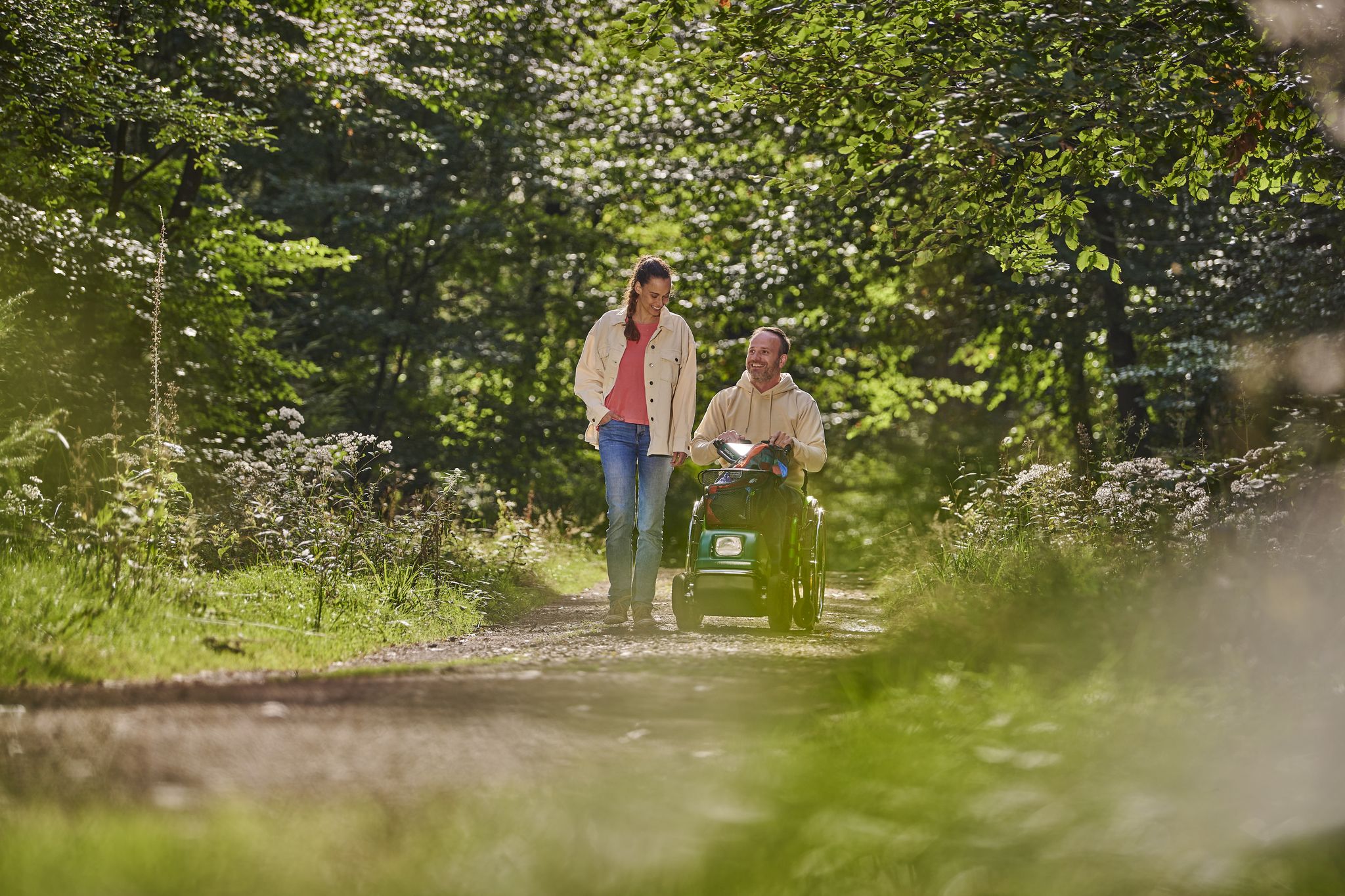
Experience nature without detours - barrier-free adventures in Saarland
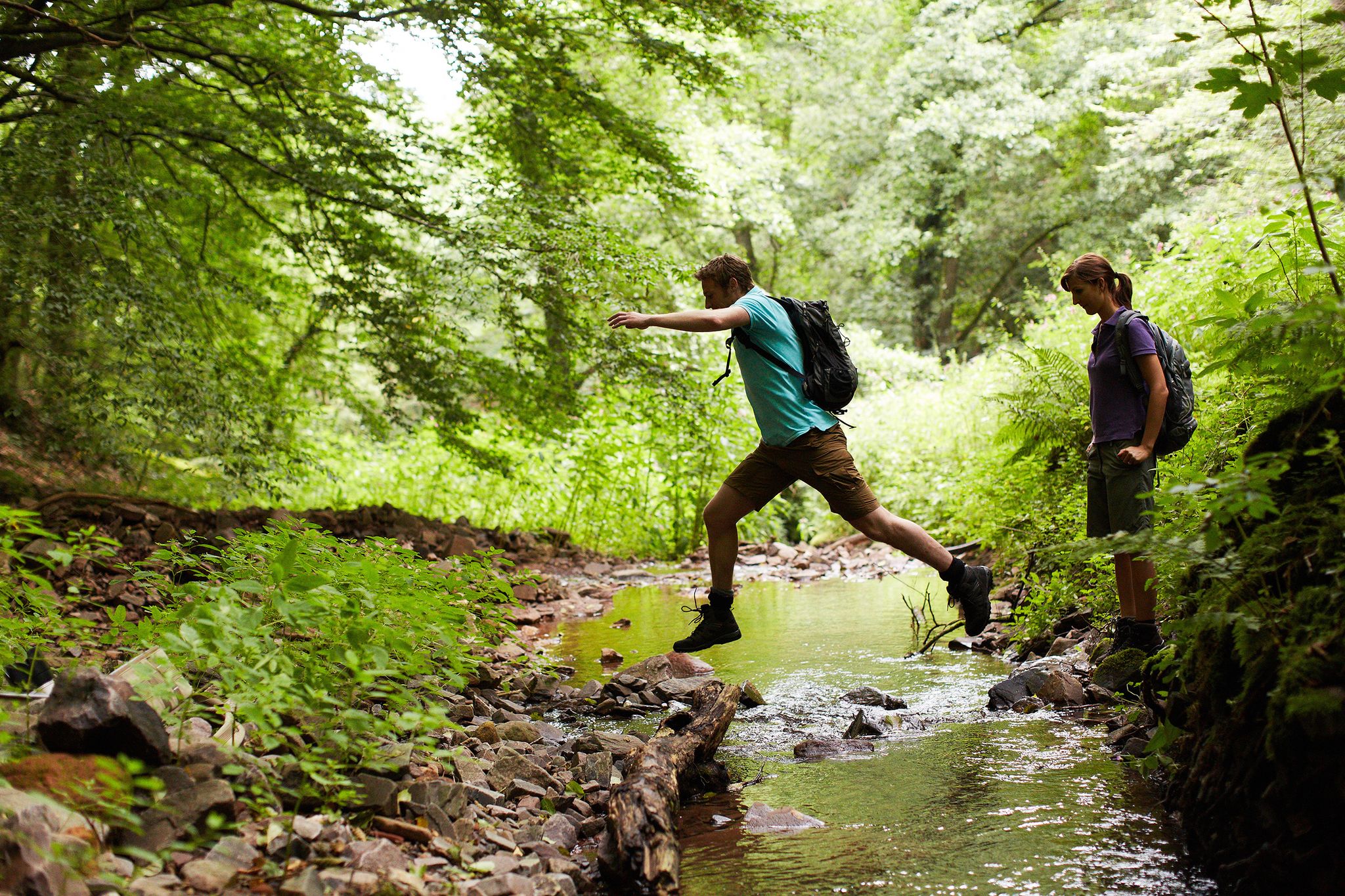
Countless trails, nature & history – hiking in Saarland
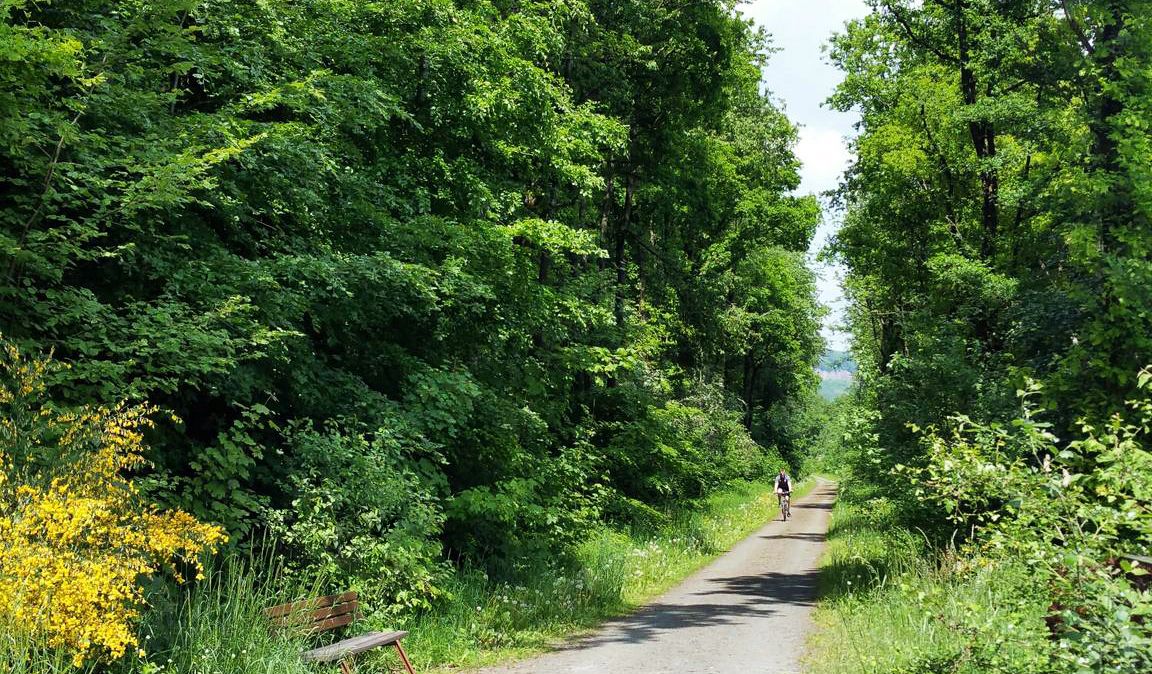
The most beautiful bike rides in the Sankt Wendeler Land
Hiking around Oberthal
Road Cycling Routes around Oberthal
Cycling around Oberthal
Running Trails around Oberthal
MTB Trails around Oberthal
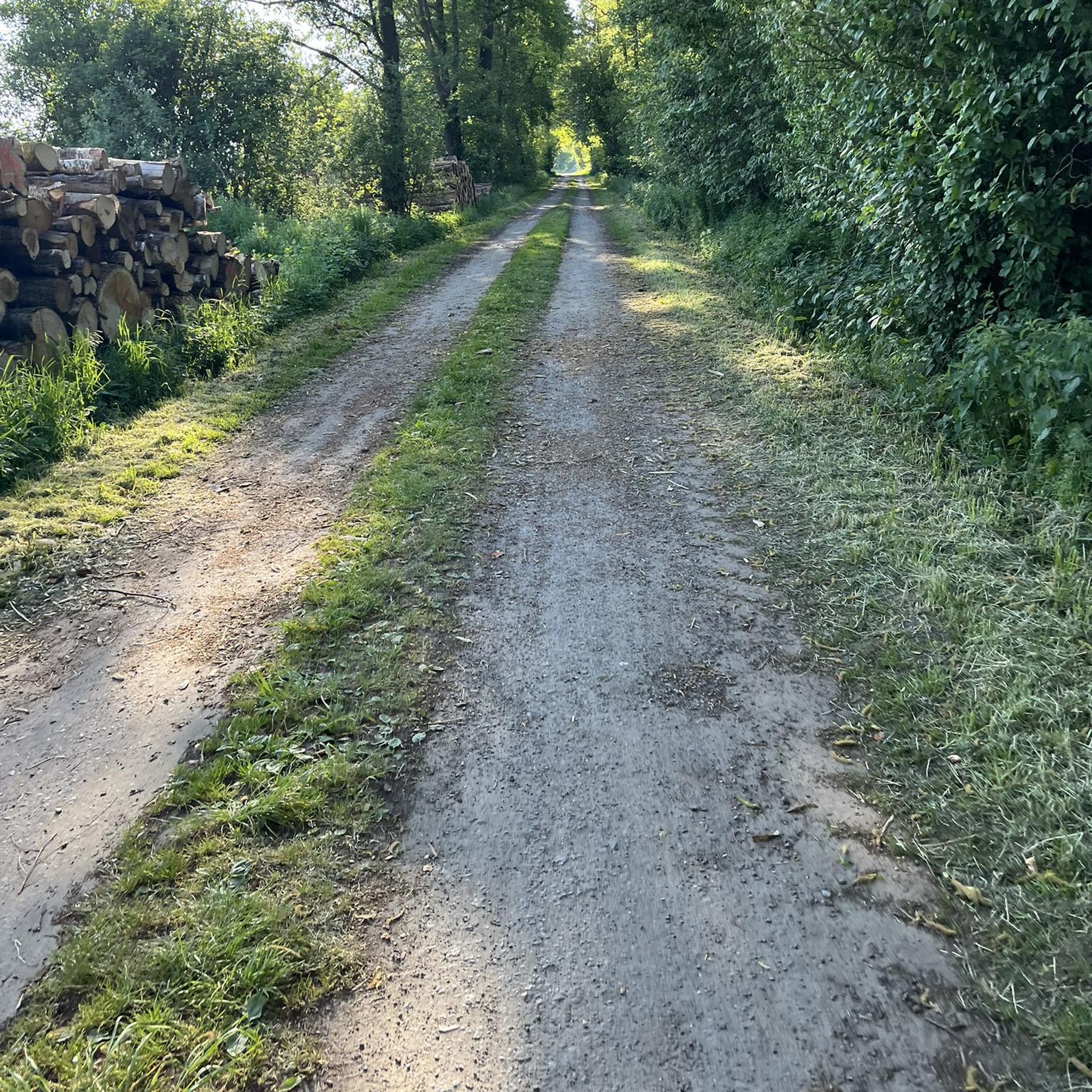
Gravel biking around Oberthal
Other adventures around Oberthal


Tips from the Community


An old railway line that is very well developed and has hardly any gradient. It's great to drive, but depending on the weather and time of year there's a lot going on and you have to pay attention.
2
0

The railway line cycle path is one of the most beautiful cycle paths in Saarland. An ideal path for inline skaters or for cycling with children, as the incline is barely noticeable. On weekends with good weather, however, it gets a bit crowded.
3
0

Great wide view and you save meters in altitude because you don't have to go down into town. Makes the rail cycle path really great.
4
0

Here at the point you can now also find a "pump track" 😉
6
1

All crossings of a traffic route over another traffic route, over water or over lower-lying terrain are considered bridges if their clear width between the abutments is 2.00 meters or more. Definition according to DIN 1076, in relation to "engineering structures in the course of roads and paths - monitoring and testing" from the traffic bulletin document no. B 5276 version 07/97 personal note1: yes, there is a bridge here, not pretty but a bridge.... personal note2: I wrote this tip when the highlight was still called "Bridge" because the adjuster had slapped it carelessly.
7
2

Oberkirch Viaduct from the former railway line. Fritz Wunderlich bike path.
4
0
Frequently Asked Questions
What natural attractions can I explore near Oberthal?
Oberthal is situated at the edge of the Saar-Hunsrück Nature Park, offering diverse natural landscapes. You can visit the Bostalsee, the largest artificial leisure lake in southwestern Germany, popular for water sports and relaxation. Another significant natural feature is the Oberthaler Bruch, a 50-hectare lowland moor wetland and one of Saarland's largest nature reserves, known for its diverse plant species and picturesque ponds. The Sternguckerplatz on the Momberg also offers scenic views.
Where can I find the best viewpoints around Oberthal?
For expansive views, head to the dam at Bostalsee, which offers panoramic vistas of the lake. Another excellent spot is the Schaumberg Plateau and the Schaumberg Tower, providing broad views of the surrounding landscape. The Sternguckerplatz on the Momberg is also highlighted for its potential for stargazing and scenic outlooks.
Are there historical sites or cultural attractions to visit in Oberthal?
Yes, Oberthal offers several historical and cultural sites. The Oberkirchen Viaduct, an impressive stone bridge built in the 1930s, is a notable landmark. You can also explore the Wareswald, which features the site of a Roman vicus with archaeological excavations. The "Alte Mühle" (Old Mill) Museum provides insights into local history, and the Straße der Skulpturen (Road of Sculptures) adds an artistic dimension to the region. Nearby, you can also visit the historic Tholey Monastery.
What family-friendly activities are available near Oberthal?
Families will find plenty to do, especially around Bostalsee, which offers two beach baths, boat and bike rentals, and a petting zoo. A unique attraction is The Upside-Down House near Bostalsee, where everything is inverted for a fun, different perspective. Many trails, such as sections of the Wendelinus Cycle Path, are also suitable for family walks and bike rides.
What outdoor activities can I do near these attractions?
The region around Oberthal is ideal for outdoor enthusiasts. You can enjoy various activities like hiking, cycling, and mountain biking. Popular hiking routes include the Rötelstein path and the "5-Weiher-Tour" (5-Ponds-Route). For cycling, the Wendelinus Cycle Path offers an easy ride along a former railway line. You can find more detailed routes and guides for these activities, including running, MTB, and touring bicycle trails, on the Running Trails around Oberthal, MTB Trails around Oberthal, and Cycling around Oberthal guide pages.
Are there accessible trails or attractions in Oberthal?
Yes, the Schaumberg Plateau and the Schaumberg Tower are noted as wheelchair accessible, offering an inclusive experience with panoramic views. Additionally, the Wendelinus Cycle Path, built on a former railway line, is generally flat and easy to navigate, making it suitable for a wider range of visitors.
What do visitors enjoy most about the attractions around Oberthal?
Visitors frequently praise the stunning views, especially from the Bostalsee dam and the Schaumberg Tower. The natural beauty of the region, including the lake and the Saar-Hunsrück Nature Park, is highly appreciated. Many also enjoy the well-developed cycling paths like the Wendelinus Cycle Path and the unique experience of The Upside-Down House. The komoot community has shared over 450 photos and given more than 2300 upvotes, highlighting the region's appeal.
Are there any hidden gems or lesser-known spots worth visiting?
Beyond the main attractions, you might enjoy discovering the Wildfrauhöhle (Wild Woman's Cave), an intriguing natural feature. The Donatuskapelle and Valentinskapelle are also noteworthy chapels listed as sights within Oberthal, offering a glimpse into local religious heritage. For a unique artistic experience, explore the Straße der Skulpturen (Road of Sculptures), an open-air exhibition.
What is the best time to visit Oberthal for outdoor activities?
The region's diverse natural landscapes and numerous trails make it enjoyable throughout the warmer months, typically from spring to autumn. During these seasons, conditions are generally favorable for hiking, cycling, and water sports at Bostalsee. The Saar-Hunsrück Nature Park is particularly beautiful when the foliage is green or changing colors.
Can I bring my dog to attractions and trails in Oberthal?
Many outdoor areas and trails in the Saar-Hunsrück Nature Park and around Bostalsee are generally dog-friendly, provided dogs are kept on a leash. For specific attractions like the Bostalsee, there are designated areas, but it's always best to check local regulations for beach access or specific facilities. Trails like the Rötelstein path and the "5-Weiher-Tour" are popular for walks with dogs.
Are there cafes, pubs, or restaurants near the attractions?
Yes, you'll find dining options, especially near popular spots. The Schaumberg Plateau features a restaurant where you can eat or drink. Around Bostalsee, there are various catering options available. Many villages in the region, including Oberthal, also offer local cafes and pubs.
How can I get to the attractions using public transport?
While specific public transport connections to every single trail or hidden gem might vary, major attractions like Bostalsee and the Schaumberg Plateau are generally accessible via regional bus services. For hiking and cycling routes, public transport can often get you to nearby towns or starting points. It's advisable to check local bus schedules for the most up-to-date information on routes and timings.
Most popular routes around Oberthal
Most popular attractions around Oberthal

Get inspired with the komoot mobile app


Explore more
Still not found the Highlight you’re looking for? See guides of the top attractions in other regions:
