The best cycling routes in Santiago
5.0
(26)
441
riders
56
rides
Touring cycling routes in Santiago are set against the backdrop of the Andes Mountains to the east, offering diverse terrain from urban paths to challenging mountain ascents. The city is situated in a valley, with the Mapocho River flowing through it, providing opportunities for riverside cycling. Within the metropolitan area, hills like Cerro San Cristóbal and Cerro Manquehue offer elevated routes and panoramic views.
Best touring cycling routes in Santiago
- The most popular touring cycling route is Bridge Entrance to…
Last updated: July 2, 2026
5.0
(1)
44
riders
52.5km
03:40
1,000m
1,000m
Hard bike ride. Very good fitness required. Mostly paved surfaces. Suitable for all skill levels.
20
riders
32.2km
02:56
910m
910m
Hard bike ride. Very good fitness required. Mostly paved surfaces. Suitable for all skill levels.

Sign up for free
11
riders
37.3km
02:44
800m
800m
Hard bike ride. Very good fitness required. Mostly paved surfaces. Suitable for all skill levels.
16
riders
22.4km
01:33
390m
390m
Moderate bike ride. Good fitness required. Mostly paved surfaces. Suitable for all skill levels.
11
riders
53.7km
03:59
1,260m
1,260m
Hard bike ride. Very good fitness required. Mostly paved surfaces. Suitable for all skill levels.
Get access to more routes and recommendations from other explorers.
Sign up for free
Already have an account?
Our route recommendations are based on thousands of hikes, rides, and runs completed by other people on komoot.
Start today with a free account
Your next adventure awaits.
Login or Signup
Popular around Santiago
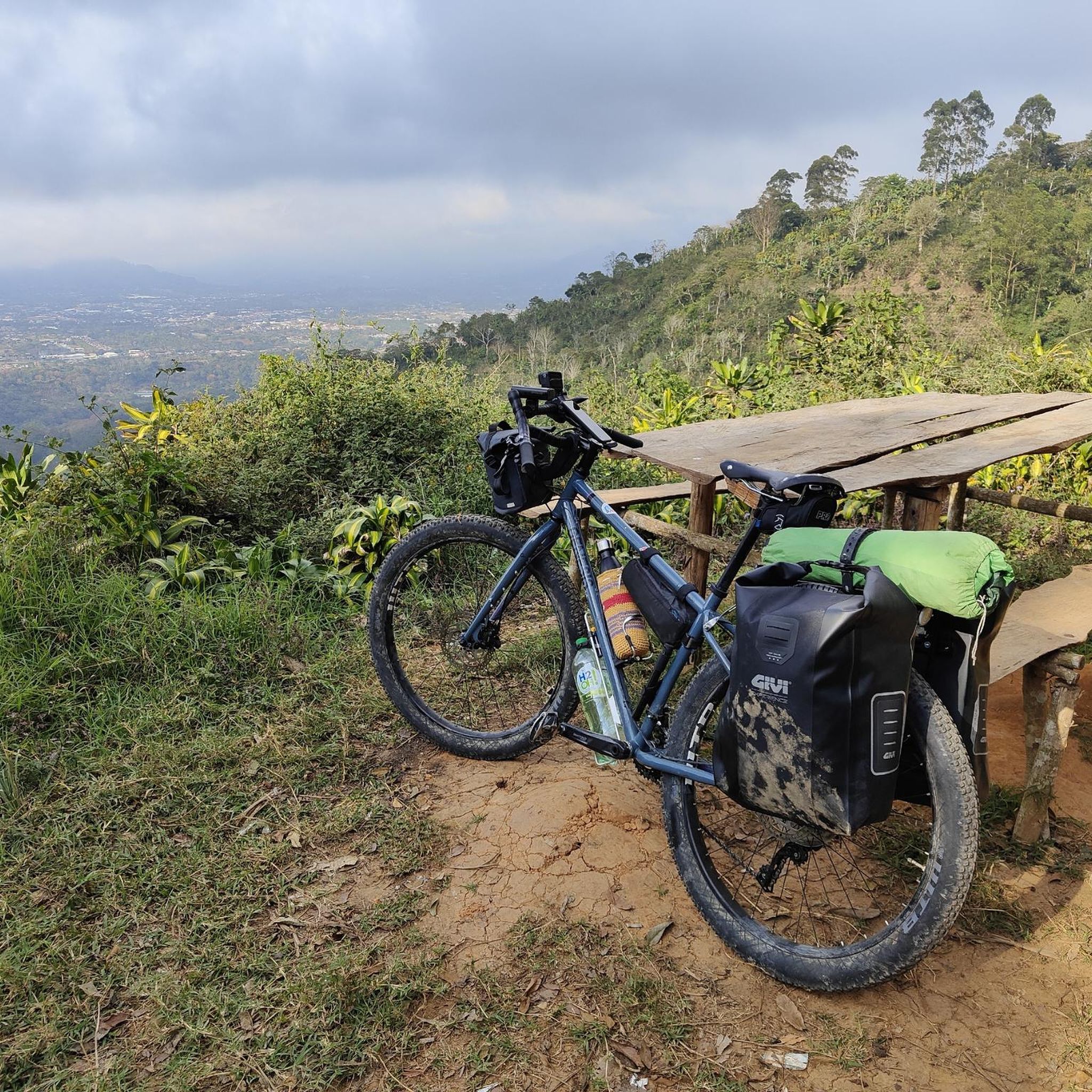


Tips from the Community


Plenty of water or moisturizer as it is quite hot
0
0
Monument to the Ramón poet Lisímaco Chavarría (May 10, 1878 – August 27, 1913)
0
0

excellent place
0
0
The church of Nuestra Señora de las Mercedes is a Catholic temple and parish in Costa Rica that is located in the city of Grecia, in the province of Alajuela, in the west of the country. It is a building built in the year 1840, dedicated for Catholic worship in that population, to the Virgin Mary under the invocation of Our Lady of Mercedes. It is a neo-Gothic style construction, built entirely of iron. It is the country's national monument.
1
0
The church of Naranjo is built under the dedication of Our Lady of Mercy. In 1869, when Monsignor Anselmo Llorente y la Fuente was Archbishop of Costa Rica, it was decided to build a new temple on land donated by Don Manuel Mora, a resident of the town, the materials and labor were provided by the same neighbors. The Parish of Naranjo was founded in August of the year 1881. The first parish priest was the Presbyter Ignacio Monge. Naranjo was originally called: “El Repasto”. Naranjo had priests since 1865, but it belonged to the Parish of Grecia. It was granted the title of Basilica attached to the Basilica of Santa Maria Maggiore in Rome, on December 8, 1929.
0
0
The center of palmares, there is not much apart from the Church
0
0
Frequently Asked Questions
How many touring cycling routes are available in Santiago, and what are their difficulty levels?
Santiago offers a wide range of touring cycling routes, with over 50 options available. These routes cater to various skill levels, including around 17 moderate trails and over 40 challenging routes, many of which feature significant elevation gain as they venture towards the Andes Mountains.
What is the best time of year for touring cycling in Santiago?
The best time for touring cycling in Santiago is generally during the spring (September to November) and autumn (March to May) months. During these periods, the weather is typically mild and pleasant, avoiding the intense summer heat and the cooler, sometimes rainy, winter conditions. This allows for comfortable riding both within the city and in the surrounding valleys and foothills.
Are there any family-friendly touring cycling routes in Santiago?
Yes, Santiago offers several urban green spaces and riverside paths that are suitable for families. Parks like Parque de la Familia, Parque Bicentenario, and Quinta Normal provide well-maintained, flat roads ideal for leisurely family rides. The planned Mapocho 42K route along the Mapocho River also offers accessible cycling paths connecting various neighborhoods, perfect for a relaxed outing.
Where can I find beginner-friendly touring cycling routes in Santiago?
For beginners, the urban parks and dedicated bike paths within Santiago are excellent starting points. These include routes in Parque de la Familia, Parque Bicentenario, and along the Mapocho River. While many routes in the region involve significant climbing, you can find moderate options like the Palmares Church – Monument to Lisímaco Chavarría loop from Palmares, which offers a more manageable distance and elevation gain.
What are some challenging touring cycling routes for experienced riders in Santiago?
Experienced touring cyclists will find plenty of challenging routes in Santiago, especially those heading towards the Andes. Trails like the Bridge Entrance to Palmares – Sarchí Oxcart and Church loop from Palmares, the Cerro Espíritu Santo – Calle Concepción loop from Palmares, and the Bridge Entrance to Palmares – Gravel Road in Costa Rica loop from Palmares all feature substantial elevation gains and cover significant distances, offering a demanding and rewarding experience through varied landscapes.
Are there circular touring cycling routes available in Santiago?
Yes, many touring cycling routes in Santiago are designed as loops, allowing you to start and end at the same point. Examples include the challenging Bridge Entrance to Palmares – Sarchí Oxcart and Church loop from Palmares and the moderate Palmares Church – Monument to Lisímaco Chavarría loop from Palmares. These circular routes are popular for exploring the diverse terrain around Santiago, from urban areas to hilly landscapes.
What are the parking options for accessing touring cycling routes in Santiago?
Parking availability varies depending on the route. For urban routes, you can often find street parking or public parking garages near major parks and cycling paths. For routes heading out of the city, especially towards the Cajón del Maipo or other mountain areas, designated parking spots may be available at trailheads or nearby towns. It's advisable to check specific route details for recommended parking locations.
Can I access touring cycling routes in Santiago using public transport?
Santiago's public transport system, particularly the Metro, is increasingly bike-friendly. The "BiciMetro" system allows cyclists to chain bikes safely at designated metro stations, making it easier to reach various starting points for urban and suburban routes. For routes further afield, a combination of metro and bus services might be an option, though carrying bikes on buses can be more restrictive. Cerro San Cristóbal, for instance, is easily accessible via public transport to its base, from where you can cycle up.
Are there any dog-friendly touring cycling routes in Santiago?
While specific regulations for dogs on cycling routes can vary, many urban parks and natural areas in Santiago are generally dog-friendly, provided dogs are kept on a leash. For example, parts of Parque Metropolitano (which includes Cerro San Cristóbal) allow dogs. When venturing into more remote natural sanctuaries or private lands, it's always best to check specific rules regarding pets to ensure a pleasant and compliant experience for both you and your dog.
What kind of terrain can I expect on touring cycling routes in Santiago?
Santiago's touring cycling routes offer a diverse range of terrain. Within the city, you'll find well-paved urban paths and green spaces. As you move towards the east, routes quickly transition to hilly and mountainous terrain, with significant elevation gains in areas like the Cajón del Maipo and around the Andes foothills. Some routes may include unpaved sections, especially in more rural or mountainous areas, providing a mix of road and gravel cycling experiences.
What do other touring cyclists enjoy most about cycling in Santiago?
The touring cycling experience in Santiago is highly rated by the komoot community, with an average score of 4.9 stars from over 27 reviews. Cyclists often praise the dramatic backdrop of the Andes Mountains, the diverse terrain ranging from urban paths to challenging ascents, and the opportunities to explore both the city's green spaces and the surrounding natural beauty. The variety of routes catering to different skill levels is also a frequently highlighted positive aspect.
Are there opportunities to combine touring cycling with other activities, like vineyard tours, in Santiago?
Absolutely! Santiago's proximity to renowned wine regions like the Maipo Valley and Colchagua Valley makes it ideal for combining touring cycling with vineyard visits and wine tasting. Many local operators offer guided bike tours that include stops at wineries, allowing you to enjoy the scenic routes and sample local wines. This offers a unique cultural and gastronomic experience alongside your cycling adventure.

Get inspired with the komoot mobile app


Explore more
Browse the best Cycling routes in other regions.
