Attractions and Places To See in Ibagué - Top 20
Best attractions and places to see in Ibagué, known as the "Musical Capital of Colombia," offers a blend of historical landmarks, natural beauty, and cultural experiences. The region is characterized by its Andean landscape, including canyons, volcanoes, and diverse forests. Visitors can explore a variety of sites, from urban cultural centers to extensive natural reserves.
Best attractions and places to see in Ibagué
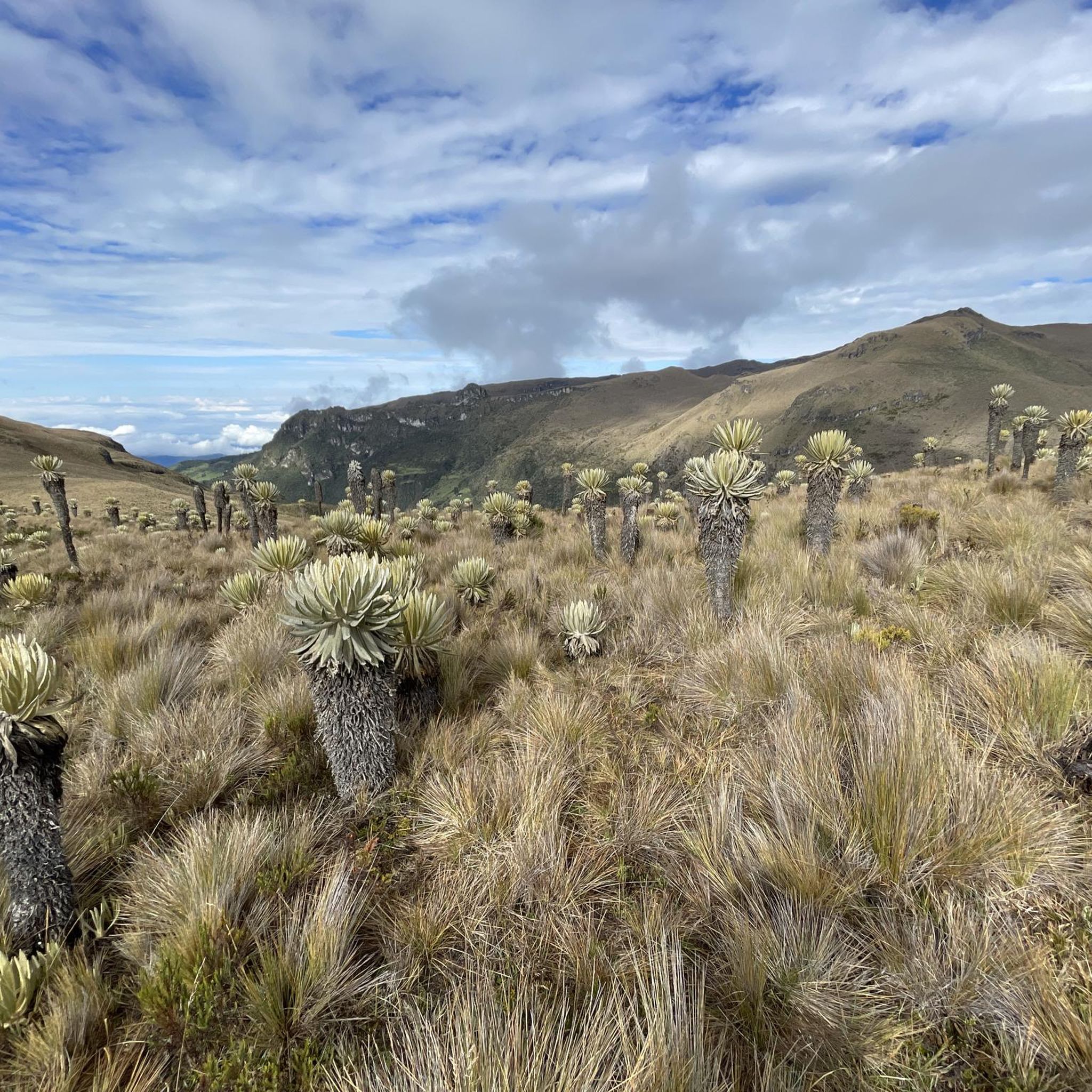
- The most popular attractions is Cocora Valley, a natural monument renowned for its towering wax palms, a national symbol and protected species. It forms part of Los Nevados National Natural Park, preserving its unique flora and fauna.
- Another must-see spot is Puentes y sendas del valle del Cocora, a trail along the Quindío River. The path offers a rustic experience, allowing enjoyment of nature.
- Visitors also love Small waterfall on the Quindío river, a tranquil spot surrounded by Andean forest and tall wax palms. It is easily reached by following the trail that runs alongside the river.
- Ibagué is known for its natural features, historical landmarks, and cultural sites. The region offers a variety of attractions to see and explore, from botanical gardens and waterfalls to museums and theaters.
- The attractions in Ibagué are appreciated by the komoot community, with 8 highlights and more than 150 upvotes.
Last updated: July 2, 2026
Cocora Valley
Highlight • Natural Monument
Waterproof footwear and warm clothing are recommended, as the terrain is often damp year-round.
Translated by Google •
Tip by

Puentes y sendas del valle del Cocora
Highlight (Segment) • Trail
Translated by Google •
Tip by

Sign up now to discover places like this
Get recommendations on the best single tracks, peaks, & plenty of other exciting outdoor places.
Sign up for free
Small waterfall on the Quindío river
Highlight • Waterfall
Translated by Google •
Tip by
Finca La Montaña
Highlight • Mountain Hut
Translated by Google •
Tip by

Bosque de Palmas Trail
Highlight • Trail
Translated by Google •
Tip by
Sign up for free to discover even more attractions in Ibagué.
Sign up for free
Already have an account?
Start today with a free account
Your next adventure awaits.
Login or Signup

Tips from the Community

The bridges and paths („Puentes y sendas“) that lead hikers through the cloud forest ecosystem. Highlights of the hiking route Hanging bridges: The path along the Quindío River crosses several adventurous, mostly simple wooden bridges. Circular route: The classic hike takes about 5 to 6 hours (approx. 12 km) and leads through dense jungle, cloud forest, and open pastures with palm trees. Popular destinations along the route include the Reserva Natural Acaime (Home of the Hummingbirds) and Finca La Montaña at 2840m.
0
0
The Finca La Montaña, at an altitude of approx. 2,840 m above sea level, marks the highest point of the classic circular hiking trail in the Cocora Valley. Highest point (hiking trail): The Finca La Montaña is located at approx. 2,840 m. It often serves as a turning point or rest stop before the descent begins. The circular trail starts in the valley at about 2,400 m and overcomes an altitude difference of approx. 540 to 700 meters.
0
0
The Bosque de Las Palmas trail is part of Los Nevados National Natural Park and is known for the wax palms, up to 60 meters high, the national tree of Colombia. The route is classified as moderate. It is about 4.3 km long and takes an average of 1.5 to 2 hours. The trail leads through Andean landscapes and rainforest sections. As the ground can often be slippery and muddy, sturdy footwear and the use of hiking poles are recommended. There are several Miradores (viewpoints) along the way.
0
0
The Cocora Valley is primarily famous for the Quindío wax palm (Ceroxylon quindiuense), the national tree of Colombia. It is considered the tallest palm species in the world and can reach an impressive height of 60 to 80 meters. These palms grow very slowly and can live for over 300 years. The name "Cocora" probably comes from a princess of the Quimbaya culture and translates to "Star of Water".
0
0

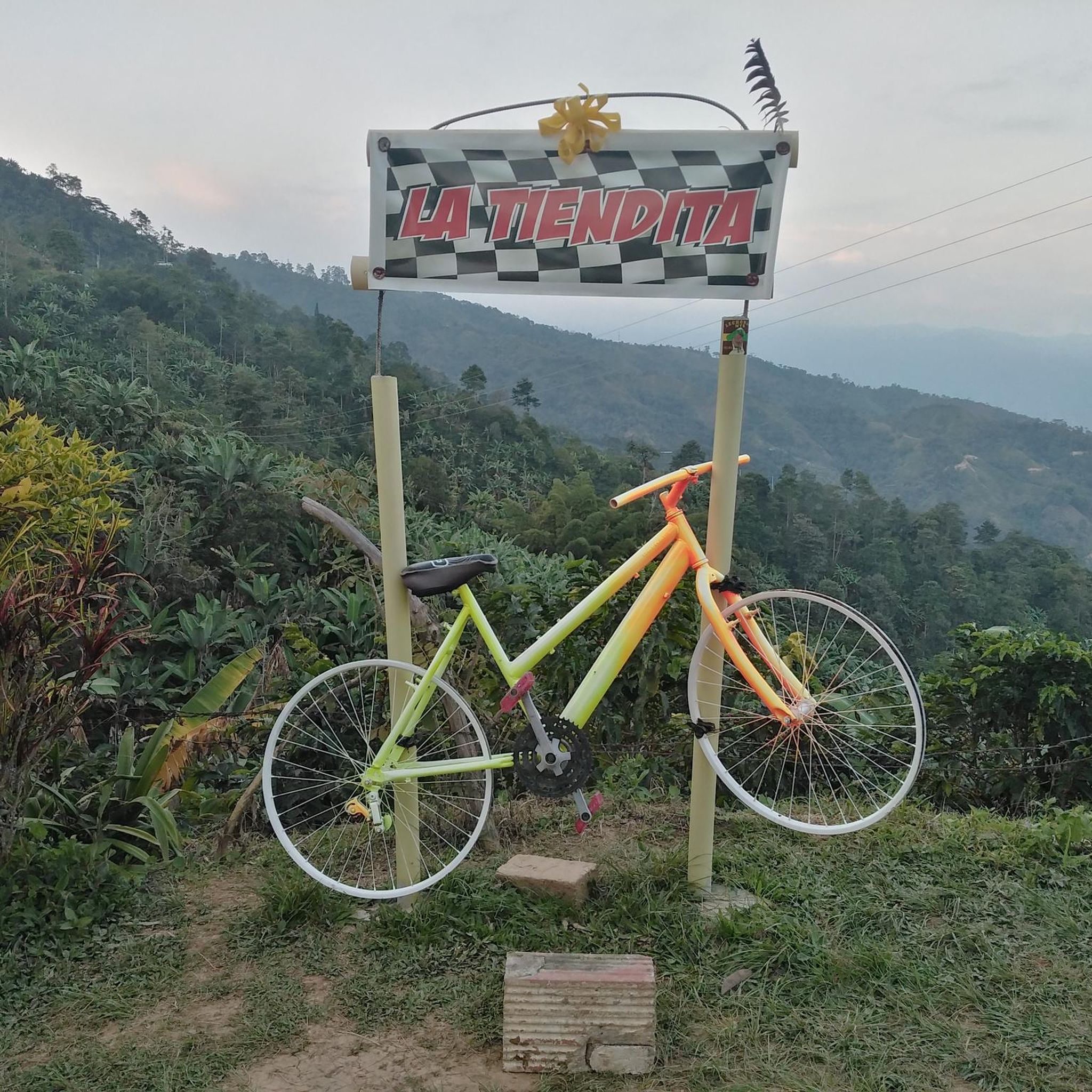
When the finca is open, you can stop here for refreshments and a drink. Unfortunately, the opening hours are unreliable. Although drinks are occasionally sold even when the finca is closed, we were not allowed to use the toilets even after offering a generous tip. Therefore, you should be prepared to hike the entire circular route without a toilet. Otherwise, drinks are available at the checkpoint between the finca and the Wachspalmen, or down in the valley between the forest and the checkpoint at the entrance.
0
0

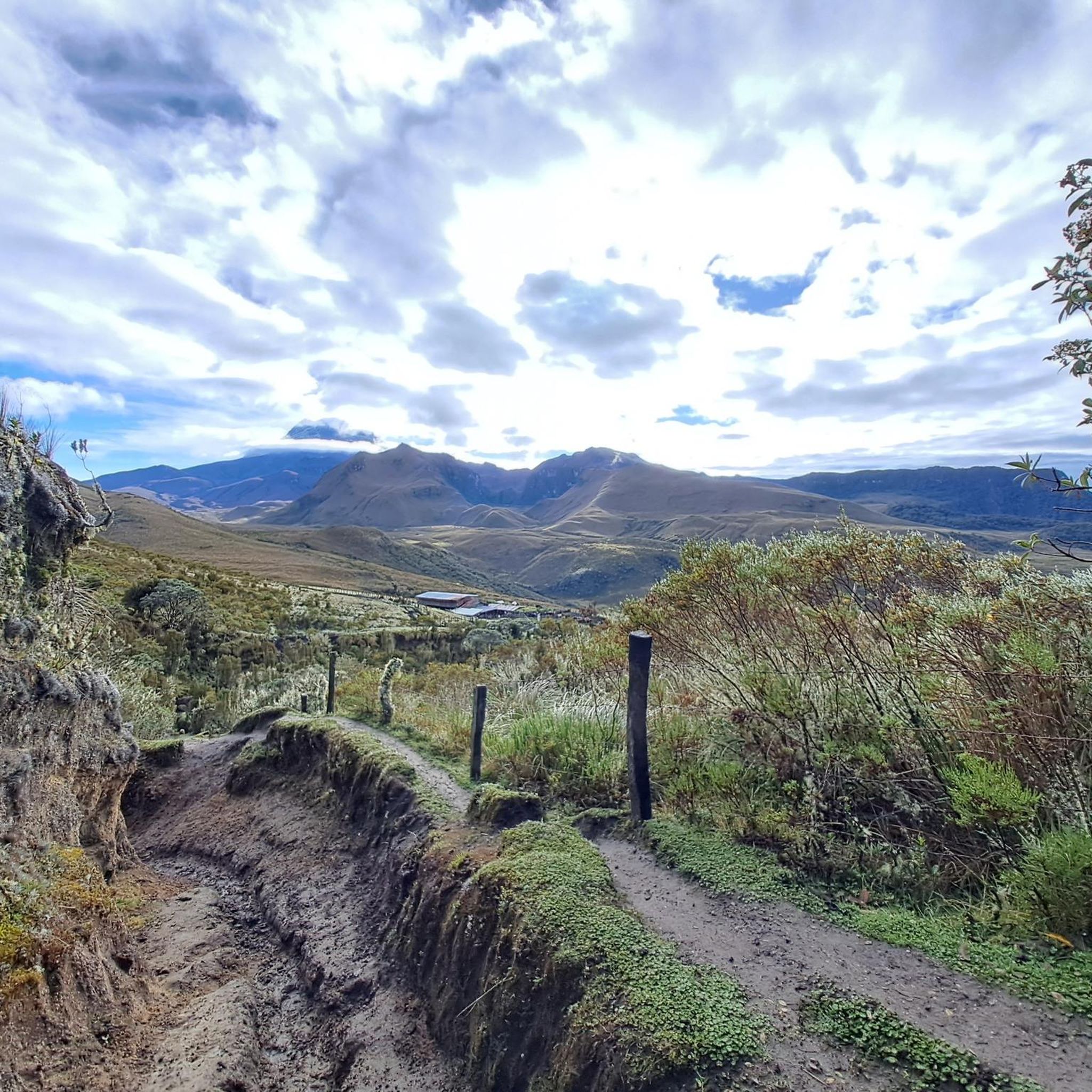
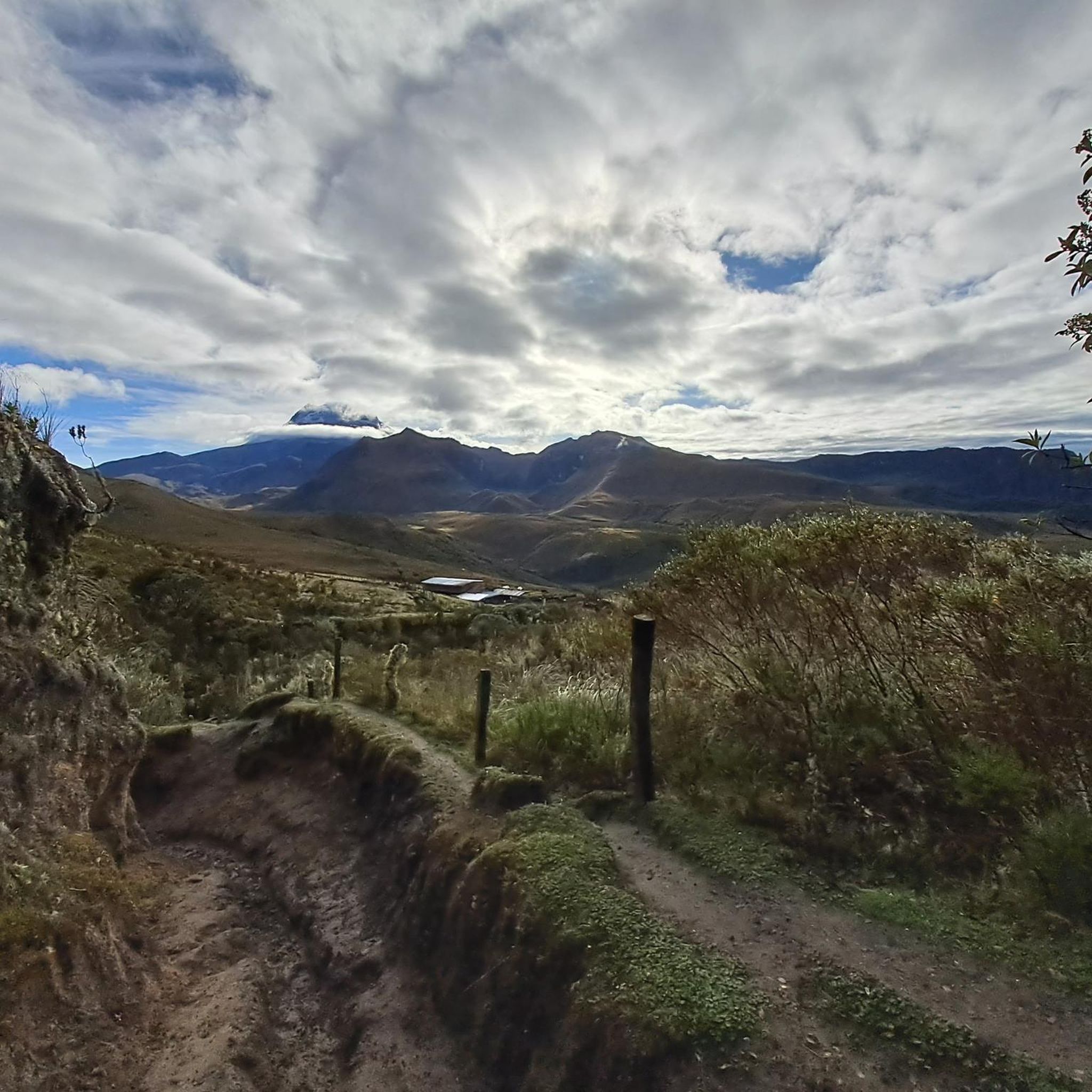
The Cocora Valley trail, along the Quindío River, is a hiker's paradise. The path is barely maintained, and the bridges are rudimentary; however, this adds a rustic touch to the experience and allows you to focus on enjoying nature in its purest form.
1
0

This is being marketed quite a bit here. You can hike, or, if you're feeling a bit lazier, get pulled along by horses.
5
0

The Cocora Valley Palm Forest Trail takes you through the famous wax palms, with sections of rainforest and rustic bridges that make the route very enjoyable. It's an ideal hike to appreciate the Andean landscape, but the terrain can be slippery and muddy, so good footwear and walking sticks are recommended. Perfect for those seeking an immersive hike in nature.
2
0
Frequently Asked Questions
What natural attractions can I explore in Ibagué?
Ibagué offers a wealth of natural beauty. You can visit the stunning Cocora Valley, famous for its towering wax palms and part of Los Nevados National Natural Park. The Cañón del Combeima (Combeima Canyon) is another major draw, featuring vast tropical forests, diverse wildlife, and numerous waterfalls. Other notable natural spots include the Jardín Botánico San Jorge, the Payandé Waterfalls, and Parque Museo La Martinica, which offers hiking and wildlife viewing just outside the city center.
Are there hiking opportunities near Ibagué's attractions?
Yes, Ibagué is an excellent base for hiking. The Cocora Valley offers several trails, including the Puentes y sendas del valle del Cocora, which follows the Quindío River, and the Bosque de Palmas Trail. For more challenging routes, you can explore options towards the Nevado del Tolima Base Camp or the Quindío Summit. You can find detailed hiking routes in the Hiking in Ibagué guide.
What historical landmarks should I visit in Ibagué?
Ibagué boasts several significant historical landmarks. The heart of the city is
Plaza de Bolívar, bordered by government buildings and the historic Catedral Inmaculada Concepción. Another must-see is the Panóptico de Ibagué, a former penitentiary transformed into a cultural complex showcasing the history and art of Tolima.
What cultural sites does Ibagué offer?
As the 'Musical Capital of Colombia,' Ibagué has a vibrant cultural scene. Key cultural sites include the Conservatorio del Tolima, a prestigious musical institution, and the Teatro Tolima, an iconic venue for performances. The Museo de Arte del Tolima exhibits diverse contemporary and traditional art. You can also visit Parque de la Música, a public space dedicated to music, and the Acoustic Shell (Garzón y Collazos acoustic shell) in Parque Centenario, which hosts many cultural events.
Are there family-friendly activities in Ibagué?
Yes, Ibagué offers several family-friendly options. The Payandé Waterfalls (Cascadas de Chicalá) are a popular destination for families, featuring seven waterfalls and natural pools perfect for swimming. Parque Museo La Martinica provides opportunities for ecotourism activities like hiking and wildlife viewing in a natural reserve close to the city. Additionally, the city's parks, such as Parque Centenario, offer pleasant green spaces for relaxation and play.
What is the best time of year to visit Ibagué?
Ibagué generally has a pleasant climate year-round due to its altitude. However, for outdoor activities, the drier months are typically preferred. The city also hosts major cultural events like the National Festival of Colombian Music in March and the Colombian Folkloric Festival in June, which can be excellent times to visit for cultural immersion.
Are there any specific permits or fees for natural attractions?
Some natural attractions may require entrance fees. For instance, the Misty Forest Waterfall, accessible from the Cocora Valley, is located on private property and requires an entrance fee. It's advisable to check local information or with tour operators for specific permit or fee requirements for other natural reserves or national parks.
What should I wear for outdoor activities in Ibagué?
Given the Andean forest environment and frequent rains, especially in areas like the Cocora Valley, it is highly recommended to wear waterproof footwear and warm clothing. The terrain can be damp and muddy, so good hiking boots are essential. A rain jacket is also advisable to be prepared for sudden weather changes.
Are there any less crowded natural spots or 'hidden gems' near Ibagué?
While popular spots like the Cocora Valley can be busy, you might find more tranquility at places like Parque Museo La Martinica, a nature reserve just ten minutes from the city center offering hiking and panoramic views. The Payandé Waterfalls are also a local favorite for swimming and relaxation. For a unique experience, consider exploring the La Plata Ecotourism Park within the Combeima Canyon, known for its 32 waterfalls, including the impressive 490-meter-high La Plata waterfall.
What do visitors enjoy most about the natural attractions in Ibagué?
Visitors frequently praise the stunning natural beauty and immersive experiences. For instance, the Cocora Valley is beloved for its iconic wax palms and the unique Andean forest landscape. Hikers particularly enjoy the rustic trails along the Quindío River, appreciating the raw, untouched nature and the serene atmosphere of spots like the Small waterfall on the Quindío river.
Can I go cycling near Ibagué's attractions?
Yes, Ibagué offers various cycling opportunities. You can find routes for road cycling and touring bicycles in the region. For example, there are challenging road cycling routes like the 'Alto de La Línea' or more moderate touring bicycle routes such as 'Cañón de Combaima – Pastales Juntas loop'. Detailed routes and guides are available in the Road Cycling Routes in Ibagué and Cycling in Ibagué guides.
Most popular attractions in Ibagué

Get inspired with the komoot mobile app


Explore more
Still not found the Highlight you’re looking for? See guides of the top attractions in other regions:
