Top 12 Castles around Auhagen
Best castles around Auhagen are found in the surrounding region, as Auhagen itself is primarily known for model building kits. This area of Auhagen, Germany, features several notable castles and manors that offer insights into local history and architecture. These historical sites are often set amidst natural landscapes, providing opportunities for exploration and cultural engagement. The region offers a mix of former residences, open-air museums, and private estates.
Best castles around Auhagen
- The most popular castles is Remeringhausen Manor, a castle that is a historic Weser Renaissance estate. This property has been family-owned for 22 generations and frequently hosts public events.
- Another must-see spot is Rodenberg Castle and Open-Air Museum, a castle and museum. Visitors can explore the "museum island" surrounded by a moat, which houses the Ständehaus with an exhibition on regional history.
- Visitors also love Hagenburg Castle and Park, a small castle that served as a summer residence for the House of Schaumburg-Lippe. It is connected to the Steinhuder Meer by a 1.2-kilometer canal.
- Auhagen is known for historical castles, manors, and estates. The variety of castles to see and explore includes former residences, sites with open-air museums, and private properties.
- The castles around Auhagen are appreciated by the komoot community, with more than 2100 upvotes and over 580 photos shared.
Last updated: July 6, 2026
Wooden bridge at Hagenburg
Highlight • Bridge
Translated by Google •
Tip by

Stadthagen Castle
Highlight • Castle
Translated by Google •
Tip by

Sign up now to discover places like this
Get recommendations on the best single tracks, peaks, & plenty of other exciting outdoor places.
Sign up for free
Wichtringhausen Manor
Highlight • Historical Site
Translated by Google •
Tip by

Hagenburg Castle and Park
Highlight • Castle
Translated by Google •
Tip by

Rodenberg Castle and Open-Air Museum
Highlight • Castle
Translated by Google •
Tip by

Sign up for free to discover even more castles around Auhagen.
Sign up for free
Already have an account?
Start today with a free account
Your next adventure awaits.
Login or Signup

Tips from the Community

A perfect place for a relaxing walk or a restful break in nature.
8
0

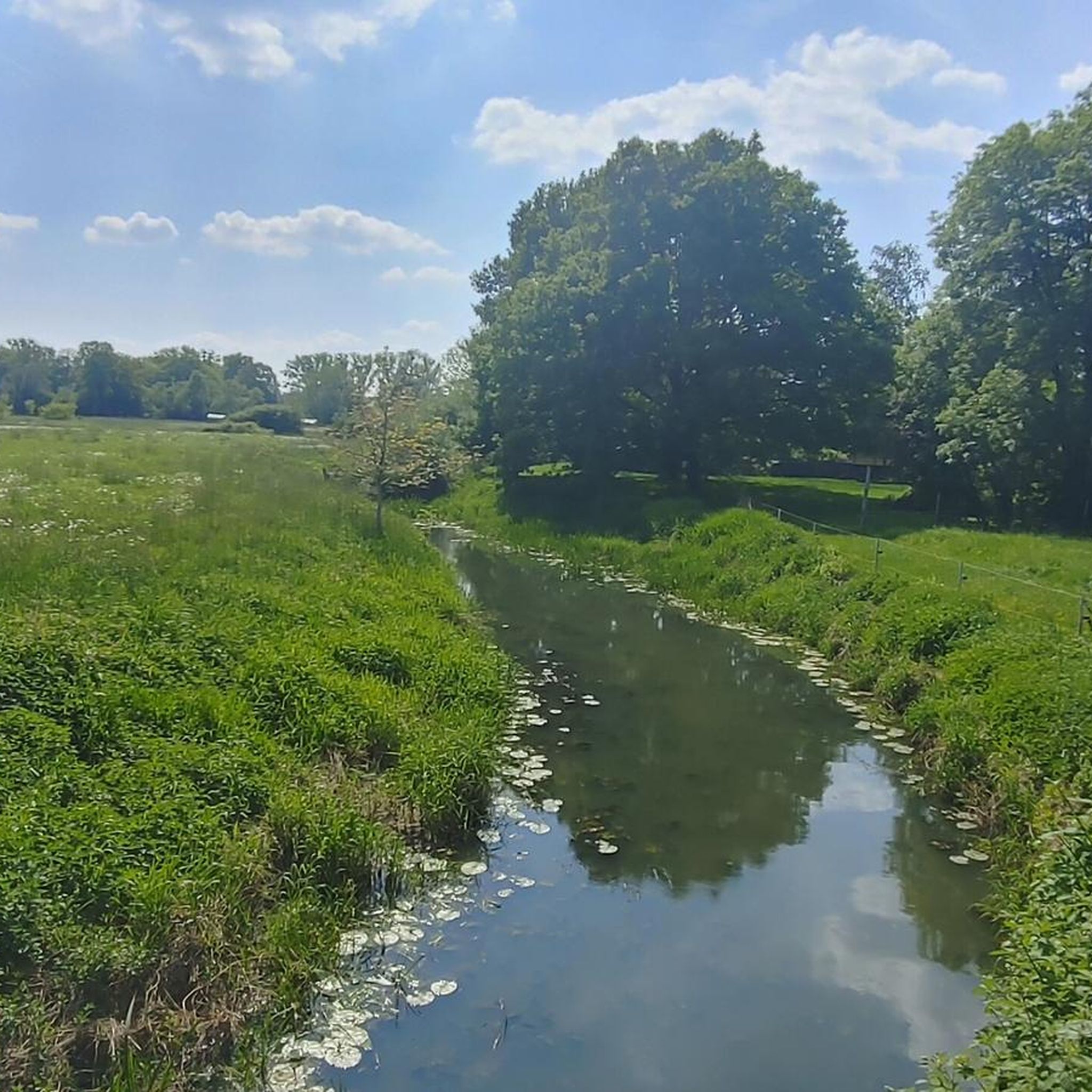
On the round trip around Lake Steinhude you also follow the Hagenburg Canal for a while or even cross it
8
0

The size of this castle surprised me. Viewing only with a completed tax return and correct tax number 😉
2
0

The open-air museum is located on the site of the former Rodenberg Castle, which was later converted into a palace. This "museum island" is surrounded by a moat and houses the Ständehaus, the only surviving building of the old palace, which was badly damaged by fire in 1859. In the Ständehaus there is an exciting exhibition to discover that brings the history of the region to life.
1
0

Stadthagen Castle, belonging to the then-ruling counts and later princely house of Schaumburg-Lippe, was built between 1535 and 1539 by Count Adolf XI in Stadthagen on the site of a predecessor structure. This was a moated castle built in 1224 by Count Adolf III of Schaumburg in a clearing in the Dülwald forest. First documented in 1244, the castle must have been part of the town's founding from the very beginning, as its two streets were aligned with it. Extensive construction work is documented for the period around 1300. In 1304, a "house" is mentioned in the castle. In 1406, three castle guards are mentioned. The 15th-century gatehouse was later incorporated into the west wing of the castle. The new castle building, beginning in 1535, was planned and built by master builder Jörg Unkair, who came from Lustnau near Tübingen and had previously worked at the Cistercian monastery of Bebenhausen. He himself selected Obernkirchen sandstone from the Bückeberg near Obernkirchen. The residential palace was designed as a spacious, square, four-winged complex, with its northwest corner open to the town. The dormer windows and wing gables – Italian gables – resemble those of the Schelenburg near Osnabrück, which Unkair had previously built. However, since in Stadthagen, unlike at Schelenburg, he did not have to consider the medieval castle remains, the palace appears welcoming both internally and externally. It was built purely as a residential palace, without any military functions. After its completion in 1539, the Schaumburg state government moved in the following year; the tax and finance authorities also had their headquarters here. In 1608, the government and residence of the Schaumburg counts were relocated to Bückeburg. Later, the palace served as a widow's residence and the residence of the Crown Prince. A comprehensive restoration took place in 1875. After the First World War, the castle became the property of the newly founded Free State of Schaumburg-Lippe in 1919, and of the state of Lower Saxony since 1946. The castle is considered the oldest and most influential Weser Renaissance monument in Lower Saxony. Source: https://de.wikipedia.org/wiki/Schloss_Stadthagen
4
0
The later manor emerged from one or more farms. The two-story manor house is striking, surrounded by a wide moat and accessible via three bridges. The basement and ground floor are made of quarry stone masonry - largely unplastered - while the high upper floor is a half-timbered building with plastered compartments. The building was probably built in the 16th century. As a half-timbered building, it is one of the older manor houses in the Calenberger Land. Beginning of the 17th century. The (first) renovations have been carried out, which is indicated by a bay window on the east side designed in the Renaissance style with "1611" as the year of construction. In 1866, further renovations were carried out in the neo-Gothic style, with parts of the external masonry being massively replaced and the stone stair tower, a gallery, a bay window and a turret being added. The manor includes a spacious park with old trees. The avenue that begins behind the park and leads to the Munzeler Mark forest is remarkable. The manor goes back to property owned by the Counts of Schaumburg, who gave it out as a fiefdom. This was associated with a seat in the knight's curia of the Calenberg state estates (state parliament) and exemption from the sovereign's service obligations. In 1743 Georg Reinhard Langwerth v. Simmern, ancestor of the current owners, the manor. Source: https://www.barsinghausen.de/portal/seiten/wichtringhausen-903000177-20002.html
1
0

Very nice to go for a walk. Cafe Lusthaus in the immediate vicinity
2
0

The fireplace hall is used as an event location. Today the tax office is in here. A visit is therefore not possible.
2
0
Frequently Asked Questions
Where are the main castles located, as Auhagen itself doesn't have any?
While Auhagen is known for model building kits, the notable castles and manors are located in the surrounding region. You'll find them in areas like Hagenburg, Rodenberg, and near Stadthagen.
What kind of historical insights can I gain from visiting castles near Auhagen?
You can explore sites like Rodenberg Castle and Open-Air Museum, where the Ständehaus offers an exhibition bringing the region's history to life. Hagenburg Castle served as a summer residence for the House of Schaumburg-Lippe, providing a glimpse into aristocratic life.
Are there any castles around Auhagen that are particularly family-friendly?
Yes, several castles offer family-friendly experiences. The Rodenberg Castle and Open-Air Museum is a great option with its 'museum island' and historical exhibition. Remeringhausen Manor also hosts public events that are often suitable for families, and its park is ideal for strolling.
What natural features can I enjoy near these castles?
Hagenburg Castle and Park is connected to the Steinhuder Meer by a 1.2-kilometer canal, offering scenic views and a beautiful park with rhododendrons and pyramidal oaks. Remeringhausen Manor features expansive parks and meadows perfect for leisurely walks.
Are there opportunities for outdoor activities like hiking or cycling near the castles?
Absolutely. The region around Auhagen offers various outdoor activities. You can find numerous hiking routes, road cycling routes, and running trails. For instance, Hagenburg is an ideal starting point for a bike ride around the Steinhuder Meer.
What do visitors enjoy most about the castles around Auhagen?
Visitors appreciate the blend of history and natural beauty. Many enjoy the beautiful properties and parks, like the one at Remeringhausen Manor, which invites strolling and discovering small details. The historical exhibitions, such as at Rodenberg Castle, are also highly valued for bringing regional history to life.
Is there parking available at the castles?
Yes, for example, Hagenburg Castle and Park offers parking facilities for visitors.
Can I visit the castles with my dog?
While specific dog policies vary by location, many of the surrounding natural areas and parks, such as those around Hagenburg Castle and Remeringhausen Manor, are generally suitable for walks with dogs, especially on trails and in open park areas. It's always best to check individual venue rules for interior access.
Are there any less crowded castles to visit for a quieter experience?
While popular, places like Wichtringhausen Manor might offer a more tranquil experience, especially outside of event days. Its cultural significance makes it a worthwhile, perhaps less bustling, sight to explore.
What is the best time of year to visit the castles around Auhagen?
The spring and summer months are ideal for enjoying the parks and outdoor areas, such as the rhododendron avenue at Hagenburg Castle or the meadows at Remeringhausen Manor. Many public events also take place during these seasons. Autumn can offer beautiful foliage, while winter provides a quieter, often picturesque, atmosphere.
Are there any castles that host special events?
Remeringhausen Manor is well-known as an event location, frequently hosting public events such as British weekends or park walks that perfectly fit its historic ambiance.
Can I find food and drink options near the castles?
While specific cafes or pubs directly adjacent to every castle might vary, the towns and villages where these castles are located, such as Hagenburg and Rodenberg, offer local dining options. For example, Wichtringhausen Manor even has a wine tasting room and wine sales.
Most popular routes around Auhagen
Most popular attractions around Auhagen

Get inspired with the komoot mobile app


Explore more
Looking for the best castles somewhere else? Discover other guides around Auhagen:
