Attractions and Places To See in San Agustín - Top 19
Best attractions and places to see in San Agustín are found in the Huila Department of Colombia, a region recognized for its archaeological wonders and natural landscapes. It is known as the archaeological capital of Colombia, home to pre-Columbian megalithic sculptures and religious monuments, and a UNESCO World Heritage Site. The area features the Magdalena River, Andean countryside, and various natural points of interest. This makes San Agustín a destination for those interested in history, culture, and nature.
Best attractions and places to see in San Agustín
- The most popular attractions is San Agustín Archaeological Park, a historical site that contains the largest collection of religious monuments and megalithic sculptures in Latin America. It is considered the world's largest necropolis and was declared a UNESCO World Heritage Site in 1995.
- Another must-see spot is Anthropomorphic Tomb Guardian of El Purutal, San Agustín, a historical site. This small archaeological site features tomb guardians with visible original painting.
- Visitors also love Lavaplatos Fountain, a historical site. This religious monument is carved into the stone bed of a stream, featuring intricate channels and figures.
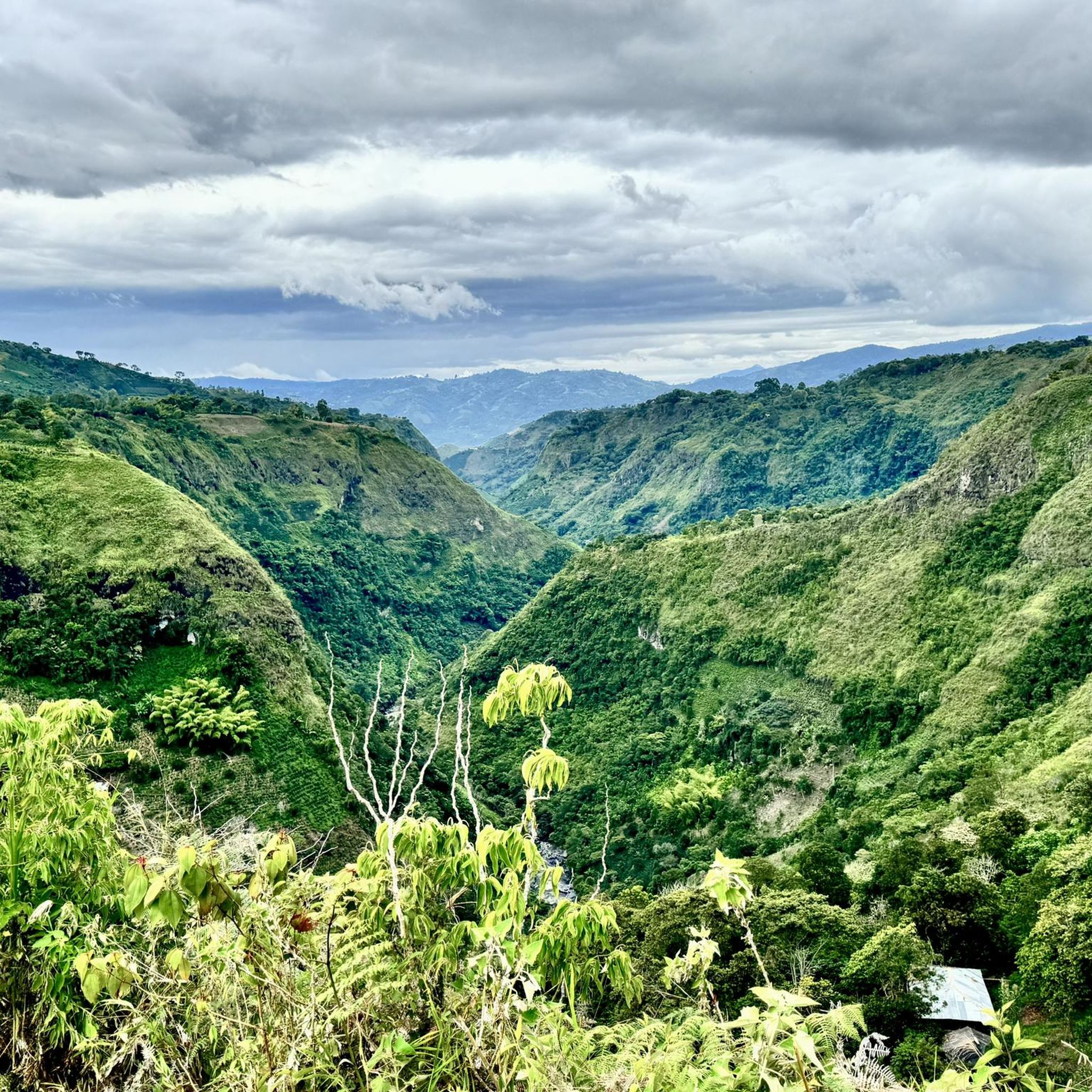
- San Agustín is known for its ancient archaeological sites, natural river features, and impressive waterfalls. The region offers a variety of attractions to see and explore, from pre-Columbian sculptures to the narrowest point of the Magdalena River.
- The attractions in San Agustín are appreciated by the komoot community, with 9 upvotes and 14 photos shared by visitors.
Last updated: July 4, 2026
San Agustín Archaeological Park
Highlight • Historical Site
Translated by Google •
Tip by

Ecolodge Chalet at Finca El Maco
Highlight • Mountain Hut
Translated by Google •
Tip by

Sign up now to discover places like this
Get recommendations on the best single tracks, peaks, & plenty of other exciting outdoor places.
Sign up for free
Anthropomorphic Tomb Guardian of El Purutal, San Agustín
Highlight • Historical Site
Translated by Google •
Tip by

Lavaplatos Fountain
Highlight • Historical Site
Translated by Google •
Tip by
Magdalena River Gorge
Highlight • Gorge
The Cordillera in the San Agustín area is a special watershed. Within a few kilometers it is decided whether the water will flow into the Pacific (Rio Cauca), down the Amazon basin or over the Rio Magdalena into the Atlantic.
Translated by Google •
Tip by
Sign up for free to discover even more attractions in San Agustín.
Sign up for free
Already have an account?
Start today with a free account
Your next adventure awaits.
Login or Signup
Popular around San Agustín
Tips from the Community

The archaeological park of San Augustin contains the most stone sculptures. Enormous tombs, demons carved from volcanic rock, and an enigmatic cult spring bear witness to a centuries-old advanced civilization amidst lush green vegetation.
5
0
Much remains unexplored, but there are already many clues about the culture of that time.
5
0

A tour suggestion off the beaten tracks: https://www.komoot.de/tour/1122261737
1
0
The Magdalena Strait is the narrowest part of the river at 2.20 m, after 70 km on the way from the source to the mouth. The slopes consist of more than 70 million years old compacted lava from the volcanoes of "Pelota" and "Purutal". The reddish color of some rocks is due to the presence of iron sulphate in the area. In some rocks there are 120 million year old sea shells, so-called ammonites. It is considered a sacred place and most indigenous people built their villages along rivers such as the Magdalena.
1
0
The Magdalena Strait is the narrowest part of the river at 2.20 m, after 70 km on the way from the source to the mouth. The slopes consist of more than 70 million years old compacted lava from the volcanoes of "Pelota" and "Purutal". The reddish color of some of the rocks is due to the presence of iron sulphate in the area. In some rocks there are 120 million year old sea shells, so-called ammonites. It is considered a sacred place and most indigenous people built their villages along rivers such as the Magdalena. Also accessible by horseback riding.
0
0
European-run hotel that also organizes cycling excursions and trips. At the reception you will find a folder with tour suggestions also in English and German. Nice accommodations in all price ranges and a good kitchen. Cultural events and concerts take place regularly in the nearby Club Maco.
2
0
It's hard to believe that a river more than 1500km long can fit through such a narrow gap (about 2m). But that's how he gets strong and vigorous for his long voyage into the Atlantic. The Cordillera in the San Agustín area is a special watershed. Within a few kilometers it is decided whether the water will flow into the Pacific (Rio Cauca), down the Amazon basin or over the Rio Magdalena into the Atlantic.
4
0
Just as mystical as the story of the stone figures and tombs in the Archaeological Park is the story of the Lavaplatta spring with its figures, ornaments and water basins.
2
0
Frequently Asked Questions
What are the main archaeological sites to visit in San Agustín?
The primary archaeological attraction is the San Agustín Archaeological Park, a UNESCO World Heritage Site. It features the largest collection of religious monuments and megalithic sculptures in Latin America, including areas like Las Mesitas, Fuente de Lavapatas, and the Bosque de las Estatuas. Beyond the main park, you can also explore Alto de los Ídolos and Alto de las Piedras near Isnos, which house well-preserved funerary structures and impressive statues.
Can I see pre-Columbian sculptures with their original colors?
Yes, you can! The Anthropomorphic Tomb Guardian of El Purutal, San Agustín is a notable site where you can see tomb guardians with clearly visible original painting. Another site, La Pelota, also features ceremonial mounds and statues that still retain their original colors, offering a glimpse into their ancient appearance.
What natural wonders can I explore in the San Agustín region?
The region is rich in natural beauty. A must-see is the Magdalena River Gorge, where Colombia's largest river narrows to just two meters wide. You can also visit impressive waterfalls like Salto de Bordones, one of Colombia's tallest free-falling waterfalls, Salto del Mortiño, and Los Tres Chorros.
Are there opportunities for outdoor activities like hiking or cycling near the attractions?
Absolutely! The San Agustín area offers a variety of outdoor activities. You can find numerous routes for mountain biking, such as the 'Viewpoint of the Virgin Mary – Mirador La Muralla loop' or the 'Magdalena River Gorge loop'. Horseback riding is also a popular way to explore the countryside and reach more remote archaeological sites like La Chaquira, El Tablón, La Pelota, and El Purutal. For more detailed route information, check out the MTB Trails in San Agustín guide.
Is San Agustín a good destination for families?
Yes, San Agustín can be family-friendly, especially for those interested in history and nature. The archaeological parks offer open spaces for exploration, and activities like horseback riding can be enjoyable for older children. Some accommodations, like the Ecolodge Chalet at Finca El Maco, are noted as family-friendly and provide a comfortable base for exploring the area.
What is the best way to explore the archaeological sites and countryside?
Many visitors choose to explore the archaeological sites and surrounding countryside by hiring a local guide, which is highly recommended for understanding the history and significance of the statues. Horseback riding is a popular and scenic option for reaching sites like La Chaquira, El Tablón, La Pelota, and El Purutal. Taxis are also available for transport between the main sites and the town.
What is the best time of year to visit San Agustín?
San Agustín generally experiences a mild climate year-round due to its altitude. However, the drier months, typically from June to August and December to February, are often considered ideal for visiting, as they offer more comfortable conditions for exploring the outdoor archaeological parks and natural attractions.
Where can I find more information about the ancient San Agustín culture?
Within the San Agustín Archaeological Park, there is an Archaeological Museum that provides further insight into the San Agustín culture, its history, and the significance of the artifacts found. Additionally, the UNESCO World Heritage website offers information on the site's importance: UNESCO World Heritage Site: San Agustín Archaeological Park.
Are there any unique accommodations or places to stay in San Agustín?
Yes, for a unique experience, consider staying at an ecolodge or finca. The Ecolodge Chalet at Finca El Maco is highly rated for its design, spacious chalets, and tranquil setting amidst nature, offering an oasis of calm and relaxation. It's also conveniently located for walking to the Archaeological Park and the center of San Agustín.
What kind of local experiences can I have beyond the archaeological sites?
Beyond the ancient ruins, you can visit local coffee farms to learn about coffee production, explore the charming town of San Agustín with its cafes and restaurants, or even experience adrenaline-pumping rafting along the Magdalena River. The nearby village of Isnos is also known for its panela production and additional archaeological sites.
What is the significance of the Lavapatas Fountain?
The Lavapatas Fountain is a unique religious monument carved into the natural stone bed of a stream within the San Agustín Archaeological Park. It features intricate channels, figures, and basins, believed to have been used for ritualistic purposes. Its mystical nature and detailed carvings offer a fascinating glimpse into the spiritual practices of the ancient San Agustín culture.
Most popular routes in San Agustín
Most popular attractions in San Agustín

Get inspired with the komoot mobile app


Explore more
Still not found the Highlight you’re looking for? See guides of the top attractions in other regions:
