The best road cycling routes in Aquitania
5.0
(36)
300
riders
2
rides
Road cycling in Aquitania, officially Nouvelle-Aquitaine, offers diverse terrain across its vast landscapes. The region features an extensive Atlantic coastline, the foothills of the Pyrenees, and Europe's largest man-made forest, the Landes Forest. Cyclists can explore scenic river valleys like the Dordogne, renowned vineyards of Bordeaux, and rolling hills and plateaus inland. This varied topography provides a range of road cycling experiences, from coastal routes to more challenging climbs.
Best road cycling routes in Aquitania
- The most popular road cycling…
Last updated: July 1, 2026
5.0
(22)
80
riders
63.2km
03:43
1,020m
1,020m
Hard road ride. Very good fitness required. Some segments of this route may be unpaved and difficult to ride.
5.0
(2)
71
riders
79.9km
05:11
1,390m
1,390m
Hard road ride. Very good fitness required. Some segments of this route may be unpaved and difficult to ride.

Sign up for free
5.0
(4)
62
riders
55.0km
03:20
580m
580m
Moderate road ride. Good fitness required. Some segments of this route may be unpaved and difficult to ride.
5.0
(1)
44
riders
57.5km
03:25
1,320m
1,320m
Hard road ride. Very good fitness required. Mostly well-paved surfaces and easy to ride.
5.0
(7)
27
riders
52.7km
02:38
850m
850m
Moderate road ride. Good fitness required. Mostly well-paved surfaces and easy to ride.
Our route recommendations are based on thousands of hikes, rides, and runs completed by other people on komoot.
Start today with a free account
Your next adventure awaits.
Login or Signup
Popular around Aquitania
Tips from the Community

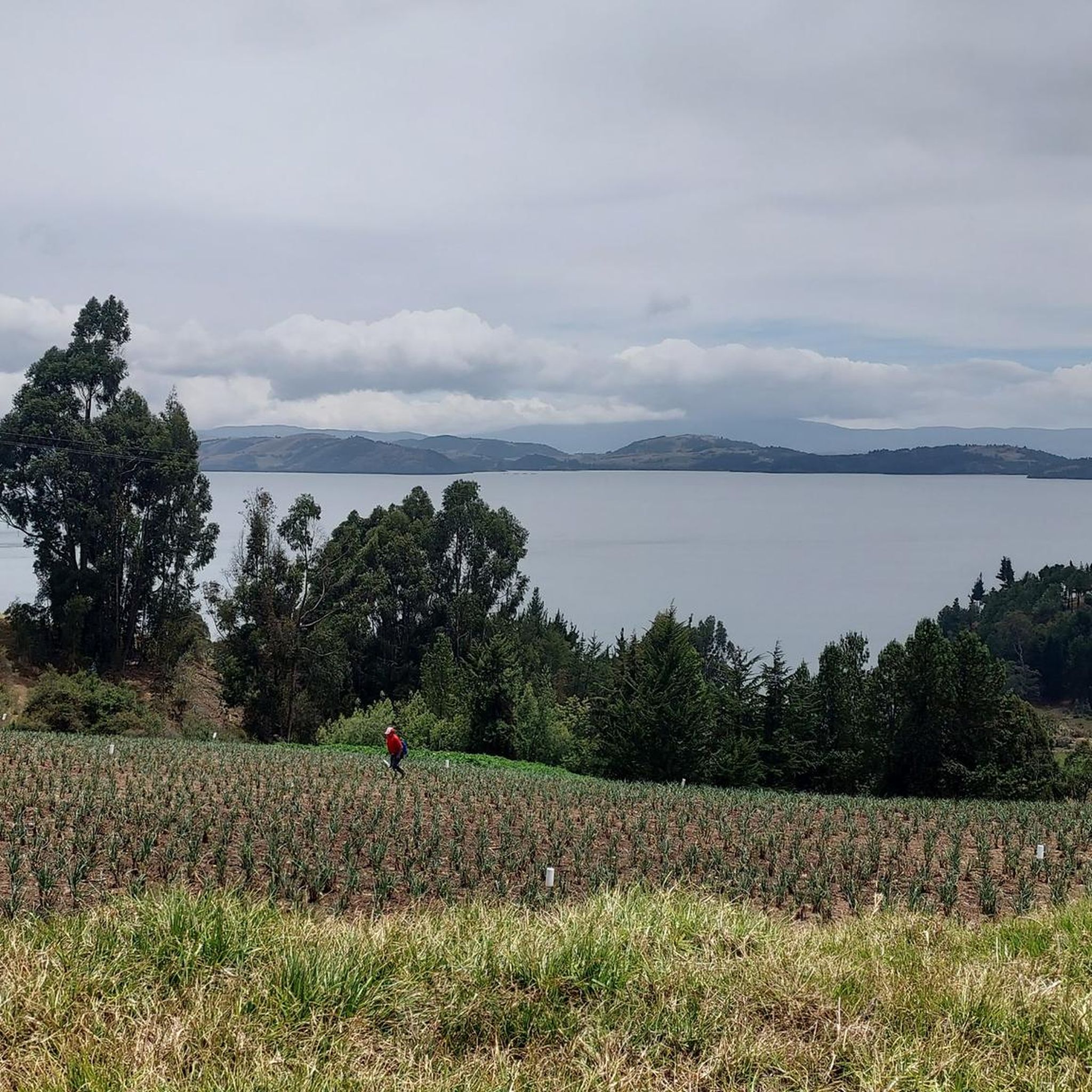
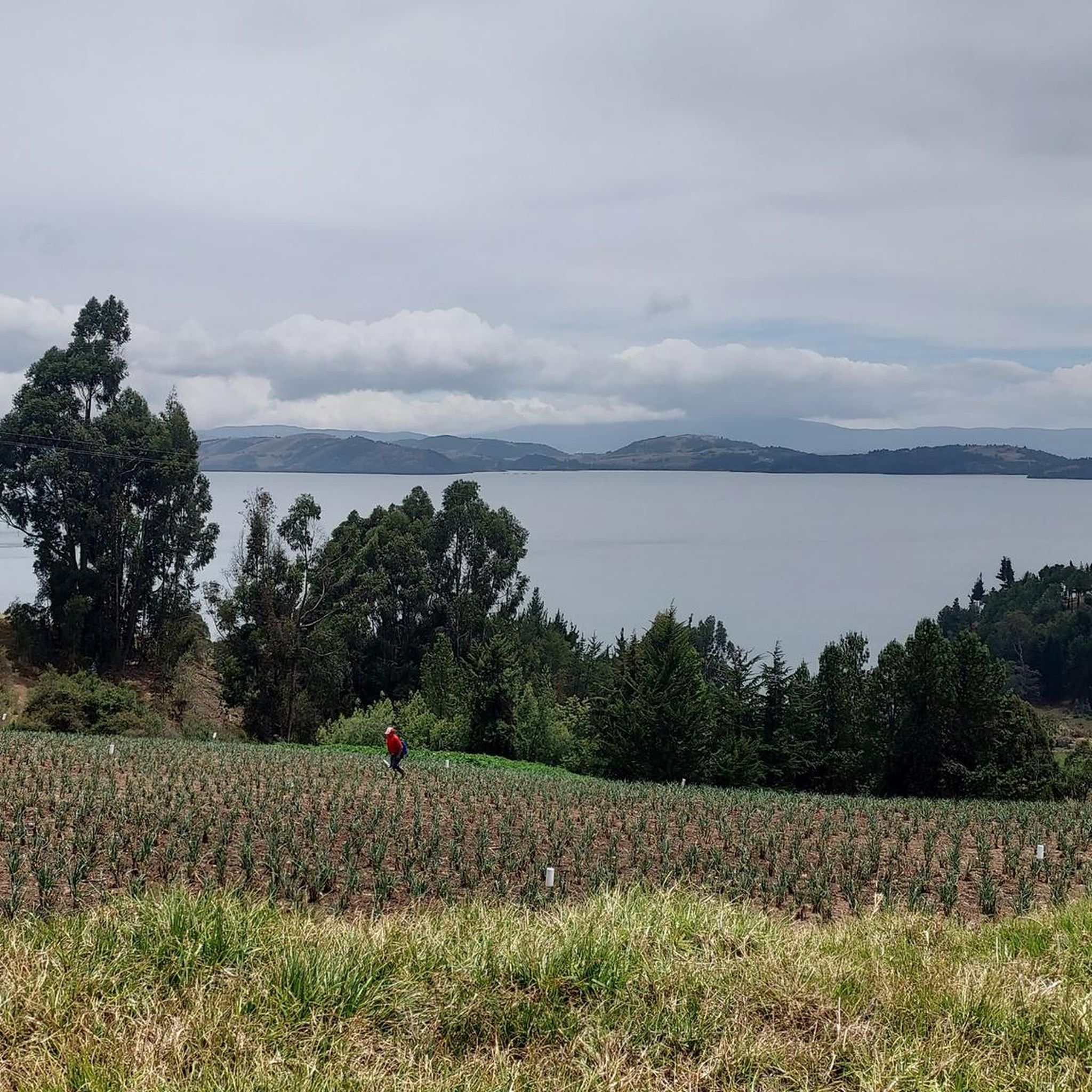
Beautiful panoramic view of the Tota lagoon. Lake located at 3000 meters above sea level.
0
0
Meeting point to go out by bike
0
0
Grocery store. Excellent attention. Special for thirsty cyclists coming down from Torá Lagoon
0
0
Mythical port very visited by road and mountain cyclists. Elevation of 2900 meters above sea level. Completely paved section from Firavitoba. From Paipa there are still some segments to be paved.
1
0


This climb starts in Sogamoso and will take you to Tota Lake (unless you want to take the other way) the segment is about 16km at 5%.
0
0
Frequently Asked Questions
What types of terrain can I expect when road cycling in Aquitania?
Aquitania, or Nouvelle-Aquitaine, offers a remarkably diverse landscape for road cyclists. You can expect everything from flat, extensive coastal paths along the Atlantic, rolling hills and plateaus inland, to more challenging climbs in the foothills of the Pyrenees. The region also features vast pine forests, picturesque river valleys like the Dordogne, and scenic routes through the world-famous vineyards of Bordeaux and Cognac.
Are there road cycling routes suitable for beginners or families in Aquitania?
Yes, the region caters to all skill levels. While some routes feature significant elevation, there are many options for easier rides. You'll find traffic-free paths around lakes and through forests, as well as gentle, meandering routes through idyllic countryside and rural villages. The extensive cycling network includes sections of major European routes like the Vélodyssée, which often provide accessible, well-maintained paths.
What are some of the natural features I can explore while road cycling in Aquitania?
Aquitania is rich in natural beauty. Cyclists can ride along the extensive Atlantic coastline, explore the vast Landes Forest (Europe's largest man-made woodland), or traverse the tranquil wetlands of the Poitevin Marshes. To the south, the Pyrenees offer dramatic rocky landscapes and verdant hills. The region is also home to several major rivers, including the Garonne and Dordogne, providing scenic routes through their valleys.
What is the best time of year for road cycling in Aquitania?
The best time for road cycling in Aquitania is generally from spring to autumn. Spring offers pleasant temperatures and blooming landscapes, while autumn provides mild weather and beautiful fall colors, especially in the vineyards. Summer can be warm, particularly inland, but coastal routes benefit from sea breezes. Winter cycling is possible, especially in milder coastal areas, but some higher elevation routes may be less accessible.
What do other road cyclists enjoy most about cycling in Aquitania?
The komoot community highly rates road cycling in Aquitania, with an average score of 4.99 stars from over 30 reviews. Cyclists often praise the region's diverse terrain, which offers everything from challenging climbs to scenic, gentle rides. The well-developed cycling infrastructure and the opportunity to explore stunning natural features, historical sites, and vineyards are frequently highlighted as major draws.
Are there any challenging road cycling routes for experienced riders in Aquitania?
Absolutely. For experienced riders seeking a challenge, the region extends into the Pyrenees mountains, offering strenuous climbs and descents with peaks exceeding 2,000 meters. Routes like Lake Tota – Alto del Crucero loop from Iza, a difficult 39.3-mile (63.2 km) trail with significant elevation gain, provide a formidable test. Another demanding option is the Alto del Crucero – Lake Tota loop from Iza, a 49.6-mile (79.8 km) path known for sustained climbs.
What kind of amenities can I find along road cycling routes in Aquitania?
Aquitania's extensive cycling network often passes through charming rural villages and towns, where you can find cafes, restaurants, and local shops. In larger towns and cities like Bordeaux, there are abundant amenities. The region's focus on wine tourism also means many routes go through vineyards, offering opportunities for wine tastings and visits to châteaux. Accommodation options range from guesthouses to hotels, especially in popular tourist areas.
Can I find circular road cycling routes in Aquitania?
Yes, many road cycling routes in Aquitania are designed as loops, allowing you to start and end at the same point. For example, the El Guiol Grocery Store – Alto de Curies loop from Iza is a moderate 34.2-mile (55.0 km) trail through rolling hills. Other popular loops include the Lake Tota – Alto del Crucero loop from Hotel Decameron - Refugio Santa Ines and the Lake Tota loop from Mi Rinconsito Boyacense, offering diverse experiences.
Are there any specific landmarks or points of interest to look out for on road cycling routes in Aquitania?
Yes, Aquitania is rich in landmarks and points of interest. Along your rides, you might encounter natural highlights such as Lake Tota or Laguna Negra. For scenic views, consider visiting Alto del Crucero or the View of Sogamoso from Alto Volador Cemetery. The region also boasts medieval villages, ancient castles, and the famous vineyards of Bordeaux, offering a blend of natural beauty and cultural heritage.
How extensive is the road cycling network in Aquitania?
Nouvelle-Aquitaine is renowned for its extensive cycling infrastructure, boasting over 4,200 km of marked routes. This includes sections of major European cycling routes like the Vélodyssée (EuroVelo 1) along the Atlantic coast, the Scandibérique (EuroVelo 3) following the Way of Saint James, and La Flow Vélo along the Charente River. This vast network ensures a wide variety of options for all types of road cyclists.
What are the options for public transport access to road cycling routes in Aquitania?
Public transport options vary across the vast region of Aquitania. Major cities like Bordeaux are well-connected by train, and some regional trains allow bicycles, though restrictions may apply during peak hours. Buses also serve many areas, but their capacity for bikes can be limited. It's advisable to check local transport provider websites for specific routes and bike policies when planning your trip to access trailheads.
Are there any specific considerations for dog-friendly cycling routes in Aquitania?
While many natural areas in Aquitania are welcoming, specific regulations for dogs on cycling paths can vary. In national parks or protected natural sites, dogs may need to be kept on a leash or might be restricted from certain areas. When cycling through rural areas or forests, always be mindful of local wildlife and livestock. It's best to research specific route guidelines if you plan to cycle with your dog.
Most popular routes in Aquitania
Most popular attractions in Aquitania

Get inspired with the komoot mobile app


Explore more
Browse the best Road cycling routes in other regions.
