Top 17 Castles around Bad Nenndorf
Castles around Bad Nenndorf include notable historical buildings that reflect the region's rich past. The town features "Das Schlösschen," a Neoclassical summer residence built in 1806 for Elector Wilhelm I of Hesse, located within the Kurpark. This building is characterized by its nearly cubic form and Doric colonnade, showcasing early 19th-century design. Today, it serves as a venue for events and offers accommodation, preserving its historical significance and elegant ambiance.
Best castles around Bad Nenndorf
- The most popular castles is…
Last updated: August 30, 2026
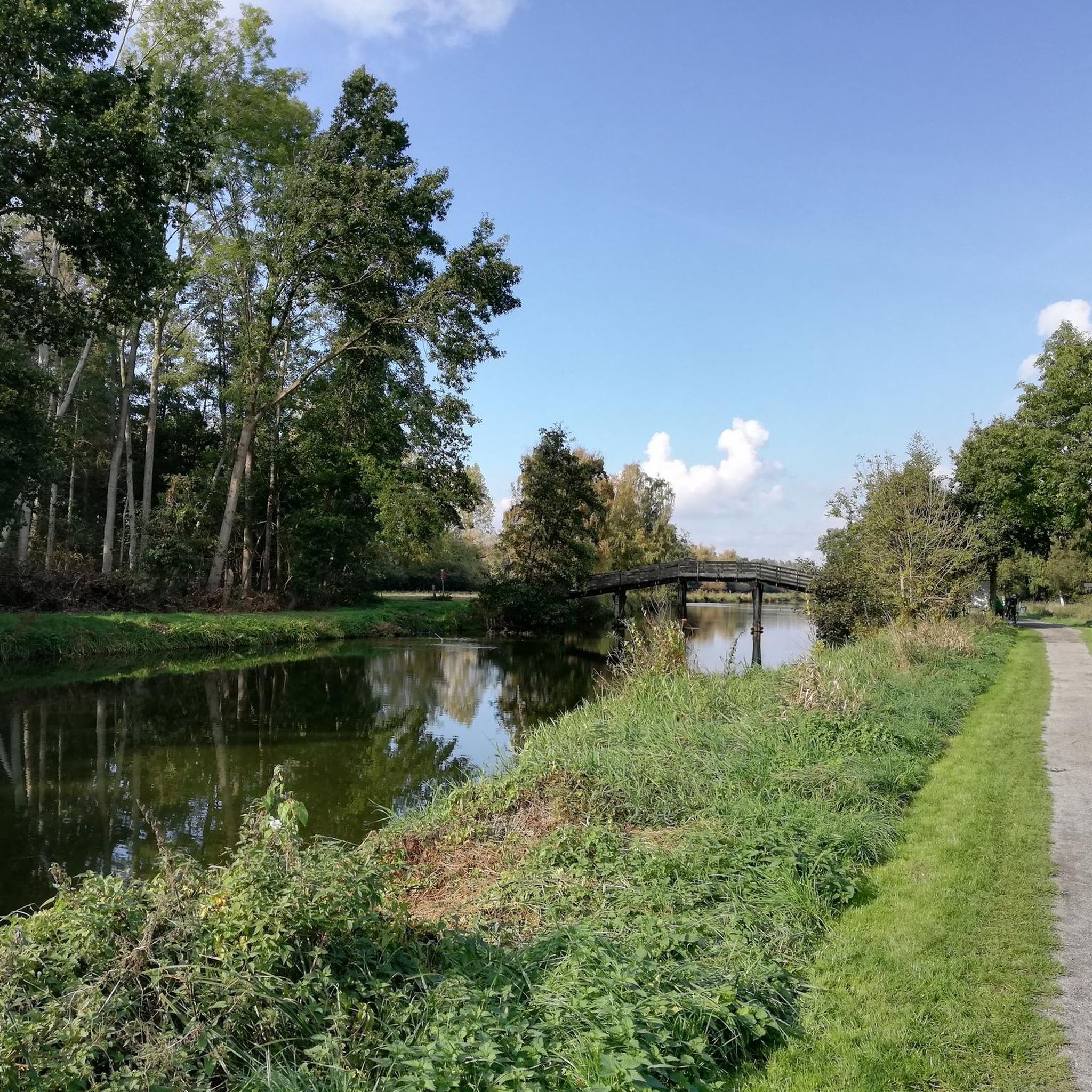
Wooden bridge at Hagenburg
Highlight • Bridge
Translated by Google •
Tip by

Hagenburg Canal
Highlight • River
In the summer months you can watch water bats hunting here.
Translated by Google •
Tip by

Sign up now to discover places like this
Get recommendations on the best single tracks, peaks, & plenty of other exciting outdoor places.
Sign up for free
Hülsede Water Castle
Highlight • Castle
Translated by Google •
Tip by

Stadthagen Castle
Highlight • Castle
Translated by Google •
Tip by

Heisterburg Ruins
Highlight • Historical Site
Translated by Google •
Tip by

Sign up for free to discover even more castles around Bad Nenndorf.
Sign up for free
Already have an account?
Start today with a free account
Your next adventure awaits.
Login or Signup
Popular around Bad Nenndorf
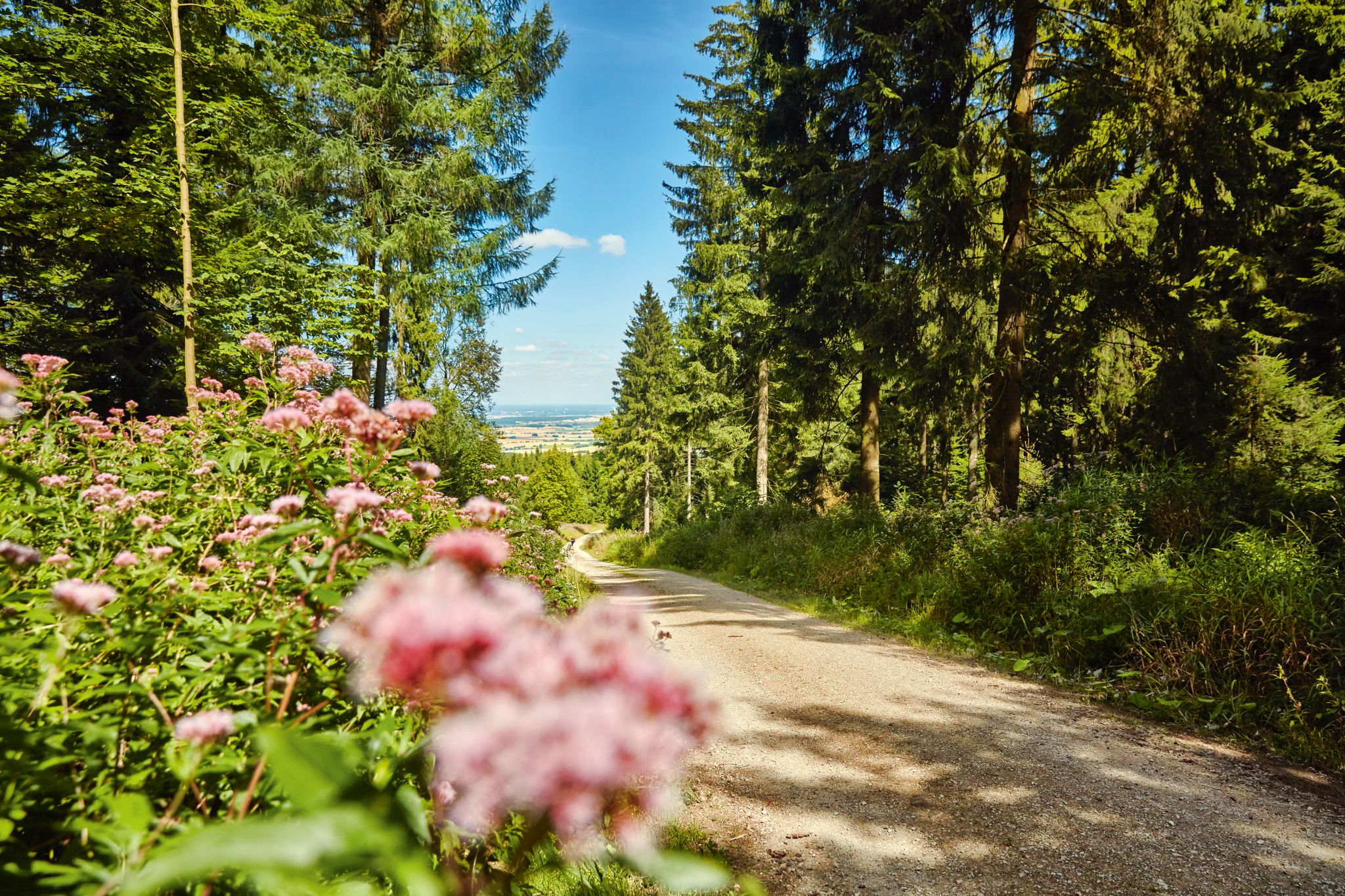
Hanover trails – hiking between Steinhuder Meer and Deister
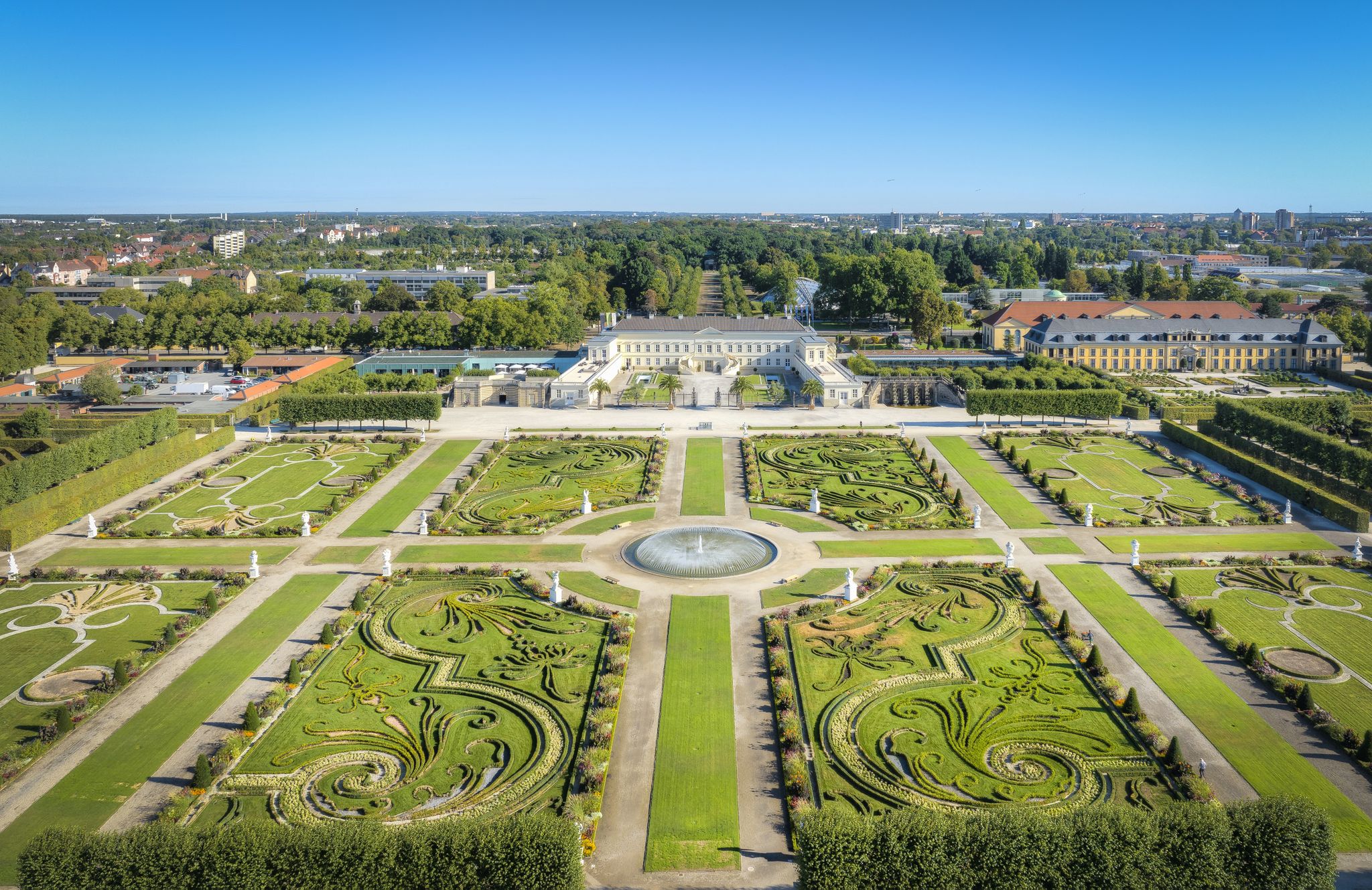
Hannover holiday region – varied cycling experiences in culture and nature
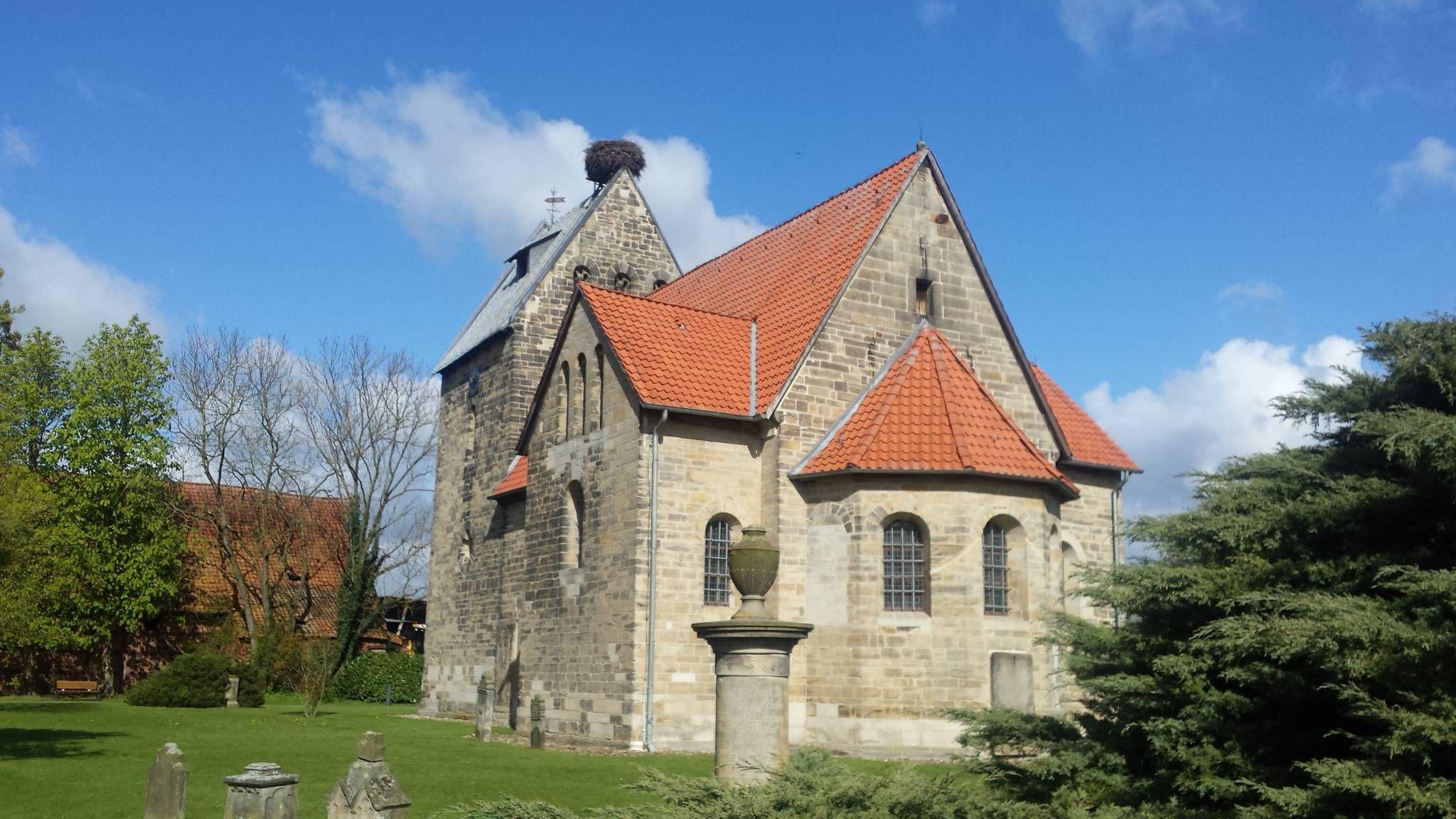
A 10-day pilgrimage in Lower Saxony – Sigwardsweg
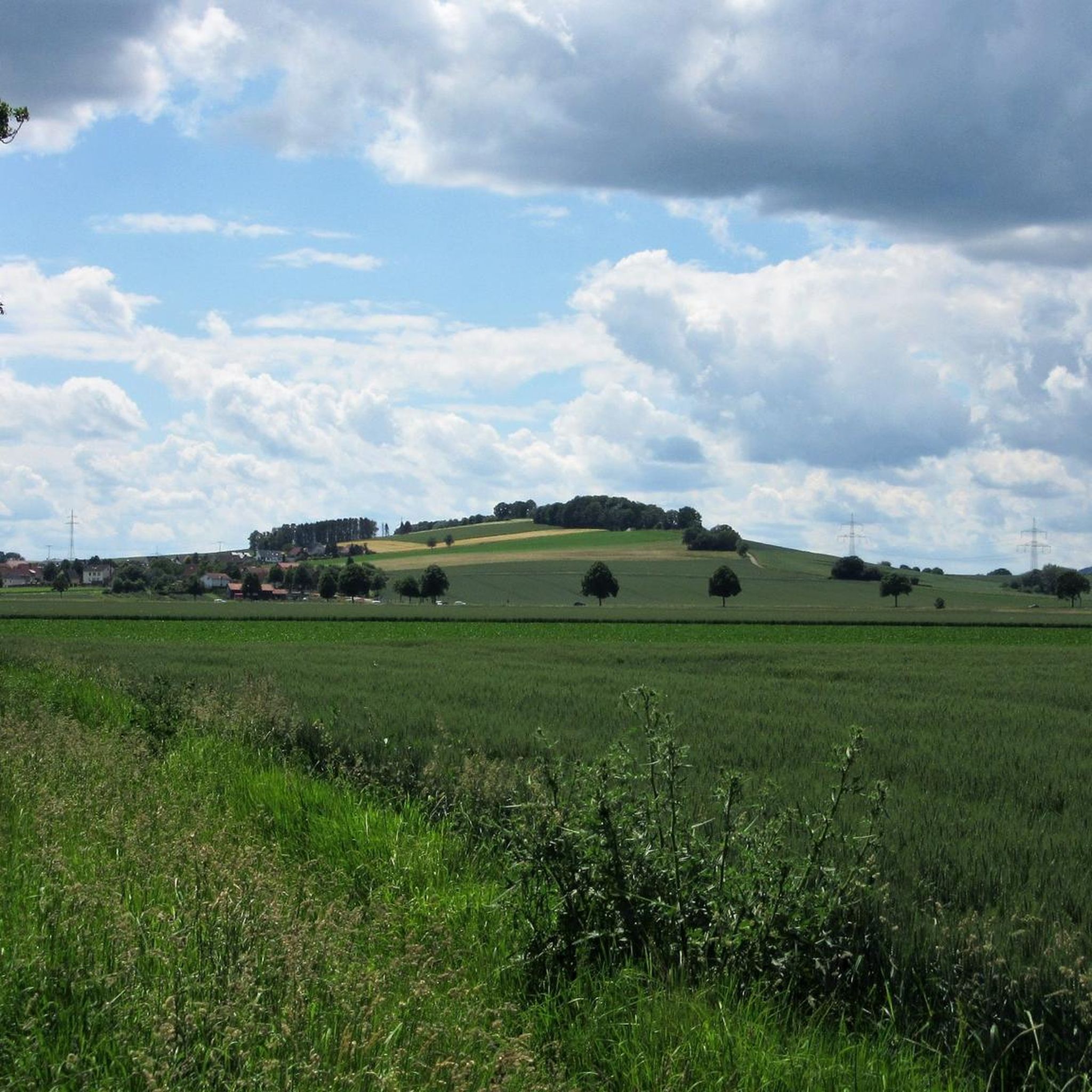
Hiking around Bad Nenndorf
Cycling around Bad Nenndorf
Running Trails around Bad Nenndorf
Road Cycling Routes around Bad Nenndorf
MTB Trails around Bad Nenndorf
Gravel biking around Bad Nenndorf
Other adventures around Bad Nenndorf


Tips from the Community

On the round trip around Lake Steinhude you also follow the Hagenburg Canal for a while or even cross it
11
0

The size of this castle surprised me. Viewing only with a completed tax return and correct tax number 😉
2
0

Stadthagen Castle, belonging to the then-ruling counts and later princely house of Schaumburg-Lippe, was built between 1535 and 1539 by Count Adolf XI in Stadthagen on the site of a predecessor structure. This was a moated castle built in 1224 by Count Adolf III of Schaumburg in a clearing in the Dülwald forest. First documented in 1244, the castle must have been part of the town's founding from the very beginning, as its two streets were aligned with it. Extensive construction work is documented for the period around 1300. In 1304, a "house" is mentioned in the castle. In 1406, three castle guards are mentioned. The 15th-century gatehouse was later incorporated into the west wing of the castle. The new castle building, beginning in 1535, was planned and built by master builder Jörg Unkair, who came from Lustnau near Tübingen and had previously worked at the Cistercian monastery of Bebenhausen. He himself selected Obernkirchen sandstone from the Bückeberg near Obernkirchen. The residential palace was designed as a spacious, square, four-winged complex, with its northwest corner open to the town. The dormer windows and wing gables – Italian gables – resemble those of the Schelenburg near Osnabrück, which Unkair had previously built. However, since in Stadthagen, unlike at Schelenburg, he did not have to consider the medieval castle remains, the palace appears welcoming both internally and externally. It was built purely as a residential palace, without any military functions. After its completion in 1539, the Schaumburg state government moved in the following year; the tax and finance authorities also had their headquarters here. In 1608, the government and residence of the Schaumburg counts were relocated to Bückeburg. Later, the palace served as a widow's residence and the residence of the Crown Prince. A comprehensive restoration took place in 1875. After the First World War, the castle became the property of the newly founded Free State of Schaumburg-Lippe in 1919, and of the state of Lower Saxony since 1946. The castle is considered the oldest and most influential Weser Renaissance monument in Lower Saxony. Source: https://de.wikipedia.org/wiki/Schloss_Stadthagen
4
0

Very nice to go for a walk. Cafe Lusthaus in the immediate vicinity
2
0

The fireplace hall is used as an event location. Today the tax office is in here. A visit is therefore not possible.
2
0
The moated castle shell de, near Hanover, located in the valley between Deister and Süntel, was built between 1529 and 1548 as a four-winged complex. It is a typical example of an early Renaissance building in the Weser area. The outstanding art-historical value of the castle lies in the original structure of the 16th century. The moated castle and the courtyard buildings are listed buildings and have been extensively restored over the past thirty years. The entire facility and the associated agriculture have been family-owned for over 400 years. Source: https://schloss-huelsede.de/das-schloss/
4
0

The castle is private, but you can visit some parts of the courtyard and take some pictures. At the entrance you will find a nice information table.
4
0

The laying of the foundation stone for the moated castle Hülsede took place in the early 16th century. With its four-leaf structure, it is a typical example of Weser Renaissance palaces. Today, the picturesque castle can be rented for events or weddings. A part of the castle courtyard can be visited independently. More information: https://schloss-huelsede.de/
3
1
Frequently Asked Questions
What types of castles and historical sites can I explore around Bad Nenndorf?
The Bad Nenndorf area offers a diverse range of historical sites. You can find Neoclassical summer residences like Das Schlösschen in Bad Nenndorf itself, which was built in 1806. There are also picturesque Weser Renaissance castles such as Hülsede Water Castle, and ancient ruins like the Heisterburg Ruins, which date back to the 10th-12th centuries.
Is Das Schlösschen in Bad Nenndorf a traditional castle?
Das Schlösschen in Bad Nenndorf is not a medieval fortress but a significant Neoclassical building. Built in 1806 as a summer residence for Elector Wilhelm I of Hesse, it showcases early 19th-century architecture. Today, it serves as a venue for events, weddings, and even offers accommodation, preserving its historical elegance. You can find more information about it on the Schaumburger Land Tourismus website: Schaumburger Land Tourismus.
Are there any family-friendly castles or historical sites in the region?
Yes, several sites are suitable for families. Hülsede Water Castle is a picturesque Weser Renaissance castle where parts of the courtyard are accessible to visitors. The Wooden bridge at Hagenburg offers wonderful views of Hagenburg Castle and is in a beautiful, idyllic setting, often with grazing Galloways nearby, which can be enjoyable for children.
What are some notable historical buildings besides castles in Bad Nenndorf?
Beyond Das Schlösschen, Bad Nenndorf boasts other historical lodging houses from the same era. These include the Landgrafenhaus, built in 1791, and Haus Kassel, dating back to 1790. These structures contribute to the town's rich architectural heritage from the late 18th and early 19th centuries.
Can I visit Hagenburg Castle and its park?
Yes, Hagenburg Castle and Park is a small castle that served as a summer residence for the House of Schaumburg-Lippe. It features a beautiful park with rhododendron avenues and pyramidal oaks. The castle is connected to the Steinhuder Meer by the Hagenburger canal, and the area is an ideal starting point for bike rides.
Are there any castle ruins to explore near Bad Nenndorf?
Yes, the Heisterburg Ruins are the remains of a fortified castle from the 10th to 12th century. This historical site offers insights into ancient Germanic fortifications and is surrounded by forest, providing a glimpse into the region's early history.
What kind of views can I expect near the castles?
Many locations offer scenic views. For instance, the Wooden bridge at Hagenburg provides wonderful perspectives of Hagenburg Castle and the surrounding idyllic landscape. The Heisterburg Ruins are situated in a forest, offering natural viewpoints of the ancient site.
What outdoor activities can I do near these castles?
The area around Bad Nenndorf offers various outdoor activities. You can find numerous cycling routes, including options for touring bicycles, mountain bikes, and road cycling. For example, the 'Bad Nenndorf Spa Park – Hülsede Water Castle loop' is a moderate touring bicycle route. You can explore more routes and guides for cycling, MTB trails, and road cycling around Bad Nenndorf.
Are there any unique experiences like accommodation or events at these castles?
Yes, Das Schlösschen in Bad Nenndorf offers individual and double rooms for accommodation, providing a unique historical stay. It is also a popular venue for celebrations, conferences, and civil weddings. Hülsede Water Castle can also be rented for events or weddings, with parts of its courtyard accessible to visitors.
What do visitors enjoy most about the castles and historical sites around Bad Nenndorf?
Visitors appreciate the blend of history and natural beauty. The scenic views from places like the Wooden bridge at Hagenburg, the historical significance of sites like Das Schlösschen, and the unique architecture of Hülsede Water Castle are frequently highlighted. The opportunity to explore ancient ruins and enjoy the surrounding forests also adds to the appeal.
Is there a manor house with cultural offerings nearby?
Yes, Wichtringhausen Manor is a historical site that offers cultural experiences. It includes a wine tasting room and wine sales, making it a pleasant stop for those interested in local culture and products.
Most popular routes around Bad Nenndorf
Most popular attractions around Bad Nenndorf

Get inspired with the komoot mobile app


Explore more
Looking for the best castles somewhere else? Discover other guides around Bad Nenndorf:
