The best cycling routes in Andes
5.0
(7)
48
riders
4
rides
Best touring cycling routes in Andes traverse a mountainous landscape characterized by significant elevation changes and high-altitude terrain. The region features challenging climbs and descents, often through varied ecosystems. Touring cyclists can expect routes that demand physical endurance and offer expansive views of the Andean cordillera. The topography includes steep valleys, mountain passes, and winding roads.
Best touring cycling routes in Andes
- The most popular touring cycling route is Hostería El Paraíso loop from Salgar, an 81.3 miles (130.9…
Last updated: July 1, 2026
16
riders
131km
09:23
2,710m
2,710m
Hard bike ride. Very good fitness required. Mostly paved surfaces. Suitable for all skill levels.
5.0
(6)
12
riders
60.0km
04:17
1,220m
1,220m
Hard bike ride. Very good fitness required. Mostly paved surfaces. Suitable for all skill levels.

Sign up for free
5.0
(1)
11
riders
31.6km
02:26
810m
810m
Hard bike ride. Very good fitness required. Mostly paved surfaces. Suitable for all skill levels.
9
riders
48.2km
04:08
1,680m
1,680m
Hard bike ride. Very good fitness required. Mostly paved surfaces. Suitable for all skill levels.
Our route recommendations are based on thousands of hikes, rides, and runs completed by other people on komoot.
Start today with a free account
Your next adventure awaits.
Login or Signup

Tips from the Community

This is one of several churches in Colombia dedicated to the Immaculate Conception. Inaugurated in 1932, it was elevated to a minor basilica by Pope John Paul II in 2003, making it a pilgrimage site in the country.
0
0

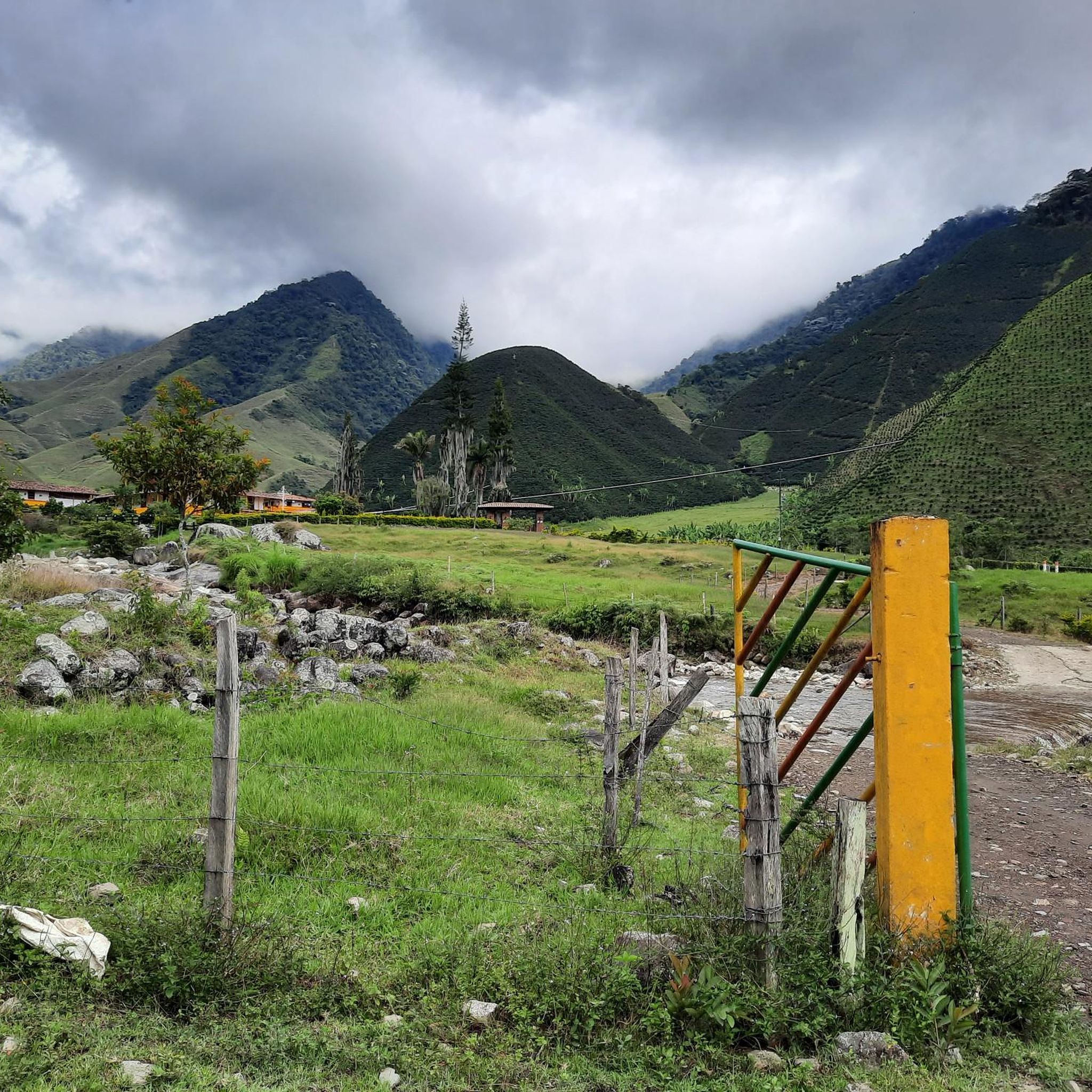
This bridge, which seems completely improvised, is actually a gateway to a wonderful mountain trail.
0
0

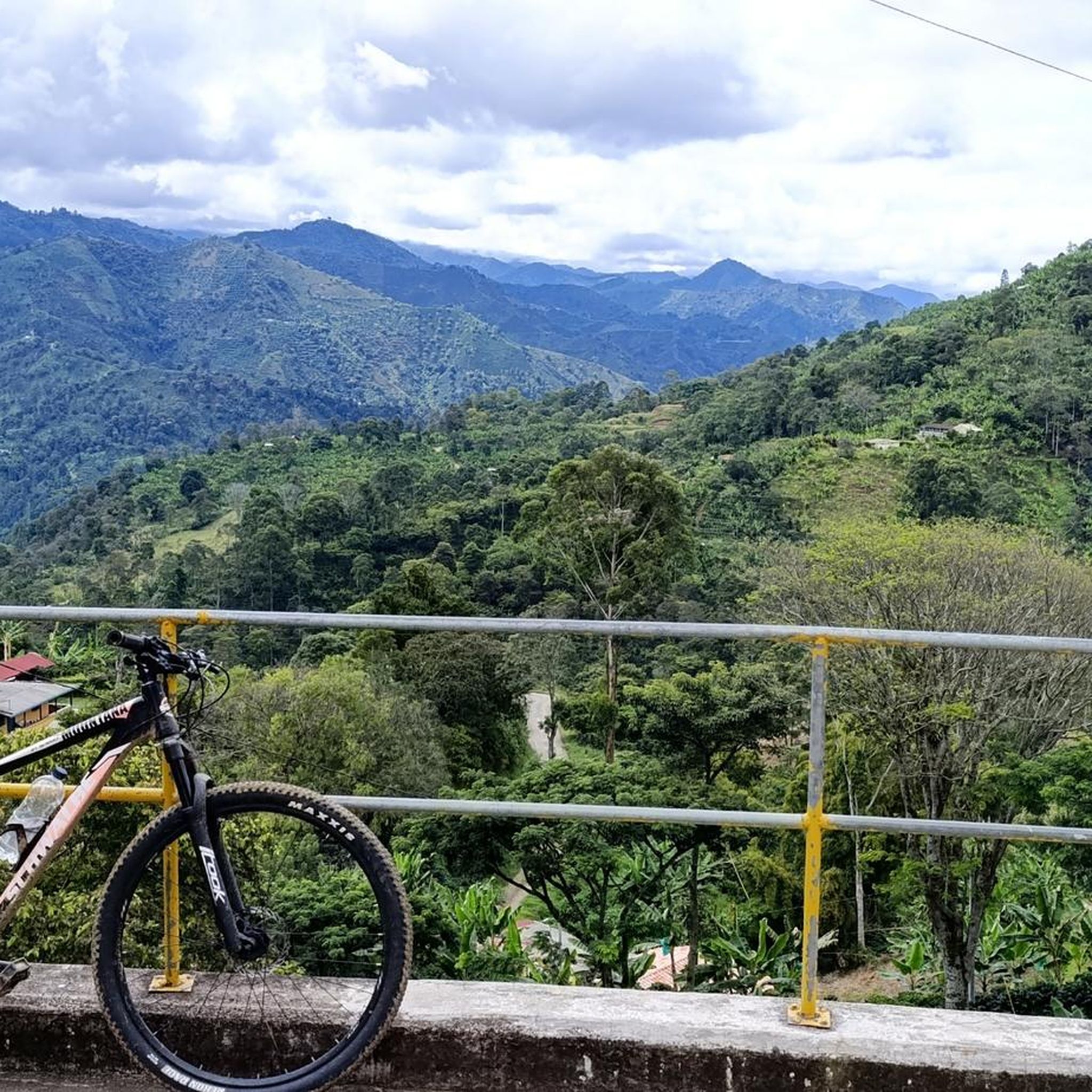
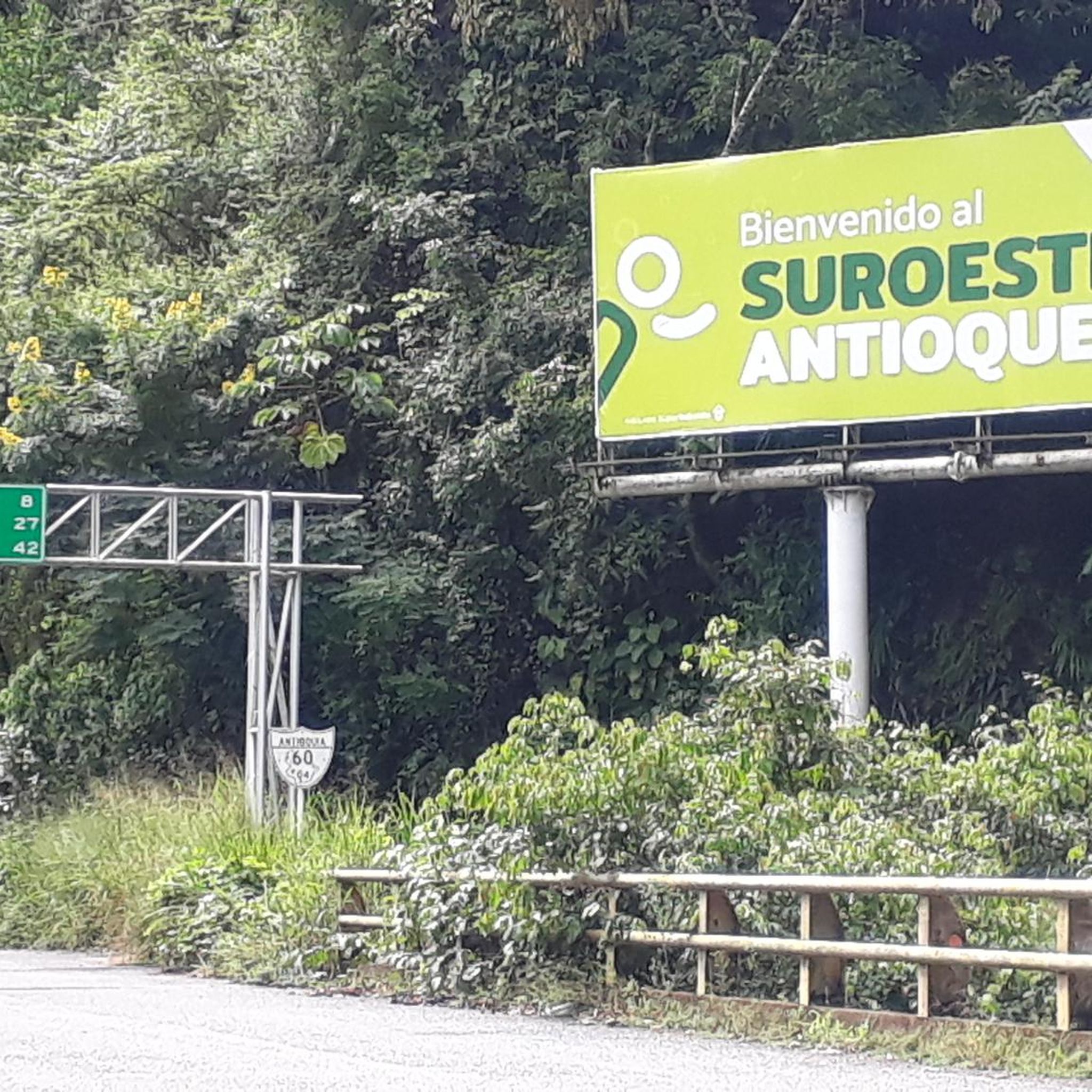
VIA CIUDAD BOLIVAR MEDELLÍN-HISPANIA-ANDES ON THE RIGHT
0
0
Frequently Asked Questions
What level of difficulty can I expect from touring cycling routes in the Andes region?
Touring cycling routes in the Andes are generally challenging. All routes listed, such as Hostería El Paraíso loop from Salgar, are classified as 'difficult' due to significant elevation changes, high-altitude terrain, and demanding climbs and descents. They are best suited for experienced touring cyclists.
Are there any multi-day touring cycling options in the Andes?
While the provided routes are typically single-day tours, such as the 81.3-mile Hostería El Paraíso loop from Salgar which takes over 9 hours, experienced cyclists could combine routes or plan longer expeditions using komoot's planning tools to create multi-day adventures across the Andean landscape. This would require careful logistical planning for accommodation and supplies.
What is the best time of year for touring cycling in the Andes?
The best time for touring cycling in the Andes generally depends on the specific country and altitude, but typically the dry season offers more stable weather conditions. This usually falls between May and September in the northern Andes, and December to March in the southern Andes. Always check local weather forecasts and road conditions before you set out, especially for high-altitude passes.
What kind of weather conditions should I prepare for when cycling in the Andes?
Cyclists in the Andes should be prepared for highly variable weather. Conditions can change rapidly, from bright sunshine to cold winds, rain, or even hail, especially at higher elevations. Expect significant temperature drops as you gain altitude. Layered clothing, waterproof gear, and sun protection are essential.
What should I pack for a touring bike trip in the Andes?
Given the challenging terrain and variable weather, essential packing includes layered cycling apparel, waterproof and windproof outer layers, a helmet, gloves, and sturdy touring shoes. Don't forget sun protection (high-SPF sunscreen, sunglasses), a first-aid kit, plenty of water, high-energy snacks, and basic bike repair tools. A GPS device or a reliable navigation app like komoot is also highly recommended.
Are there any circular touring cycling routes available in the Andes?
Yes, all the featured touring cycling routes in this guide are loops. Examples include the Salada Creek Bridge loop from Río San Juán and the Morro El Salvador – Alto de Marita loop from Jericó. These circular routes offer the convenience of starting and ending at the same point.
What are some of the main challenges for touring cyclists in the Andes?
The primary challenges for touring cyclists in the Andes include significant elevation gain and loss, high-altitude riding which can affect physical performance, and potentially remote sections with limited services. The steepness of climbs and descents, combined with varied road surfaces, also demands strong technical riding skills and physical endurance.
What do other touring cyclists enjoy most about cycling in the Andes?
The Andes region is highly rated by the komoot community, with an average score of 5.0 stars from over 5 reviews. Cyclists often praise the breathtaking panoramic views of the Andean cordillera, the sense of accomplishment from conquering challenging mountain passes, and the unique experience of traversing diverse high-altitude landscapes.
Are there any notable natural attractions or landmarks to see along the touring cycling routes in Andes?
Yes, while cycling in the Andes, you can explore several natural and cultural landmarks. For instance, you might encounter stunning waterfalls like La Escalera Waterfall or the Cave of Splendor Waterfall. Other points of interest include the Minor Basilica of the Immaculate Conception and the La Garrucha Cable Car, offering diverse sights beyond the cycling itself.
Are the touring cycling routes in the Andes suitable for families or beginners?
Given that all listed routes, such as the Salada Creek Bridge loop from Andes, are classified as 'difficult' with substantial elevation changes and high-altitude terrain, they are generally not recommended for families with young children or beginner touring cyclists. These routes require a good level of fitness and cycling experience.
What kind of infrastructure for cyclists, like cafes or rest stops, can I expect along the routes?
Infrastructure for cyclists can vary significantly in the Andes. While some routes might pass through small towns or villages where you can find local eateries or shops for supplies, many sections, especially at higher altitudes or in more remote areas, may have limited services. It's always advisable to carry sufficient water and snacks, and to plan your stops in advance.
Most popular routes in Andes
Most popular attractions in Andes

Get inspired with the komoot mobile app


Explore more
Browse the best Cycling routes in other regions.
