The best road cycling routes around Hedersleben
4.3
(233)
1,916
riders
31
rides
Road cycling routes around Hedersleben offer access to diverse terrain in the Harz foreland and the wider Harz region. Situated on the Selke River, the area features scenic river valleys that provide flatter routes. Cyclists can also venture into the nearby Harz Mountains, which present a mix of demanding climbs and exhilarating descents. This geographical context allows for a variety of road cycling experiences, from relaxed rides to more rigorous training.
Best road cycling routes around Hedersleben
- The most popular…
Last updated: August 20, 2026
3.8
(20)
44
riders
Moderate road ride. Great for any fitness level. Some segments of this route may be unpaved and difficult to ride.
4.5
(2)
22
riders
43.3km
01:53
160m
160m
Moderate road ride. Great for any fitness level. Some segments of this route may be unpaved and difficult to ride.

Sign up for free
5.0
(1)
25
riders
73.9km
03:20
480m
480m
Moderate road ride. Good fitness required. Some segments of this route may be unpaved and difficult to ride.
4.0
(1)
20
riders
Moderate road ride. Good fitness required. Some segments of this route may be unpaved and difficult to ride.
15
riders
31.0km
01:15
110m
110m
Moderate road ride. Great for any fitness level. Some segments of this route may be unpaved and difficult to ride.
Get access to more routes and recommendations from other explorers.
Sign up for free
Already have an account?
Our route recommendations are based on thousands of hikes, rides, and runs completed by other people on komoot.
Start today with a free account
Your next adventure awaits.
Login or Signup
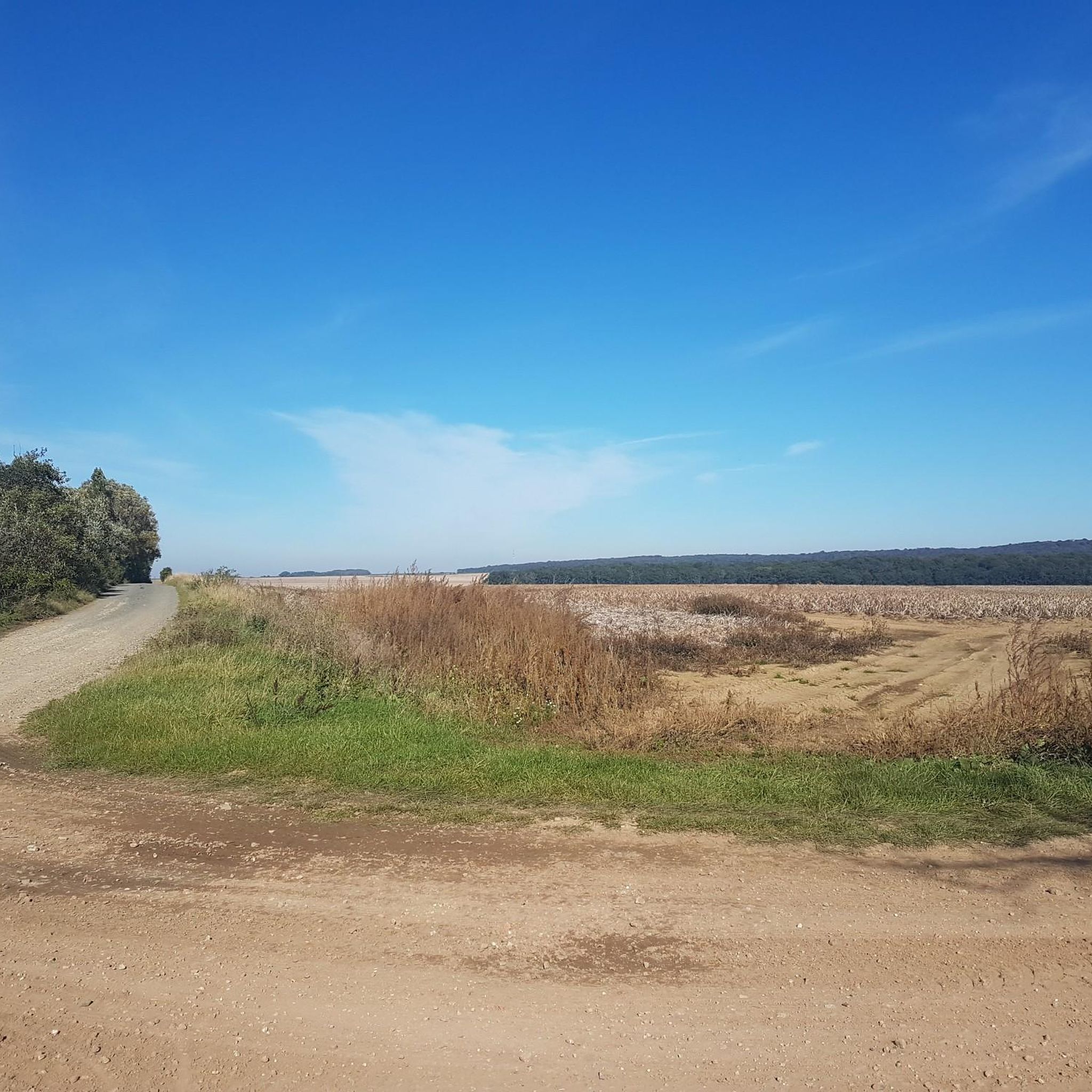
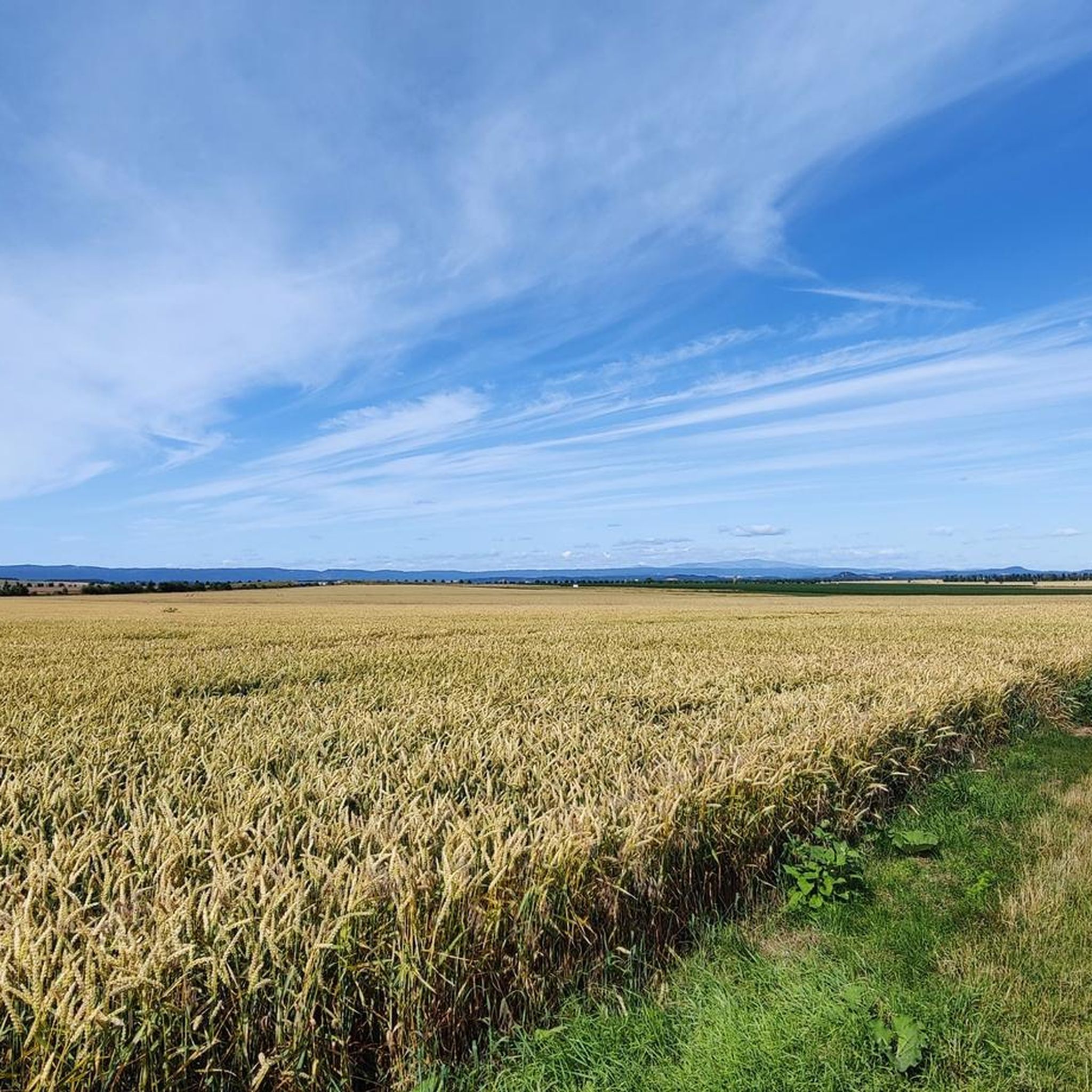
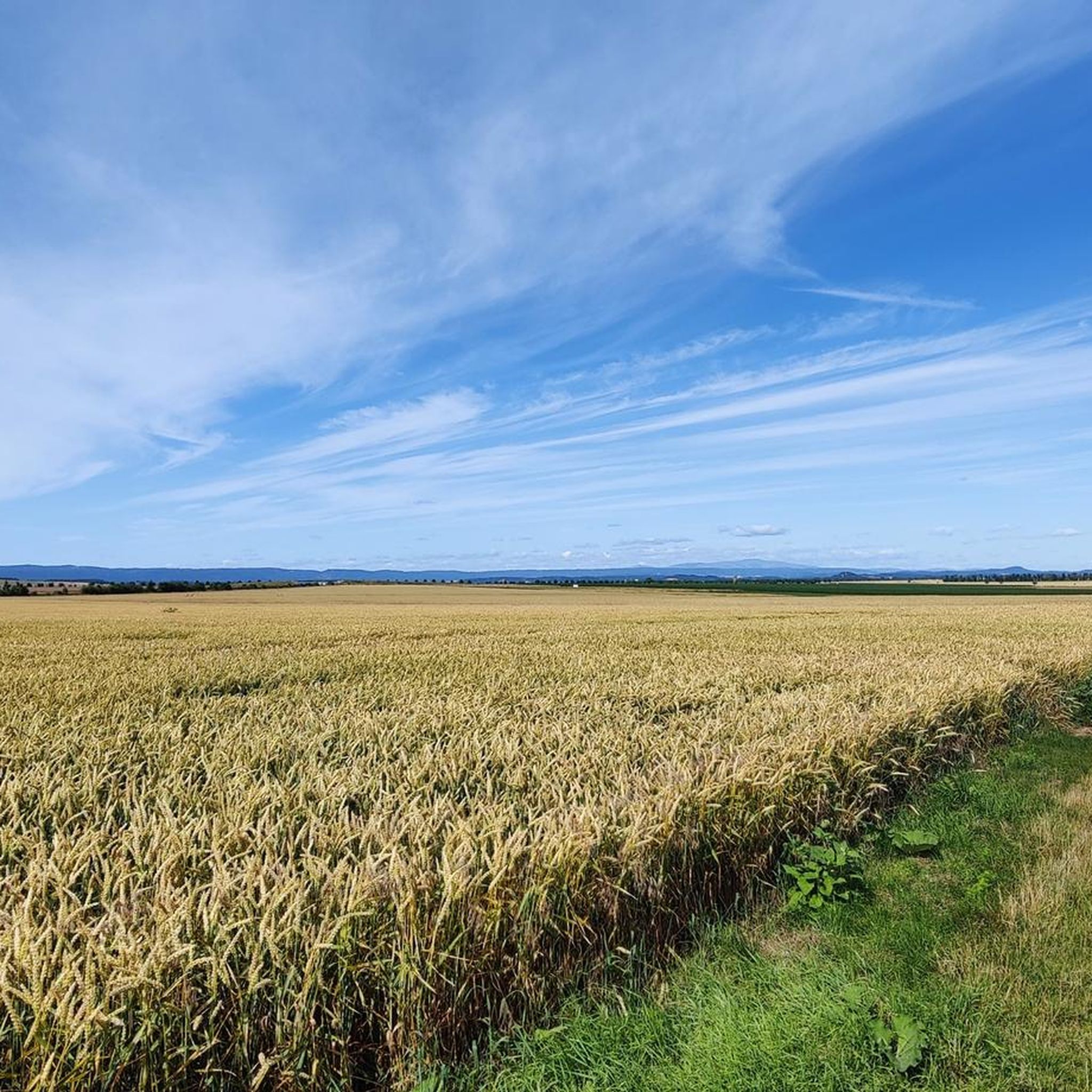
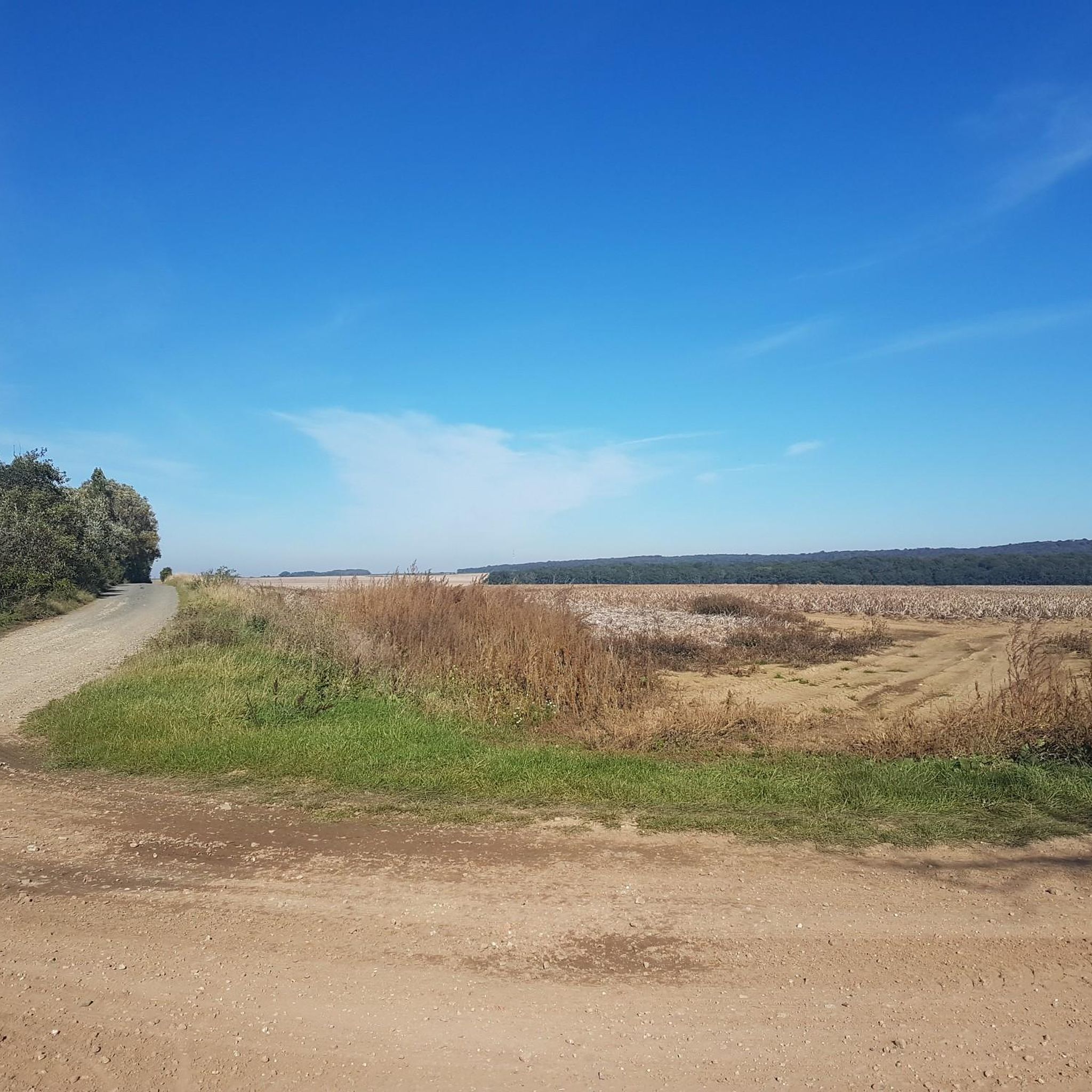
Tips from the Community

very nice cycle path with little gradient
0
0

Interesting property. Please note the opening times.
0
0

There used to be a pub around the corner, as a child I always picked up my grandpa there during the GDR times 😅
0
0

Beautiful rest area with barefoot course and view of Halberstadt.
1
0

View towards Halberstadt with Brocken in the background
0
0

Bishop Burchard I of Halberstadt gave the monastery its name: he consecrated the chapel of St. Nicholas in 1036. After the cathedral burned down in 1060, he was buried in this chapel, which became part of the monastery complex much later. In 1186, the Premonstratensians moved there. They were soon replaced by Templars, who founded a commandery here. In 1206, the Templars moved to the monastery of St. Thomae at the Breiten Tor, whereupon the Cistercians took over the monastery in 1208. Due to overcrowding, several nuns went to the Adersleben monastery in the middle of the 13th century. During the Thirty Years' War, the monastery was plundered in 1631 and 1632, and in one case the abbess and nuns were abducted by the Swedes. There were also three floods in the 18th century. In the following years, flooding of the buildings and farmstead, as well as the monastery church, from the Holtemme river caused considerable disruption in some cases. There were also several fire disasters. In the course of secularization, the monastery was closed and sold on October 1, 1810 by decision of the authorities of the Kingdom of Westphalia. Source: Wikipedia
9
0
Bishop Burchard I of Halberstadt gave the monastery its name: he consecrated the chapel of St. Nicholas in 1036. After the cathedral burned down in 1060, he was buried in this chapel, which became part of the monastery complex much later. In 1186, the Premonstratensians moved there. They were soon replaced by Templars, who founded a commandery here. In 1206, the Templars moved to the monastery of St. Thomae at the Breiten Tor, whereupon the Cistercians took over the monastery in 1208. Due to overcrowding, several nuns went to the Adersleben monastery in the middle of the 13th century. During the Thirty Years' War, the monastery was plundered in 1631 and 1632, and in one case the abbess and nuns were abducted by the Swedes. There were also three floods in the 18th century. In the following years, flooding of the buildings and farmstead, as well as the monastery church, from the Holtemme river caused considerable disruption in some cases. There were also several fire disasters. In the course of secularization, the monastery was closed and sold on October 1, 1810 by decision of the authorities of the Kingdom of Westphalia. Source: Wikipedia
7
0

Relatively busy road between Ermsleben and Aschersleben. Asphalt is top-notch and depending on the wind direction, it rolls along at a decent speed.
3
0
Frequently Asked Questions
How many road cycling routes are available around Hedersleben?
There are over 30 road cycling routes around Hedersleben, offering diverse experiences in the Harz foreland and the wider Harz region. These routes cater to various skill levels, from easy rides to more challenging ascents.
What kind of terrain can I expect when road cycling near Hedersleben?
The region around Hedersleben offers a varied topography. You'll find flatter, scenic routes along river valleys like the Selke and Bode, ideal for relaxed rides. For those seeking more challenge, the nearby Harz Mountains provide demanding climbs with gradients up to 18 percent and exhilarating descents on well-maintained roads.
What are the difficulty levels of road cycling routes in the Hedersleben area?
The routes around Hedersleben cater to all skill levels. You can find 3 easy routes, 27 moderate routes, and 2 difficult routes, ensuring there's an option whether you're looking for a leisurely ride or a strenuous workout.
When is the best time of year for road cycling in Hedersleben?
The best time for road cycling in Hedersleben and the Harz foreland is generally from spring through early autumn. During these months, the weather is most favorable, allowing cyclists to fully enjoy the scenic landscapes and varied terrain without the challenges of winter conditions.
Are there any circular road cycling routes around Hedersleben?
Yes, many of the road cycling routes around Hedersleben are designed as loops, allowing you to start and finish in the same location. For example, the Kloster Gröningen Lake – Halberstadt Water Tower loop from Hedersleben-Wedderstedt is a popular circular route.
What historical or cultural sights can I explore while road cycling near Hedersleben?
The region is rich in history. You can cycle past the significant Kloster Hedersleben, or venture to the UNESCO World Heritage city of Quedlinburg. There, you can explore the Schlossberg and Collegiate Church of St. Servatius, the Quedlinburg Old Town, and the Quedlinburg Town Hall. Many routes also pass by other ancient monasteries and picturesque villages.
Are there any scenic viewpoints along the road cycling routes?
Yes, the diverse landscape offers several scenic spots. For instance, the Abteigarten Quedlinburg provides excellent views of Quedlinburg's Old Town. The Harz foreland itself offers beautiful vistas, especially as you approach the mountains.
Can I combine my road cycling trip with a visit to Quedlinburg?
Absolutely! Quedlinburg is a short distance away and easily accessible by bike. The Old Town Quedlinburg – Kloster Gröningen Lake loop from Hedersleben-Wedderstedt is a moderate route that connects Hedersleben directly with this historic city, allowing you to enjoy both cycling and cultural exploration.
What do other road cyclists enjoy the most about road cycling in Hedersleben?
The road cycling routes around Hedersleben are highly rated by the komoot community, with an average score of 4.3 stars from over 190 reviews. Cyclists often praise the varied terrain, which offers both gentle river valley rides and challenging mountain ascents, as well as the opportunity to discover cultural sights along the way.
Are there any easy road cycling routes suitable for beginners or families?
Yes, there are 3 easy road cycling routes around Hedersleben. These routes typically follow the flatter terrain of the river valleys and the Harz foreland, providing a pleasant experience for beginners or families looking for a less strenuous ride. An example is the Hausneindorf Castle Ruins – St. Bonifatius Church, Ditfurt loop from Gatersleben.
Where can I find parking for road cycling routes near Hedersleben?
While specific parking areas for cyclists aren't detailed, Hedersleben and nearby towns like Gatersleben often have public parking options available. It's advisable to check local signage or use navigation apps to locate suitable parking near your chosen route's starting point.
Are there any routes that offer views of lakes or water bodies?
Yes, several routes incorporate views of local water bodies. For instance, the Kloster Gröningen Lake – Halberstadt Water Tower loop from Hedersleben-Wedderstedt and the Old Town Quedlinburg – Kloster Gröningen Lake loop from Hedersleben-Wedderstedt both feature views of Kloster Gröningen Lake. Another route, the View of Königsauer See loop from Gatersleben, offers scenic views of Königsauer See.
Most popular routes around Hedersleben
Most popular attractions around Hedersleben

Get inspired with the komoot mobile app


Explore more
Browse the best Road cycling routes in other regions.
