Top 20 Caves around Floh-Seligenthal
Best caves around Floh-Seligenthal are found within the picturesque Thuringian Forest, a region known for its dense woodlands and varied geological formations. While Floh-Seligenthal itself may not host many prominent caves directly, the surrounding areas offer diverse subterranean experiences. These natural features contribute to the area's appeal for outdoor activities.
Best caves around Floh-Seligenthal
- The most popular caves is Bear Cave, a cave that requires a hike to reach its entrance. Visitors can explore the interior and find a…
Last updated: July 1, 2026
Lauchagrund near the Kaminwand
Highlight • Gorge
Translated by Google •
Tip by

Backofenloch Cave
Highlight • Cave
Translated by Google •
Tip by

Sign up now to discover places like this
Get recommendations on the best single tracks, peaks, & plenty of other exciting outdoor places.
Sign up for free
Torstein Rock Arch
Highlight • Natural Monument
Translated by Google •
Tip by

Marienglashöhle Friedrichroda
Highlight • Cave
Translated by Google •
Tip by

Rock Theatre Bad Liebenstein
Highlight • Natural Monument
Translated by Google •
Tip by

Sign up for free to discover even more caves around Floh-Seligenthal.
Sign up for free
Already have an account?
Start today with a free account
Your next adventure awaits.
Login or Signup
Popular around Floh-Seligenthal
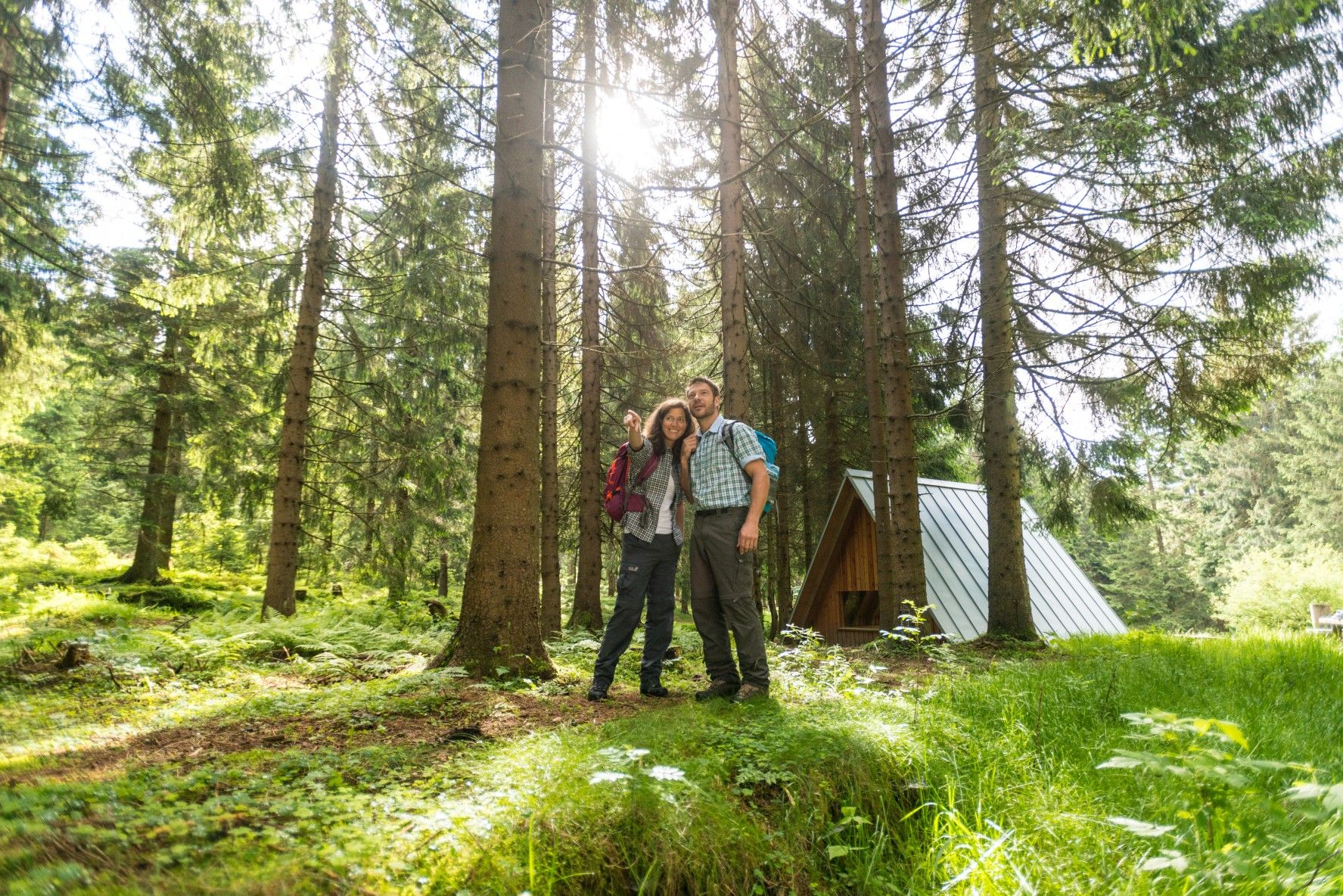
The Rennsteig — Thuringia's most beautiful hiking route
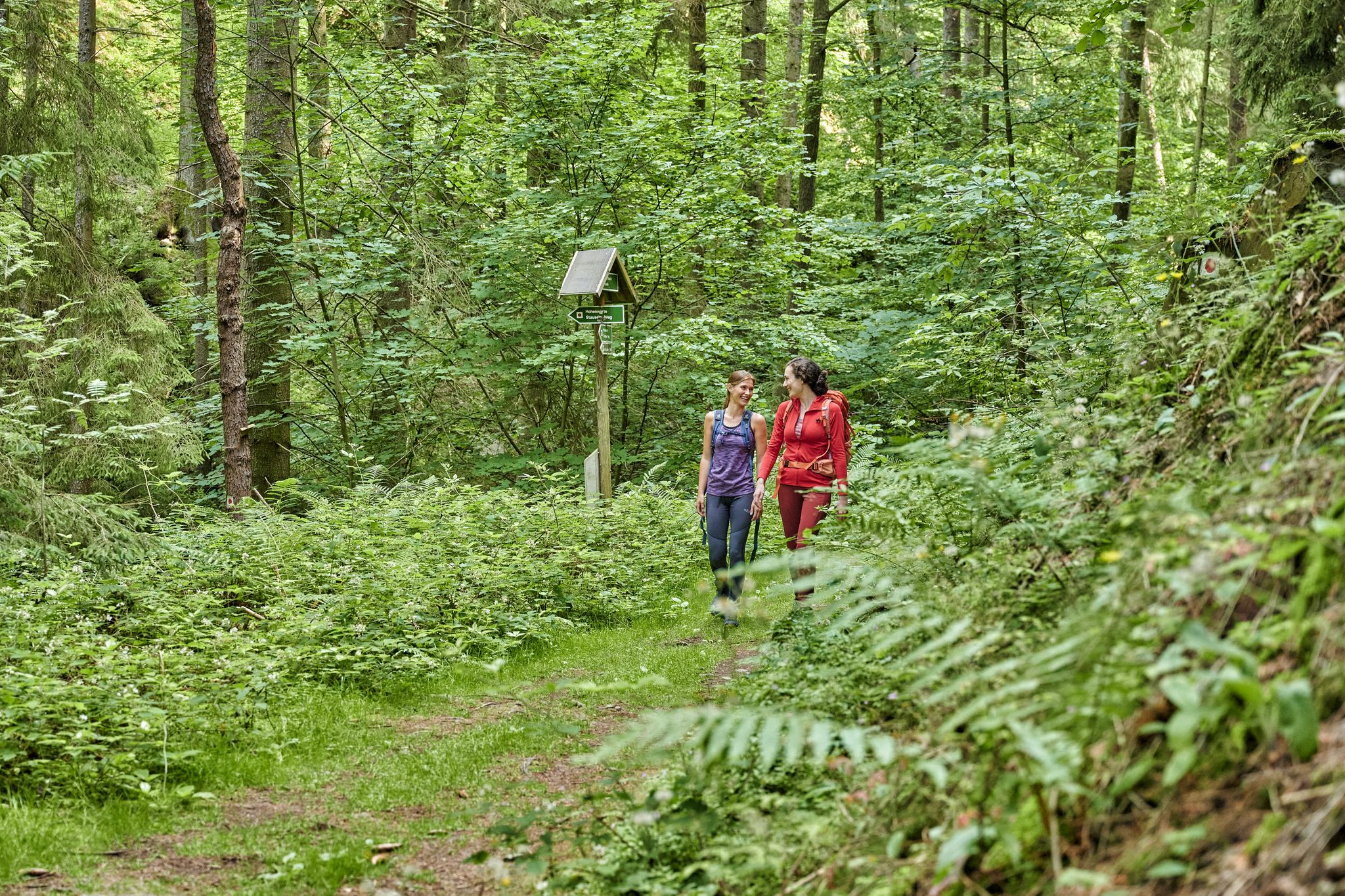
Long distance hiking trails in the Thuringian Forest
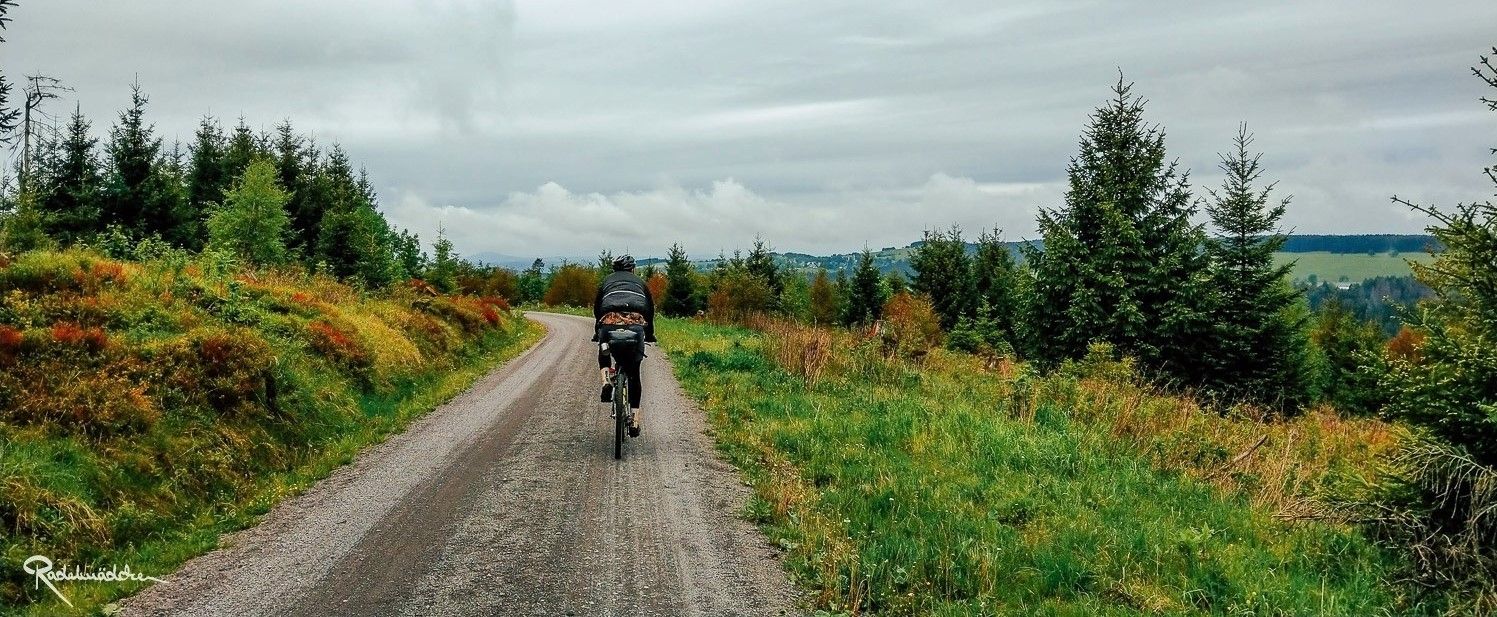
Ride the Rennsteig Cycle Path on your gravel bike – Thuringian Highlands
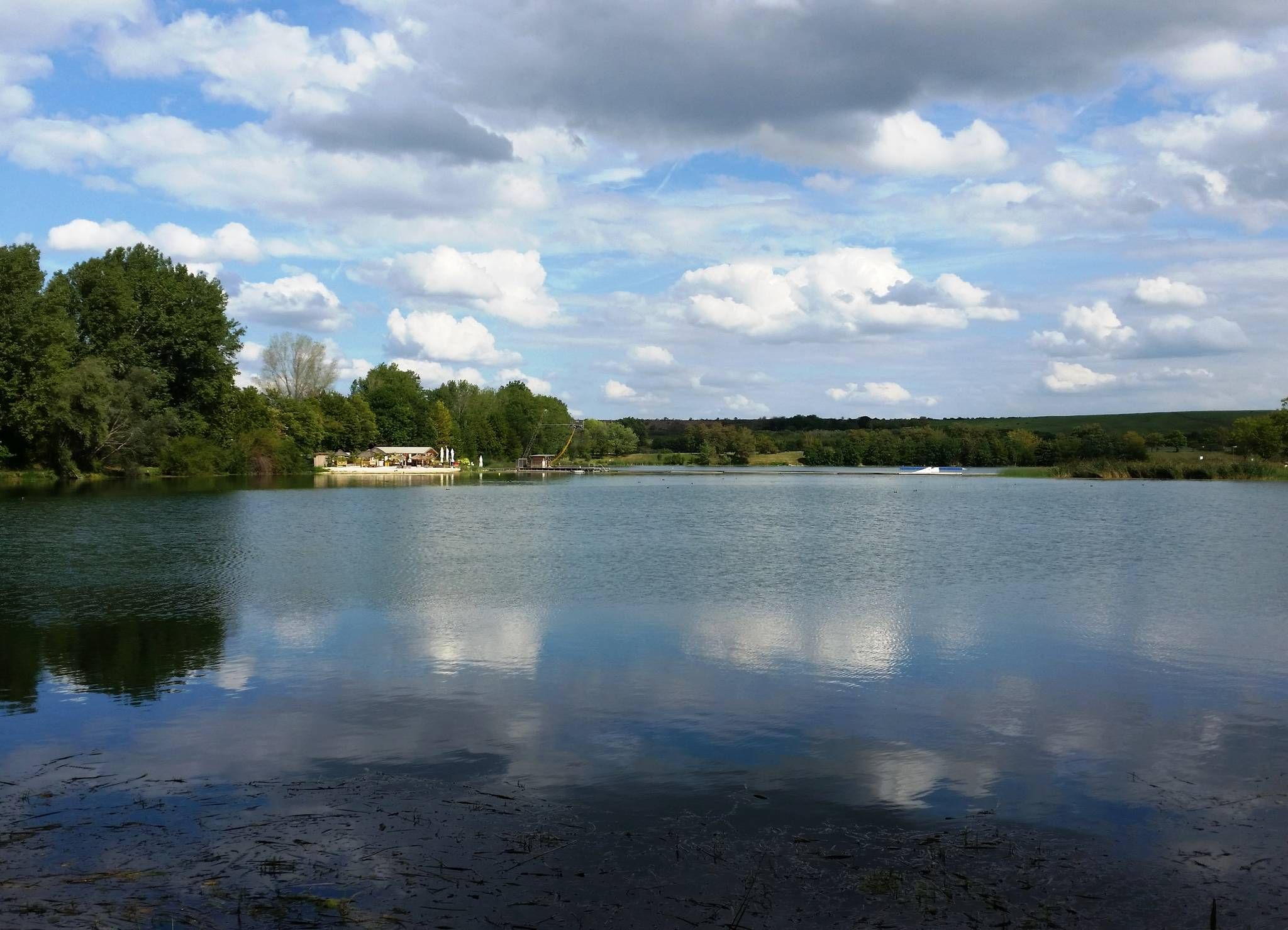
The most popular swimming spots in Thuringia
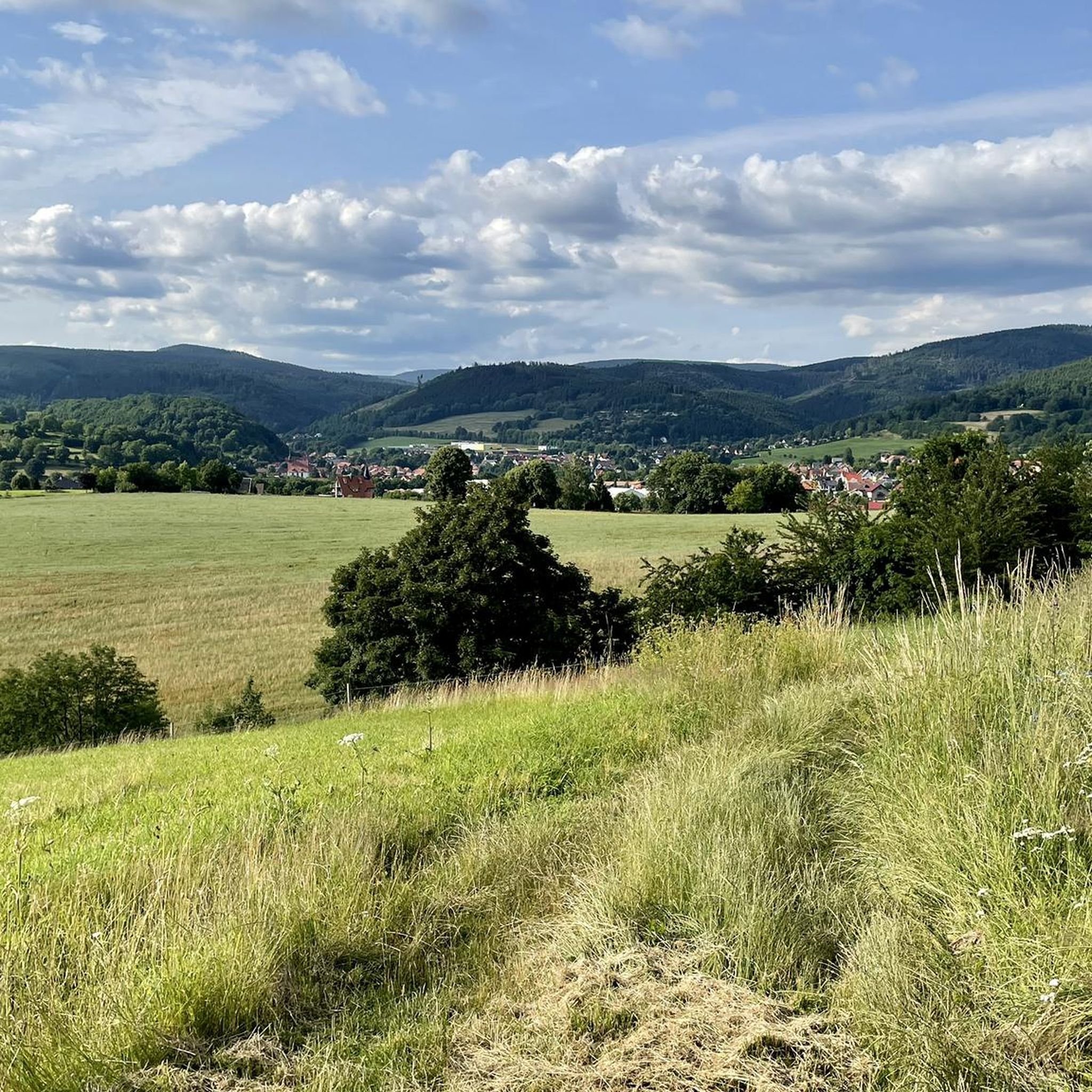
Hiking around Floh-Seligenthal
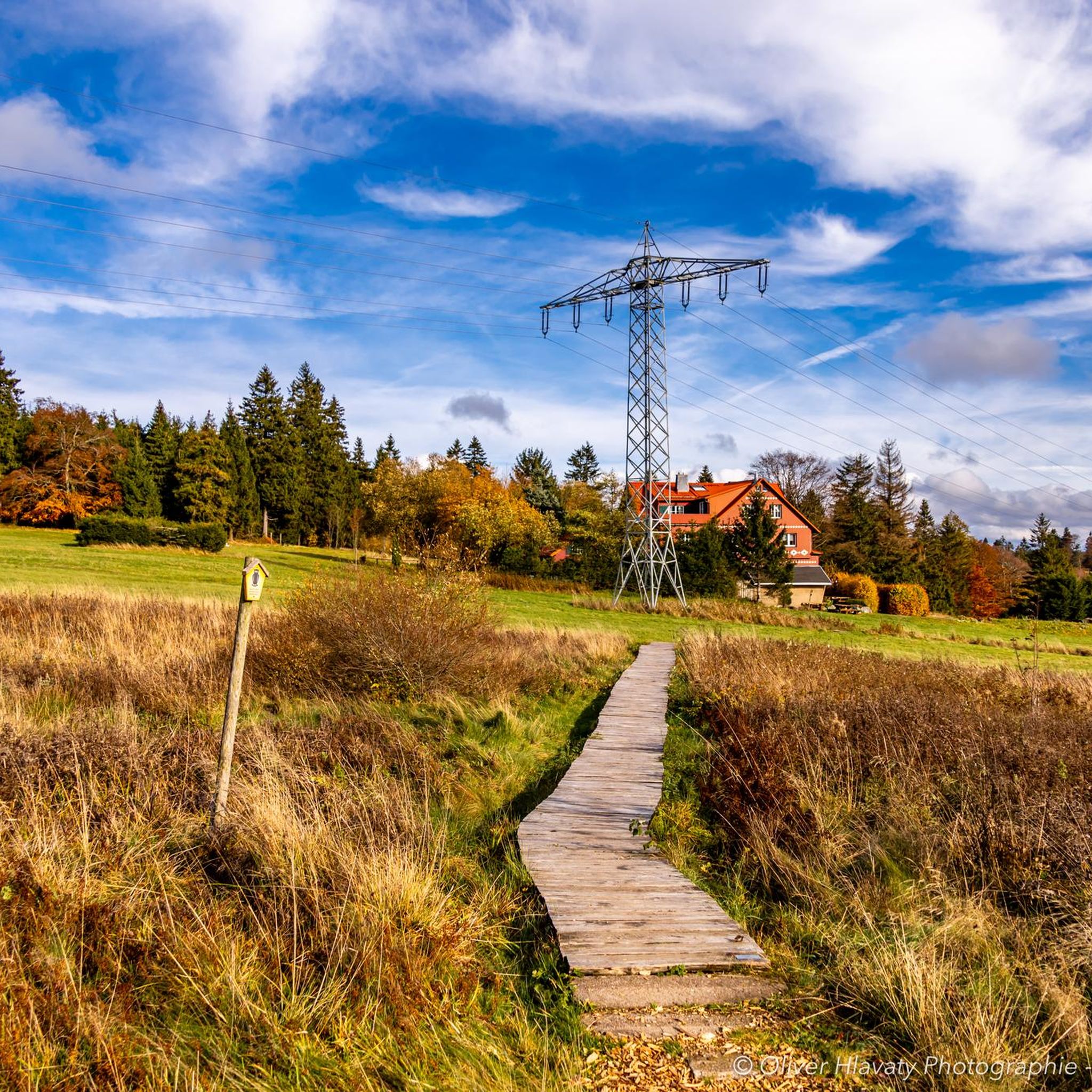
Road Cycling Routes around Floh-Seligenthal
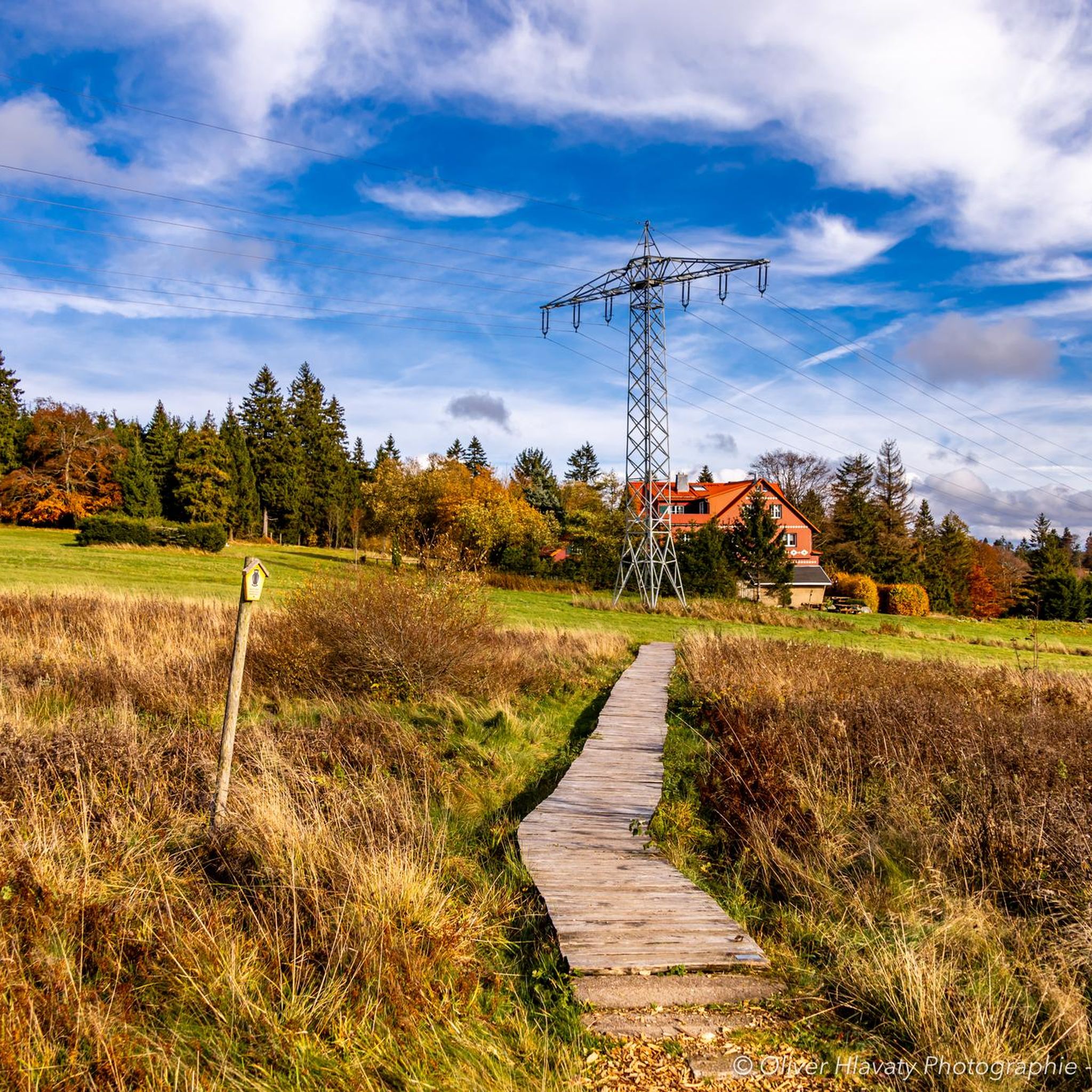
Running Trails around Floh-Seligenthal
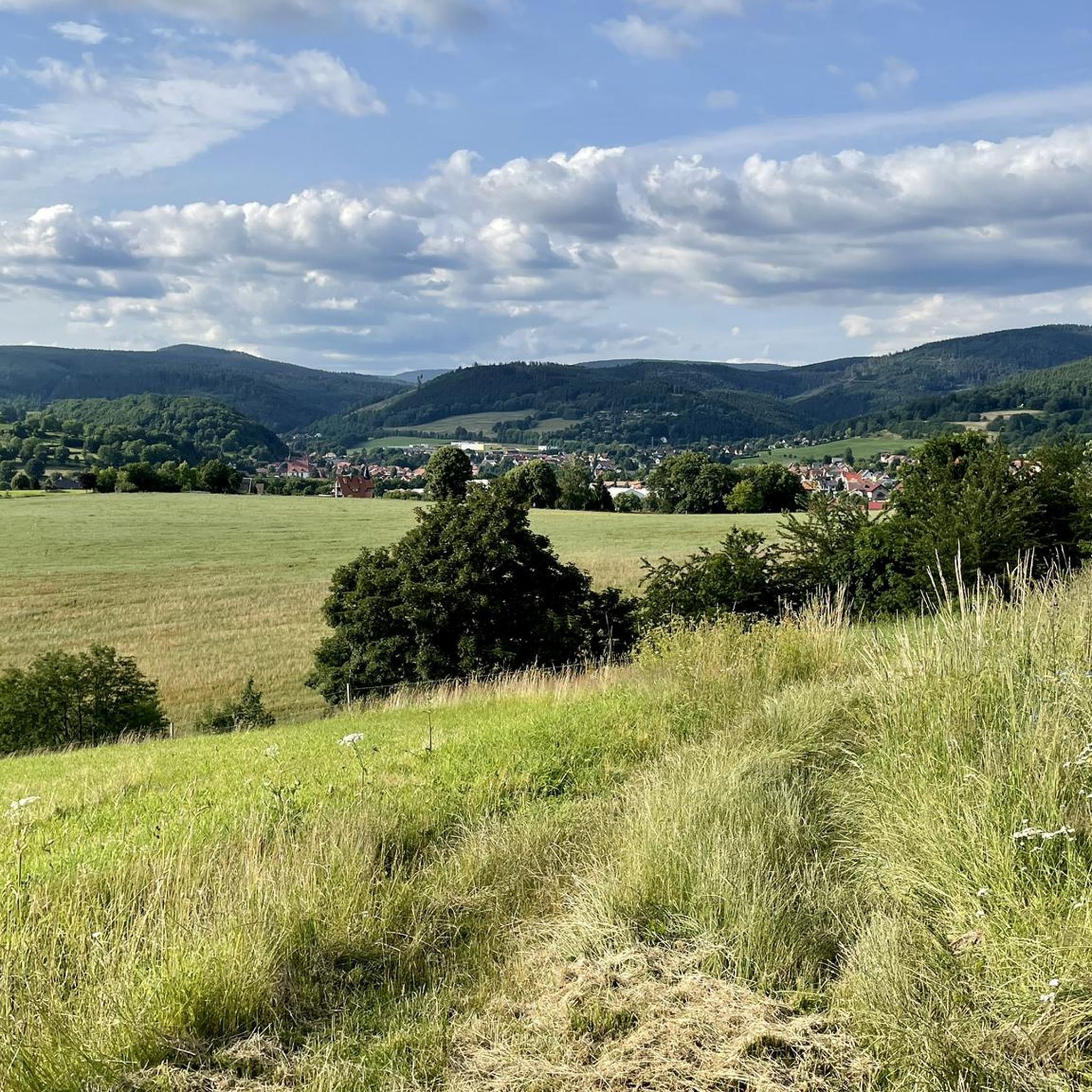
MTB Trails around Floh-Seligenthal
Cycling around Floh-Seligenthal

Gravel biking around Floh-Seligenthal
Other adventures around Floh-Seligenthal


Tips from the Community

This immense area is more than just a lovely resting place. The area is part of the Thuringian Forest, which is geologically rich in diverse rock formations. It lies not far from the Marienglas Cave, a mine where gypsum was once mined.
12
0

Information about opening hours.
23
1

Yes, the Marienglashöle is a beautiful destination.
6
0

A very popular excursion destination. The very beautiful and large crystal cave can be visited with guided tours. Cave concerts are also held here regularly. They are impressive due to the special acoustics. Dates can be found at the Friedrichroda tourist information office.
10
0

The oven holes resemble historical stone ovens. Their origin is unclear, but two possible theories exist: They could be former lava tunnels, or they were formed by water erosion. And of course these geological beauties made it into the world of legends. Namely with the legend of a mountain giant. Source: https://www.tourismus-thueringer-wald.de/aktiv/backofenloecher-und-torstein-bad-tabarz
14
0
The Torstein is an absolute must see on a hike in Lauchagrund. Surefootedness and sturdy shoes are recommended. The Torsten is a 6m high rock gate. This is located near a Celtic hill fort ruin. Strategically cleverly located and probably also with religious significance, the area around the Torstein leads back to early history. Source: https://www.tourismus-thueringer-wald.de/aktiv/backofenloecher-und-torstein-bad-tabarz
11
0

Is below the castle ruins.
3
0

Around 1860, the dukes of Meiningen and their guests used the inner courtyard for the performance of plays.
4
0
Frequently Asked Questions
What types of caves can I explore around Floh-Seligenthal?
The region offers a variety of subterranean experiences, including natural caves, fissure and crevice caves, and developed show caves. You can find unique geological formations and historical sites. For example, the Backofenloch in the Lauchagrund is a notable gorge and cave formation.
Are there any dripstone caves in the Thuringian Forest region?
Yes, the Kittelsthal Dripstone Cave (Tropfsteinhöhle Kittelsthal) in Ruhla/Kittelsthal is the only fully developed dripstone cave in Thuringia. It offers guided tours 48 meters deep into the earth to admire thousands of years old stalactites and stalagmites, including a prominent 'pyramid' formation.
Which caves are known for their unique geological features?
The Goetz Cave (Goetz-Höhle) in Meiningen is recognized as the largest cleft and crevice cave in Germany and Europe (excluding Scandinavia) that has been developed into a show cave. It features impressive crevices up to 50 meters high and 3 meters wide, offering insight into tectonic forces. The Hülloch Cave is also a natural cave created by rock erosion, popular for its unique appearance.
Are there family-friendly caves to visit near Floh-Seligenthal?
The Marienglashöhle Friedrichroda is categorized as family-friendly. While specific details for other caves regarding family suitability vary, developed show caves like Marienglashöhle generally offer easier access and guided experiences suitable for all ages.
What is the best time of year to visit the caves in the Thuringian Forest?
Most show caves, like the Kittelsthal Dripstone Cave, are typically open from April to October. Some, like Marienglashöhle Friedrichroda, have extended hours from April to October and reduced hours from November to March. However, some caves close during winter months (e.g., November 1st to March 31st) to protect hibernating bats. Always check specific opening hours before planning your visit.
Can I bring my dog to the caves?
Dog policies vary significantly between caves. For instance, the Kittelsthal Dripstone Cave is closed during winter to protect hibernating bats, and generally, pets are not allowed inside show caves for safety and preservation reasons. For natural, undeveloped caves like the Bear Cave or Beerberg Grotto, access might be less restricted, but it's always best to confirm with local visitor information centers.
What kind of historical insights can I gain from visiting the caves?
Many caves in the region have rich histories. The Goetz Cave, for example, saw the discovery of bison, bear, and wild horse remains in 1917. The Beerberg Grotto once provided shelter for smugglers and hikers. The Kittelsthal Dripstone Cave was originally discovered through barite mining. These sites offer a glimpse into both natural and human history.
Are there hiking trails that include caves around Floh-Seligenthal?
Yes, several caves are integrated into hiking routes. The Bear Cave requires a hike to reach its entrance, and the Beerberg Grotto is less than 50 meters from the Rennsteig hiking trail. You can find various cycling and hiking routes in the area, such as those listed in the Cycling around Floh-Seligenthal guide, which may pass near these natural attractions.
What outdoor activities can I combine with a cave visit?
The Thuringian Forest offers numerous outdoor activities. You can combine cave exploration with gravel biking, road cycling, or touring bicycle routes. For example, the Gravel biking around Floh-Seligenthal guide features routes like the 'Ebertswiese Mountain Meadow – Ebertswiese Mountain Lake loop' that could be paired with a visit to nearby natural sites.
How long does it typically take to explore a cave in the region?
The duration depends on the type of cave. Developed show caves like the Kittelsthal Dripstone Cave often offer guided tours lasting about one hour. For natural caves like the Bear Cave or Beerberg Grotto, the exploration time can vary from a quick stop to a longer visit, depending on your interest and the accessibility of the interior.
Are there any caves that are particularly challenging to access?
Some caves, like the Bear Cave, are described as 'challenging' and require a hike to reach their entrance, with visitors needing to 'climb a bit' to get inside. The Hülloch Cave is also noted for attracting boulderers and climbers, suggesting a more rugged terrain.
What should I wear when visiting caves in the Thuringian Forest?
Caves maintain a consistently cool temperature year-round, typically around 8-10 degrees Celsius (46-50 degrees Fahrenheit), even in summer. It is advisable to wear warm clothing and sturdy, non-slip footwear, especially since conditions can be damp and surfaces uneven. For undeveloped caves, a headlamp or flashlight is also recommended.
Most popular routes around Floh-Seligenthal
Most popular attractions around Floh-Seligenthal

Get inspired with the komoot mobile app


Explore more
Extend your search for the best caves by checking out these guides of the top ones around Floh-Seligenthal:
