Top 14 Castles around Lippoldsberg
Best castles around Lippoldsberg provides insight into the region's historical architecture and natural landscapes. Located near the Weser River, Lippoldsberg is primarily known for its well-preserved Romanesque monastery, a significant historical site. The area features a mix of castle ruins and restored fortresses, reflecting centuries of regional history. These sites are often situated on strategic elevations, offering views of the surrounding hills and river valleys.
Best castles around Lippoldsberg
- The most popular castles is Wülmersen Moated Castle, a castle…
Last updated: August 16, 2026
Wülmersen Moated Castle
Highlight • Castle
Translated by Google •
Tip by

Krukenburg Ruins
Highlight • Castle
Translated by Google •
Tip by

Sign up now to discover places like this
Get recommendations on the best single tracks, peaks, & plenty of other exciting outdoor places.
Sign up for free
Sababurg (Sleeping Beauty Castle)
Highlight • Castle
Translated by Google •
Tip by

Adelebsen Castle
Highlight • Castle
There are so many beautiful different impressions that you almost think you …
Translated by Google •
Tip by

Herstelle Castle and Abbey
Highlight • Castle
Translated by Google •
Tip by

Sign up for free to discover even more castles around Lippoldsberg.
Sign up for free
Already have an account?
Start today with a free account
Your next adventure awaits.
Login or Signup
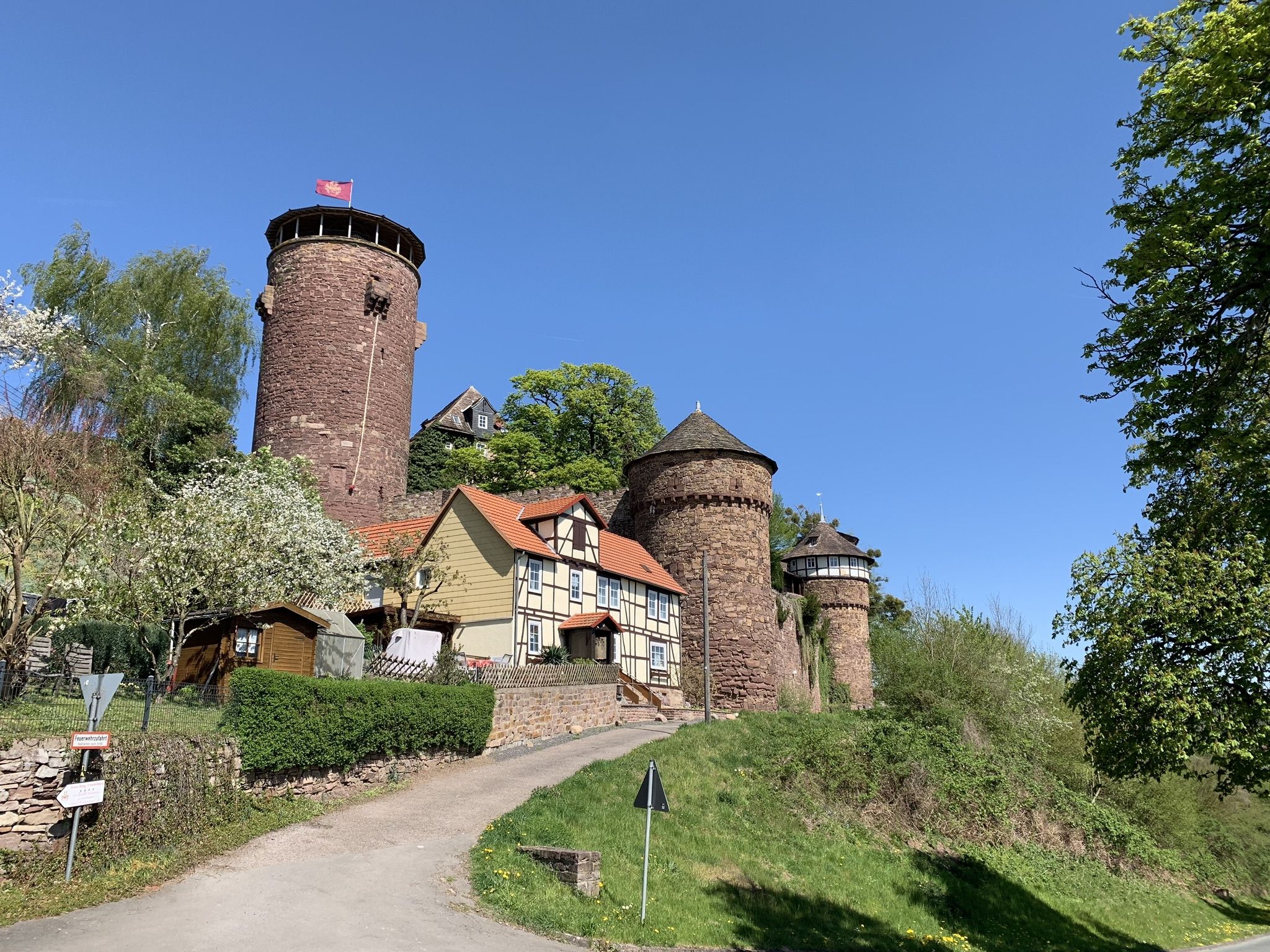
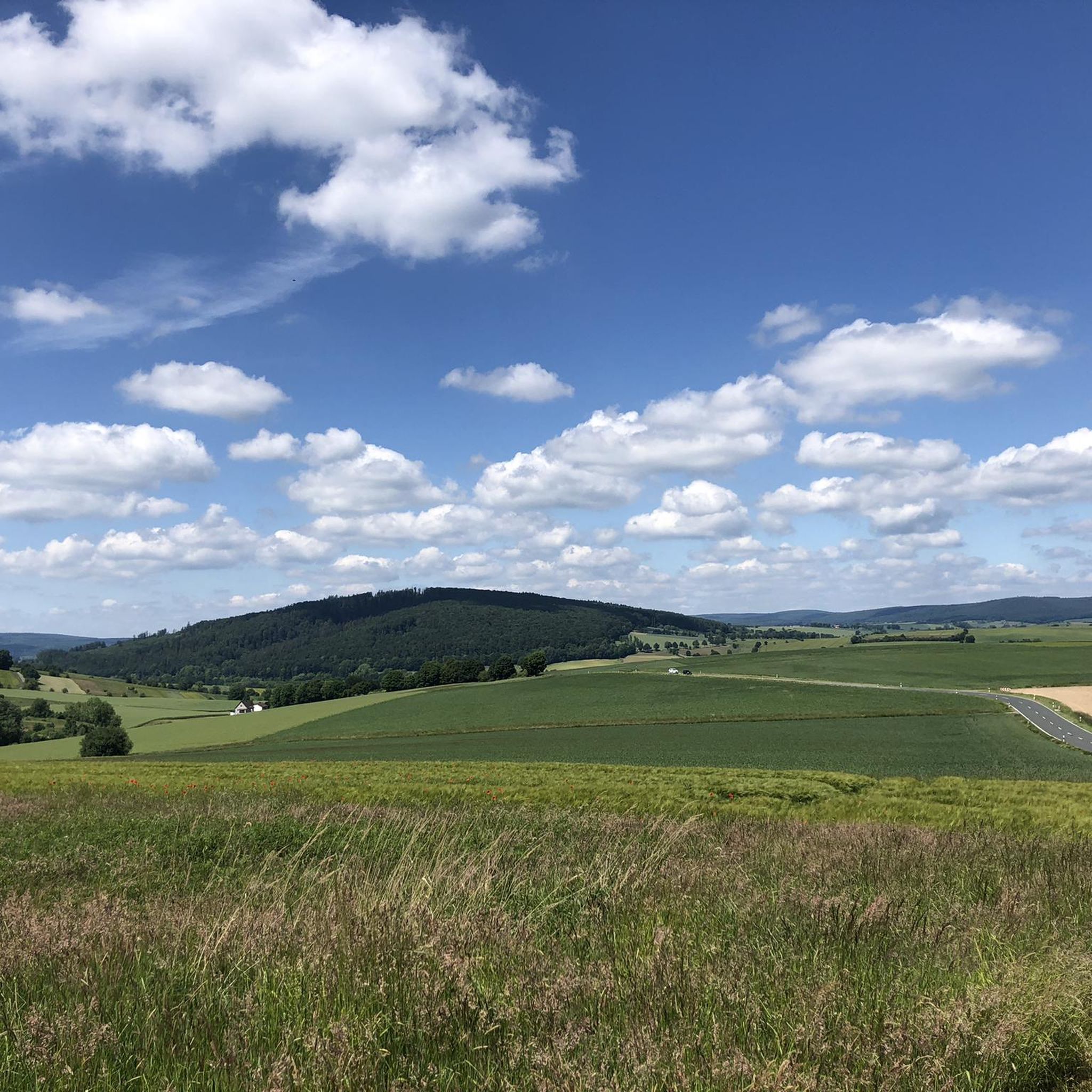
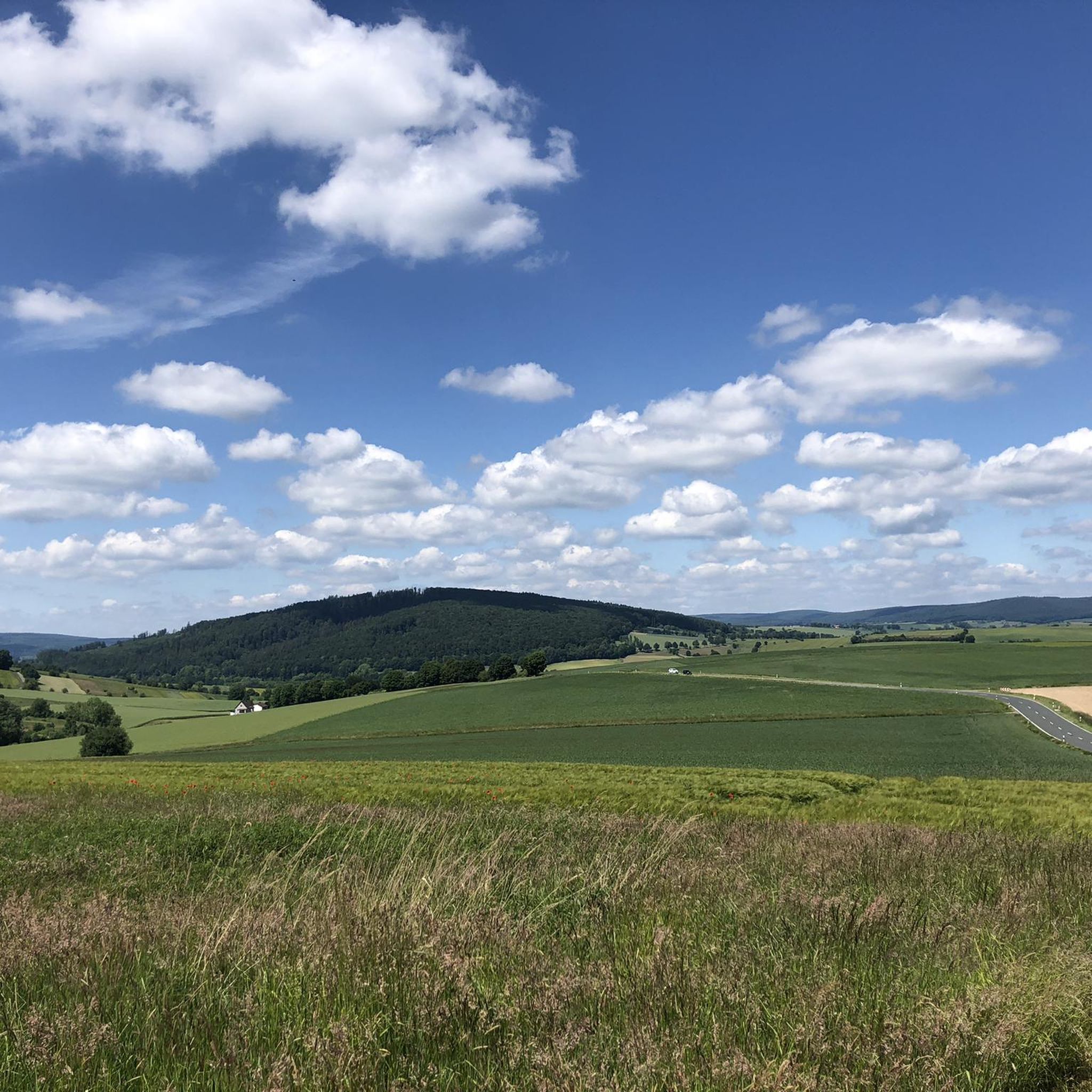
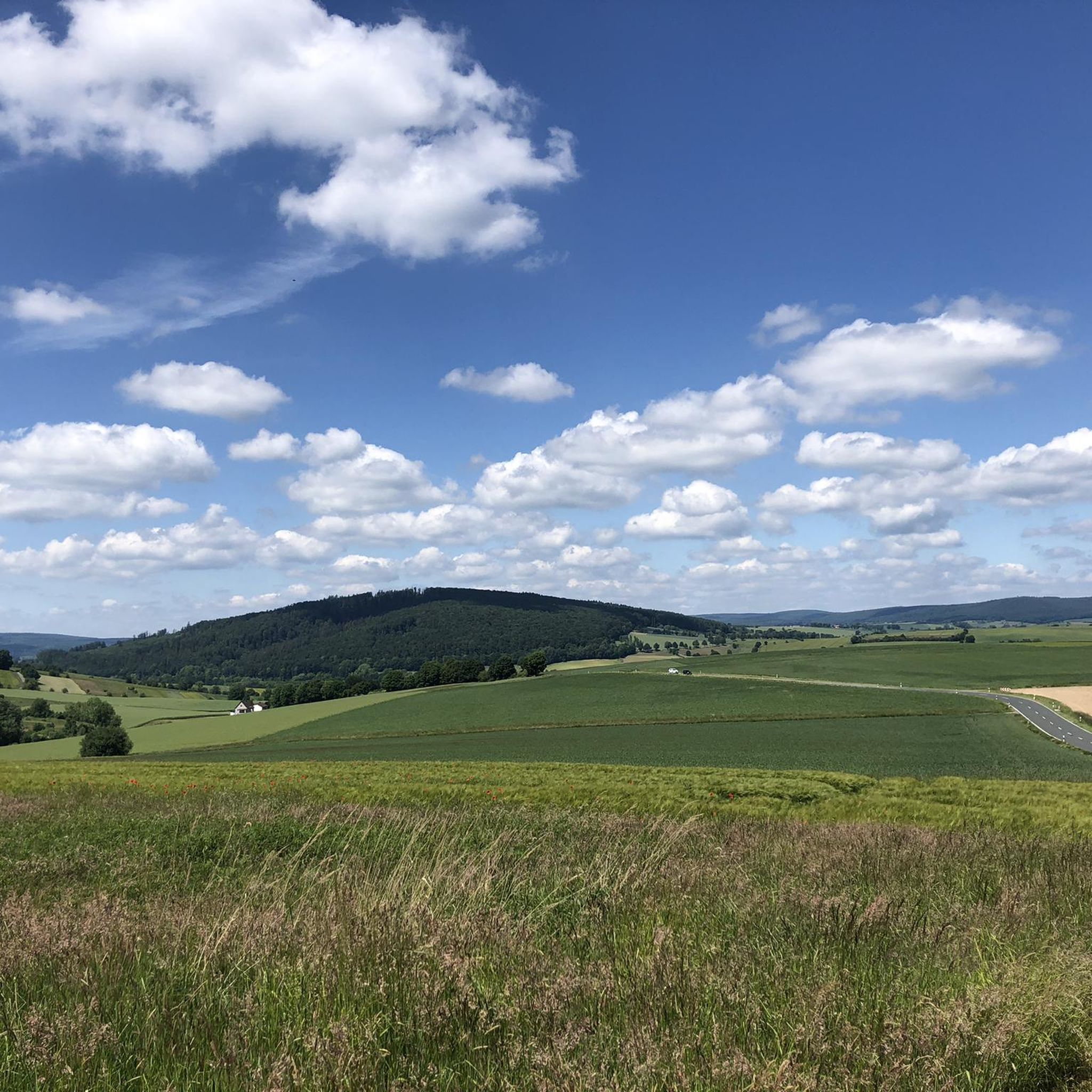
Other adventures around Lippoldsberg

Tips from the Community

Beautiful castle complex that towers over the city.
0
0

A large, publicly accessible castle complex with buildings of very different architectural styles. Unfortunately, the residential tower is not accessible.
0
0

The village first appears at the end of the 8th century under the name Heristal, presumably named by Charlemagne, who set up his military camp here in 797/798 during the Saxon War. The Karlstein, located just a few meters from Herstelle Castle, is believed to commemorate Charlemagne's stay, but it still poses many mysteries today. The castle, which is the landmark of Herstelle, was first mentioned in local history in 1292. The current castle building was built between 1826 and 1832 as a manor house, where later well-known personalities such as Annette von Droste-Hülshoff, whose 200th birthday was celebrated in 1997, and the Brothers Grimm often enjoyed staying. After World War II, the castle was used as a recreational facility by its various owners until 1983. A planned conversion into a hotel could not be realized, and thus the castle's future remains uncertain. Not far from the castle is the Benedictine Abbey of the Holy Cross, acquired in 1899 by Benedictine nuns from Luxembourg who had to leave their home monastery in Trier. The nuns living here live according to the principle of "ora et labora" and are also active in the artistic and literary fields. The nuns secure their livelihood through the sale of handicrafts and books in a book and art shop attached to the monastery. Income from the monastery garden also helps the nuns finance their living expenses. In the center of Herstelle is the Catholic Church of St. Bartholomew, built in 1711. Particularly noteworthy are the colorful stained glass windows in the six windows of the nave, which include a depiction of Charlemagne. Source: https://www.herstelle.de/unser-dorf/
1
0

Great view of Herstelle.
2
0


Good place to rest at the moated castle, with a very rustic overnight stay
7
0

The Wülmersen moated castle was founded around 1108, as can be dated from the buildings. It was owned by the Helmarshausen monastery. Around 1330 the Knights of Stockhausen ran a farm here. Over time, the medieval courtyard was expanded, the wooden ape was diverted for a moat and a new house was built next to the medieval estate. After homeless refugees were settled here after the Second World War, the medieval estate ensemble remained completely unused and fell into disrepair, so that some buildings even collapsed. From 1987, painstaking work was carried out to rebuild it, so that the Wülmersen moated castle can now be admired again in its former glory. There is also a café on the site today, as well as an agricultural museum on the upper floor of the barn. The museum can be entered via the café. The 3 € entrance fee is to be paid at the cash desk of the café. The exhibition is very informative, not too big, but still very nice. Many photos from the region hang on the walls. You can certainly spend some time here, especially since each building on the estate also has its own information boards. An audio tour of Wülmersen can also be used for a fee.
4
0

In the meantime, a very nicely restored facility. In the 1950s the facility was abandoned and declared abandoned. In 1987 the sad remains were acquired by the Association for Education and Training (AuF) in the district of Kassel e.V. and the ruins were secured and rebuilt.
9
0
Frequently Asked Questions
What historical sites, beyond traditional castles, can I visit in Lippoldsberg?
While traditional castles are less prominent directly in Lippoldsberg, the most significant historical site is the Lippoldsberg Monastery. This former Benedictine convent features a remarkably well-preserved Romanesque church, built around 1150, and is considered a monument of national importance. It offers a deep dive into medieval history and architecture. You can learn more about its history and significance on Wikipedia.
Are there any well-preserved castles to visit near Lippoldsberg?
Yes, several well-preserved castles are accessible. Wülmersen Moated Castle has been extensively restored and includes a cafe with regional delicacies. Another notable site is Trendelburg Castle, which now houses a hotel and restaurant, and allows visitors to climb its tower for panoramic views. The famous Sababurg (Sleeping Beauty Castle) also offers a romantic historical experience.
Where can I find castle ruins with panoramic views in the area?
The Krukenburg Ruins are a popular destination for panoramic views. Its accessible keep offers expansive vistas of the northern Hessian hills, the Solling region, and the historic town of Helmarshausen. Additionally, the tower at Trendelburg Castle provides excellent views, with Kassel visible on clear days.
Are there family-friendly castles around Lippoldsberg?
Yes, Wülmersen Moated Castle is considered family-friendly, offering a restored facility and a cafe. The Sababurg (Sleeping Beauty Castle) is also a great option for families, known for its fairytale connection and historical charm.
What kind of outdoor activities can I do near these castles?
The region around Lippoldsberg offers various outdoor activities, especially cycling. You can find numerous routes for touring bicycles, road cycling, and gravel biking. For example, explore routes like the 'Oedelsheim Ferry House – Bursfelde Abbey loop' for touring bicycles, or the 'Bursfelde Abbey (Benedictine) – Berlepsch Castle loop' for road cycling. Discover more options on the Cycling around Lippoldsberg, Road Cycling Routes around Lippoldsberg, and Gravel biking around Lippoldsberg guides.
Are there hiking or walking routes around the castles?
While specific hiking routes directly linked to individual castles are not detailed, the area's natural landscape lends itself to walking. Many of the cycling routes mentioned in the Cycling around Lippoldsberg guide can be adapted for walking, offering scenic paths through the Weser Uplands and along the river. The Lippoldsberg Monastery itself is accessible via the Weser Cycle Path, suggesting pleasant walking opportunities nearby.
What are some unique architectural features of the historical sites in Lippoldsberg?
The Lippoldsberg Monastery Church is a prime example of Romanesque architecture, characterized by thick walls, rounded arches, and a monumental basilica style. Its core structure from around 1150 is exceptionally well-preserved. Inside, you'll find a Romanesque narthex, a unique stone baptismal font, and a 'nuns' crypt' that creates an enclosed church-within-a-church feel. Adelebsen Castle is also notable for its structural evolution over centuries, featuring one of the largest medieval towers in Europe.
Can I find places to eat or rest near the castles?
Yes, several sites offer amenities. Wülmersen Moated Castle has the Cafe Mehlschwalbe, offering homemade regional delicacies. Trendelburg Castle houses a hotel and a cozy restaurant. The Klosterpforte at Lippoldsberg Monastery also provides a monastery shop with regional products and a traditional hostel.
What do visitors particularly enjoy about the castles and historical sites in this region?
Visitors appreciate the blend of history and natural beauty. The well-preserved Romanesque architecture of Lippoldsberg Monastery, the panoramic views from Krukenburg Ruins and Trendelburg Castle, and the unique historical significance of sites like Adelebsen Castle are frequently highlighted. The komoot community has shown strong engagement, with over 800 upvotes and more than 100 photos shared across these locations.
Is there a 'Sleeping Beauty Castle' near Lippoldsberg?
Yes, the famous Sababurg (Sleeping Beauty Castle) is located in the heart of the Reinhardswald, within the Grimm homeland of North Hesse. It's a romantic spot that offers history, art, and nature, making it a popular destination for those interested in fairytales and historical sites.
What is the best time of year to visit the castles around Lippoldsberg?
The castles and historical sites around Lippoldsberg are generally enjoyable year-round. Spring and summer offer pleasant weather for exploring the grounds and nearby cycling paths. Autumn provides beautiful foliage, enhancing the scenic views from castle ruins. Even in winter, the historical sites can offer a unique, serene experience, though some outdoor amenities might be limited.
Are there any castles that offer unique historical insights or stories?
Absolutely. The Krukenburg Ruins have an extraordinary history, known as a 'replica' of the Church of the Holy Sepulcher in Jerusalem. Sababurg is famously associated with the Brothers Grimm's Rapunzel fairytale. Adelebsen Castle is fascinating for its structural growth over centuries, reflecting different eras of construction and ownership.
How can I explore the area around the castles by bike?
The region is very bike-friendly, with dedicated guides for various cycling styles. You can find routes for touring bicycles, road cycling, and gravel biking that pass by or near many historical sites. For example, the 'Bad Karlshafen – Sababurg Castle loop' is a road cycling route that takes you past the Sleeping Beauty Castle. Explore detailed routes and guides on Cycling around Lippoldsberg, Road Cycling Routes around Lippoldsberg, and Gravel biking around Lippoldsberg.
Most popular routes around Lippoldsberg
Most popular attractions around Lippoldsberg

Get inspired with the komoot mobile app


Explore more
Looking for the best castles somewhere else? Discover other guides around Lippoldsberg:
