Top 20 Natural Monuments around Neunkirchen am Brand
Natural monuments around Neunkirchen am Brand offer diverse natural features in the Forchheim district of Bavaria. The region is characterized by its location in the foothills of the Franconian Alb, featuring witness mountains like the Walberla and Rodenstein, and valleys such as the Wiesenttal. Visitors can explore a variety of natural landmarks, including unique geological formations and historic trees. This area provides opportunities to experience the natural landscape through its more than 7 designated natural monuments.
Best natural monuments around…
Last updated: September 29, 2026
St. Walburga's Chapel and Statue, Walberla Plateau
Highlight • Religious Site
Translated by Google •
Tip by

Lillach Tufa Terraces
Highlight • Waterfall
Translated by Google •
Tip by

Sign up now to discover places like this
Get recommendations on the best single tracks, peaks, & plenty of other exciting outdoor places.
Rodenstein
Highlight • Summit
Translated by Google •
Tip by

Lillach Spring
Highlight • Natural
Translated by Google •
Tip by
View of the Wiesent Valley from the Walberla
Highlight • Viewpoint
Translated by Google •
Tip by

Sign up for free to discover even more natural monuments around Neunkirchen am Brand.
Already have an account?
Start today with a free account
Your next adventure awaits.
Popular around Neunkirchen am Brand
Tips from the Community

Statue of St. Walburga, Walberla High Plateau in the Ehrenbuerg Nature Reserve, Kirchehrenbach, Franconian Switzerland, Franconia
12
1
The Ehrenbürg is one of the most popular destinations in Franconian Switzerland. With its double dome, it is framed by the communities of Kirchehrenbach, Leutenbach and Wiesenthau. The Walberla is the northern peak of the mountain and is at around 513 m.
9
0
The Sankt-Walburgis-Chapel is the namesake of the "Walberla-Berg". The chapel was already built in the 17th century. It is dedicated to Saint Walburga. The chapel, which was probably first mentioned in 1350, was originally made of wood. The current chapel was built in 1697 by the Lords of Wiesenthau. The bronze statue of Saint Walburga, which stands in front of the chapel and was inaugurated in 2000, is very striking.
13
0

In front of the chapel there is a sculpture of St. Walburga by the sculptor Ernst Steinacker with the inscription "God in your heart".
12
1

For me, the Walberla is the landmark of Forchheim and the region, easy to reach, a haven of peace to switch off, many unusual grasses and plants thrive in the nature reserve, so it's important to stick to the paths.
9
0

The chapel, visible from afar, was built in the 17th century. At the chapel door you can see inside through the narrow light cutout. Many 🕯️🕯️🕯️ were set up there. The bronze statue "Heilige Walburga" in front of the ⛪ is an eye-catcher. Especially nice during the evening☀️.
18
0
Excellent view in clear weather ☀️! The 3rd summit cross was ruined by storms and had to be rebuilt and set up.
13
0

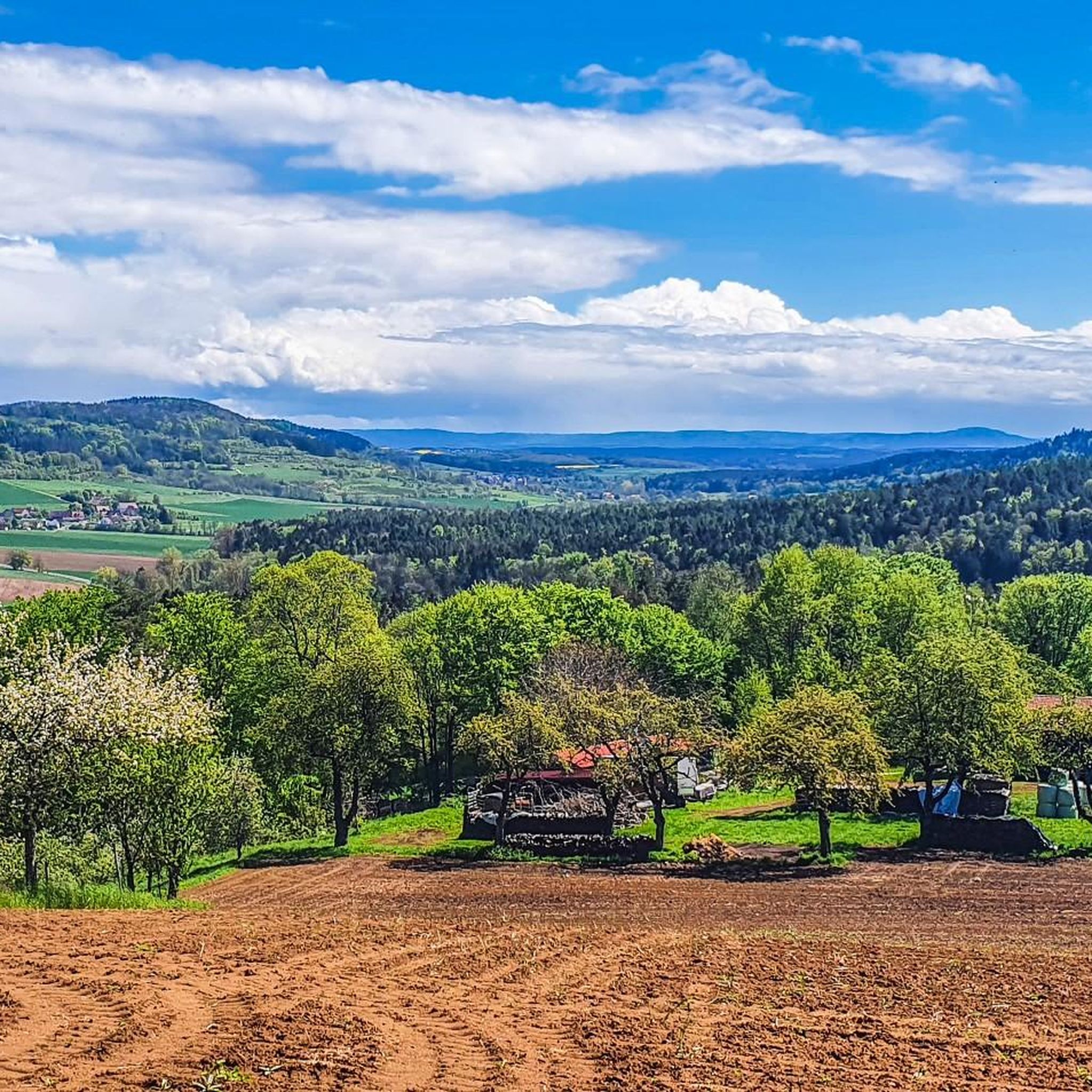
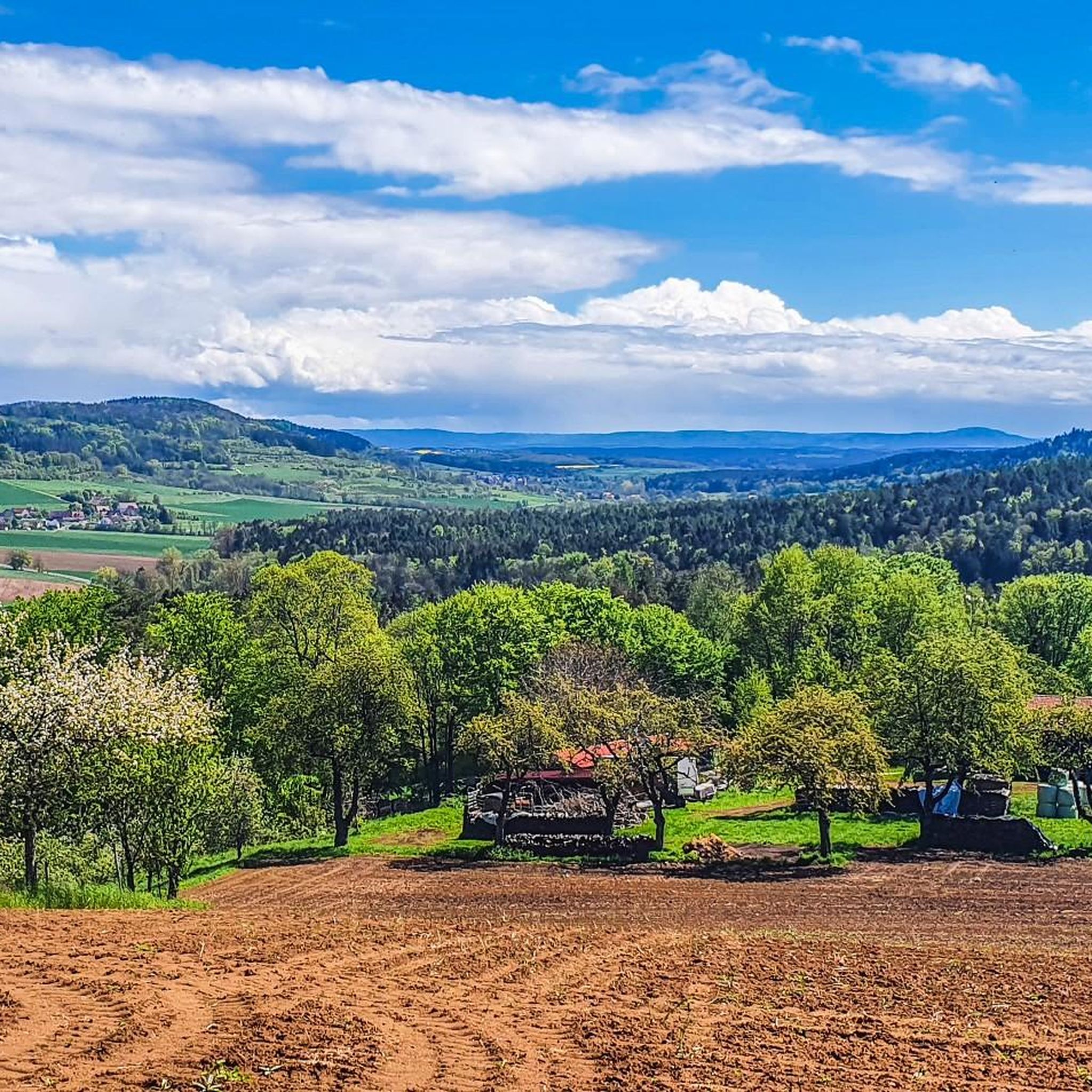
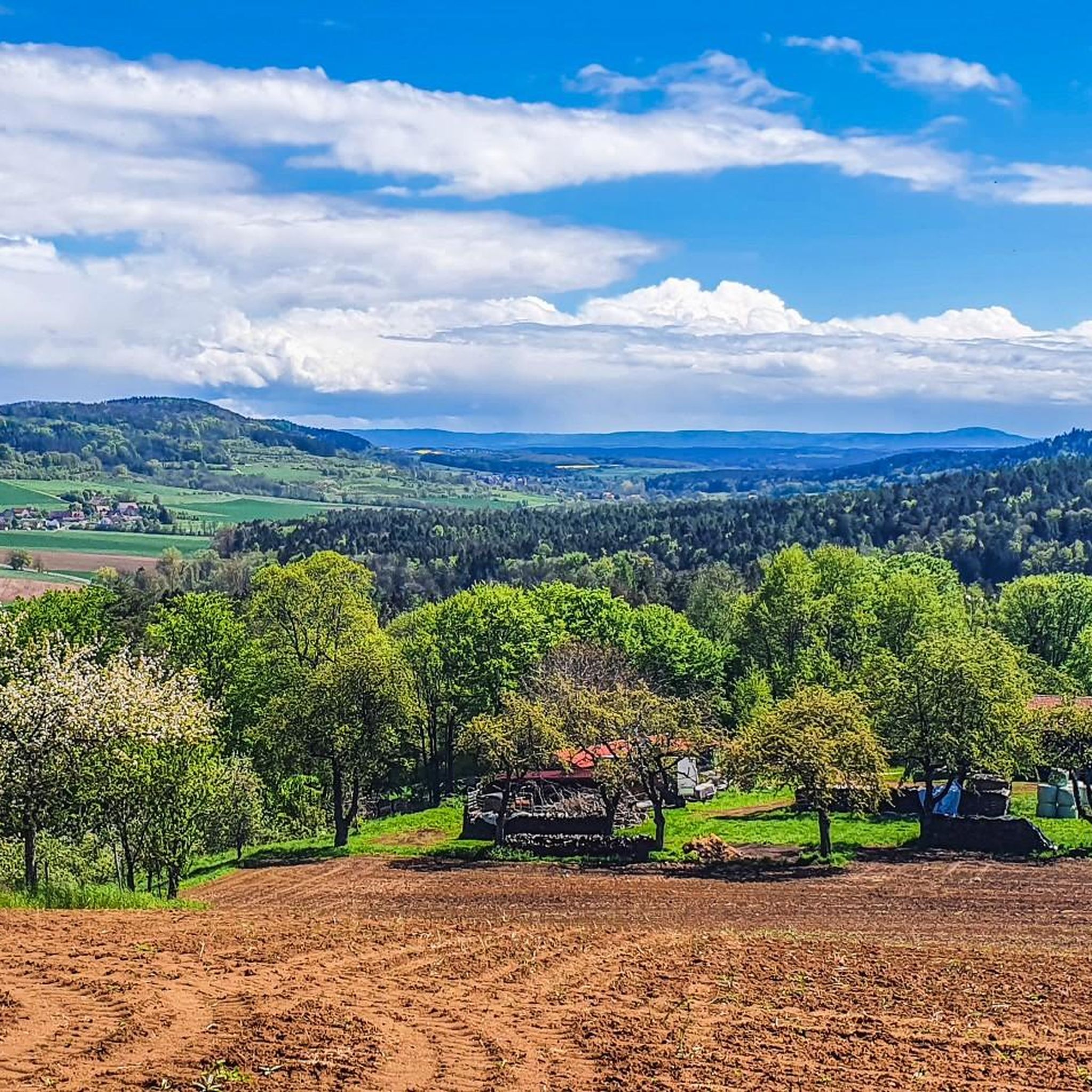
360 degree all-round view. The view into the distance is phenomenal.
11
2
Frequently Asked Questions
What unique geological features can I explore around Neunkirchen am Brand?
The region is known for its distinctive geological formations. A prime example is the Lillach Tufa Terraces, where lime-rich water creates unique terraced formations. You can also visit the Lillach Spring, a karst spring designated as a Geotope, where water flows from under a stone.
Are there any historical or cultural natural monuments in the area?
Yes, the area combines natural beauty with historical significance. The St. Walburga's Chapel and Statue on the Walberla Plateau is a notable example, featuring a 17th-century chapel and a bronze statue of Saint Walburga. Additionally, the Luitpoldlinde in the Monastery Courtyard and the Schillereiche are officially recognized natural monuments, often associated with historical figures or events.
What are the best viewpoints to experience the natural landscape?
For breathtaking panoramic views, the View of the Wiesent Valley from the Walberla offers a 360-degree vista. Another excellent spot is the Rodenstein Summit (Ehrenbürg — South Peak), which provides magnificent views of the surrounding area after an ascent.
Are there family-friendly natural monuments or trails suitable for children?
Yes, the Lillach Spring is considered family-friendly, offering a fantastic playground for children and a picnic area. While the path to the Lillach Tufa Terraces has some steps, it's generally well-developed and offers beautiful nature, though it might be only partially suitable for prams.
What kind of outdoor activities can I do near the natural monuments?
The region offers diverse outdoor activities. You can explore various running trails, with options like the 'Großenbuch Tour' or 'Achtsam am Weg Chapel' loop. For cycling enthusiasts, there are gravel biking routes such as the 'View of Walberla – Lillach Spring loop' or general cycling routes like the 'Forchheim Gate – Mindful on the Way Chapel loop'. You can find more details on these activities on the respective guide pages for Running Trails, Gravel Biking, and Cycling around Neunkirchen am Brand.
What is the best time of year to visit the natural monuments around Neunkirchen am Brand?
While many natural monuments are enjoyable year-round, spring and autumn are particularly recommended. Spring offers lush greenery and ample water flow at features like the Lillach Tufa Terraces. Autumn transforms the Brand River Valley with vibrant reds and golds, making it especially captivating. Clear days are best for panoramic views from summits like the Rodenstein Summit.
Are there any natural monuments that are easily accessible or wheelchair-friendly?
The St. Walburga's Chapel and Statue on the Walberla Plateau is noted as wheelchair accessible, offering a chance to experience a significant natural and historical site. While some trails may have steps, efforts are often made to provide accessible paths where possible.
What do visitors enjoy most about the natural monuments in this region?
Visitors frequently praise the phenomenal 360-degree views from spots like the Walberla. The unique geological formations, such as the Lillach Tufa Terraces, are also highly appreciated for their rarity and beauty. Many enjoy the serene atmosphere and the opportunity for leisurely breaks at places like the Lillach Spring, especially with children.
Are there any notable trees designated as natural monuments?
Yes, Neunkirchen am Brand is home to several historically significant trees. These include the Linde at the Felsenkeller, the Luitpoldlinde in the Monastery Courtyard, and the Schillereiche, all officially recognized for their local significance, age, or historical importance.
Can I find waterfalls or lakes among the natural monuments?
While the Lillach Tufa Terraces feature water cascades, the Altomünster Waterfall is another beautiful natural attraction in the area, known for its cascades into a clear pool. For tranquil water bodies, the Neunkirchener See offers an idyllic setting for picnics and strolls, reflecting the surrounding mountains.
What kind of terrain can I expect on trails around the natural monuments?
The terrain around Neunkirchen am Brand varies, reflecting its location in the foothills of the Franconian Alb. You can expect witness mountains like the Walberla and Rodenstein, which involve ascents to reach viewpoints. Trails along features like the Lillach Tufa Terraces may have some steps but are generally well-developed. The Brand River Valley offers paths through steep canyons.
Are there facilities available near the natural monuments, such as picnic areas?
Yes, the Lillach Spring is equipped with facilities, including a picnic area, making it a convenient spot for a break during your hike. Other areas, especially popular viewpoints, often have benches where you can rest and enjoy the scenery.
Most popular routes around Neunkirchen am Brand
Most popular attractions around Neunkirchen am Brand

Get inspired with the komoot mobile app


Explore more
Extend your search for the best caves by checking out these guides of the top ones around Neunkirchen am Brand:
