Top 20 Caves around Heiligenstadt
Best caves around Heiligenstadt are found in a region of Thuringia, Germany, known for its diverse natural landscapes and geological formations. The area features a variety of cave types, from natural karst formations to those with historical and legendary significance. These underground sites offer insights into geological processes and past human activity. The region provides opportunities for exploring unique subterranean environments.
Best caves around Heiligenstadt
- The most popular caves is Oswald Cave, a karst cave located on the Hollow…
Last updated: October 9, 2026
Oswald Cave
Highlight • Cave
Translated by Google •
Tip by

Quackenschloss
Highlight • Cave
Translated by Google •
Tip by

Sign up now to discover places like this
Get recommendations on the best single tracks, peaks, & plenty of other exciting outdoor places.
Riesenburg Collapse Cave
Highlight • Cave
Translated by Google •
Tip by

Esper Cave
Highlight • Cave
Translated by Google •
Tip by

Rosenmüller Cave
Highlight • Cave
Translated by Google •
Tip by

Sign up for free to discover even more caves around Heiligenstadt.
Already have an account?
Start today with a free account
Your next adventure awaits.
Popular around Heiligenstadt
The Franconian Trail – A Diverse Hiking Dream Across 24 Stages
Breweries, hops & beer – Four days hiking in Franconian Switzerland
Castles, mountains, beer & trails – bikepacking in Franconian Switzerland
Hike & Beer in Franconia and Upper Palatinate — the VGN leisure tips
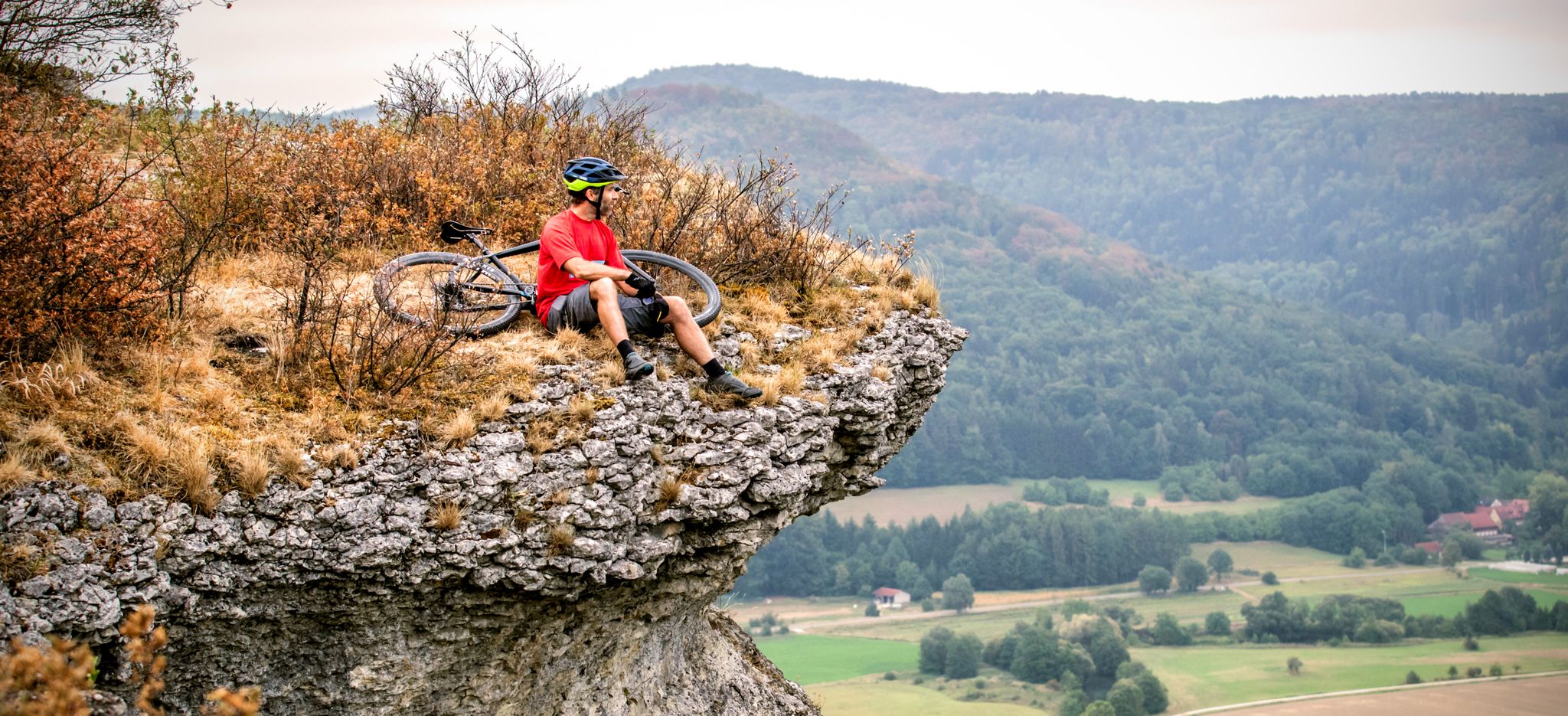
The 10 most beautiful mountain bike Tours in Franconian Switzerland
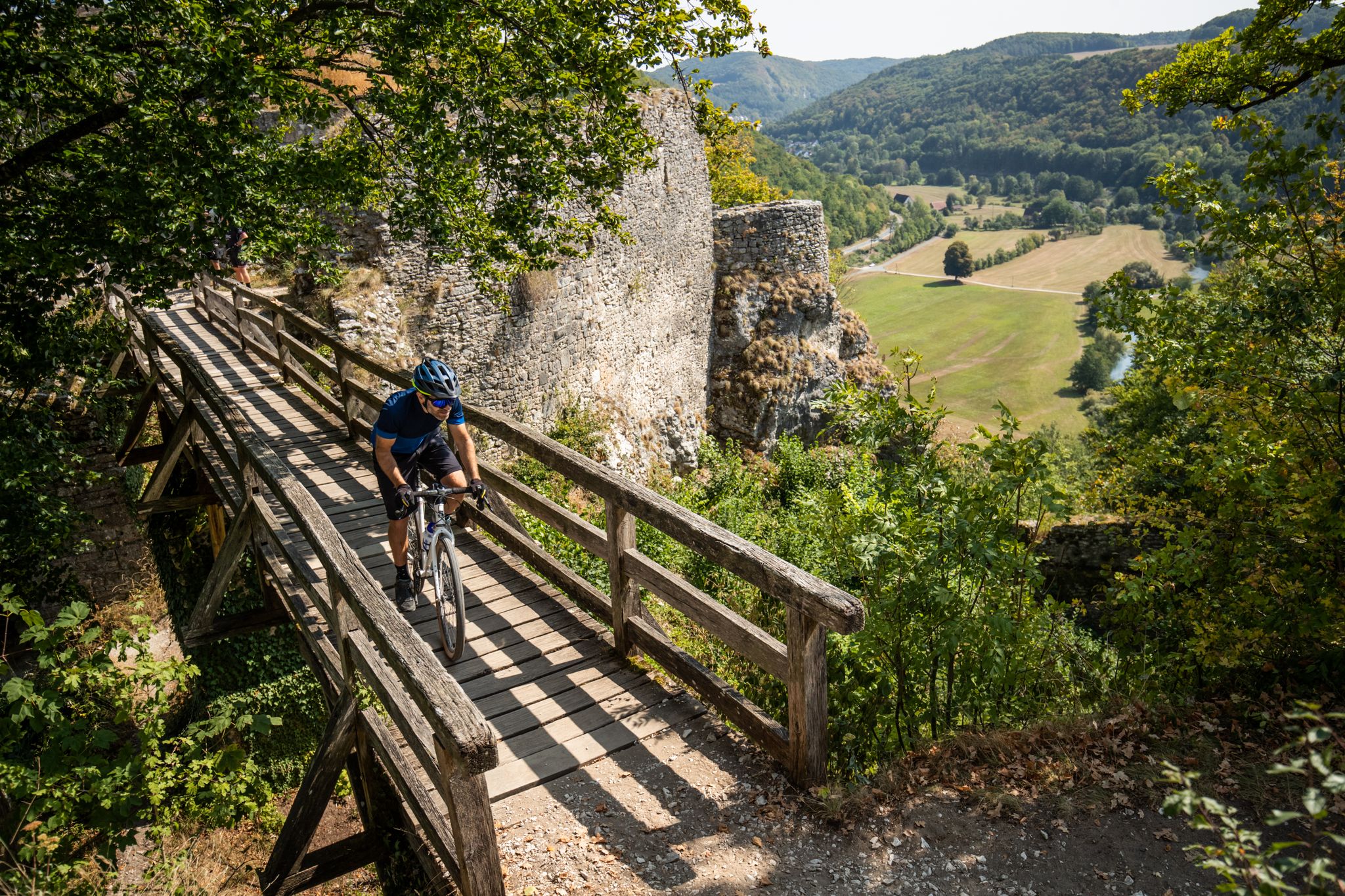
Castles, bikes and beer — a mountain biking paradise in Franconian Switzerland
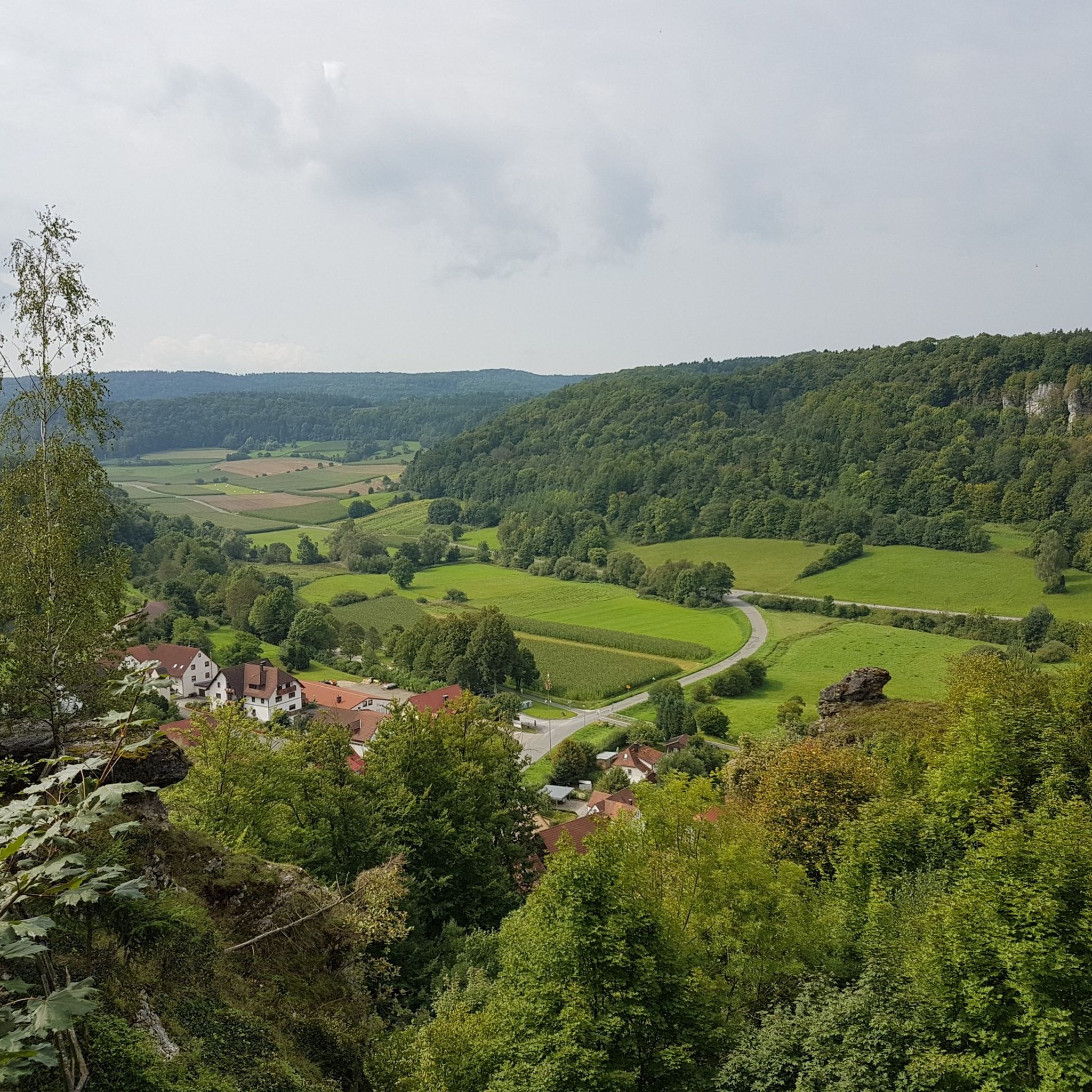
Hiking around Heiligenstadt
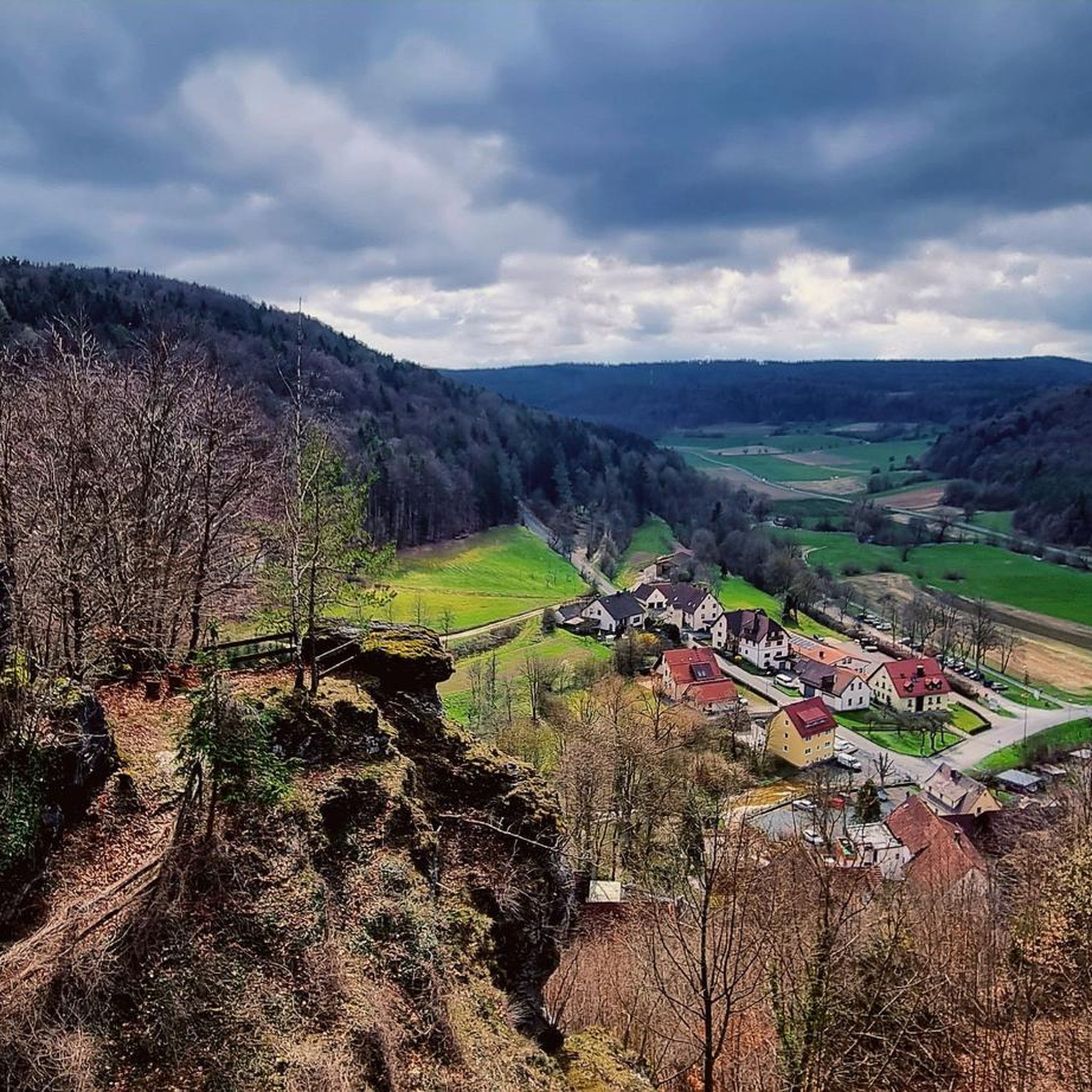
Cycling around Heiligenstadt
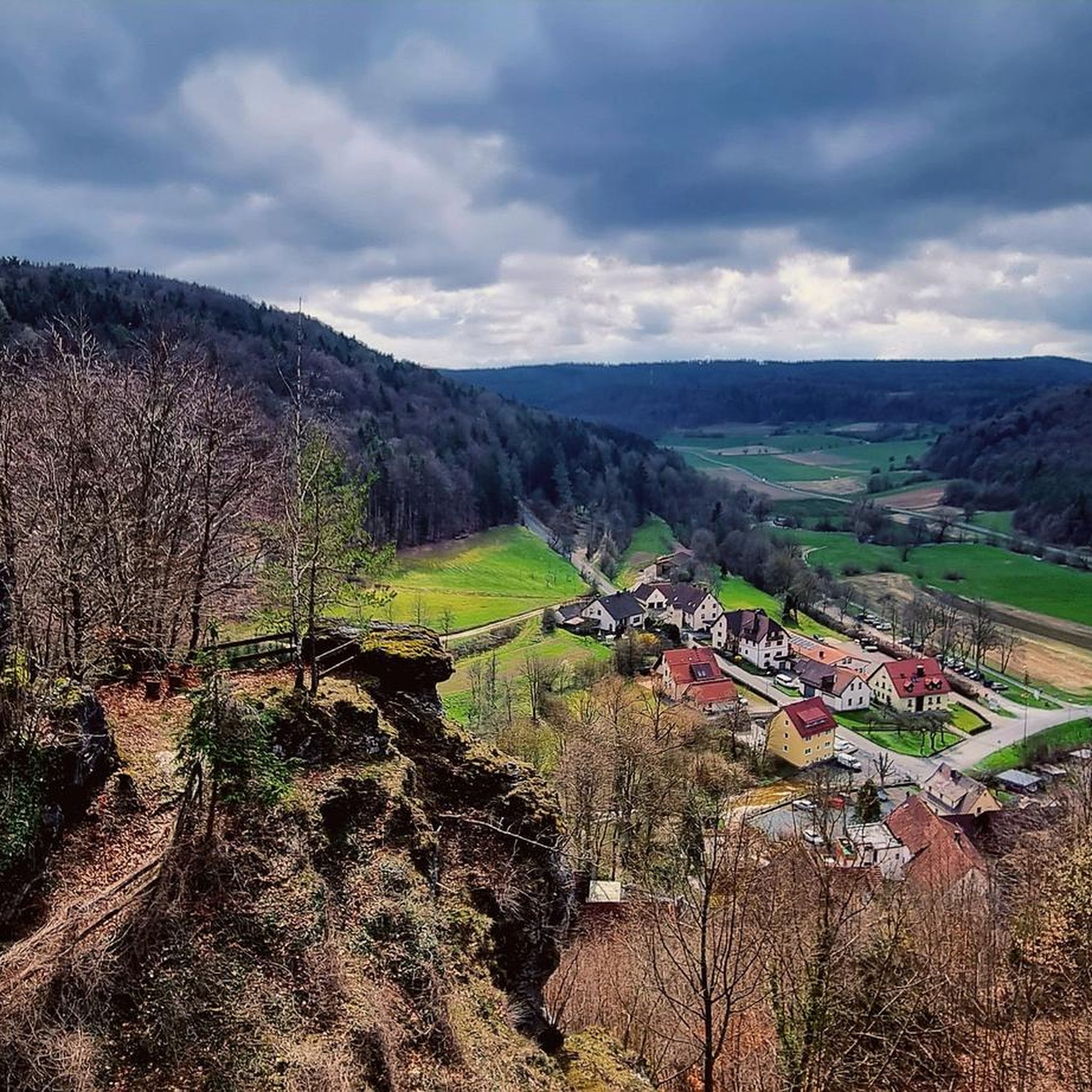
MTB Trails around Heiligenstadt
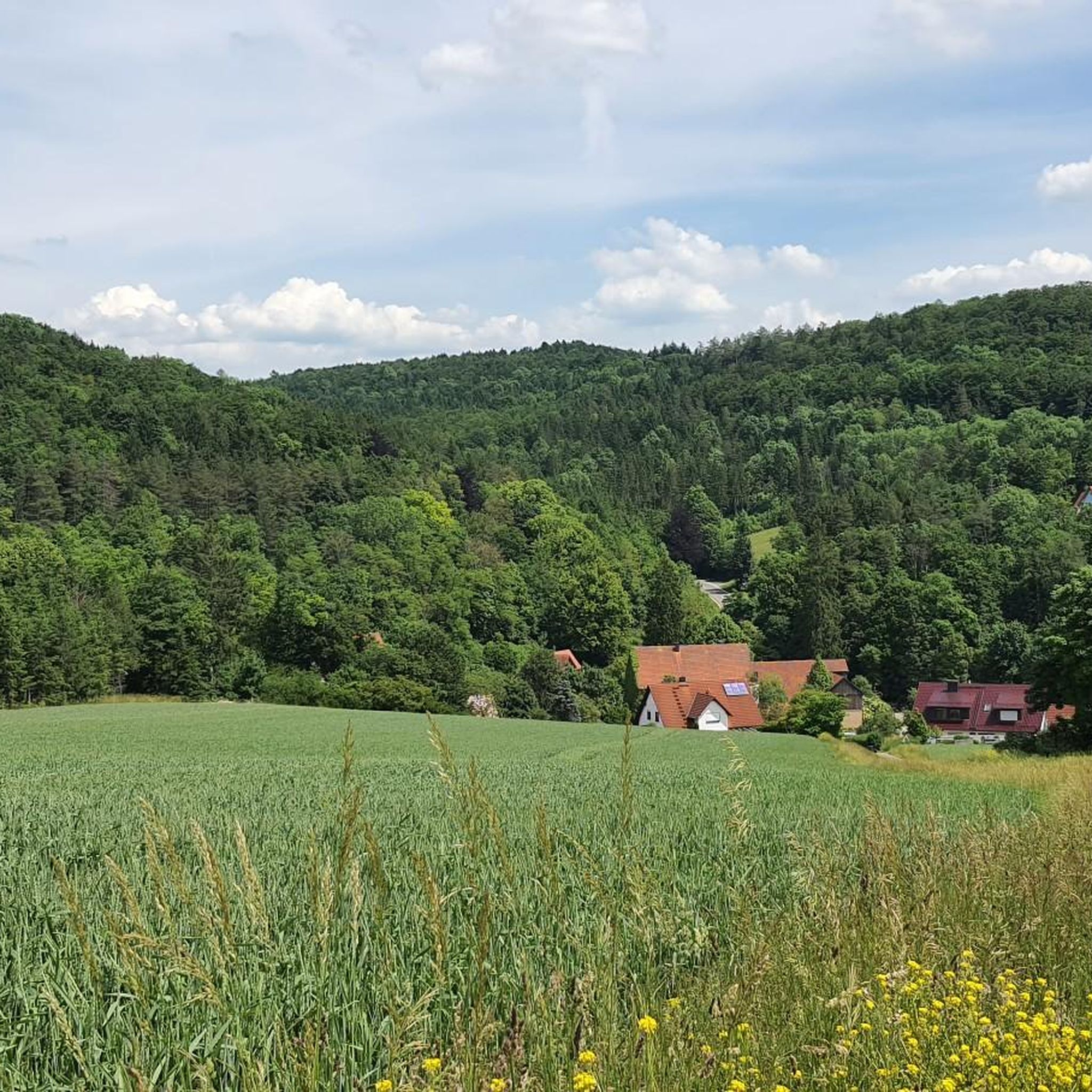
Running Trails around Heiligenstadt
Other adventures around Heiligenstadt


Tips from the Community

A great cave that is a lot of fun to explore. Please remember to wear sturdy shoes and bring your flashlight
2
0

The Quackenschloss is a passage cave about 18 meters long. It is the remains of a very old and high-lying cave system. The rock wall has a patchy appearance due to the weathering of individual shells. The cave probably gets its name from this rock composition. The type of stone with holes in it (smokewacke) is called quacke here. The oblique oval shape of the cave is determined by two longitudinal fissures and two diagonally sloping bank joints. Two larger fissures cross the passage. One portal is about 7 meters wide and 2.5 meters high, the other, divided by a rock pillar, is about 9 meters wide and 5 meters high. The cave is registered as C 4 in the Franconian Alb Cave Register (HFA). It has been designated by the Bavarian State Office for the Environment as an important geotope (474R060)[1] and as a natural monument (ND-04580). The cave, which is easily accessible via hiking trails, is one of the most frequently visited destinations in the Franconian Jura, also because of its scenic location. There is a sport climbing area next to the cave. Source: Wikipedia
19
0

The Quackenschloss is a cave ruin, the remains of which belong to a very high (505 meters) and therefore very old cave system. The rock grotto, which is about three meters high and six meters wide, is open on two sides and can be safely entered from the east side. In the gallery cave, which takes its name from the enclosed fossils, the so-called Quacken, the remains of a 17-meter-long cave system can be explored.
17
0

A small steep path leads to the roof of the Quakenschloss. Great view from above.
14
0
The Oswald cave is a passage cave that can be crossed effortlessly.
19
0

It's a magical place, be sure to go through the passage to the "crater".
2
0

The Oswald cave is a beautiful passage cave, you should take a flashlight with you because of the height, it is accessible all year round.
21
1

If you want to illuminate them with tea lights, you should take a whole bag with you. And a rubbish bag: for the burned-out little lights. Attention, it is slightly slippery on the greasy stones... Have fun!!
14
0
Frequently Asked Questions
What types of caves can I explore around Heiligenstadt?
The region around Heiligenstadt features a variety of cave types, including natural karst formations, collapse caves like the Riesenburg Collapse Cave, and historical cave ruins such as Quackenschloss. Some, like the Zwergenhöhle, also have local legends and historical significance.
Are there family-friendly caves to explore around Heiligenstadt?
Yes, several caves are suitable for families. The Esper Cave is walkable and features educational information boards. The Zwergenhöhle is described as an adventurous experience for all ages, though a headlamp is recommended for its tunnels. Quackenschloss is also tagged as family-friendly and easily accessible via hiking trails.
What historical or geological significance do the caves around Heiligenstadt hold?
Many caves in the region have significant historical and geological importance. The Esper Cave is a natural monument and historical site where human bones and artifacts from the Late Hallstatt and Early La Tène periods were found. Quackenschloss is recognized as an important geotope due to its significant karst features and is a remnant of an ancient cave system. The Zwergenhöhle is associated with local legends and was once a hermitage.
What should I know about accessibility and terrain for these caves?
Accessibility varies by cave. The Oswald Cave is a passage cave that can be crossed effortlessly, though a flashlight is needed for its 15-meter length. The Esper Cave is walkable, but visitors should be aware of secured shafts up to 20 meters deep. Visiting the Riesenburg Collapse Cave involves a short walk down numerous steps. For Rosenmüller Cave and Quackenschloss, be mindful of potentially slippery 'greasy stones'.
Are there any caves near Heiligenstadt that are particularly refreshing in warm weather?
Yes, the Esper Cave is known for its noticeably cooler air, even before entering, making it a refreshing visit during warmer months. The cave's natural air circulation can preserve ice well into August.
What outdoor activities can I combine with a visit to the caves around Heiligenstadt?
The region offers various outdoor activities. You can find numerous hiking trails, such as those leading to Quackenschloss. For more extensive hiking, explore routes like the 'Around the Altenberg Loop Trail' or 'Upper Leinleiter Valley' from the Hiking around Heiligenstadt guide. Mountain hikes are also popular, with routes like 'Hohes Kreuz Observation Tower – Riesenburg Collapse Cave loop' available in the Mountain Hikes around Heiligenstadt guide.
What are some unique features or experiences offered by the caves in this region?
The caves offer unique experiences. The Quackenschloss is a 'cave ruin' with a sport climbing area next to it, and its rock composition is unique due to 'Quacken' (enclosed fossils). The Riesenburg Collapse Cave is an impressive natural wonder formed by erosion. The Zwergenhöhle, or Dwarf Cave, is steeped in local legends of dwarves and robbers.
Are there any caves that require special equipment like a headlamp?
Yes, for the Oswald Cave, a flashlight is definitely recommended to safely navigate its 15-meter length. The Zwergenhöhle also requires a headlamp to explore its tunnels for an adventurous experience.
What do visitors particularly enjoy about the caves around Heiligenstadt?
Visitors frequently praise the impressive natural formations and the sense of adventure. The Riesenburg Collapse Cave is often described as 'absolutely impressive.' The Esper Cave is appreciated for its cool air and educational aspects. Many enjoy the unique geological features and the historical context of sites like Quackenschloss.
Are there any caves in the wider Thuringian region worth noting?
Beyond Heiligenstadt, the broader Thuringian region features other significant caves. The Marienglashöhle (Marienglas Cave) in the Thuringian Forest is known for its large gypsum crystal druses and hosts concerts. The Altensteiner Höhle (Altenstein Cave) is the longest cave in Thuringia. The Saalfeld Fairy Grottoes (Saalfelder Feengrotten) are famous for their vibrant colors and are recognized as Germany's oldest healing gallery.
Can I bring my dog to the caves?
While some outdoor areas around the caves are dog-friendly, specific rules for entering the caves themselves can vary. For the Esper Cave, it is essential to leash your dog, especially due to deep, secured shafts. Always check local signage or official websites for specific regulations regarding pets within cave entrances or guided tours.
Most popular routes around Heiligenstadt
Most popular attractions around Heiligenstadt

Get inspired with the komoot mobile app


Explore more
Extend your search for the best caves by checking out these guides of the top ones around Heiligenstadt:
