Top 20 Caves around Rockeskyll
Best caves around Rockeskyll are found in the Vulkaneifel region, an area characterized by its volcanic origins and diverse natural landscapes. Rockeskyll itself is known for the Rockeskyller Kopf, an extinct volcano. The surrounding area offers a blend of natural karst formations and artificial caves created through historical millstone mining. These sites provide insights into both geological processes and past human industry.
Best caves around Rockeskyll
- The most popular caves is Buchenloch Cave, a natural karst cave. This cave…
Last updated: October 9, 2026
Buchenloch Cave
Highlight • Cave
Translated by Google •
Tip by

Millstone Cave at Nerother Kopf
Highlight • Cave
The millstone cave consists of lava boards and is an artificial cave in the Vulkaneifel, Rhineland-Palatinate. It was created by the production of …
Translated by Google •
Tip by

Sign up now to discover places like this
Get recommendations on the best single tracks, peaks, & plenty of other exciting outdoor places.
Millstone Cave at Rother Kopf
Highlight • Cave
Translated by Google •
Tip by

Gerolstein Rock Trail
Highlight (Segment) • Trail
Translated by Google •
Tip by
Birresborn Ice Caves (Birresborner Ice Caves)
Highlight • Cave
Translated by Google •
Tip by
Sign up for free to discover even more caves around Rockeskyll.
Already have an account?
Start today with a free account
Your next adventure awaits.

Tips from the Community

Well accessible cave. It is very good to see how the millstones were worked out. A good headlamp is recommended so that your hands are free to take pictures. I personally found the cell phone camera too dark
8
0

Great trail along the beautiful rock formations. Partly you walk on narrow paths. Definitely one of the many highlights of our hike.
5
0

The trail leads to the 'Buchenloch Cave' which lies at the far edge of the Munterley Plateau. This was created 1.8 million years ago from a millimeter-wide crack in the rock massif and was used by people in the Neolithic Age 300,000 years ago.
12
1
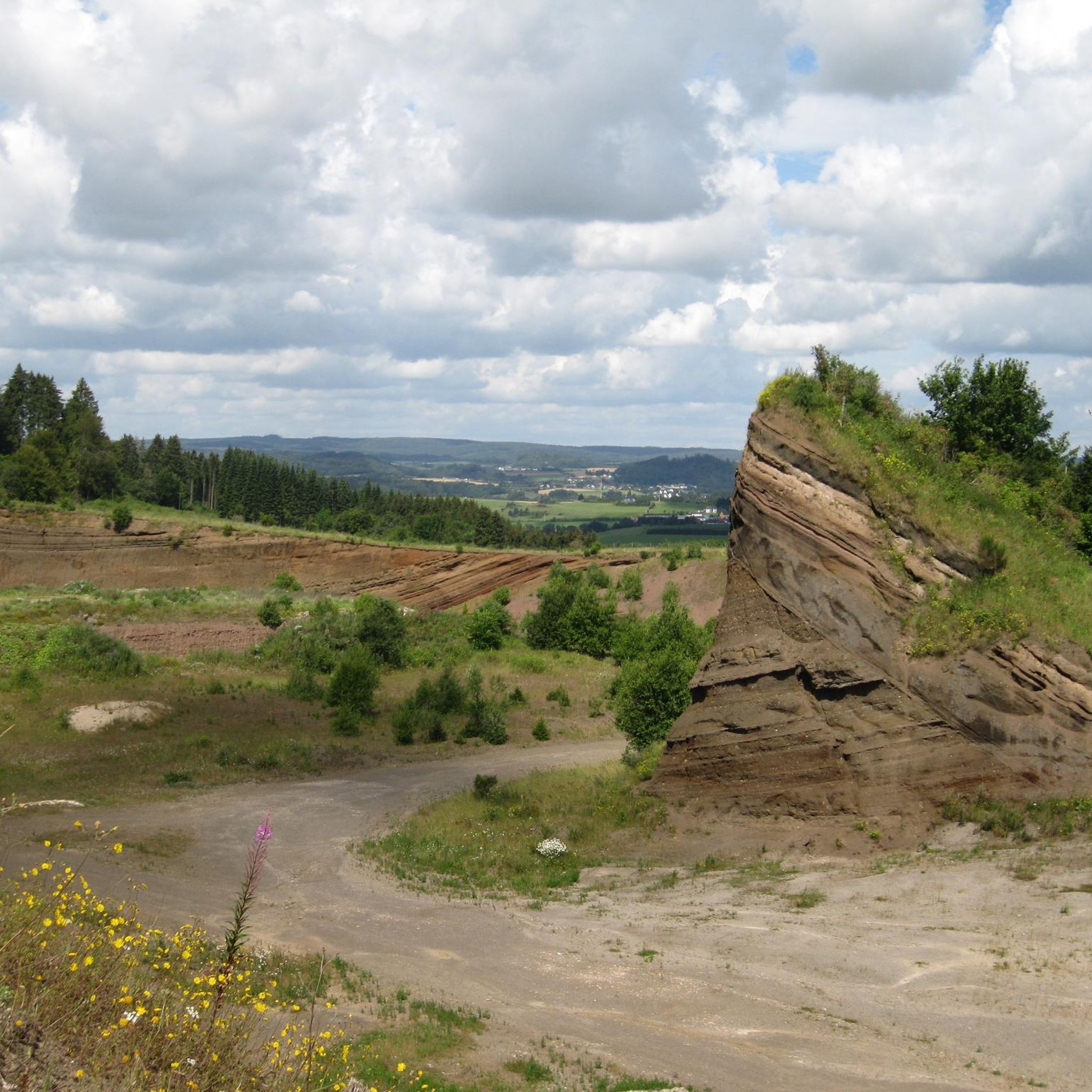
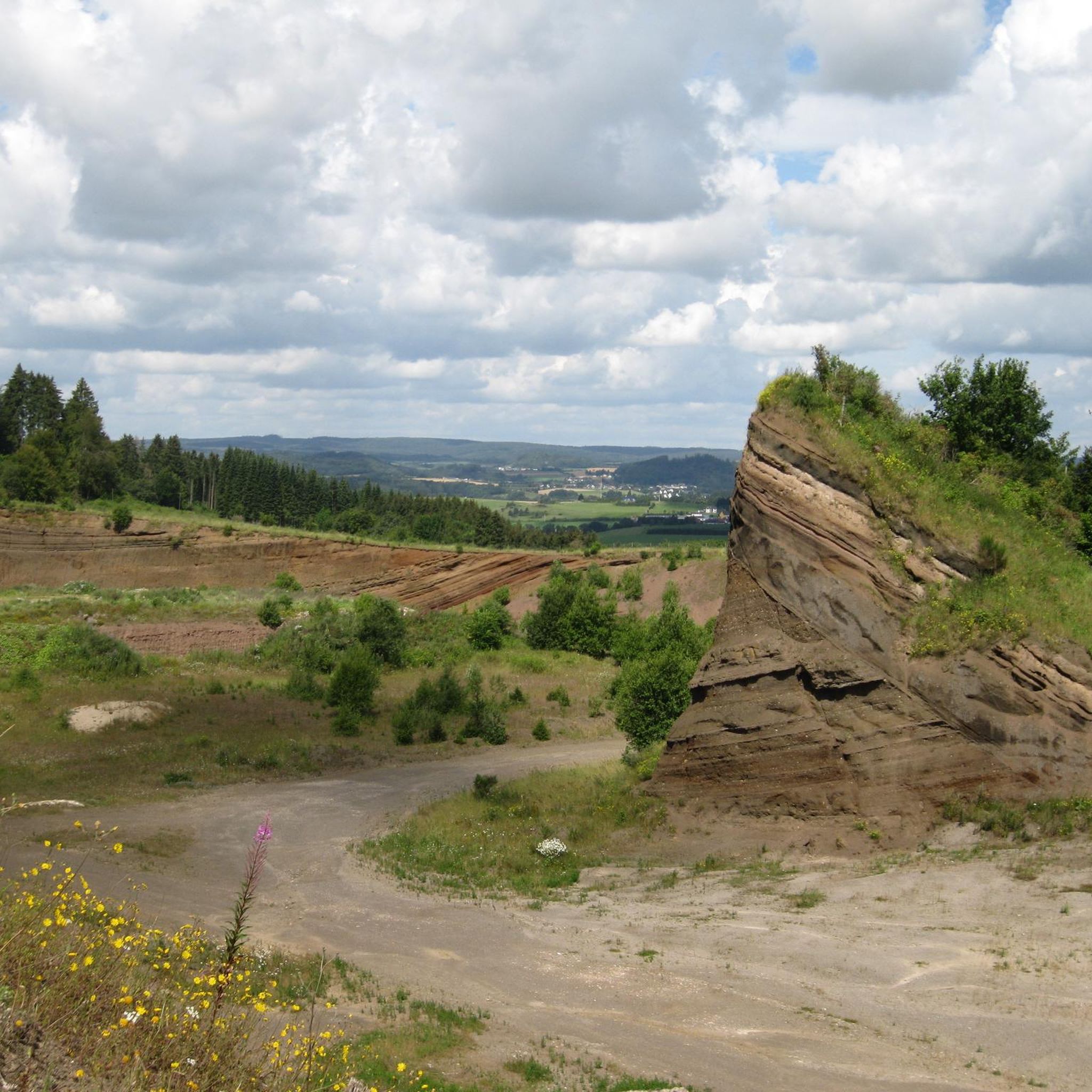
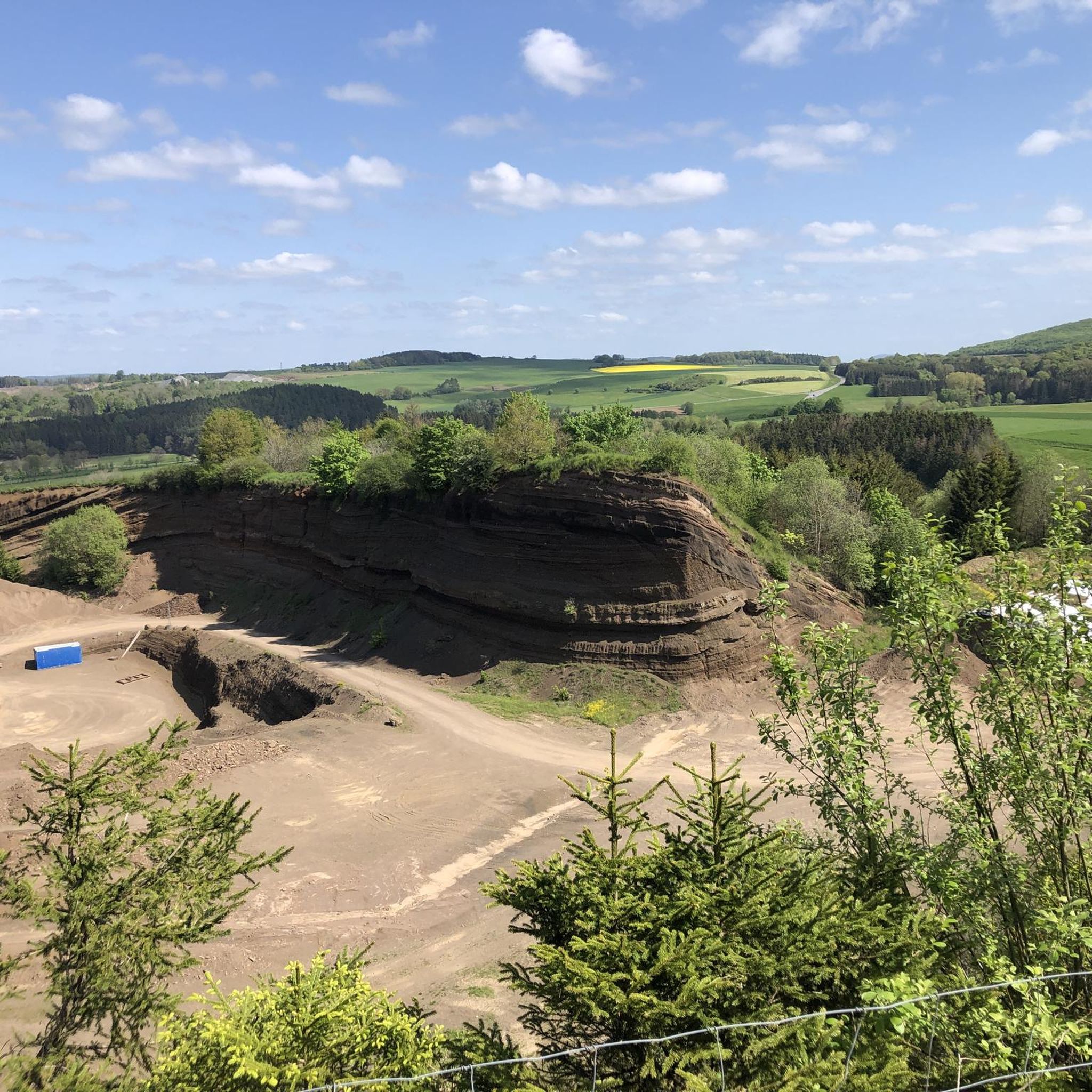
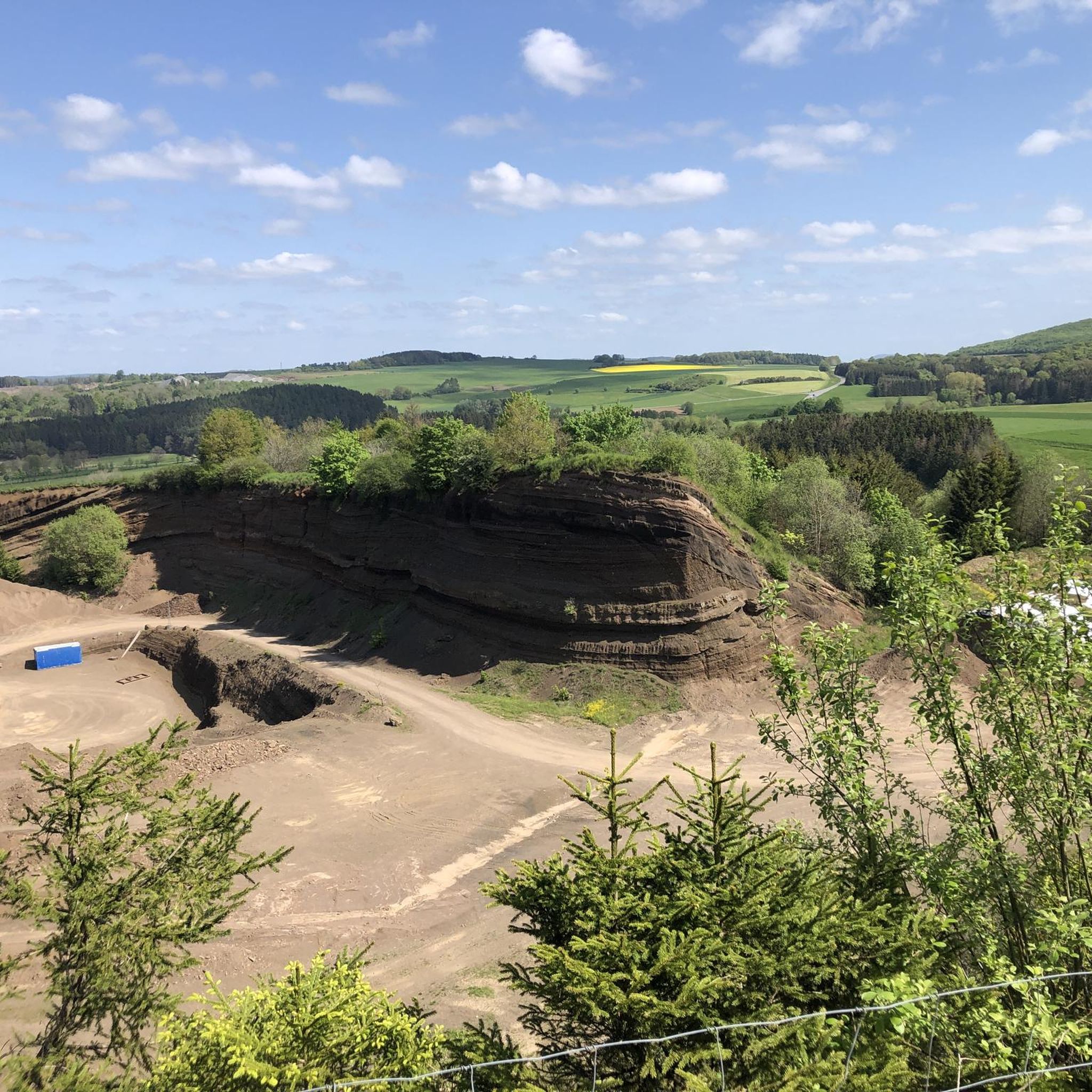
The Nerother Kopf is an extinct volcano of recent date. It was formed about 15,000 years ago when the earth broke up here and glowing magma welled up from the depths of the earth. At that time, a fracture zone formed in the earth rock, which formed the origin of the volcanic chain "West Eifel". https://www.neroth.de/tourismus/nerother-kopf
6
0
The Millstone Cave is located at the summit of the Neroth Head, a wooded hill of volcanic origin east of Neroth. The entrance is just below the Freudenkoppe castle ruins at an altitude of about 640 m and can be reached via a hiking trail. The cave is 18 meters deep and its vault up to 10 meters high. It is walkable, but unlit (torch required). Wikipedia
5
0

Millstones were mined in the 18 meter deep cave at the top of the Nerother Kopf until the 18th century. The lava stone was not only mined for the production of millstones, but was also used to build the immediately adjacent Freudenkoppe Castle.
5
0

Well done! The cave is made accessible by a wooden staircase. At the bottom of the stairs there is a nice bench. Worth seeing cave. A display board offers explanations.
13
1
Frequently Asked Questions
What types of caves can I explore around Rockeskyll?
The region around Rockeskyll offers a mix of natural karst caves and artificial caves. The artificial caves were primarily created through historical millstone mining, while natural karst formations like the Buchenloch Cave were formed by groundwater over millions of years.
What is the historical significance of the caves in this area?
Many caves around Rockeskyll, such as the Millstone Cave at Nerother Kopf and the Millstone Cave at Rother Kopf, are significant for their role in medieval millstone production. Unfinished millstone blanks can still be seen, offering a tangible link to past craftsmanship. Some, like the Buchenloch Cave, also hold archaeological importance with Ice Age finds.
Are there any natural karst caves around Rockeskyll?
Yes, the Buchenloch Cave is a notable natural karst cave, a rarity in this volcanic-dominated region. It was formed by dissolving groundwater and features an impressive entrance portal.
What should I wear or bring when visiting the caves?
Most caves are unlit, so bringing a flashlight or headlamp is highly recommended to explore safely and see the details. For caves like the Birresborn Ice Caves, warm clothing and sturdy footwear are advised due to consistently low temperatures.
When is the best time to visit the caves, especially considering bat protection?
Many caves, particularly the Birresborn Ice Caves and Buchenloch Cave, serve as winter habitats for bats. To avoid disturbing their hibernation, these caves are typically closed or access is restricted between October 1st and March 31st. The best time to visit is generally from April to September.
Are the caves around Rockeskyll family-friendly?
Many caves, such as the Buchenloch Cave, are accessible and can be an exciting experience for families. However, visitors should be prepared for unlit conditions and potentially uneven terrain. Always bring a flashlight for younger explorers.
What makes the 'ice caves' unique?
The 'ice caves,' such as the Birresborn Ice Caves, are unique because cold air collects and remains inside, maintaining constant temperatures between -1°C and +4°C. This allows icicles and ice columns to persist well into the summer months, offering a distinct microclimate.
How long does it typically take to explore a cave?
The time required varies by cave. For example, the Buchenloch Cave is approximately 30 meters long and can be explored relatively quickly. Larger millstone caves might take longer to appreciate the historical details. Plan for at least 30 minutes to an hour per cave, allowing for exploration and photography.
What outdoor activities can I combine with a visit to the caves?
The region around Rockeskyll is excellent for outdoor activities. You can find numerous hiking trails, including routes like 'View of Kasselburg – Rockeskyller Kopf Lava Quarry loop from Rockeskyll' or 'Bolsdorfer Valley – Hillesheim Town Wall loop from Rockeskyll'. There are also options for gravel biking and running. Explore more routes on the Hiking around Rockeskyll, Gravel biking around Rockeskyll, and Running Trails around Rockeskyll guide pages.
Are there public transport options to reach the caves?
While specific public transport details for each cave entrance can vary, the region is generally best explored by car for direct access to trailheads and cave sites. Some areas may be reachable via local bus services, but checking schedules in advance is recommended.
What archaeological discoveries have been made in the caves?
The Buchenloch Cave is particularly known for its archaeological significance. Excavations have revealed tools and animal bones from the Ice Age, including mammoth, cave bear, and woolly rhinoceros, indicating its use by animals and potentially humans since the Neolithic period.
What do visitors enjoy most about the caves around Rockeskyll?
Visitors frequently appreciate the unique blend of natural beauty and historical insight. The opportunity to see ancient millstone workings, experience the cool microclimates of the ice caves, and explore natural karst formations like the Buchenloch Cave, often with a flashlight, creates a memorable and educational experience.
Most popular routes around Rockeskyll
Most popular attractions around Rockeskyll

Get inspired with the komoot mobile app


Explore more
Extend your search for the best caves by checking out these guides of the top ones around Rockeskyll:
