Attractions and Places To See around Rockeskyll - Top 20
Best attractions and places to see around Rockeskyll include a diverse array of natural wonders and historical landmarks within Germany's Eifel Nature Park. The region is characterized by its picturesque landscape and rich volcanic history, offering insights into geological formations. Visitors can explore extinct volcanoes, unique waterfalls, and ancient caves. The area also provides cultural experiences and extensive networks of hiking and cycling paths.
Best attractions and places to see around Rockeskyll
- The most popular attractions is Dreimühlen Waterfall,…
Last updated: July 6, 2026
Dreimühlen Waterfall
Highlight • Waterfall
Translated by Google •
Tip by

Buchenloch Cave
Highlight • Cave
Translated by Google •
Tip by

Sign up now to discover places like this
Get recommendations on the best single tracks, peaks, & plenty of other exciting outdoor places.
Sign up for free
View of Gerolstein from the Munterley
Highlight • Viewpoint
Translated by Google •
Tip by

Gerolsteiner Dolomiten Rock Formations
Highlight • Natural Monument
Translated by Google •
Tip by
Gerolstein Dolomites
Highlight • Natural Monument
In addition to the imposing Dolomites, you can admire the beech wood cave and ice caves.
Translated by Google •
Tip by

Sign up for free to discover even more attractions around Rockeskyll.
Sign up for free
Already have an account?
Start today with a free account
Your next adventure awaits.
Login or Signup

Tips from the Community

The so-called Dreimühlen waterfall is also known as the Nohn waterfall. The name Nohn waterfall comes from the waterfall's proximity to the town of Nohn. The houses on the outskirts of Nohn are only a few hundred meters above the waterfall. Most people talk about the Dreimühlen waterfall, however. The name Dreimühlen comes from a former castle called Dreimühlen. Today, however, only the remains of the walls are said to remain. We looked for the former castle on our trip, but couldn't find anything of it. The waterfall in the Eifel is located between the towns of Üxheim, Kerpen and Nohn. Although the other large towns in the Eifel are not located here, many visitors come here. Some of them travel especially to visit the waterfall. The Dreimühlen waterfall is one of the most visited Eifel attractions. Almost every holidaymaker in the area comes to the waterfall at least once during their Eifel vacation. In addition, many day tourists travel from outside, making it the most visited waterfall in the Eifel. They all want to see the unique natural wonder.
16
1

https://www.gerolsteiner-land.de/a-gerolsteiner-dolomiten Very impressive rocks. Really great tour.. We'll be back!!
5
0
https://de.m.wikipedia.org/wiki/Gerolsteiner Dolomiten The tour was really beautiful... It won't be the last time I'm there ❤️
9
0

Magnificent rock formations to marvel at. Partly supported with thick concrete pillars so they don't fall into the city.
5
0

The great rocks rise impressively in front of us. Just great to experience something like this here. The name Gerolsteiner Dolomites speaks for itself.
11
1
The Gerolsteiner Dolomites are incredibly beautiful and definitely worth a visit. They bear their name with full justification.
6
1

The trail leads to the 'Buchenloch Cave' which lies at the far edge of the Munterley Plateau. This was created 1.8 million years ago from a millimeter-wide crack in the rock massif and was used by people in the Neolithic Age 300,000 years ago.
11
1
Almost 400 million years ago, where the Gerolsteiner Dolomites rise today, there was a subtropical shallow sea with a huge reef that is one of the oldest reefs on earth. This particularly beautiful and attractive hiking trail with scenic and geological features takes the hiker into an exciting past of our planet with beautiful views from Munterley and Hustley into the Kylltal.
9
1
Frequently Asked Questions
What natural wonders can I explore around Rockeskyll?
The region boasts several unique natural features. You can visit the Dreimühlen Waterfall, an artificial waterfall that 'grows' due to limestone deposits. Explore the Buchenloch Cave, a 30-meter-long cave, or the Millstone Cave at Nerother Kopf, an artificial cave formed by millstone extraction. Don't miss the impressive Gerolsteiner Dolomiten Rock Formations, ancient reefs offering stunning views, and the Rockeskyller Kopf, an extinct volcano and natural monument.
Are there any historical sites or cultural attractions in the area?
Yes, Rockeskyll and its surroundings offer a rich history. You can explore Kerpen Castle, a medieval fortress with panoramic views. The Buchenloch Cave and Millstone Cave at Nerother Kopf are also designated historical sites. For cultural experiences, visit the 'Alte Schule' Cultural Centre, the Strohn Volcano House interactive museum, or the Historic Watermill Birgel, which is considered Europe's largest mill experience center.
What are the best viewpoints for scenic vistas?
For breathtaking views, head to the View of Gerolstein from the Munterley, which offers fantastic panoramas over Gerolstein and the Kyll Valley. The Gerolsteiner Dolomiten Rock Formations also provide excellent vantage points over the scenic landscape.
What outdoor activities, like hiking and cycling, are available near these attractions?
The Rockeskyll region is ideal for outdoor enthusiasts, with an extensive network of hiking and cycling paths. You can find numerous routes for gravel biking, road cycling, and mountain biking. For example, explore the 'Circular hiking route 'Hillesheimer Land',' or the trail around the 'Volcano Rockeskyller Kopf.' The former railway line near the Dreimühlen Waterfall is now a popular cycling and hiking path. For more detailed routes, check out the Gravel biking around Rockeskyll, Road Cycling Routes around Rockeskyll, and MTB Trails around Rockeskyll guides.
Are there family-friendly activities or attractions suitable for children?
Absolutely! The Dreimühlen Waterfall is a popular and easy-to-reach spot for families. The View of Gerolstein from the Munterley is also considered family-friendly. Children will enjoy the interactive exhibits at the Strohn Volcano House and the Nature Trail with Forest Ball Track in Gerolstein's municipal forest, which has nine stations for exploration and play. The Eagle and Wolf Park Kasselburg is also a great option for observing wildlife.
What is the Rockeskyller Kopf and what can I see there?
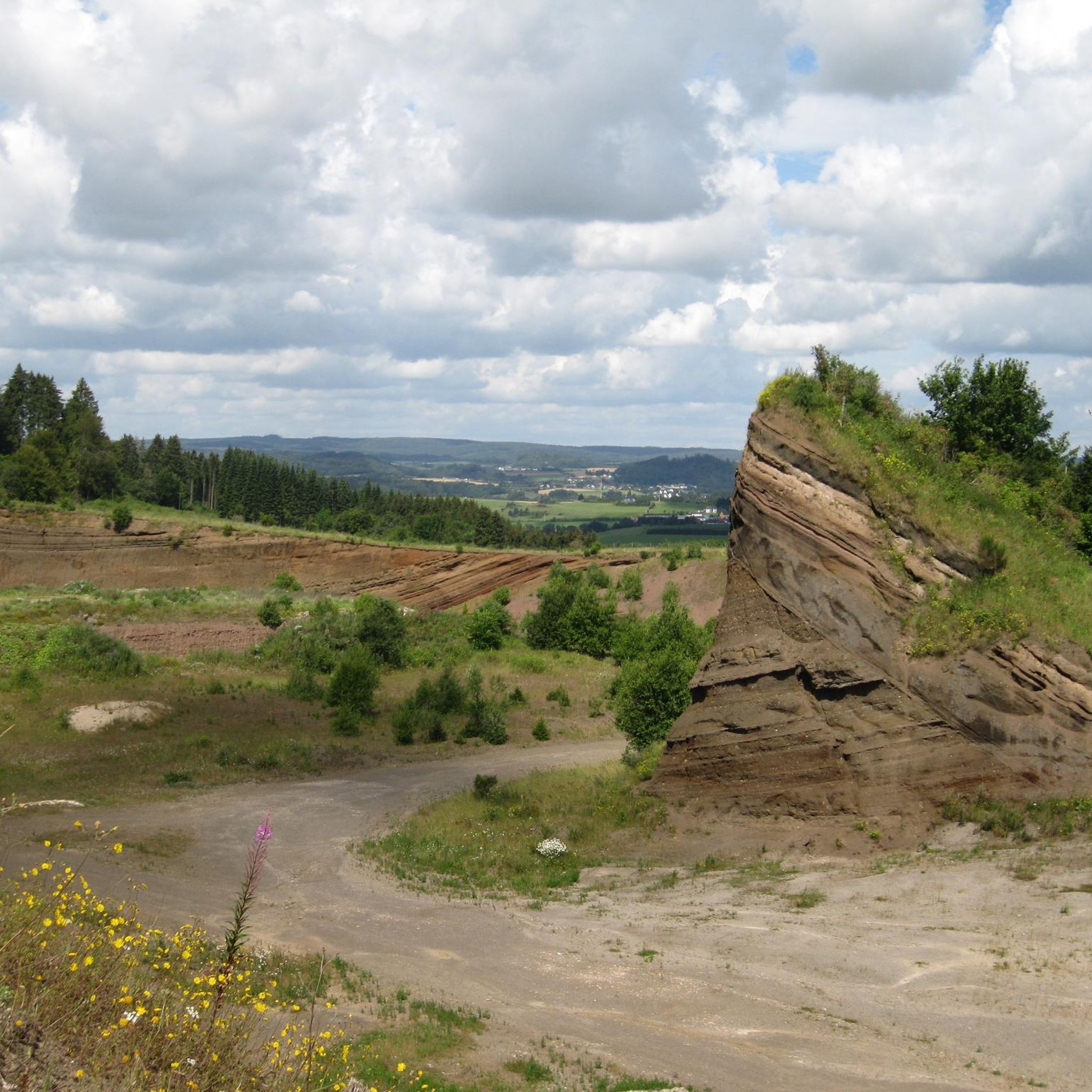
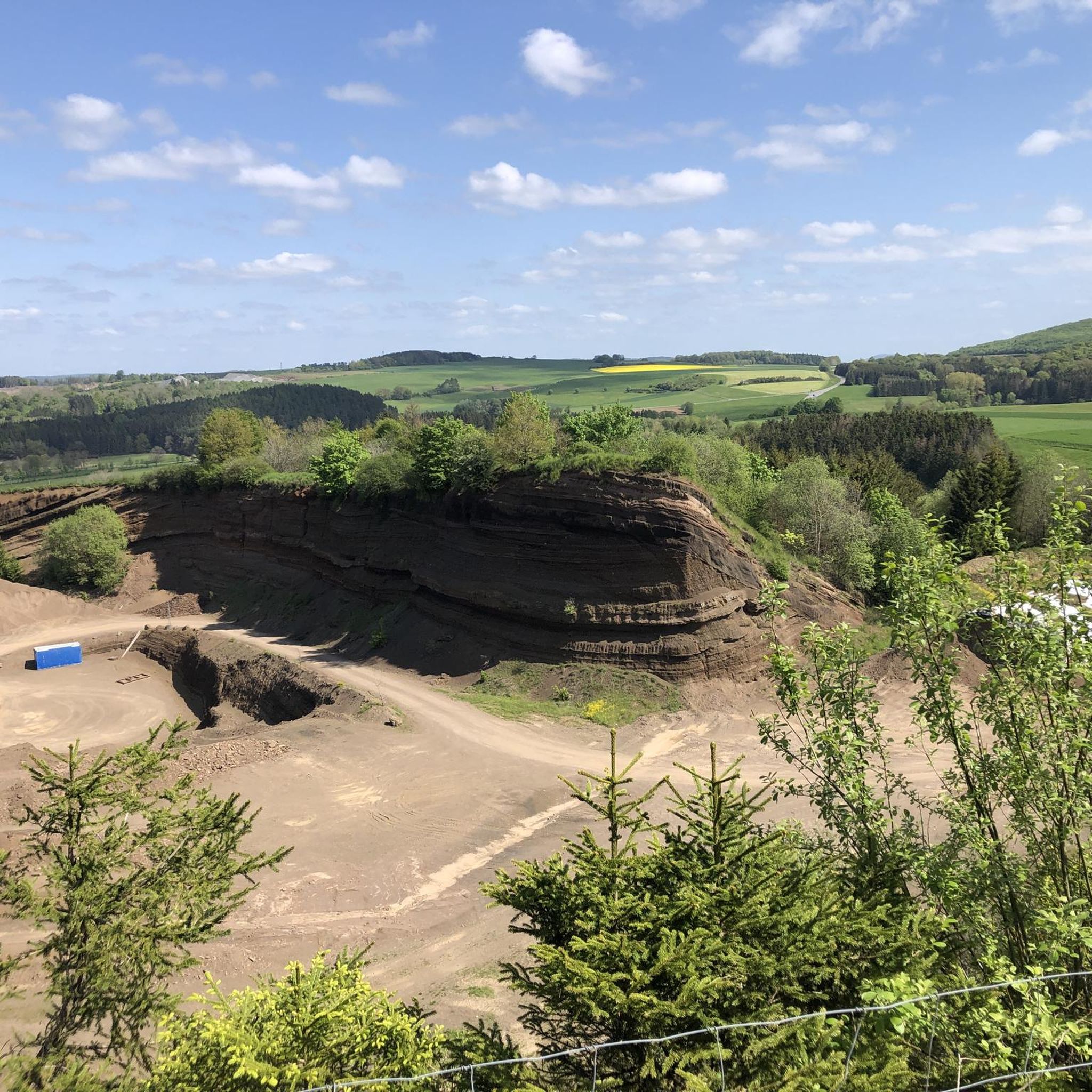
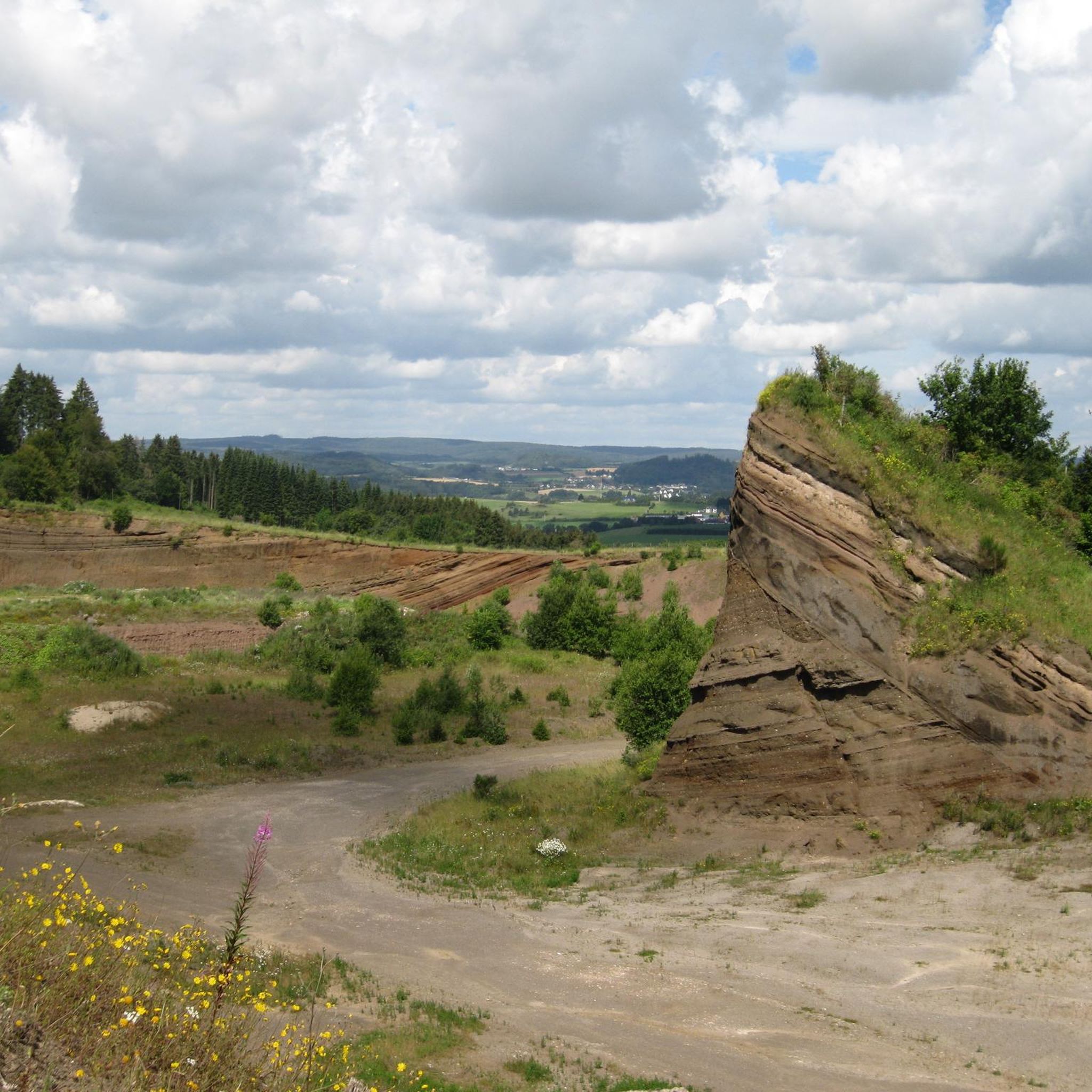
The Rockeskyller Kopf is an impressive extinct volcano from the Quaternary period, considered one of Germany's most complete volcanoes. It's a designated natural monument, openly displaying its geological formation. Within this area, you can find ancient trees like the 'Alte Eichen' and the 'Franzosenbuche,' as well as the 'Eiche am Schloßbrunnen.' There's also an easy 4.4 km hiking trail around the 'Volcano Rockeskyller Kopf.' You can learn more about its geological significance on Wikipedia.
What do visitors enjoy most about the attractions around Rockeskyll?
Visitors frequently praise the unique natural beauty and geological insights. Many appreciate the 'self-growing' aspect of the Dreimühlen Waterfall and the fascinating history of the Buchenloch Cave, often recommending a flashlight for exploration. The stunning views from the Munterley and the impressive Gerolsteiner Dolomiten Rock Formations are also highly rated for their scenic beauty and hiking opportunities.
Are there any museums or educational centers nearby?
Yes, the region offers several educational attractions. The Strohn Volcano House is an interactive museum dedicated to the history of volcanoes in the Eifel region, perfect for a rainy day. Additionally, the Gerolstein Natural History Museum, located in the old town hall, showcases minerals, rocks, fossils, and a rich collection of Eifel butterflies.
What are the Gerolsteiner Dolomites and what makes them special?
The Gerolsteiner Dolomiten Rock Formations are a nature reserve covering about 102 hectares. These rock formations formed from ancient reefs approximately 380 million years ago when the Eifel region was a warm, subtropical shallow sea. They rise steeply above the Kyll valley and offer some of the most beautiful highlights for hikers, including the 'Munterley' peak with its breathtaking views. The area is also home to diverse plant and animal species, including juniper, orchids, and bats.
What is the Millstone Cave at Nerother Kopf?
The Millstone Cave at Nerother Kopf is an artificial cave located in the summit area of the volcanic Nerother Head. It was created by the extraction of millstones from volcanic rock, a practice that likely predates the construction of the nearby Burg Freudenkoppe around 1340. The cave is 18 meters deep with a vault up to ten meters high and is accessible to the public, though a flashlight is recommended as it is unlit.
Can I find unique local food specialties in Rockeskyll?
While exploring the region, be sure to try 'Vulkanschinken,' a local specialty made from smoked pork. You can find this culinary delight in local restaurants and markets, offering a taste of the Eifel's regional cuisine.
What is the Buchenloch Cave and what should I know before visiting?
The Buchenloch Cave is an approximately 30-meter-long cave that is open to the public and has been under nature protection since 1938. It's accessible via a small staircase. To explore the cave, you should bring a flashlight, as there is no artificial light inside. It's important to note that the cave should not be entered between October 1st and March 31st to avoid disturbing bats during their hibernation.
Most popular routes around Rockeskyll
Most popular attractions around Rockeskyll

Get inspired with the komoot mobile app


Explore more
Still not found the Highlight you’re looking for? See guides of the top attractions in other regions:
