Top 17 Castles around Pelm
Castles around Pelm are found in the Vulkaneifel district of Rhineland-Palatinate, Germany, an area characterized by its volcanic landscape and historical significance. The region offers a diverse collection of 17 castles, ranging from well-preserved structures to ancient ruins. These sites provide insights into medieval history and architecture within a scenic natural setting.
Best castles around Pelm
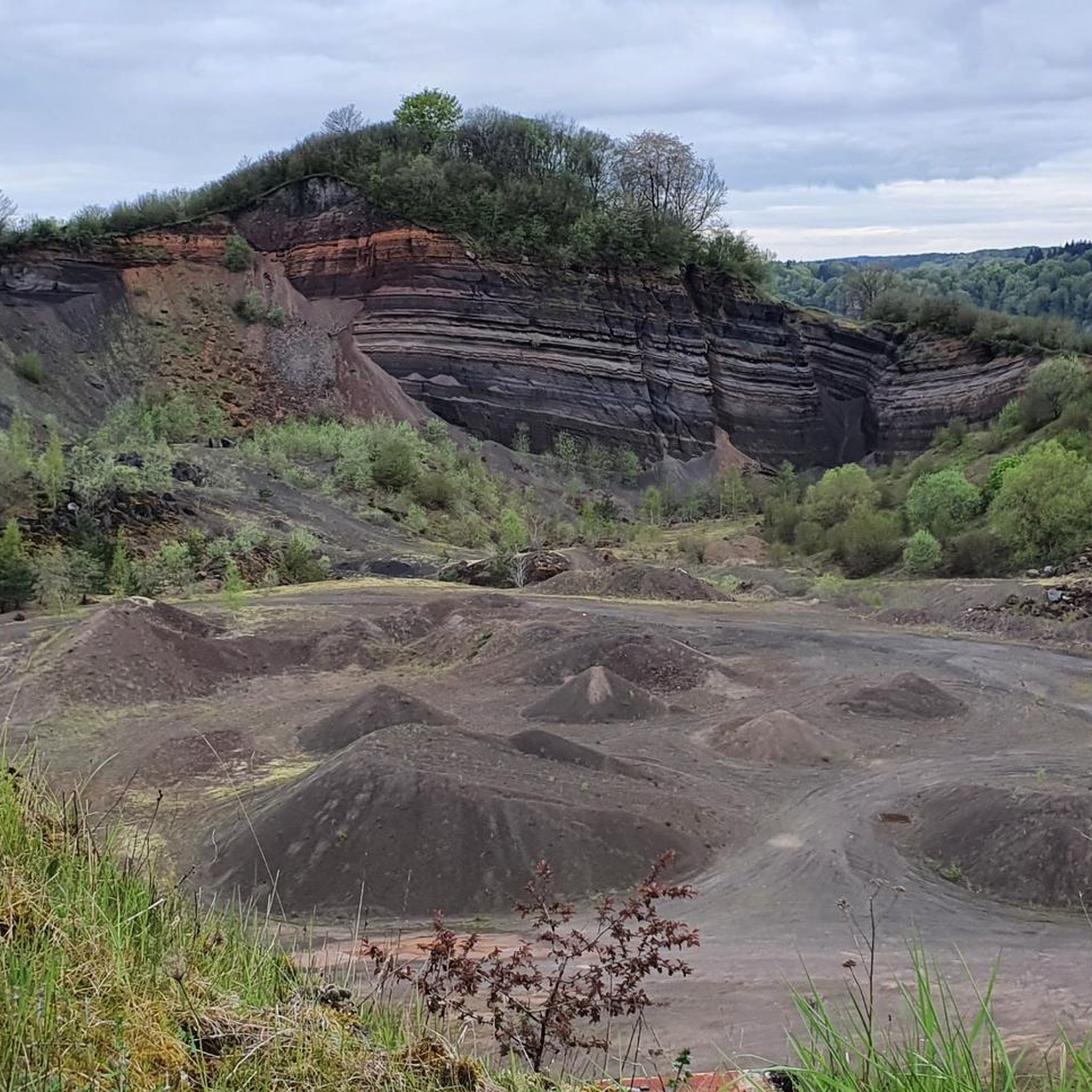
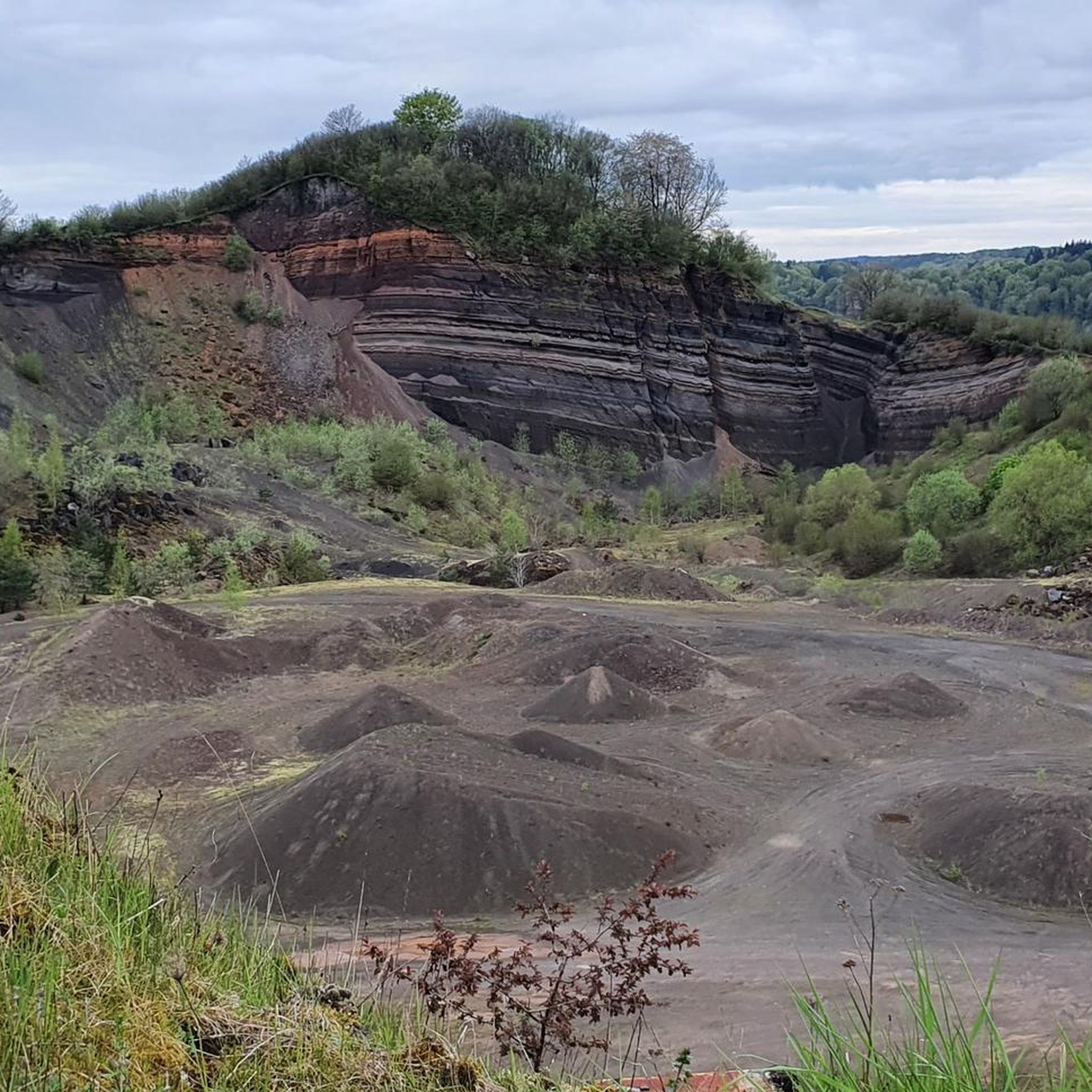
- The most popular castles is Freudenkoppe Castle Ruins, a historical site and natural monument that is the ruin of a hilltop castle built…
Last updated: October 4, 2026
Kerpen Castle (Eifel)
Highlight • Castle
Translated by Google •
Tip by

Freudenkoppe Castle Ruins
Highlight • Castle
Translated by Google •
Tip by

Sign up now to discover places like this
Get recommendations on the best single tracks, peaks, & plenty of other exciting outdoor places.
View of the Kasselburg
Highlight • Castle
Translated by Google •
Tip by

Löwenburg (Gerhardstein Castle) ruins, Gerolstein
Highlight • Castle
Translated by Google •
Tip by

Kerpen Castle
Highlight • Castle
Translated by Google •
Tip by

Sign up for free to discover even more castles around Pelm.
Already have an account?
Start today with a free account
Your next adventure awaits.

Tips from the Community

The exact origins of Kerpen Castle are shrouded in the mists of history. It is considered very likely that its builder was Sigibertus de Kerpene, first mentioned in documents in 1136, or his son Heinrich I (1142–1177). However, an exact construction date cannot yet be given.
15
2

Very pretty little town but unfortunately absolutely dead.
2
0

The steep climb to the castle is quite difficult. A real calf biter! But once at the top you forget it all. Beautiful ruin and the cave is more than worth it.
5
0

A very beautiful castle above a great little town. Restorations are already well advanced. Definitely worth a visit
8
0

A great castle. It is privately owned and cannot be visited. The castle 🏰 is currently being restored. Beautiful forest area.
5
0

Kerpen Castle towers imposingly over the town of the same name. The castle is a so-called spur castle on a dolomite spur at 500 m above sea level. NHN. The exact year of construction cannot be determined. However, the castle also had prominent owners in modern times: From 1907 to 1911, Kerpen Castle was owned by Clemens Manstein. In 1911 the Eifel painter Fritz von Wille von Clemens Manstein bought the castle and had urgent security and repair work carried out. When the artist died in 1941, he was buried on the hill behind the castle. In the same year, the DEMAG company bought the castle to use as a training center. In the 1950s, the company carried out further security, conversion and expansion measures. From 1969 to 2007, Kerpen Castle was owned by the district of Neuss, which used it as a country school. Then a Dutch family acquired the facility and underwent a major renovation in 2010. Most recently (2016) used as refugee accommodation, the castle was sold to an entrepreneurial family from Bonn in January 2018 and will be used for private residential purposes in the future. Therefore, a visit to the castle is unfortunately no longer possible. Nevertheless, care is taken to preserve the castle and that alone is worth a lot.
4
0
Even if the castle cannot be visited because it is privately owned, its location high above the village of Kerpen is very impressive and gives the beautiful village a certain charm. Kerpen Castle is a so-called spur castle, which lies on a rock or mountain spur, but below the hilltop or the mountain peak, unlike the summit castle, and thus steeply above the valley. It is characterized by a terrain formation that slopes steeply on at least two sides. The place is practically at the feet of the castle. The former owner and famous Eifel painter Fritz von Wille was buried on a hill behind the castle in 1941. For a long time afterwards, it served first as a training center and finally as a rural school center; from 2016 to 2018, refugees were accommodated here. The castle currently belongs to an entrepreneurial family from Bonn and has since been used only for private residential purposes.
7
0

Gerolstein Castle, also known as Löwenburg, Gerhardstein Castle or Junkernburg, is the ruin of a hilltop castle in the town of Gerolstein in the Vulkaneifel district in Rhineland-Palatinate. The Löwenburg was first mentioned in a document in 1115, when Gerhard von Blankenheim moved his seat of power to Gerhardstein Castle, which he had built (which is probably where the place name of Gerolstein derives from). In the 13th century, Gerhard IV expanded the castle into a fortified castle with a front and back castle. After the Blankenheimers died out, Gerhardstein Castle passed to the House of Loon-Heinsberg in 1423 and to Dietrich III, Count von Manderscheid in 1468. He divided his property between his three sons in 1488, with the second, Johann, inheriting the county of Blankenheim, Jünkerath, Gerolstein Castle and parts of the Mechernich lordship, and founding the Manderscheid-Blankenheim-Gerolstein line. In 1486 the castle was supplemented by two chapels. In the 16th century the shield wall was built with a thickness of two meters. In 1670 the castle was badly damaged by a lightning strike in the powder tower. On July 6, 1691, it was occupied by the French, but was recaptured on August 5 of the same year. In the process, Gerolstein is destroyed. In 1840 the castle was also known as the Jungkernburg. The remaining remains of the wall are partially removed in the 18th century and further destroyed in the Second World War. Today only a few remains stand, but they have been restored.
11
0
Frequently Asked Questions
What types of castles can I expect to find around Pelm?
The Pelm region in the Vulkaneifel district features a diverse collection of 17 castles, ranging from well-preserved structures to ancient ruins. You can explore medieval hilltop castles, fortified complexes, and sites with significant historical importance, many showcasing solid masonry made from lava slag.
Which castles offer the best historical insights into the region?
For deep historical insights, consider visiting Freudenkoppe Castle Ruins, a hilltop castle built around 1340 by King John of Bohemia. Its preserved keep and parts of the detached castle house offer a glimpse into 14th and 15th-century architecture. Another significant site is Löwenburg (Gerhardstein Castle) ruins, Gerolstein, which dates back to the 12th century and has a rich history of expansion and destruction.
Are there family-friendly castles to visit near Pelm?
Yes, View of the Kasselburg is a popular destination that offers activities for visitors of all ages. The nearby Kasselburg Eagle and Wolf Park is particularly family-friendly, allowing visitors to experience wolves, eagles, falcons, and other birds of prey, with impressive flight shows and wolf feedings.
What outdoor activities can I do near the castles around Pelm?
The area around Pelm offers various outdoor activities. You can find numerous cycling routes, including those that pass by castles like the 'View of Kasselburg Castle – Kyll River loop from Pelm' or the 'Kerpen Castle – View of Kasselburg Castle loop from Pelm'. For running, there are trails like the 'Baarley loop from Pelm'. You can explore more options in the Cycling around Pelm, Running Trails around Pelm, and Road Cycling Routes around Pelm guides.
Are there hiking trails that include castle visits?
Absolutely. Many castles are integrated into hiking routes. For example, Kerpen Castle (Eifel) is described as great to hike around. The Freudenkoppe Castle Ruins are located on a basalt cone and are best reached by hiking from the east or by mountain bike. The Vulkaneifel region is known for its scenic trails that often lead to or past these historical sites.
Which castles offer great viewpoints or natural scenery?
The Freudenkoppe Castle Ruins are situated on a 610-meter high basalt cone, offering panoramic views. The Löwenburg (Gerhardstein Castle) ruins, Gerolstein, located on a 440-meter high rock hill above the Kyll valley, provides a great view of Gerolstein and the Gerolstein Dolomites. The entire Vulkaneifel district, with its volcanic landscape, offers scenic beauty surrounding many of these castles.
What is the best time to visit the castles around Pelm?
While some attractions like the View of the Kasselburg might have limited offerings during winter, the Vulkaneifel region is generally enjoyable for castle visits and outdoor activities throughout the warmer months. Spring and autumn are ideal for hiking, offering pleasant temperatures and beautiful scenery. Always check specific opening hours for individual castles, especially during off-peak seasons.
Can I bring my dog to the castles around Pelm?
While specific rules vary by castle, many outdoor areas and hiking trails around the castles in the Vulkaneifel are dog-friendly. For example, the Kasselburg Eagle and Wolf Park allows dogs on leash in certain areas. It's always advisable to check the specific regulations of each castle or park before your visit.
Are there cafes or restaurants near the castles?
Yes, some castles, like the Kasselburg Eagle and Wolf Park, have self-service restaurants or cafes on-site. Additionally, the towns near the castles, such as Pelm and Gerolstein, offer various cafes, restaurants, and accommodation options for visitors.
What should I wear when visiting castles in the Pelm region?
Given that many castles are ruins or involve hiking to reach, comfortable walking shoes are highly recommended. Layers of clothing are also advisable, as the weather in the Eifel region can change. If you plan to explore castle grounds or nearby trails, prepare for varying terrain.
How accessible are the castles around Pelm by public transport?
Access to castles in the Vulkaneifel region often involves a combination of public transport and walking. Major towns like Gerolstein, near castles such as Löwenburg (Gerhardstein Castle), are typically better connected. For more remote castle ruins like Freudenkoppe Castle Ruins, you might need to rely on local buses or a car, followed by a hike.
Are there any less crowded or 'hidden gem' castles to explore?
While the guide highlights popular spots, the Vulkaneifel region has many smaller, less-visited ruins that offer a more secluded experience. Exploring the numerous historical sites beyond the main attractions can lead to discovering your own hidden gems, often found along local hiking trails.
Most popular attractions around Pelm

Get inspired with the komoot mobile app


Explore more
Looking for the best castles somewhere else? Discover other guides around Pelm:
