Attractions and Places To See around Gesees - Top 20
Attractions and places to see around Gesees, a municipality approximately 6 kilometers south of Bayreuth, offer a blend of historical landmarks and natural beauty. The area features a variety of natural features, including rock formations, gorges, and a significant river source. Visitors can explore historical sites like fortified churches and expansive palace grounds. This region provides diverse points of interest for those interested in history, architecture, and the natural landscape of Upper Franconia.
Best attractions and places to see around…
Last updated: June 23, 2026
New Palace (Bayreuth Hermitage)
Highlight • Castle
Translated by Google •
Tip by

Devil’s Hole Waterfalls
Highlight • Waterfall
Translated by Google •
Tip by

Sign up now to discover places like this
Get recommendations on the best single tracks, peaks, & plenty of other exciting outdoor places.
Sign up for free
Viertelstein Rock Formation near Mistelbach
Highlight • Natural Monument
Translated by Google •
Tip by

Rotmain Spring
Highlight • River
Translated by Google •
Tip by

New Palace Bayreuth
Highlight • Castle
Translated by Google •
Tip by

Sign up for free to discover even more attractions around Gesees.
Sign up for free
Already have an account?
Start today with a free account
Your next adventure awaits.
Login or Signup
Tips from the Community

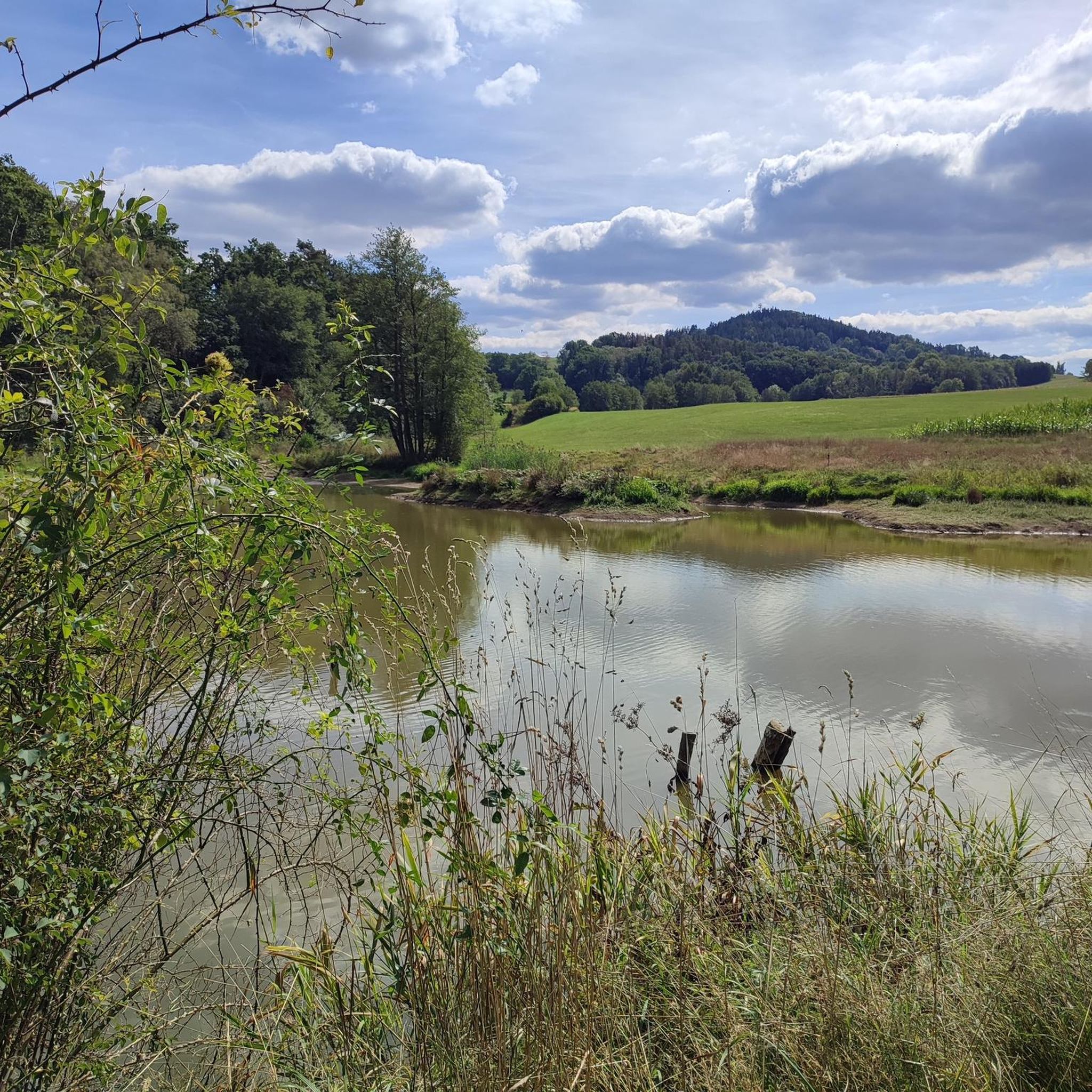
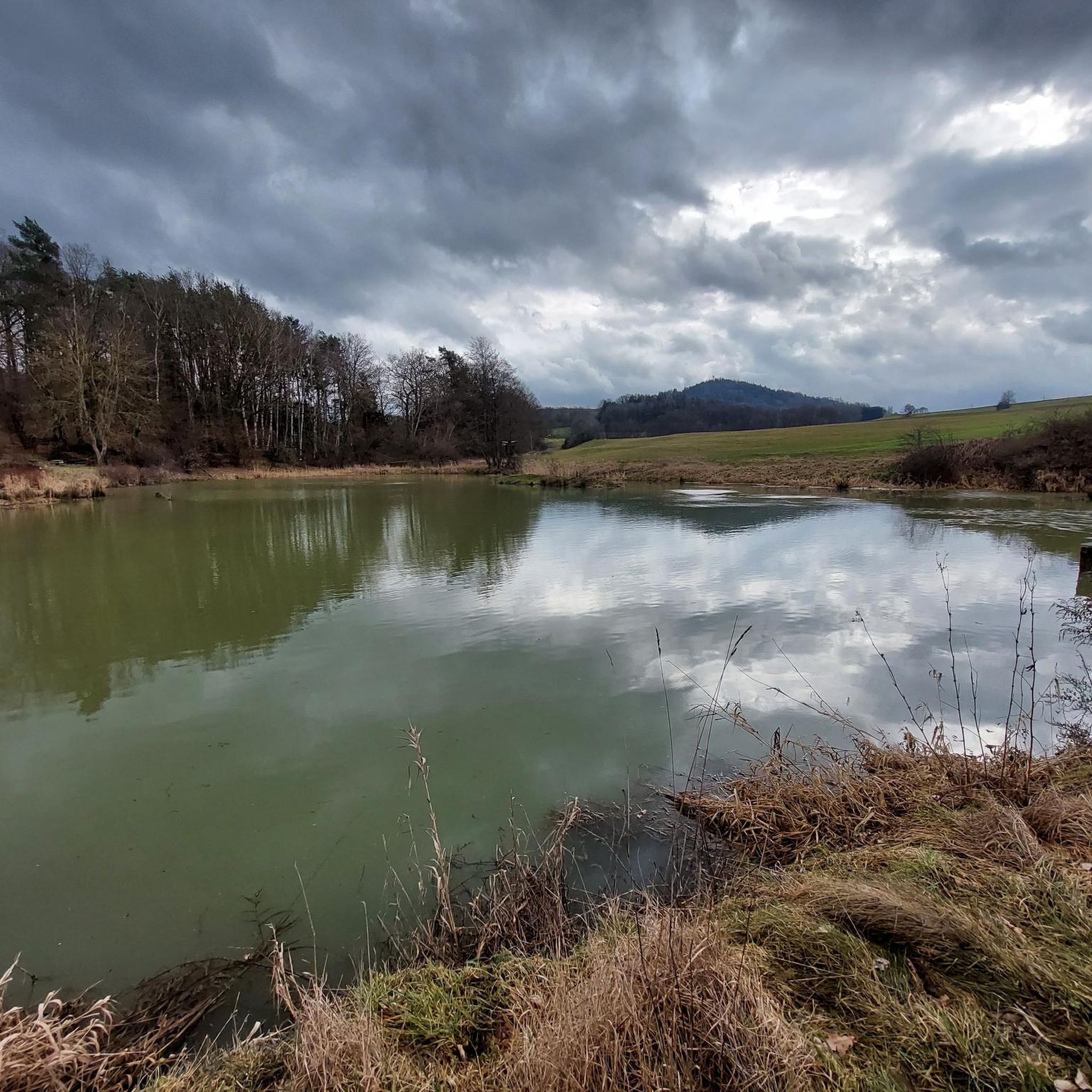
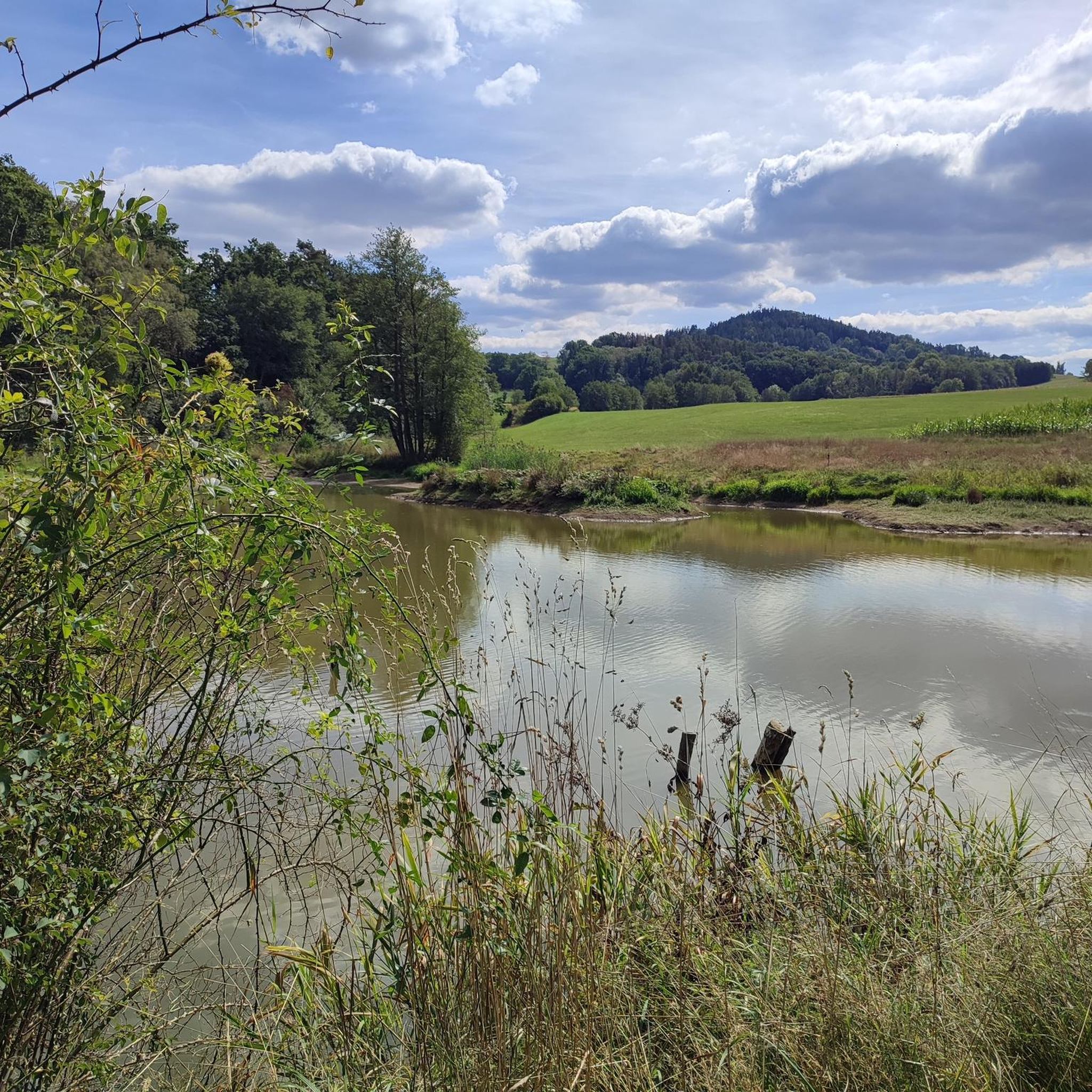
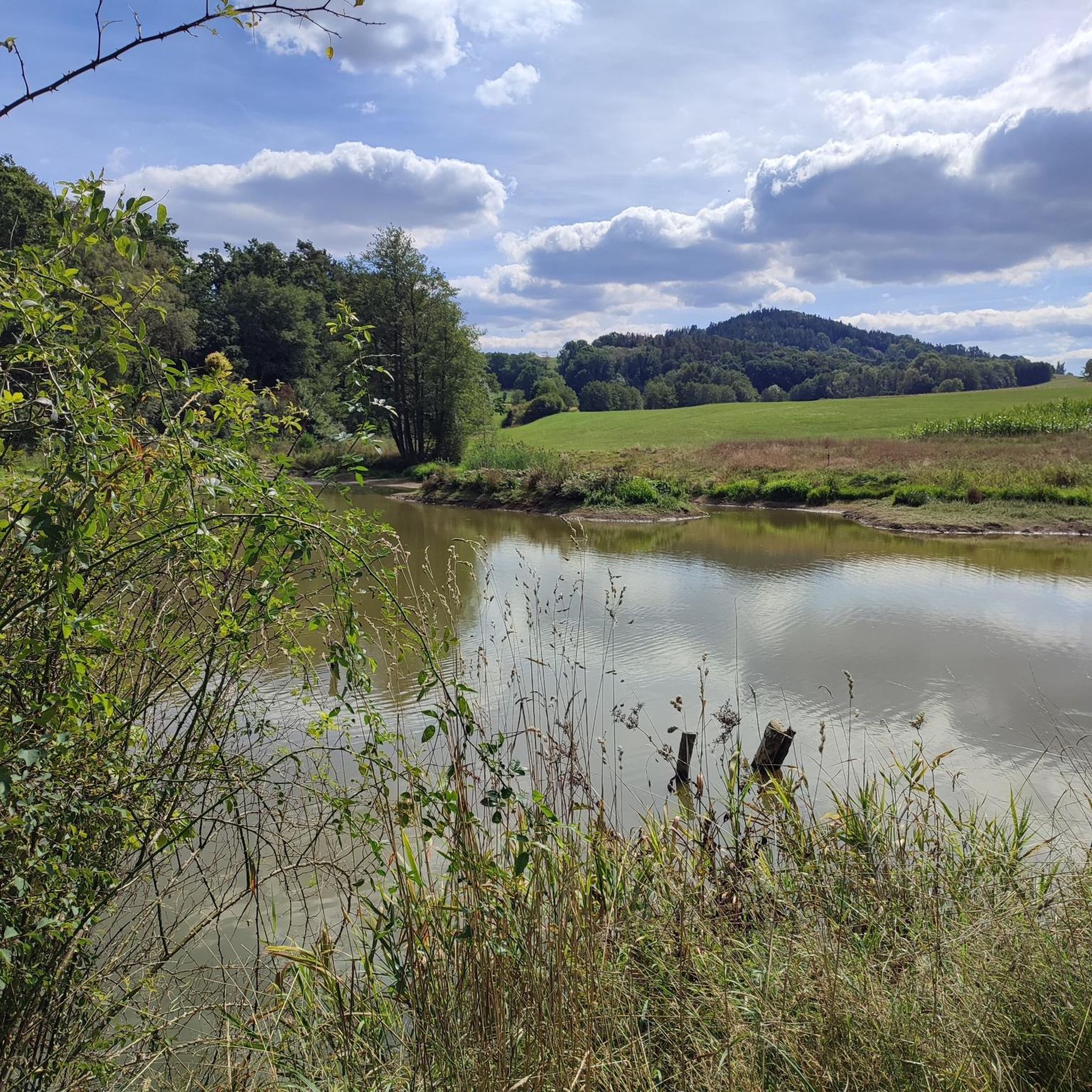
Like most river sources, it's rather unspectacular, but if you're planning to cycle the Main cycle path anyway...
2
0

An impressive building. Napoleon is said to have cursed it. He apparently saw a ghost in the night.
6
1

Hard to believe that this will become the Main
2
0

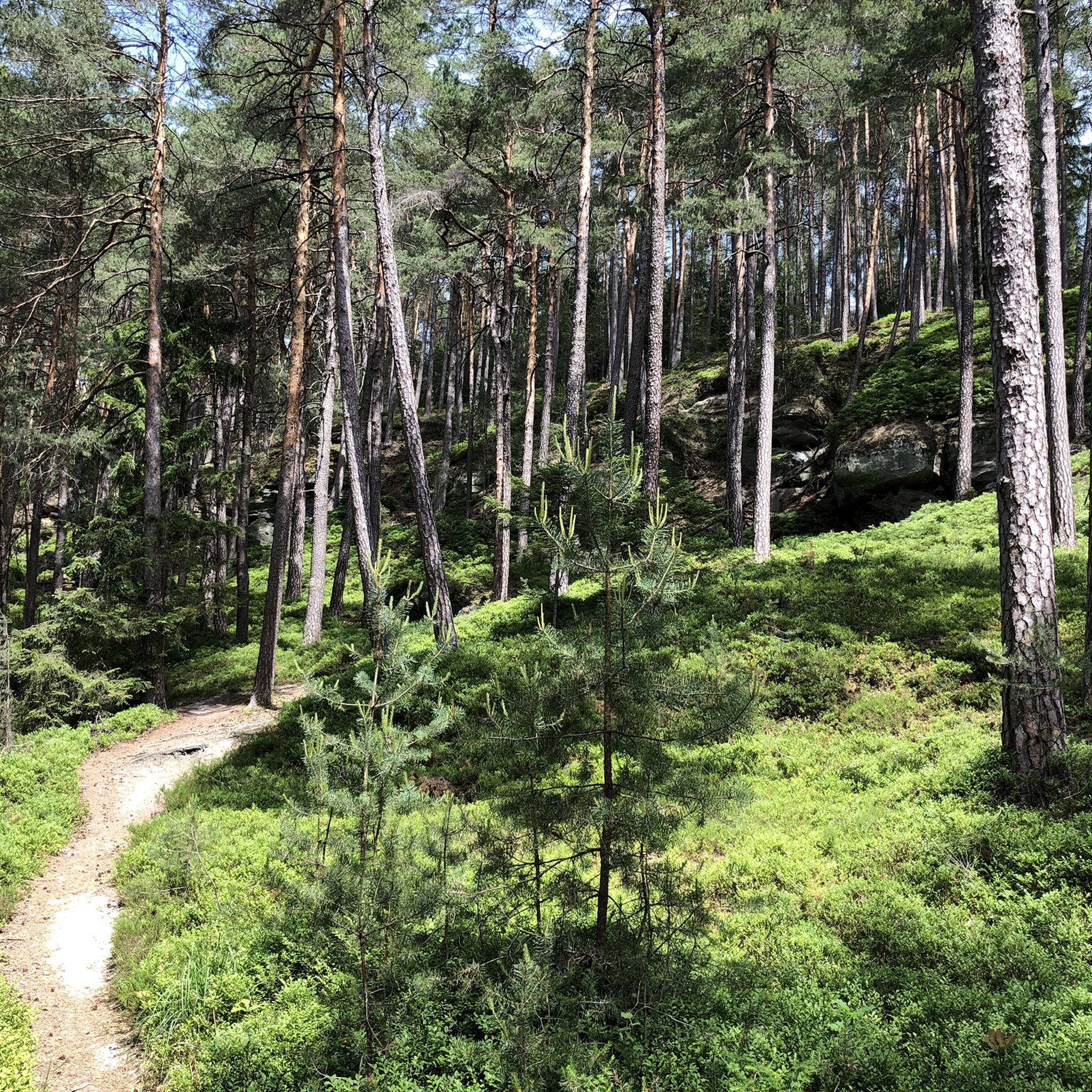
Near the center of Mistelbach there are several rock formations made of Rätholias sandstone, including the Viertelstein, which stands in the middle of a field.
15
0

The Rotmainquelle, beautifully situated and beautifully framed.
2
0
It's beautiful how the clear water rushes over the mossy rocks. It's not one of the big waterfalls, but it's enchanting nonetheless.
16
4
"Ce maudit château!" - "This cursed castle!" is what Napoleon Bonaparte is said to have said in horror after he spent the night of May 15-16, 1812 in the New Palace. The ghost of the "White Lady of Himmelkron" had appeared to him there. It is also possible that the castellan had played a joke on the Emperor of the French. Relevant items such as chains, rattles and a white robe were later found in his estate.
19
1

The “Italian Building” was built after 1759 for the Margrave's second wife, Sophie Caroline Marie of Braunschweig-Wolfenbüttel, as a stand-alone building south of the castle and only later structurally connected to the New Palace through a connecting wing. The architect was Rudolf Heinrich Richter, who, unlike Saint-Pierre, allowed the formal splendor of the interior decoration created by Giovanni Battista Pedrozzi to spill over onto the outer walls. The young Carl von Gontard succeeded in uniting the two fundamentally different buildings using a discreetly projecting connecting link with a round balcony.[1] At the beginning of the 1990s, the facades of the Italian building were renovated and its courtyard area was redesigned To the north of the main building, across Glasenappweg, is the former kitchen building, a single, two-story house with a hipped roof. From 1867 to 1908 the secondary school for girls was housed there,[4] later the municipal auxiliary school. When it was founded on October 1, 1920, the municipal commercial school moved into the building that the Bavarian Crown Estate Administration had given it. Although the location was only approved as a temporary arrangement, the business school remained until 1938.[5] Today a shopping arcade leads through the building to Richard-Wagner-Straße. Source: Wikipedia
7
1
Frequently Asked Questions
What natural features can I explore around Gesees?
Gesees and its surroundings offer a variety of natural attractions. You can visit the Devil’s Hole Waterfalls, a wildly romantic gorge and nature reserve known for its impressive plant species and a two-arched sandstone bridge. Another significant natural monument is the Rotmain Spring, the source of the Rotmain river, beautifully situated in the Lindenhardt Forest.
Are there any unique rock formations to see near Gesees?
Yes, the area features several striking rock formations. The Viertelstein Rock Formation near Mistelbach, also known as the Devil's Rock, is a free-standing sandstone rock showcasing distinctive honeycomb weathering. Additionally, the Buchstein Rock Formation, a protected natural monument and geotope, features sandstone rocks up to 10 meters high with beautiful cross-bedding and limonite crystallization.
What historical landmarks are there in Gesees itself?
In Gesees, the most prominent historical landmark is the Church of St. Marien zum Gesees, often called the 'Crown of the Hummelgau.' This Gothic fortified church, first documented in 1321 and rebuilt in 1441, is one of Upper Franconia's best-preserved fortified churches. It houses historical treasures, including 15th-century frescoes and the oldest bell in Upper Franconia, dating back to 1306.
Are there any castles or palaces to visit near Gesees?
Absolutely. Just a short distance away, you can explore the New Palace (Bayreuth Hermitage). This historic park, with foundations dating back to 1715, features water features, the Old Castle, the New Castle, and other smaller structures. It's a significant cultural site with a rich history, including connections to Margravine Wilhelmine.
What kind of cycling routes are available around Gesees?
The Gesees area offers various cycling opportunities. You can find several road cycling routes, such as the Bayreuth Radring, Fränkische Schweiz-Radweg, and Markgrafen-Weg. For specific tours, explore options like the 'Mistelbach Cycle Path – Cycle Path to Mistelbach loop from Gesees' which is a moderate 17.5 km route. You can find more details and routes on the Road Cycling Routes around Gesees guide.
Are there good running trails near Gesees?
Yes, there are several running trails available. For example, you can try the 'Viertelstein Rock Formation near Mistelbach – Hirtenstein loop from Hummeltal,' a moderate 6.3 km route. More challenging options include the 'Röhrensee Animal Park – Röhrensee Park loop from Hummeltal,' which is a difficult 19.3 km run. Discover more routes in the Running Trails around Gesees guide.
Are there family-friendly attractions around Gesees?
Many attractions around Gesees are suitable for families. The New Palace (Bayreuth Hermitage) with its expansive park is considered family-friendly. The Geseeser Kirchberg features a Fruit Educational Path (Obstlehrpfad) with over 300 fruit trees, offering an engaging walk for all ages. Natural sites like the Viertelstein Rock Formation are also accessible and interesting for children.
What is the best time to visit Gesees for outdoor activities?
The area around Gesees is beautiful year-round, but for outdoor activities like hiking and cycling, spring (April-May) and autumn (September-October) offer pleasant temperatures and vibrant scenery. The Fruit Educational Path on Geseeser Kirchberg is particularly lovely during blooming season or when fruits are ripe. Summer is also great for exploring, though it can be warmer.
Are there any specific hiking trails or pilgrim paths in the Gesees area?
Yes, the region around Gesees is rich with trails, including old pilgrim paths. The Geseeser Kirchberg, home to the Church of St. Marien, features steep pilgrim trails that guide visitors through its historic orchard. These paths offer scenic views and connect to a broader network of hiking routes, allowing you to explore the natural beauty and historical sites of Upper Franconia.
What do visitors enjoy most about the attractions around Gesees?
Visitors particularly appreciate the blend of historical significance and natural beauty. The New Palace (Bayreuth Hermitage) is loved for its 'fantastically beautiful park' and historical architecture. The Devil’s Hole Waterfalls are praised for their 'wildly romantic' atmosphere and 'special charm,' even with small waterfalls. The Rotmain Spring is valued as a significant natural monument and a great starting point for hikes.
Is there an ancient tree worth visiting near Gesees?
Yes, you can visit the Ancient Oak Tree (Breite Eiche) located at the southern edge of Forkendorf, a district of Gesees. This impressive oak is approximately 1000 years old and has been a protected natural monument since 1959. It boasts a trunk circumference of 5.60 meters and offers a peaceful spot with a bench for resting.
Are there any mountain biking (MTB) trails around Gesees?
Yes, mountain biking enthusiasts will find trails in the vicinity. For instance, you can explore the 'Röhrensee Animal Park – Wilhelminenaue Park loop from Mistelbach,' an easy 22.3 km route, or the 'French Bridge – Jägerstein Trail at Hollerberg loop from Mistelbach,' a moderate 39.6 km trail. More options are available in the MTB Trails around Gesees guide.
Most popular attractions around Gesees

Get inspired with the komoot mobile app


Explore more
Still not found the Highlight you’re looking for? See guides of the top attractions in other regions:
