Top 20 Castles around Plech
Best castles around Plech are situated within the Franconian Switzerland-Veldenstein Forest Nature Park, a region known for its historical sites and natural landscapes. This area features numerous castle ruins and preserved structures, reflecting centuries of regional history. The castles are often located on elevated positions, providing views of the surrounding countryside. Exploring these sites offers insight into medieval architecture and strategic importance within the Franconian landscape.
Best castles around Plech
- The most popular castles is Leienfels Castle Ruins, a…
Last updated: May 9, 2026
Leienfels Castle Ruins
Highlight • Castle
Translated by Google •
Tip by

Hohenstein Castle
Highlight • Castle
In winter, when there …
Translated by Google •
Tip by

Sign up now to discover places like this
Get recommendations on the best single tracks, peaks, & plenty of other exciting outdoor places.
Sign up for free
Stierberg Castle Ruins
Highlight • Castle
Translated by Google •
Tip by

Wildenfels Castle Ruins
Highlight • Castle
Translated by Google •
Tip by

Hartenstein Castle
Highlight • Castle
Translated by Google •
Tip by

Sign up for free to discover even more castles around Plech.
Sign up for free
Already have an account?
Start today with a free account
Your next adventure awaits.
Login or Signup
Popular around Plech
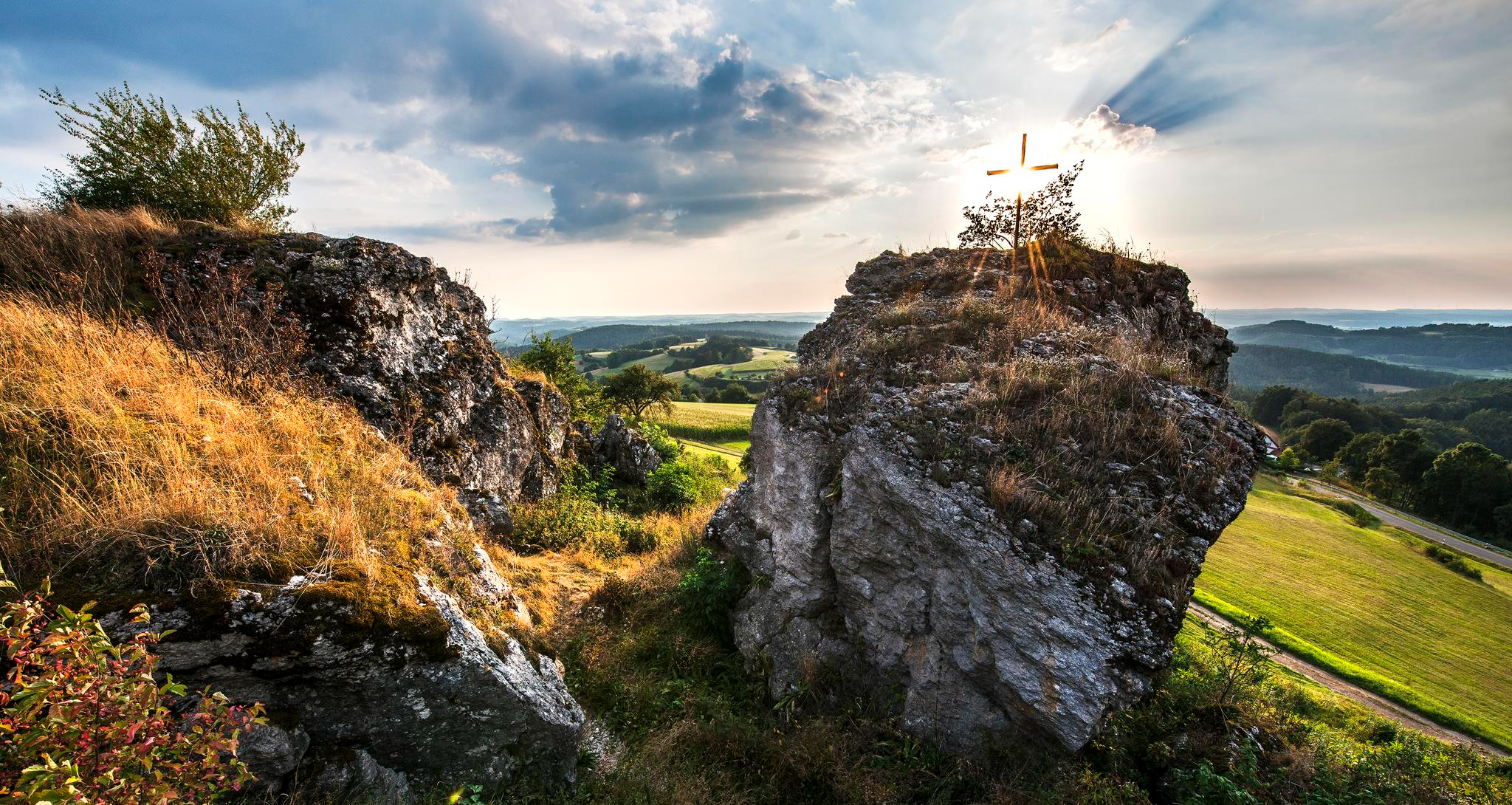
Fun hiking and wonderful views in Franconian Switzerland
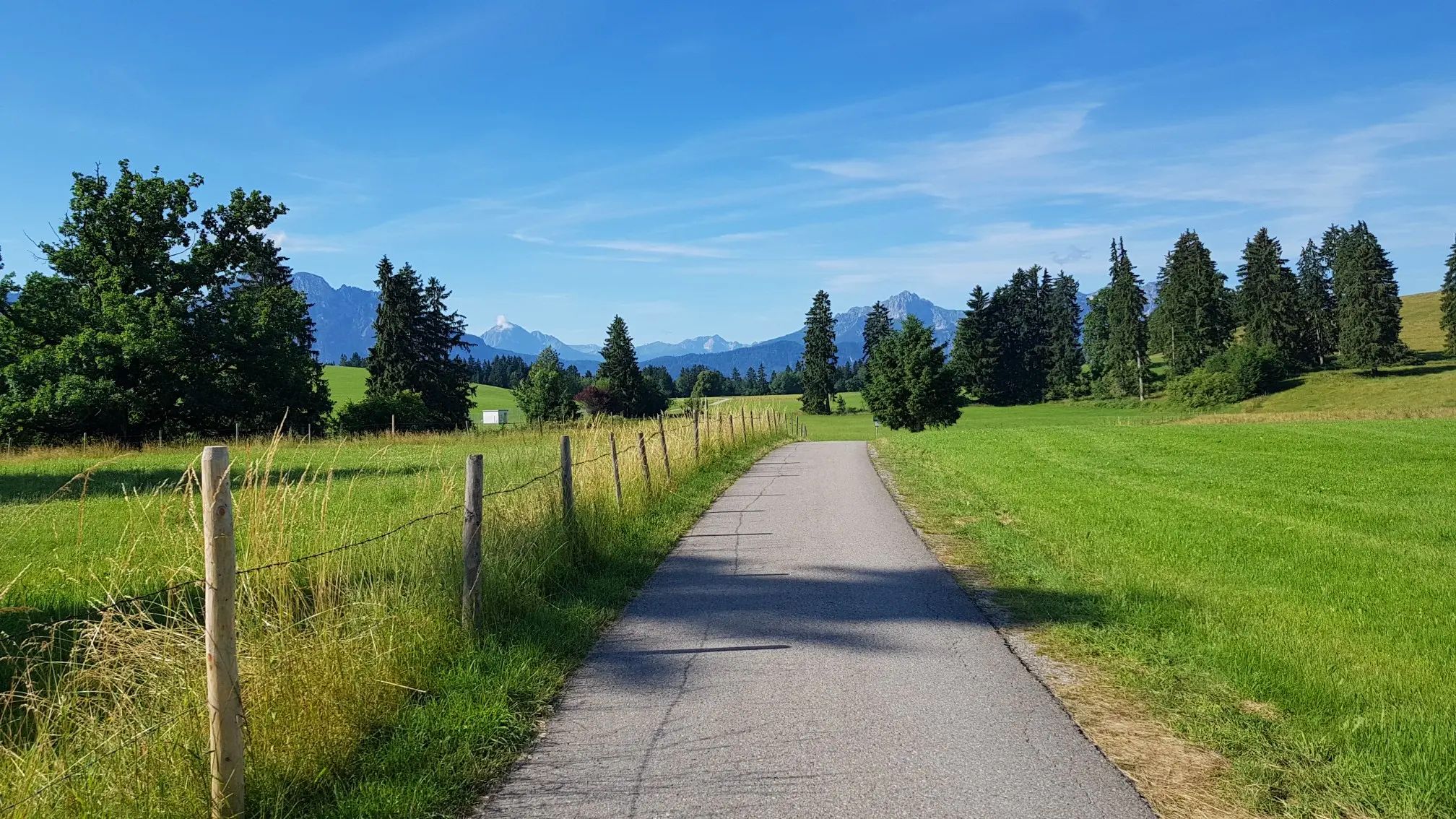
Transbavaria – north to south across Bavaria
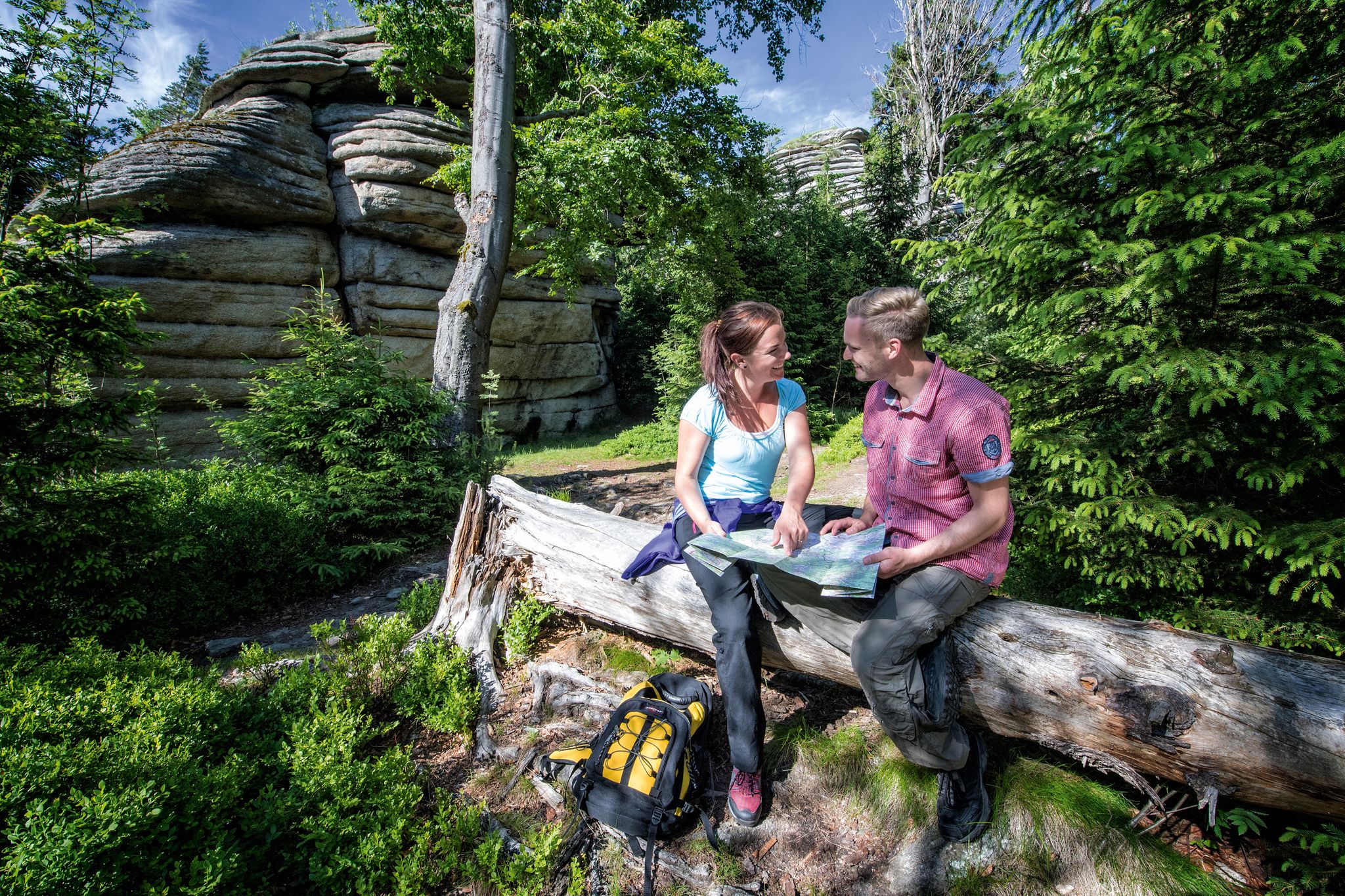
The Franconian Mountain Trail – 21 Stages of Magical Summit Bliss
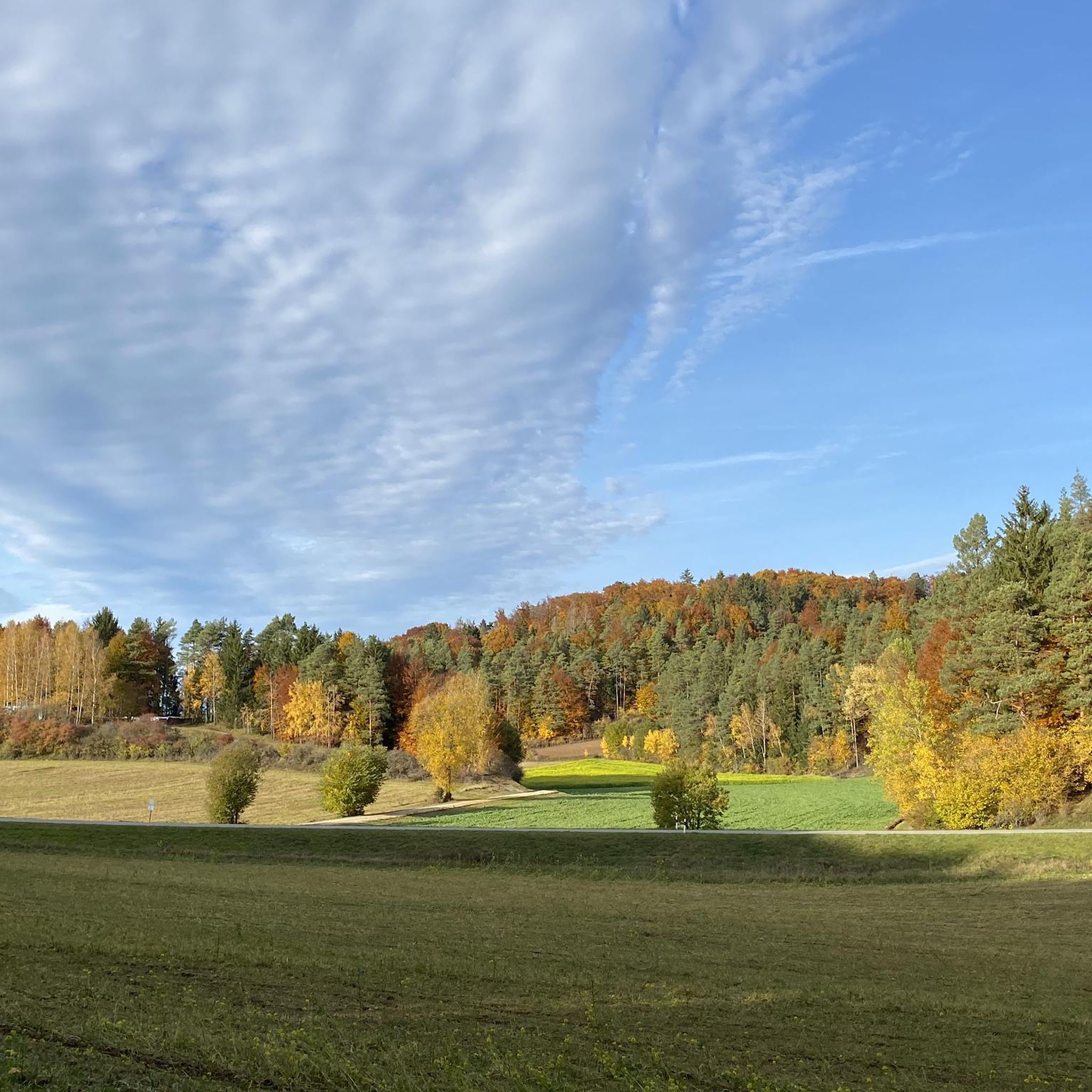
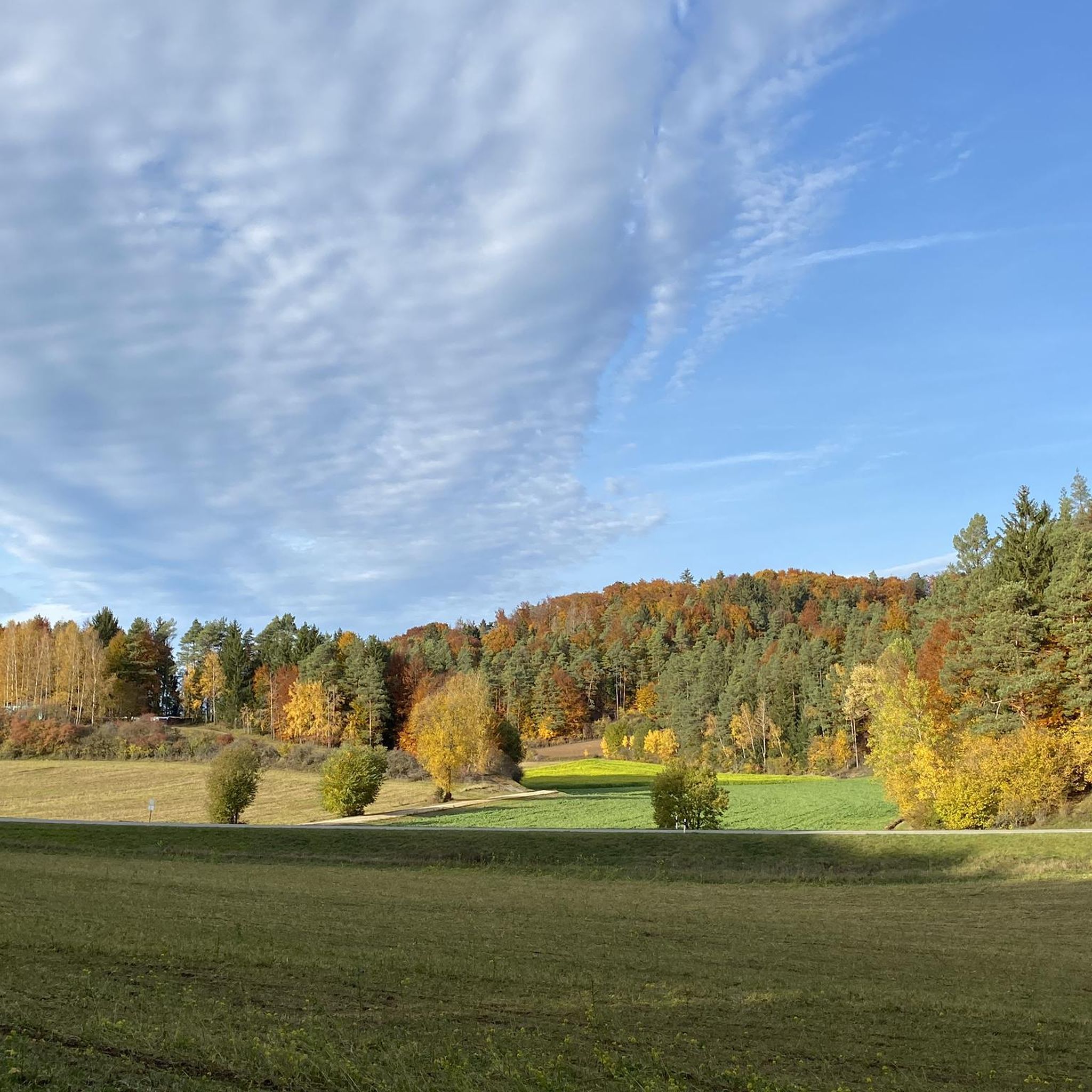
Hiking around Plech
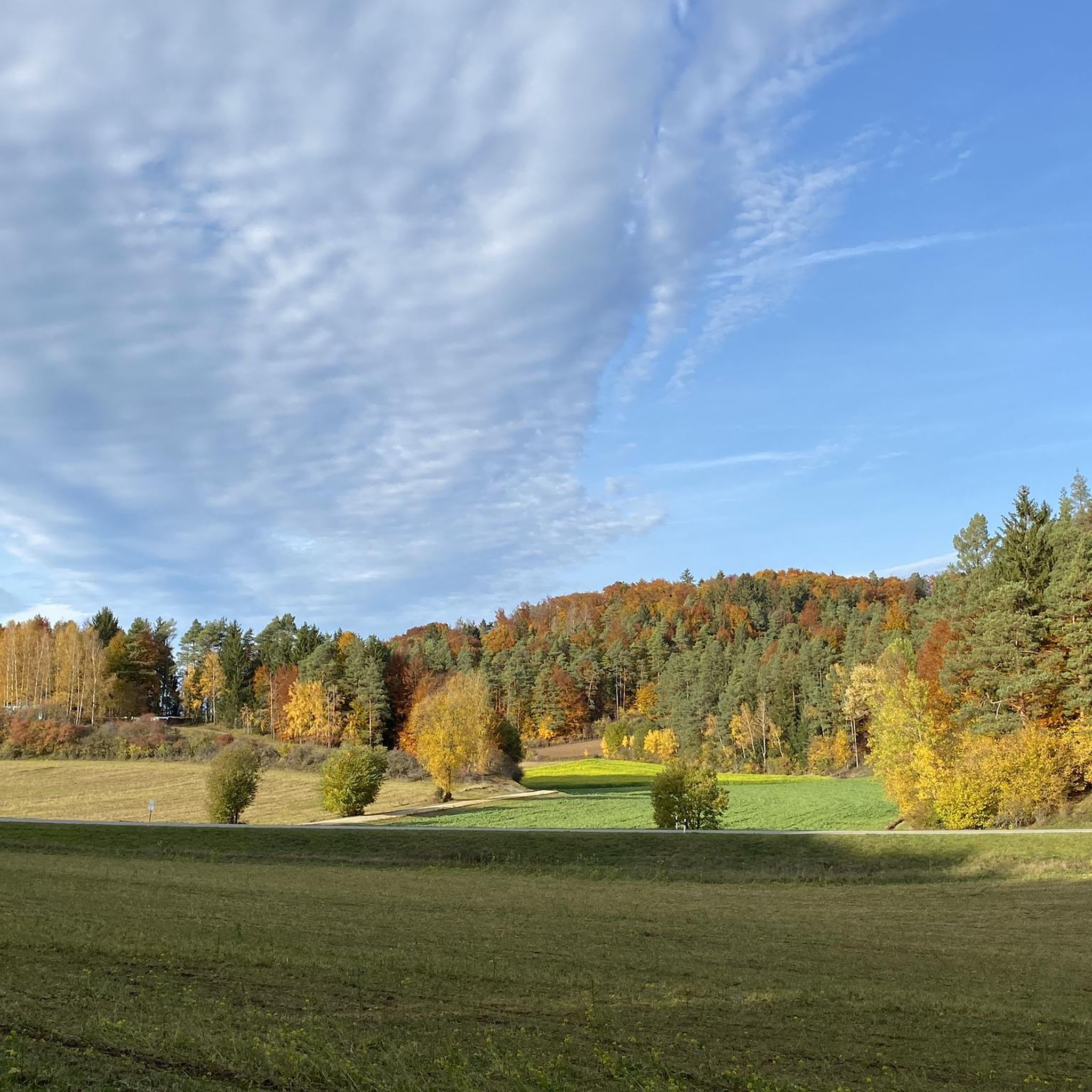
Cycling around Plech
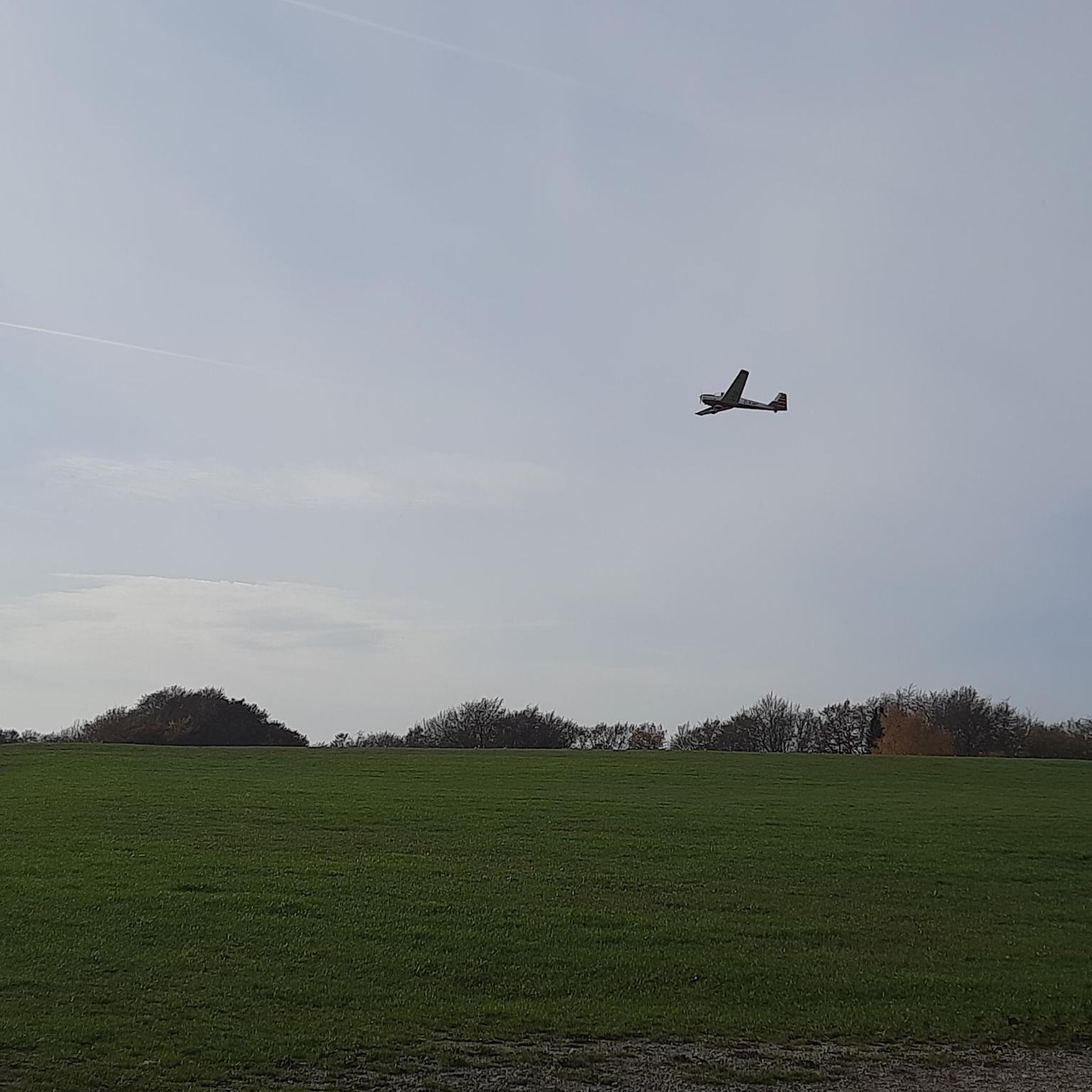
Road Cycling Routes around Plech
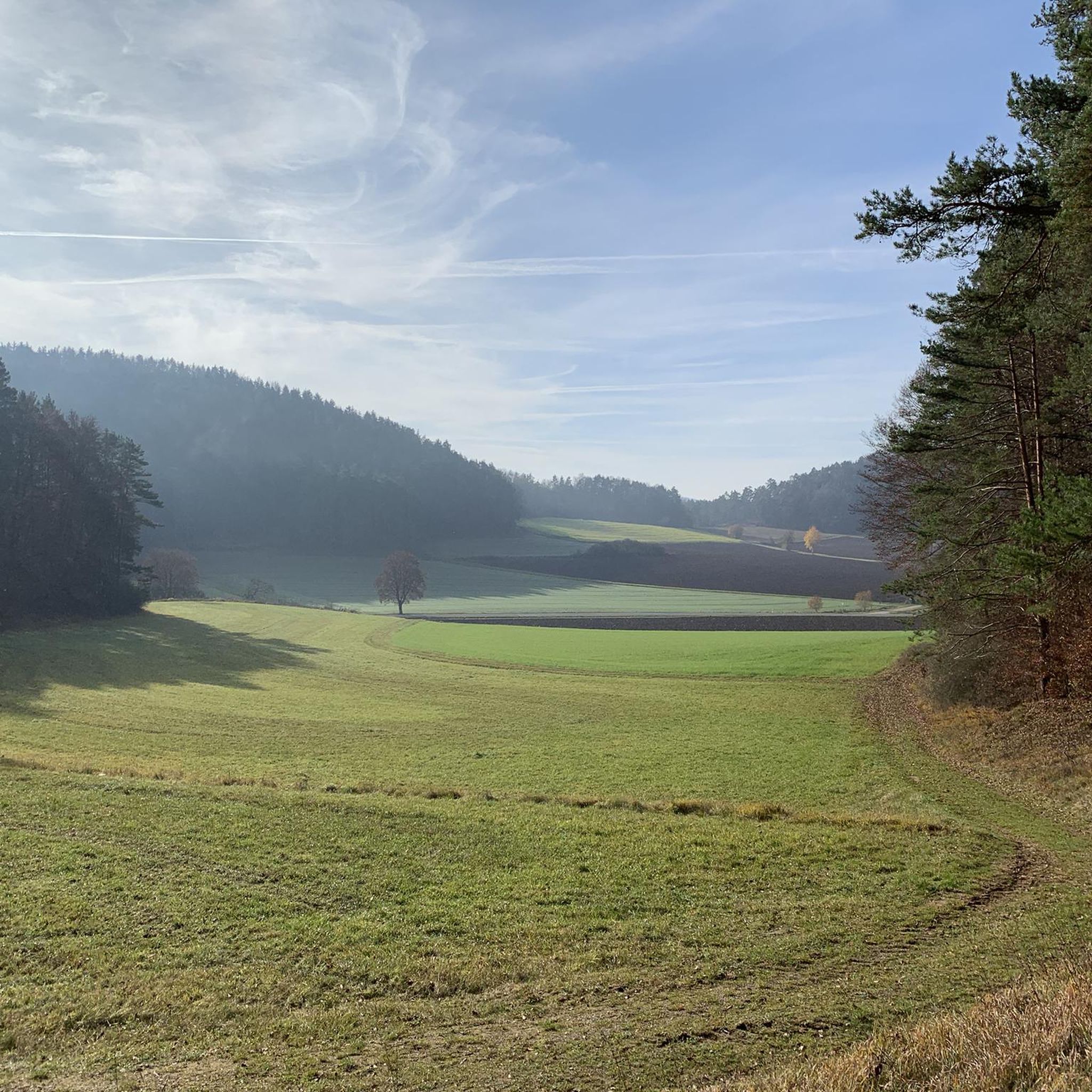
Gravel biking around Plech
MTB Trails around Plech
Running Trails around Plech
Mountain Hikes around Plech


Tips from the Community

Stierberg castle ruins The castle and the town at its feet owed their importance to the junction here from the high road, the section of the “via imperii” between Nuremberg and Bayreuth. This north-south axis crossed in Stierberg with the Altstrasse, which ran from west to east. The name Stierberg first appeared in 1187 with the mention of Otnand de Stierberc and in 1188 by a Poppo von Stierberch, both of which were ministerial offices of the Bishopric of Bamberg. Before 1308, the castle, which was later owned by the diocese, passed to the noble lords of Schlüsselberg. In 1306, Landgrave Ulrich von Leuchtenberg entrusted the castle to the Bishopric of Trier. In 1356 the property passed as a fief to Emperor Charles IV and thus to Bohemia. In 1417 Stierberg was sold to John of Bavaria by Landgrave Leopold. After the Landshut War of Succession, Stierberg fell into the hands of the Nurembergs without a fight in 1504 and thus to the Free Imperial City of Nuremberg. Then regained in the same year by the Palatinate under Ludwig von Eyb, but apparently significantly damaged during these fighting. Retaken by the Nuremberg troops in 1505, Stierberg and Betzenstein became part of the imperial city of Nuremberg. In the second federal war in 1553, the village and Stierberg Castle were shelled and captured by margrave troops, and the castle burned down completely. The castle ruins lie on a dolomite rock reef that slopes down on three sides. The upper main castle (southwest of the natural cut) only has a few remains of walls. You can see a piece of wall about 8 meters high and 1.3 meters thick and, at the highest elevation, wall rubble and remains of the foundation wall. To the north of the cutting there is a well-preserved, extended round tower on an isolated rock, 6 meters high and with quarry stone walls up to 1.8 meters thick. To the southeast at a height of around 2 meters there is an arched entrance opening. The top of the wall is covered with cement and bears a restoration inscription from 1914. The former bailiwick house, built in 1778/79, stands on the sloping slope. Behind the house is access to a partly artificial cave that runs through the entire castle rock in a southwesterly direction. Source: information board
4
0

Beautiful, well-preserved castle, which you can walk around just below the walls. You can also visit the inside for a fee of €2.50 for adults. The castle is open from March to November (weather permitting). The castle is open on Sundays and public holidays from 11 a.m. to 5 p.m It is closed on Mondays and Tuesdays.
5
0

Castle is accessible and can be visited. You have a great view. Between the floors there is a beautiful herb garden. A part is integrated into a rock. A newer building, the "long house", houses, among other things, holiday apartments.
6
1

The ruins can also be climbed. The town of Leienfels itself has only 50 inhabitants
5
0


Here is a beautiful view of the Franconian 🤗❗
4
0

It's a great idea to make a detour to the Wildenfels ruins; the entire complex is well worth seeing and well-maintained, and there's seating available, making it an ideal place for a break.
6
0

Castle ruins above Stierberg without inspection. From Stierberg there are steep steps and on the other side you can descend to the Way of St. James from Betzenstein to Hiltpoltstein.
2
0
Frequently Asked Questions
What types of historical sites are there to explore among the castles near Plech?
The region around Plech, particularly within the Franconian Switzerland-Veldenstein Forest Nature Park, features a mix of historical sites. You'll find numerous castle ruins, such as the Leienfels Castle Ruins and Stierberg Castle Ruins, offering glimpses into medieval architecture and strategic importance. There are also more preserved structures like Hohenstein Castle, which provides a more extensive experience.
Are there any castles near Plech that offer panoramic views?
Yes, several castles in the area are known for their excellent viewpoints. The Leienfels Castle Ruins, perched on the 590-meter-high Schlossberg, offers breathtaking panoramic views over Franconian Switzerland, stretching over 30 kilometers on clear days. Similarly, Hohenstein Castle, located at the highest point in the Nuremberg region, provides extensive views.
Which castles are particularly suitable for families with children?
The Leienfels Castle Ruins are considered family-friendly and are freely accessible. The path to the ruins guides visitors through the remnants of the former complex, and the surrounding area is great for outdoor activities. Hartenstein Castle also has a family-friendly rating and features a small museum on knighthood, which can be engaging for children.
What kind of historical significance do the castle ruins around Plech hold?
The castle ruins around Plech, like Leienfels Castle Ruins and Stierberg Castle Ruins, played crucial roles in medieval times. Leienfels, dating back to the early 14th century, experienced several destructions and rebuilds during conflicts like the Peasants' War and the Second Margrave War. Stierberg Castle was strategically positioned along an important medieval trade route (the 'via imperii') and was completely destroyed by fire in 1553 during the Second Margrave War.
Are there hiking opportunities near the castles around Plech?
Yes, the area around Plech and its castles is excellent for hiking. The Leienfels Castle Ruins are particularly appealing for outdoor enthusiasts, including hikers. You can find various hiking routes in the region, such as those listed in the Mountain Hikes around Plech guide, which includes challenging routes like the Eibgrat loops.
What remains of the <a href="https://www.komoot.com/highlight/124512" target="_blank" rel="noopener">Stierberg Castle Ruins</a>?
At Stierberg Castle Ruins, only a few remnants are visible today, primarily a tower and some wall sections. The tower is not accessible, and much of the main castle area is overgrown. While the architectural details are limited, the upper part of the ruin is freely accessible, and its historical context along an ancient trade route makes it an interesting stop for those exploring the region's trails.
Can I find places to eat or drink near the castles?
Yes, some castles have amenities nearby. For instance, after exploring the Leienfels Castle Ruins, you can visit the Gasthof "Zur Burgruine" in the idyllic village of Leienfels, which offers traditional Franconian cuisine and a shaded beer garden. Hartenstein Castle also features a restaurant and a beautiful beer garden with good food and views.
What is the best time of year to visit the castles around Plech?
The castles around Plech, especially the ruins, are enjoyable throughout the warmer months for hiking and outdoor exploration. Spring and autumn offer pleasant temperatures and beautiful scenery. Winter visits can also be unique, particularly if there's snow, as some areas like Hohenstein Castle have nearby winter activities like ski lifts and toboggan runs.
Are there cycling routes that pass by or near these castles?
Yes, the region around Plech is popular for cycling. While the Stierberg Castle Ruins are accessible by MTB from the southern side, you can find various cycling routes in the area. Check the Cycling around Plech guide for routes like the "Great Lochstein – Mühlfriedl Pond loop from Plech" which explore the wider region.
Is the Imperial Castle of Nuremberg worth visiting as a day trip from Plech?
While not directly in Plech, the Imperial Castle of Nuremberg is approximately 35.5 km away and is a significant historical landmark. It offers a much more preserved and extensive experience compared to local ruins, providing a deep dive into medieval German history and architecture. It's a major imperial palace with museums and expansive views over the city, making it a worthwhile day trip.
What do visitors enjoy most about the castles in this region?
Visitors frequently highlight the stunning panoramic views offered by castles like Leienfels Castle Ruins and Hohenstein Castle. The historical significance and the opportunity for outdoor activities like hiking and cycling in the picturesque Franconian Switzerland are also highly appreciated. Many enjoy the well-maintained complexes and the chance to combine history with nature.
Are there any less crowded or 'hidden gem' castles to explore?
While the main highlights are popular, the region is dotted with numerous smaller ruins. For a less crowded experience, exploring the Stierberg Castle Ruins might offer a quieter visit, as it has fewer architectural remains but provides historical context within a scenic hiking area. The focus here is more on the journey through nature to reach the site.
Most popular routes around Plech
Most popular attractions around Plech

Get inspired with the komoot mobile app


Explore more
Looking for the best castles somewhere else? Discover other guides around Plech:
