Top 20 Caves around Plech
Best caves around Plech are found in the Franconian Switzerland region of Germany, an area characterized by its rich karst landscape. This geological setting has led to the formation of numerous cave systems. The region offers a variety of underground experiences, from impressive dripstone formations to historical sites. These natural features contribute to the area's appeal for outdoor exploration.
Best caves around Plech
- The most popular caves include Devil's Cave, Pottenstein, a cave known for its impressive stalactite formations.…
Last updated: May 9, 2026
Rock formations on the Jägersteig
Highlight • Natural Monument
Translated by Google •
Tip by

Vogelherd Grotto
Highlight • Cave
But you can also enjoy this place wonderfully if …
Translated by Google •
Tip by

Sign up now to discover places like this
Get recommendations on the best single tracks, peaks, & plenty of other exciting outdoor places.
Sign up for free
Devil's Cave, Pottenstein
Highlight • Cave
Translated by Google •
Tip by
Klauskirche Cave
Highlight • Cave
Translated by Google •
Tip by
Hexentor Rock Arch
Highlight • Natural Monument
Translated by Google •
Tip by
Sign up for free to discover even more caves around Plech.
Sign up for free
Already have an account?
Start today with a free account
Your next adventure awaits.
Login or Signup
Popular around Plech
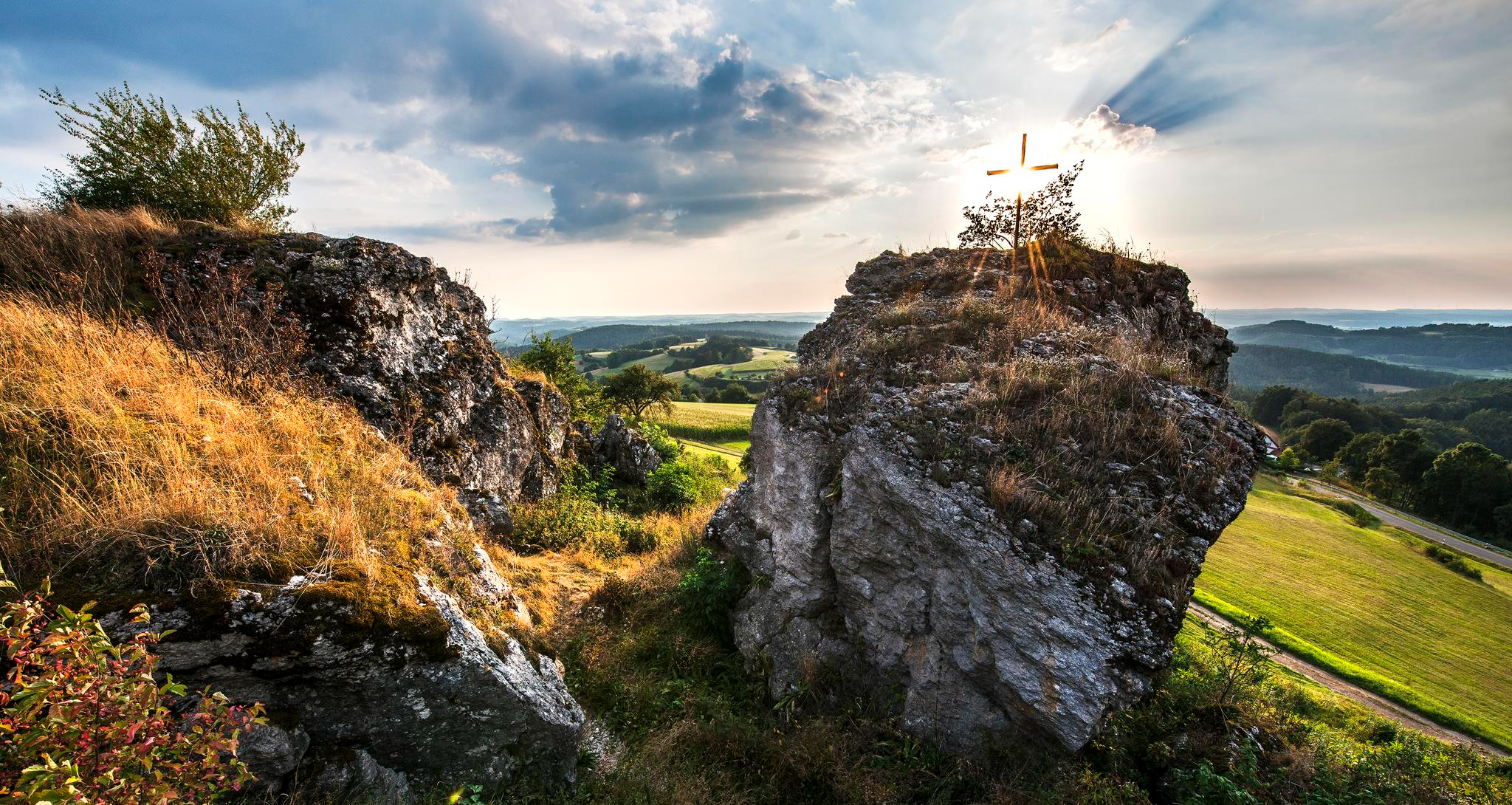
Fun hiking and wonderful views in Franconian Switzerland
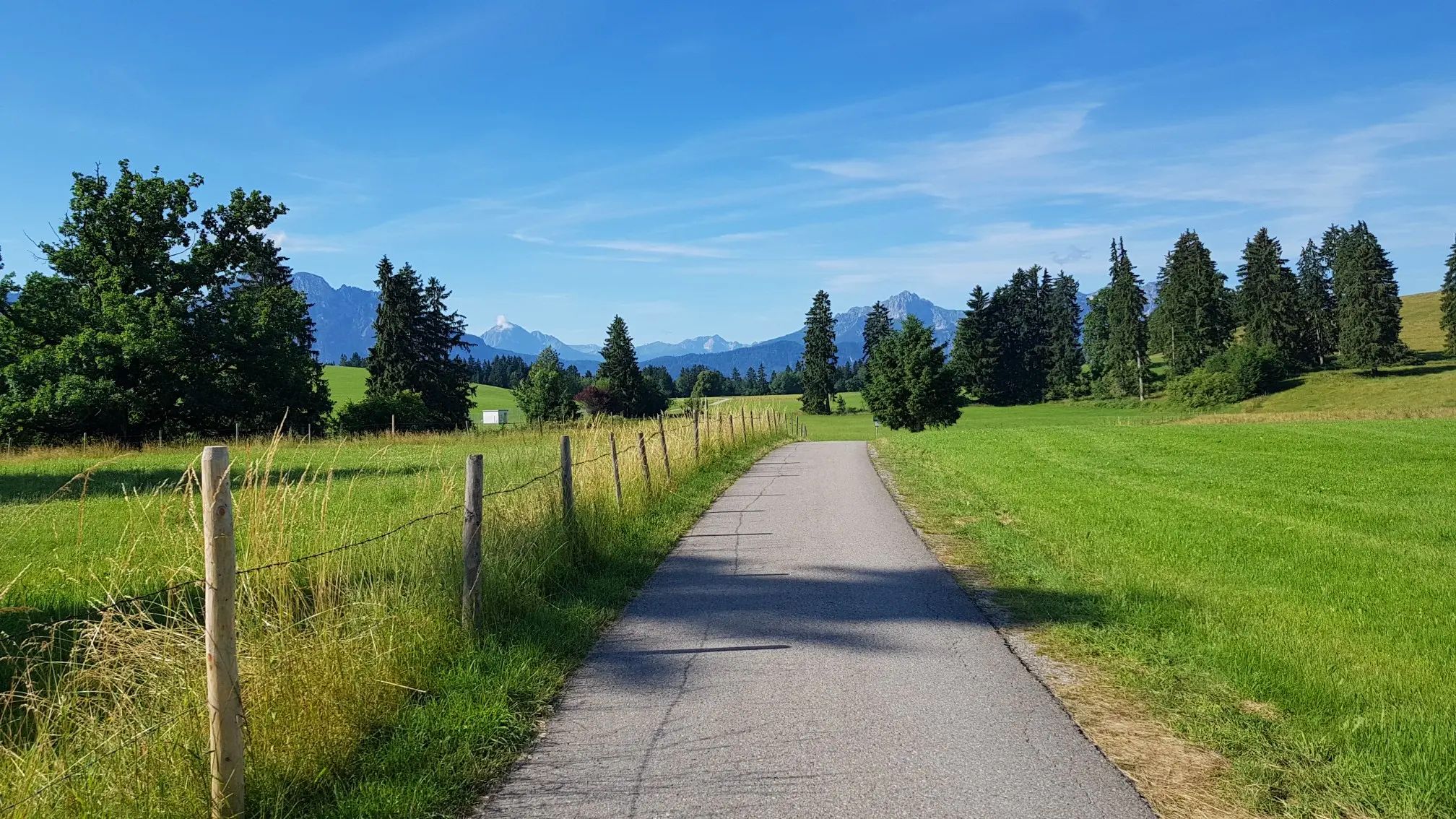
Transbavaria – north to south across Bavaria
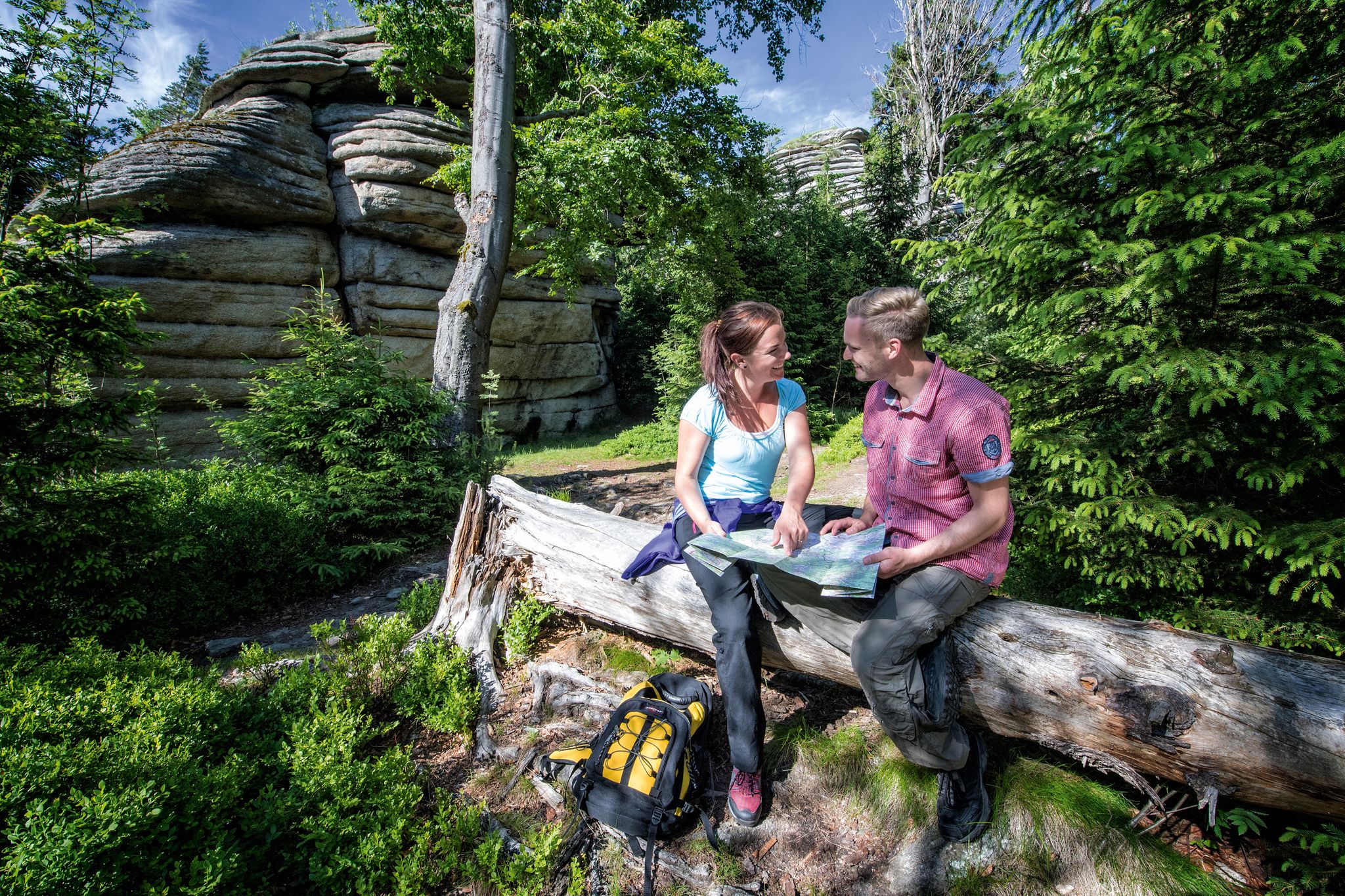
The Franconian Mountain Trail – 21 Stages of Magical Summit Bliss
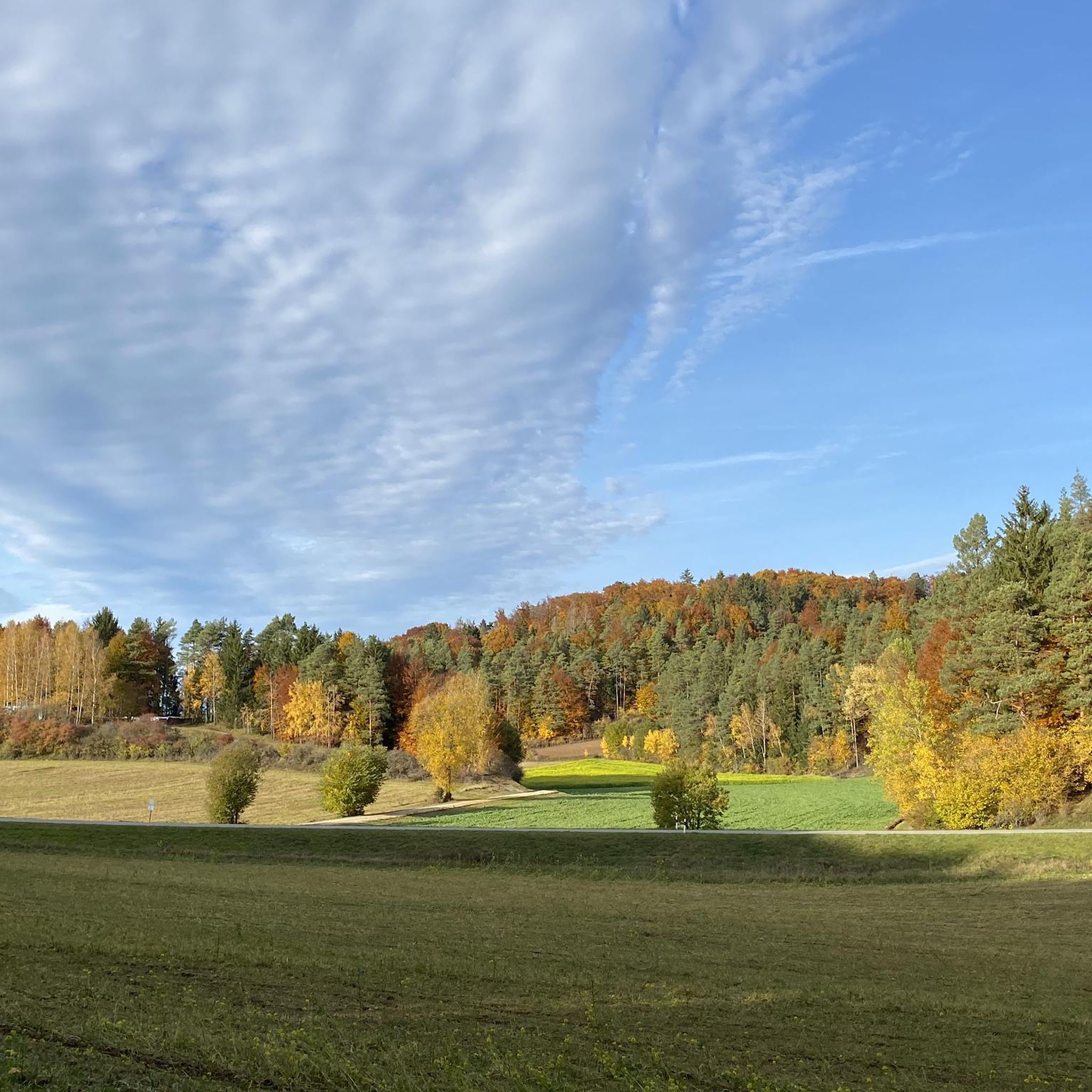
Hiking around Plech
Cycling around Plech
Road Cycling Routes around Plech
Gravel biking around Plech
MTB Trails around Plech
Running Trails around Plech
Mountain Hikes around Plech


Tips from the Community

From November 9, 2025, the cave will be in winter mode, meaning it will only be open on Sundays. Guided tours will take place on Sundays at the following fixed times: 11:00 AM, 12:20 PM, 1:40 PM, and 3:00 PM. Between December 26 and January 6, the cave will be open daily at the same tour times.
8
0

A hiking trail that couldn't have been more beautiful... and apart from a few corners... everything was easy going
5
1

A beautifully situated place in Franconian Switzerland, the tour through this place is highly recommended.
14
1

Wanderful, many attractions make this place attractive.
19
1

The “Klauskirche” The name “Klauskirche” has become established for the passage cave that dominates the rocky reef of the Klauskirchenberg. Actually, this name refers to the entire hallway. Formerly, scientifically proven but missing, there was a “St. Nicholas Chapel” (see Georg Kolbmann, 1973: Betzensteiner historical images”). It is assumed that this chapel is the namesake of the field name “Klauskirchenberg”. The “Klauskirche” is a 32 meter long passage cave. It is built in the reef dolomite of the Upper Malm. The mighty dolomite reefs formed in the Jurassic Sea around 150 million years ago. The weathering process began as the land mass rose and the sea retreated. During the Quaternary karstification phase (within the last 2.4 million years) the cave was formed by leaching of a vertically dipping fissure. This gap is still clearly visible in the ceiling area of the cave. The cave formation took place in what was then the groundwater area. As a result of the progressive deepening of the valley, the “Klauskirche” is now above the karst water level. Source: information board
6
0

Romantic, daring and different around every corner.
4
0

A sensational area. There is so much to explore. The shapes of the rocks are so versatile. With some you almost hold your breath and think stay where you are and don't fall over.
4
0

Impressive natural monument! The passage cave is an absolute highlight on a hike in this beautiful area.
4
0
Frequently Asked Questions
What are the most impressive natural features to see in the caves around Plech?
The region is rich in geological wonders. The Devil's Cave, Pottenstein, is renowned for its lush stalactite and stalagmite formations, some illuminated with colorful lighting. You can also see a reconstructed skeleton of a cave bear there. The Maximiliansgrotte, near Neuhaus an der Pegnitz, houses "The Iceberg," Germany's largest stalactite, reaching 6 meters in height. Additionally, the Wasserstein Gate is an imposing 12-meter-deep rock gate, a natural stone bridge up to 7.5 meters wide and six meters high, formed from Jurassic sediments.
Are there family-friendly caves to visit near Plech?
Yes, several caves are suitable for families. The Devil's Cave, Pottenstein, is considered family-friendly and offers guided tours. The Klauskirche Cave, a unique tunnel-like passage, is also listed as family-friendly. The Maximiliansgrotte also offers guided tours that are generally suitable for families.
What is the best time of year to visit the caves near Plech?
The caves maintain a constant temperature year-round, making them a good destination in any season. For example, the Devil's Cave stays at 9°C (48°F), offering a cool escape in summer and a warmer option in winter. However, during peak times and holidays, popular caves like the Devil's Cave can be crowded. Visiting during less busy times is recommended for a more relaxed experience.
What kind of historical discoveries have been made in the caves around Plech?
The caves hold significant historical value. In the Devil's Cave, Pottenstein, visitors can see a reconstructed skeleton of a cave bear, along with bones of other animals and potsherds from the Hallstatt age. The Maximiliansgrotte has also yielded potsherds from the Hallstatt age and human bones, including those of soldiers from the War of the Spanish Succession. The Wasserstein Gate was likely a refuge for Stone Age hunters, evidenced by archaeological finds.
Are there guided tours available for the caves?
Yes, guided tours are a common way to explore the caves. The Devil's Cave, Pottenstein, offers daily guided tours lasting approximately 45 minutes to an hour, with English explanations available upon request. The Maximiliansgrotte also provides approximately half-hour guided tours, taking visitors up to 70 meters underground.
What outdoor activities can I combine with a visit to the caves?
The region around Plech offers various outdoor activities. You can find mountain hikes, such as the 'Weissingkuppe Rock Labyrinth – Vogelherd Grotto loop' near Neuhaus an der Pegnitz. There are also numerous MTB trails, including the 'Wasserstein Gate – View of Pottenstein Castle loop from Plech'. For cycling enthusiasts, routes like the 'Great Lochstein – Mühlfriedl Pond loop from Plech' are available. You can explore more options on the Mountain Hikes around Plech, MTB Trails around Plech, and Cycling around Plech guide pages.
What should I wear when visiting the caves?
Given the constant cool temperature inside the caves (around 9°C or 48°F), it's advisable to wear warm clothing, even in summer. Sturdy shoes are also recommended, especially for caves with uneven terrain or those that are part of hiking trails, such as the Rock formations on the Jägersteig.
Are there any unique features or uses for the caves besides tourism?
Yes, some caves have unique applications. The Devil's Cave, Pottenstein, houses an operational therapeutic station for speleotherapy, aimed at treating lung ailments. The constant, clean air within the cave environment is beneficial for this purpose.
Where can I find impressive karst formations and rock labyrinths near Plech?
The Franconian Switzerland region is known for its karst landscape. The Rock formations on the Jägersteig lead through a beautiful world of bizarre rock formations, often referred to as a rock labyrinth. The area around Maximiliansgrotte also features karst trails leading to other caves, dolines, and impressive rock formations like the Steinerne Stadt (Rock City), an eroded coral reef.
Is there parking available near the main cave attractions?
Yes, parking is generally available near the popular cave sites. For instance, the Maximiliansgrotte's parking area serves as a starting point for several karst trails. For the Klauskirche Cave, there is a parking lot directly from which a steep staircase leads to the cave.
What makes the Vogelherd Grotto a notable cave near Plech?
The Vogelherd Grotto is an impressive karst cave near Krottensee, consisting of Franconian dolomite. Its huge hall is particularly striking and makes for a popular photo motif. It's known for its special flair, especially when visited in the morning.
Can I find food and drinks near the cave entrances?
Yes, some cave attractions offer amenities. At the Devil's Cave, Pottenstein, you can enjoy coffee and cake at the terrace cafe located at the entrance after your tour.
Most popular routes around Plech
Most popular attractions around Plech

Get inspired with the komoot mobile app


Explore more
Extend your search for the best caves by checking out these guides of the top ones around Plech:
