Top 16 Castles around Insul
Castles around Insul are found in a region known for its Eifel landscape, featuring historical sites and panoramic views. While the municipality of Insul does not host castles directly, the surrounding area offers several historically significant medieval ruins. These structures provide insight into the region's past and are often situated on elevated positions. Visitors can explore these sites, which frequently offer expansive vistas of the surrounding natural environment.
Best castles around Insul
- The most popular castles is Nürburg Castle,…
Last updated: October 9, 2026
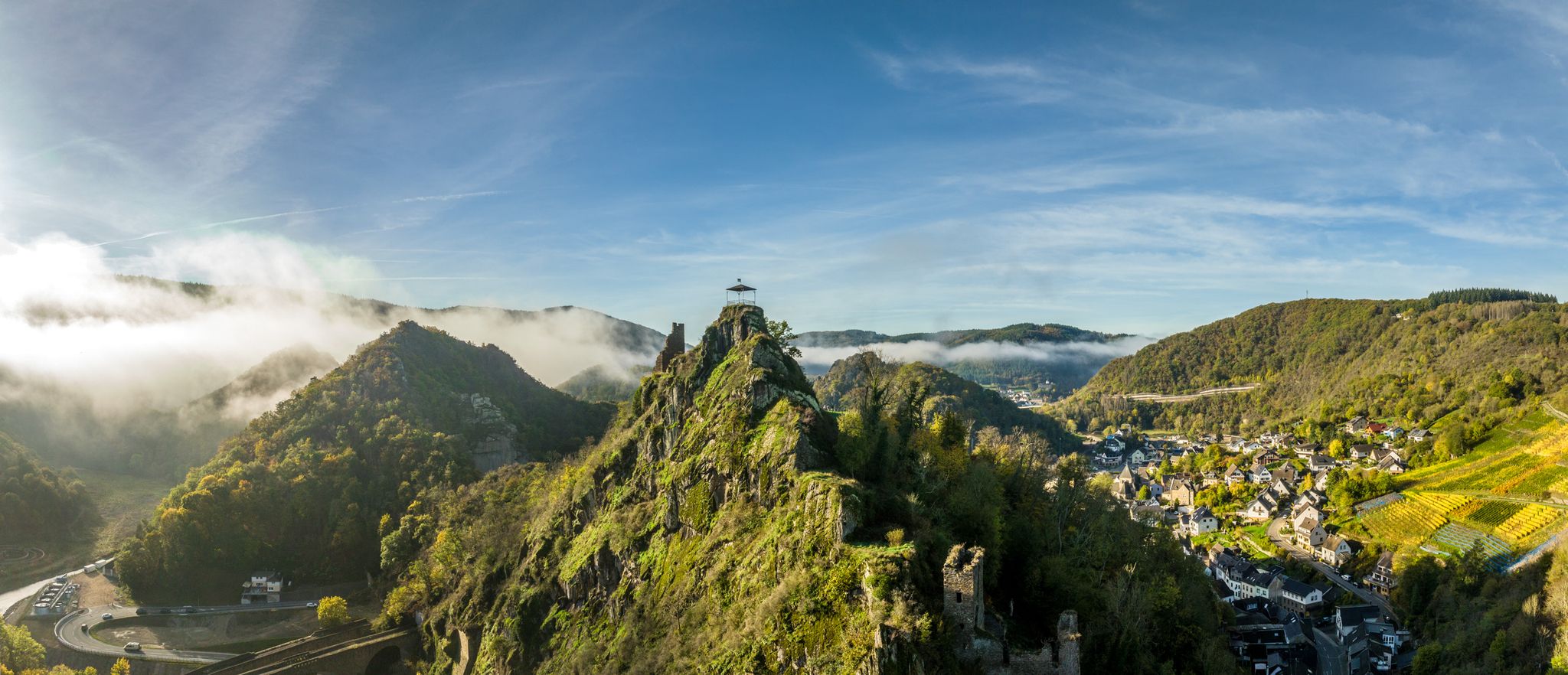
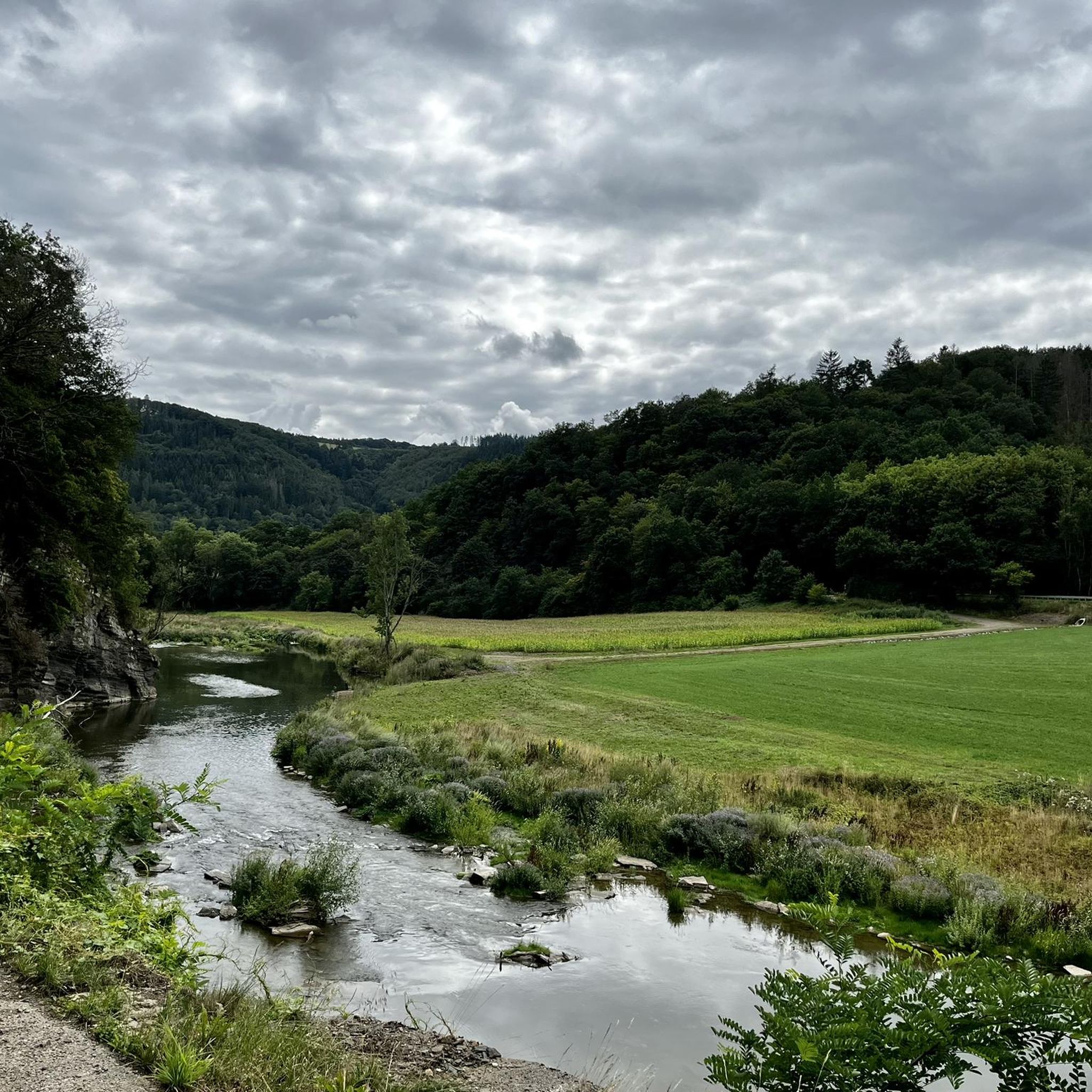
Altenahrer Eck
Highlight • Viewpoint
Showing Translation
Tip by

Are Castle Ruins
Highlight • Castle
Translated by Google •
Tip by

Sign up now to discover places like this
Get recommendations on the best single tracks, peaks, & plenty of other exciting outdoor places.
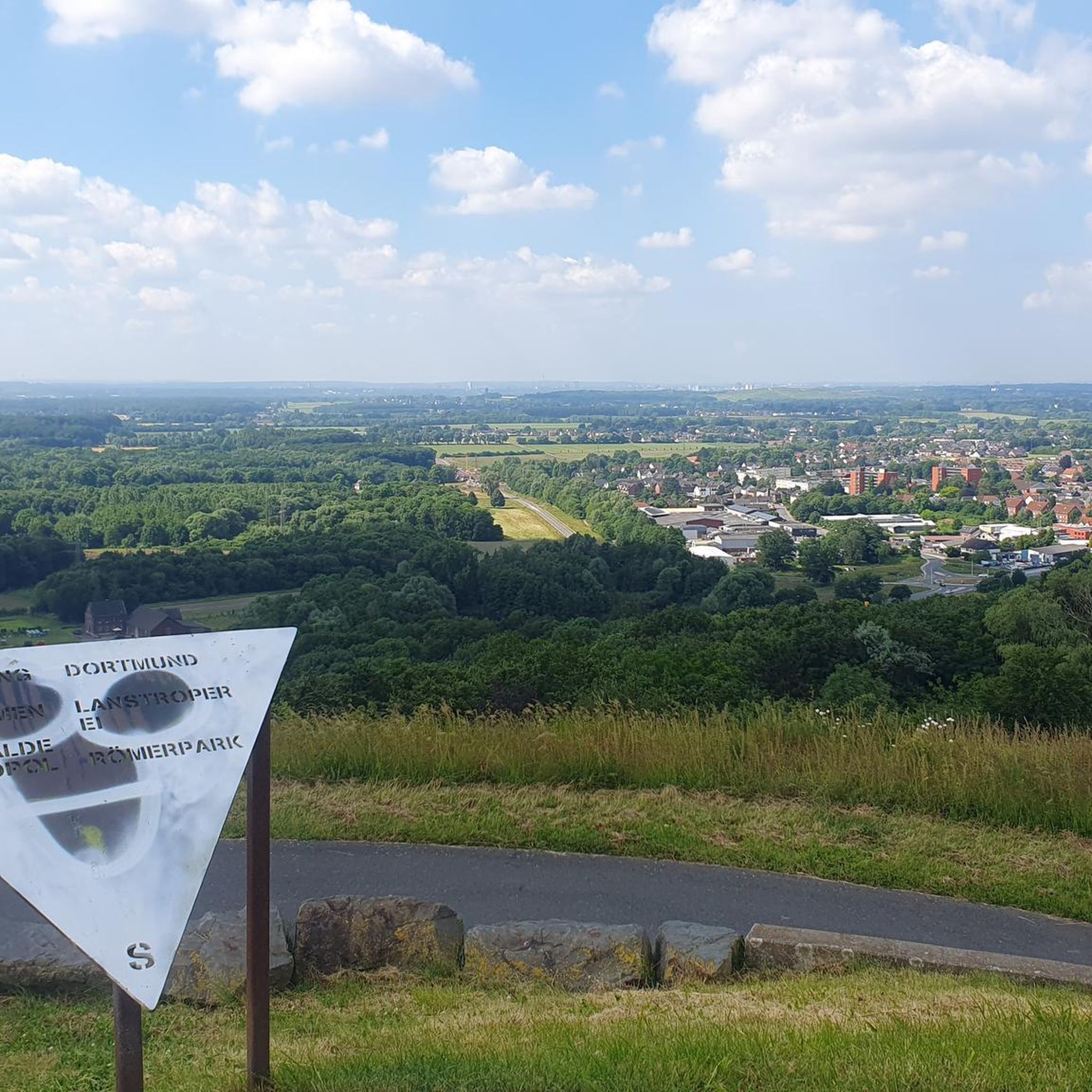
View of Are Castle
Highlight • Viewpoint
Translated by Google •
Tip by

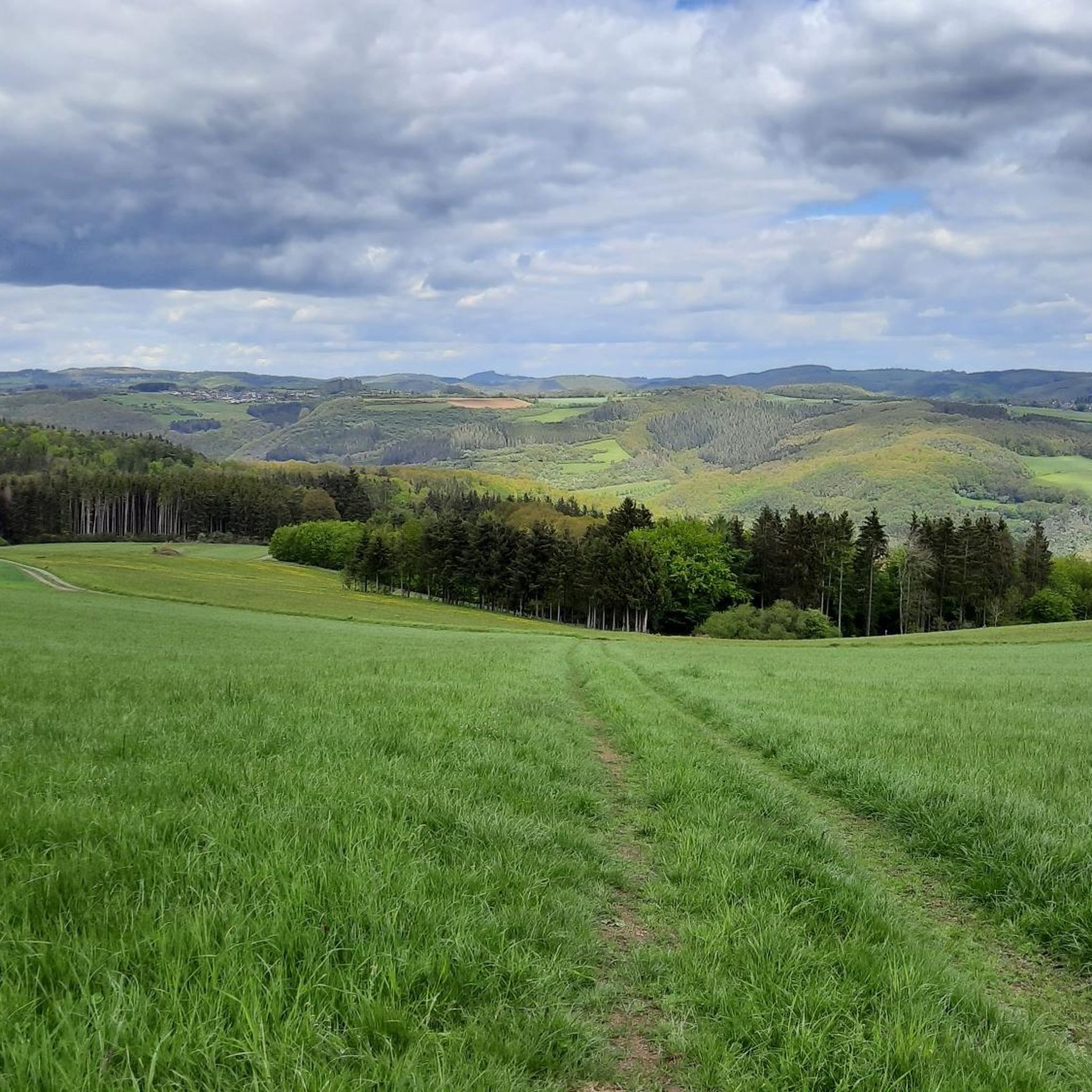
Kreuzberg Castle
Highlight • Castle
Translated by Google •
Tip by
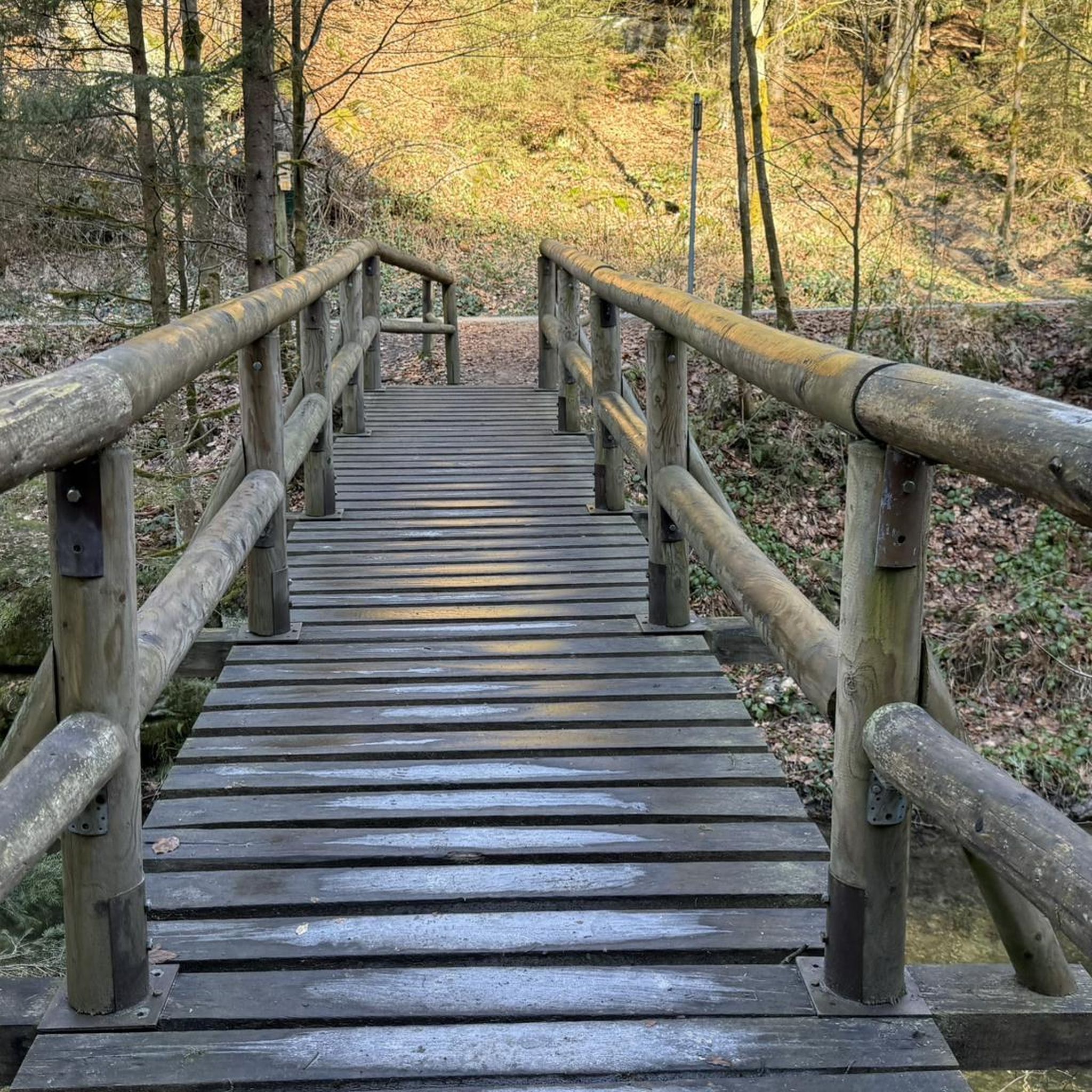
Gymnicher Porz Gate (Are Castle)
Highlight • Castle
Translated by Google •
Tip by

Sign up for free to discover even more castles around Insul.
Already have an account?
Start today with a free account
Your next adventure awaits.

Tips from the Community

The view from the ruins of Altenahr and Mayschoß, where the Ahr meanders wildly romantically in narrow bends through rock formations and steep vineyards that are terraced with dry stone walls, is magnificent. The Mediterranean climate and the slate soil create optimum conditions for the ripening of the predominantly blue grapes. The wine route is a must to walk once in your life.
21
2
Be amazed as you look through the grate into the depths of the pit.
19
1
During wine week there will be a wine kiosk here and you can buy a holder to put your wine glass in 😀
18
1

Entrance area to the castle complex, the Old Gate is still well preserved.
6
1

Foundation, expansion and demolition: At the beginning of the 12th century, the castle was built by Theoderich von Are and first mentioned in a document in 1121. In 1714, the castle was blown up and has been a ruin ever since. In between lie six centuries of history with changing castle lords. Below Castle Are lie the remains of Gymnicher Porz, where Porz stands for gate. It was a lower gate system on the access road to the castle, which blocked the castle hill in conjunction with a wall. The complex consisted of a gatehouse over the access road, an attached castle house with a basement and two floors with living quarters, as well as an adjoining castle tower. The name is based on the von Gymnich family. Some members were temporary pledgees of the castle in the 14th and 16th centuries. It is suspected that the gate system was built during this time. At times, Gymnicher Porz served as an independent castle fief of the von Gymnich family.
7
1

The castle's layout is a square. In addition to parts of the outer bailey and a gate - the so-called Gymnicher Porz - remains of the defensive wall have also been preserved. There is also an old gate tower (also known as the Schellenturm) on the south side of the complex, next to which is the ruin of the palace, which once had a heated bishop's chamber. The first keep probably stood on the pointed rocky peak in the north corner. To the north of this, extensive remains of the Romanesque castle chapel from the 12th century have been preserved.
5
0

The beautiful old gate is still well preserved.
8
1

Kreuzberg was first mentioned in a document in 893 in the Prüm Urbar as Cruceberg. Around 1100, the settlement came into the possession of the Counts of Are, who had a first house built on the Kreuzberg for one of their administrators.[5] Archbishop Konrad von Are-Hochstaden enfeoffed Kuno von Vischenich (also Cuno/Cono/Conz von Fischenich), knight and steward of the Archbishopric of Cologne, with Kreuzberg and allowed him to build a fortified castle on the mountain, the construction of which he supported financially. After the castle was completed, Kuno and his wife Guda gave the castle as a fief to the Archbishopric of Cologne in April 1343 and were enfeoffed with it in return.[5] Kreuzberg Castle was thus an open house of the Archbishops of Cologne in the following period.
17
0
Frequently Asked Questions
What are the most notable castles to visit near Insul?
While Insul itself doesn't have castles, the surrounding Eifel region offers significant historical sites. Two prominent ruins are Nürburg Castle, known for its views over the Nürburgring, and Are Castle Ruins, which offers panoramic views of Altenahr and the Ahr Valley.
What can I expect to see at Nürburg Castle?
At Nürburg Castle, you can climb the 20-meter-high keep, also known as the 'Gray Tower,' for a spectacular panoramic view over the Hocheifel-Nürburgring region and the Nürburgring racetrack. You'll also explore mighty walls and remnants of its 12th-century origins, recognized as the highest-situated castle in Rhineland-Palatinate.
What are the highlights of visiting Are Castle?
Are Castle Ruins, located above Altenahr, offers magnificent panoramic views in all four directions. You can explore remnants of the defensive wall, the gate tower (Schellenturm), the ruins of the palas, and a Romanesque castle chapel. The impressive Gymnicher Porz Gate is also part of the site, and volunteers have uncovered the castle's former well.
Are there good viewpoints at the castles near Insul?
Yes, both Nürburg Castle and Are Castle Ruins offer excellent panoramic views. From Nürburg Castle's keep, you can see the Hocheifel-Nürburgring region. Are Castle provides extensive views of Altenahr and the Ahr Valley. Additionally, the Altenahrer Eck offers one of the most beautiful vantage points in the Ahr valley.
Can I hike to castles near Insul?
Yes, hiking is a popular way to explore the castles. Are Castle is an integral part of the 9.5 km long Altenahr Castle Trail. For more hiking options in the broader region, you can find routes like the Etappenwanderung: Hocheifel-Panorama-Weg or the Ahr River Ford – Prümer Tor loop in the Hiking around Insul guide.
Are there family-friendly castles to visit near Insul?
While the ruins themselves might appeal to older children interested in history, the surrounding areas often offer family-friendly activities. Nürburg Castle is near the Nürburgring, which can be an exciting addition for families. The scenic walks to and around the castle ruins are generally suitable for families, though some paths may be intermediate difficulty.
What is the best time of year to visit castles near Insul?
The castles are generally best visited from spring to autumn (March to November). During these months, the weather is more favorable for exploring ruins and enjoying panoramic views. Nürburg Castle is typically open from March to November, with specific hours depending on the month. Visiting in late autumn can offer beautiful foliage views, especially around Are Castle.
Are there guided tours available for castles near Insul?
Yes, guided tours for Nürburg Castle are available for groups of 10 or more by arrangement. You can inquire about these by calling 01716449644. For Are Castle, information on guided tours is best sought locally or through the Altenahr tourism office.
Is parking available at the castles near Insul?
For Nürburg Castle, parking is available at the foot of the castle hill, approximately a 10-minute walk from the ruins. For Are Castle, parking can typically be found in the village of Altenahr, from where you can hike up to the ruins.
Can I visit castles near Insul during winter?
Visiting during winter can be challenging. Nürburg Castle is closed from December to February and during bad weather conditions. While the ruins of Are Castle are generally accessible, paths might be slippery or difficult to navigate due to snow or ice. It's best to check local conditions and opening times before planning a winter visit.
Are there any cycling routes near these castles?
Yes, the region around Insul and its castles offers various cycling opportunities. For mountain biking, you can find routes like the Auwälder Forest Trail – Ahr Cycle Path loop or the Wehrseifen Corner, Nürburgring – View of Nürburg Castle loop in the MTB Trails around Insul guide.
What do visitors enjoy most about the castles and surrounding area?
Visitors frequently praise the breathtaking panoramic views from the castle ruins, especially from the keep of Nürburg Castle and over the Ahr Valley from Are Castle. The historical significance and the opportunity to combine castle visits with scenic hikes through the Eifel landscape are also highly appreciated.
Most popular routes around Insul
Most popular attractions around Insul

Get inspired with the komoot mobile app


Explore more
Looking for the best castles somewhere else? Discover other guides around Insul:
